 Ver en contexto
 Enviar
 Compartir
 Detalles

 Descargar
 Similares
 Radiografía
 Presentación de diapositivas
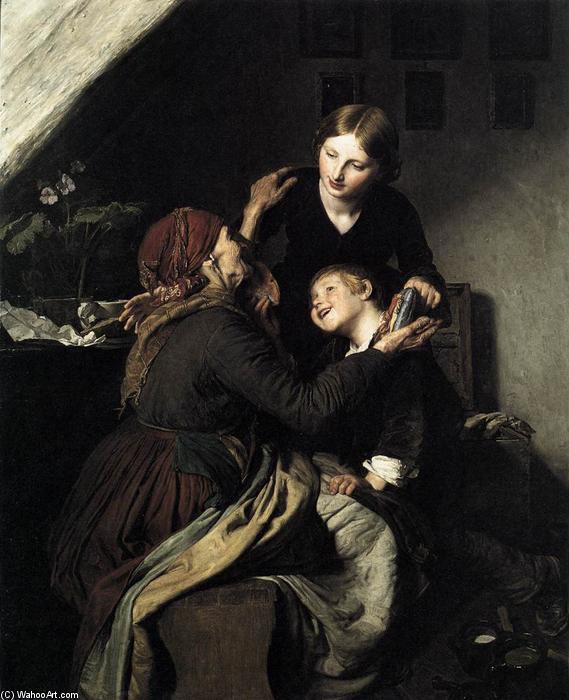
The Grandmother's Birthday
 Acrylic On Canvas
- WallArt
- Biedermeier
 1856
1856 71.0 x 58.0 cm
 Colección Real
 Ver más
Reproducción al óleo hecha a mano
Óleo sobre lienzo pintado a mano en el tamaño y marco de su elección, realizado por encargo por nuestros artistas. ( Comprar impresión Comprar imagen)




P118B $10

P118H $10

P118W $10

P438Z $10

P508JH $12

P508YH $12

P805H $10

P805Z $10

P919BZ $10

P919G $10

P919XJ $10

P959ZH $10

P968JZ $12

W106C $8

W218G $10

W218JH $8

W218Y $10

W307PJ $10

W316G $10

W316PJ $8

W316Y $10

W398PJ $8

W4111J $10

W500HY $15

W500JH $15

W692G $12

W849H $8

W940BG $15

W953PJ $8




Elija entre nuestros tamaños predefinidos que respetan las proporciones originales de la obra.

Puede ingresar sus propias dimensiones para adaptarse a un marco o espacio específico. Si el tamaño seleccionado no coincide con las proporciones de la imagen original, recortaremos la obra o extenderemos la pintura con elementos adicionales pintados a mano. Se le enviará una maqueta digital para su aprobación antes de comenzar la producción.
Tenga en cuenta que la vista previa en pantalla no refleja el recorte o la extensión reales. Solo la maqueta mostrará con precisión la composición final.
Si bien existen tamaños personalizados, recomendamos seleccionar una dimensión de la lista predefinida para preservar las proporciones originales.
Tras realizar el pedido, el equipo de ArtsDot.com enviará un correo electrónico al cliente para solicitar instrucciones y proporcionarle una vista previa del boceto.
Envío a todo el mundo () en 3-4 semanas en lugar de las 5 semanas estándar. (24 agosto). Sin comprometer la calidad.

Envío exprés gratuito a todo el mundo

Lienzo de lino de alta calidad

Seguro de envío total

Garantía de reembolso de impuestos aduaneros

Garantía de fidelidad cromática exacta

Política de devolución de 60 días (solo por defectos)

Garantía de devolución del 100% del dinero

Descuento por cantidad
 La opción de vidrio solo está disponible en tamaños inferiores a 110 cm.

The Grandmother's Birthday
Técnica de reproducción
Dimensiones de la reproducción
-


Precio total final
$ 263
Descripción de la obra
A Moment of Quiet Grace: Ferdinand Georg Waldmüller’s “The Grandmother’s Birthday”
Ferdinand Georg Waldmüller's "The Grandmother’s Birthday," painted in 1856, isn’t merely a portrait; it’s a carefully constructed tableau of familial warmth and understated joy. This intimate scene, rendered with the meticulous detail characteristic of the Biedermeier style, captures a fleeting moment of connection between generations – a grandmother tenderly holding her granddaughter, while another woman observes with quiet affection. The painting immediately draws the viewer in, offering a glimpse into a domestic setting brimming with comfortable familiarity and unspoken love.
Waldmüller, a pivotal figure in Austrian art history, was deeply influenced by his own experiences of loss and hardship early in life – a fact that subtly informs the poignant beauty of his work. He rejected the rigid formalism of academic painting, instead championing natural observation and a direct engagement with the subject matter. This commitment to realism is evident here, not as a cold imitation of reality, but as a celebration of the simple pleasures of everyday life. The artist’s skill lies in his ability to imbue ordinary moments with profound emotional resonance.
A Study in Light and Texture: Technique and Style
The painting's power resides significantly in Waldmüller’s masterful technique. He employs a delicate layering of paint, building up textures with remarkable precision – from the soft folds of the women’s clothing to the subtle sheen on the polished piano keys. Notice how light plays across the scene, illuminating faces and highlighting details while casting gentle shadows that add depth and atmosphere. The artist's use of color is restrained yet effective; muted tones dominate, creating a sense of tranquility and intimacy. Waldmüller was particularly adept at capturing the nuances of human expression, evident in the subtle smiles and attentive gazes exchanged between the figures.
The Biedermeier style, which flourished in Austria during the mid-19th century, emphasized domestic scenes, landscapes, and portraits that reflected the values of family, community, and personal experience. Waldmüller was a leading proponent of this movement, advocating for a more accessible and emotionally resonant form of art than the grand historical narratives favored by earlier generations. “The Grandmother’s Birthday” perfectly embodies these principles, offering a sincere and unpretentious portrayal of human connection.
Symbolism and Narrative Depth
Beyond its surface depiction, the painting is rich in symbolic meaning. The presence of the piano suggests music – perhaps a shared memory or a moment of musical enjoyment. The potted plants scattered throughout the room contribute to the sense of domestic comfort and abundance. The older woman’s gaze, directed towards her granddaughter, speaks volumes about love, care, and the passing down of traditions. It's a visual representation of continuity and connection across generations.
Furthermore, the composition itself is carefully orchestrated. The central figures are framed by the architectural elements of the room – the piano, the window (implied), and the walls – creating a sense of stability and enclosure. This deliberate arrangement draws the viewer’s eye to the heart of the scene: the tender embrace between grandmother and granddaughter. The inclusion of the third woman, observing from the background, adds another layer of complexity, perhaps representing a shared history or a silent witness to this precious moment.
A Timeless Portrait of Family Connection
"The Grandmother’s Birthday" is more than just a beautiful painting; it's a poignant meditation on family, memory, and the enduring power of human connection. Waldmüller’s ability to capture such intimate emotions with remarkable skill ensures that this work continues to resonate with viewers today. It serves as a reminder of the simple joys of life – the warmth of familial love, the beauty of shared moments, and the importance of cherishing those connections across generations. Reproductions of this evocative piece offer a window into a bygone era, inviting us to pause and reflect on the timeless values it so eloquently celebrates.
Obras relacionadas
Biografía del artista
Vida Temprana y Educación
- Nacimiento: 15 de enero de 1793, en Viena, Austria
- Fallecimiento: 23 de agosto de 1865, en Hinterbrühl, Austria (a los 72 años)
- Nacionalidad: Austríaco
- La vida temprana se vio marcada por dificultades financieras tras la muerte de su padre.
- Asistió a la Academia de Bellas Artes de Viena desde 1807, aunque la asistencia fue irregular.
- Inicialmente se dedicó a la pintura de retratos pero luego desarrolló un fuerte interés en los paisajes y las escenas de género.
Carrera y Desarrollo Artístico
- Su carrera temprana implicó trabajar como diseñador de escenografía y pintor de retratos mientras realizaba giras con su esposa, la cantante Katharina Weidner.
- Desarrolló un estilo distintivo caracterizado por representaciones realistas de la vida cotidiana, particularmente escenas rurales.
- Se convirtió en profesor de la Academia de Bellas Artes de Viena en 1819, pero enfrentó disputas debido a que abogaba por la observación natural y criticaba el sistema de la academia.
- Viajes frecuentes a Italia (a partir de 1825) y a la región de Salzkammergut influyeron significativamente en su estilo de pintura paisajística.
- Conocido por sus descripciones detalladas y refinadas de texturas y luz, a menudo representando la vida cotidiana rural con una perspectiva socialmente crítica.
- Sus obras fueron inicialmente criticadas por los contemporáneos por su realismo pero luego obtuvieron reconocimiento por su mérito artístico.
Obras Principales y Temas
- Vendedor de frutas veneciano (1826): Un ejemplo temprano de su estilo de pintura de género.
- Autorretrato (1828): Demuestra su habilidad en el retrato.
- Louise Mayer (1836) Una notable obra de retrato.
- Vista de Ischl (1838): Muestra sus habilidades para la pintura paisajística.
- En Todos los Santos (1839): Captura una escena de la vida rural.
- La Carta de Amor (1849): Una escena de género que representa la intimidad doméstica.
- Mujeres bañándose (c. 1848–1849): Un ejemplo de su exploración de temas sociales.
- Temas recurrentes incluyen: vida rural, dinámicas familiares, el impacto de la pobreza y la desgracia, y la belleza de la naturaleza.
Significado Histórico y Legado
- Considerado uno de los pintores austriacos más importantes del período Biedermeier.
- Defendió la observación natural y la pintura "a plein air", anticipando movimientos artísticos posteriores como el Impresionismo.
- Sus pinturas de género socialmente críticas desafiaron las representaciones convencionales de la vida rural durante su tiempo.
- Influyó en una generación de artistas con su realismo detallado y su enfoque en los temas cotidianos.
- A pesar de enfrentar críticas y contratiempos a lo largo de su carrera, la obra de Waldmüller obtuvo reconocimiento internacional más tarde en la vida.
- Su legado radica en su contribución al arte austriaco y su enfoque pionero de la pintura paisajística y de género.
Vida Posterior y Reconocimiento
- Se casó con Anna Bayer en 1851.
- Experimentó dificultades financieras a pesar de algunos éxitos.
- Participó en la Exposición Mundial de París (1855) y expuso en el Palacio de Buckingham (1856), obteniendo reconocimiento del emperador Napoleón III y la reina Victoria, respectivamente.
- Fue forzado a retirarse de la Academia de Bellas Artes de Viena en 1857 debido a su continua crítica.
- Recibió una pensión y fue nombrado caballero poco antes de su muerte el 23 de agosto de 1865, en Hinterbrühl.
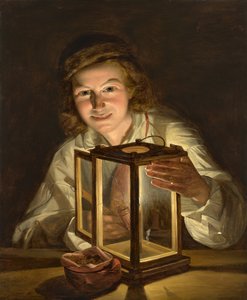
Ferdinand Georg Waldmüller
1793 - 1865 , Austria
Datos clave
- Fecha De Fallecimiento: 23 de agosto de 1865
- Fecha De Nacimiento: 15 de enero de 1793
- Lugar De Nacimiento: Viena, Austria
- Movimiento Artístico: Biedermeier
- Nacionalidad: Austriaco
- Nombre Completo: Ferdinand Georg Waldmüller
- Obras Notables:
- Vendedor de frutas veneciano
- Autorretrato
- Louise Mayer
- Vista de Ischl
- Día de Todos los Santos
- La carta de amor
- Mujeres bañándose
Artículos relacionados
Evolución de los Retratos: El Arte Personalizado como Crónica de la Vida Familiar a Través de las Generaciones
Descubre la evolución del retrato familiar y cómo convertir tus recuerdos en obras de arte atemporales. Pinturas al óleo personalizadas por artistas expertos. ¡Preserva tu legado con ArtsDot!

The Enduring Legacy of Family Portraiture: A Historical & Artistic Exploration
Explore the rich history of family portraiture with ArtsDot. Discover artistic styles, symbolism & collecting insights. Commission a custom oil painting or appraise your existing artwork today!
Ecos de la Ancestralidad: Retratos Familiares a Través de la Historia
Descubra la historia y el simbolismo del retrato familiar a través de los siglos. En , revive tu legado con reproducciones y comisiones personalizadas.
Depicting Kinship: Family Values Across Artistic Movements & Historical Contexts
Explore the rich history of depicting kinship in art! From Dutch Masters to contemporary artists, discover how family values have been represented across movements & time. Expert insights for collectors at ArtsDot.
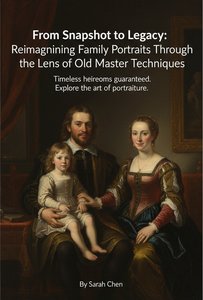
De Instantánea a Legado: Reinterpretando Retratos Familiares a Través de las Técnicas de los Maestros Antiguos
Transforme sus fotos familiares en obras de arte atemporales con ArtsDot.com. Retratos personalizados pintados a mano por artistas expertos, utilizando técnicas ancestrales y materiales de calidad museo. ¡Legado familiar garantizado!