 Ver en contexto
 Enviar
 Compartir
 Detalles

 Descargar
 Similares
 Radiografía
 Presentación de diapositivas
The Schönberg Seen from Hoisernradalpe
 Acrylic On Canvas
- WallArt
- Romanticism
 1833
1833 31.0 x 26.0 cm
 Museo Nacional Thyssen-Bornemisza
 Ver más
Reproducción al óleo hecha a mano
Óleo sobre lienzo pintado a mano en el tamaño y marco de su elección, realizado por encargo por nuestros artistas. ( Comprar impresión Comprar imagen)




P118B $10

P118H $10

P118W $10

P438Z $10

P508JH $12

P508YH $12

P805H $10

P805Z $10

P919BZ $10

P919G $10

P919XJ $10

P959ZH $10

P968JZ $12

W106C $8

W218G $10

W218JH $8

W218Y $10

W307PJ $10

W316G $10

W316PJ $8

W316Y $10

W398PJ $8

W4111J $10

W500HY $15

W500JH $15

W692G $12

W849H $8

W940BG $15

W953PJ $8




Elija entre nuestros tamaños predefinidos que respetan las proporciones originales de la obra.

Puede ingresar sus propias dimensiones para adaptarse a un marco o espacio específico. Si el tamaño seleccionado no coincide con las proporciones de la imagen original, recortaremos la obra o extenderemos la pintura con elementos adicionales pintados a mano. Se le enviará una maqueta digital para su aprobación antes de comenzar la producción.
Tenga en cuenta que la vista previa en pantalla no refleja el recorte o la extensión reales. Solo la maqueta mostrará con precisión la composición final.
Si bien existen tamaños personalizados, recomendamos seleccionar una dimensión de la lista predefinida para preservar las proporciones originales.
Tras realizar el pedido, el equipo de ArtsDot.com enviará un correo electrónico al cliente para solicitar instrucciones y proporcionarle una vista previa del boceto.
Envío a todo el mundo () en 3-4 semanas en lugar de las 5 semanas estándar. (27 agosto). Sin comprometer la calidad.

Envío exprés gratuito a todo el mundo

Lienzo de lino de alta calidad

Seguro de envío total

Garantía de reembolso de impuestos aduaneros

Garantía de fidelidad cromática exacta

Política de devolución de 60 días (solo por defectos)

Garantía de devolución del 100% del dinero

Descuento por cantidad
 La opción de vidrio solo está disponible en tamaños inferiores a 110 cm.

The Schönberg Seen from Hoisernradalpe
Técnica de reproducción
Dimensiones de la reproducción
-


Precio total final
$ 263
Descripción de la obra
The Schönberg Seen from Hoisernradalpe – A Romantic Vista of Alpine Serenity
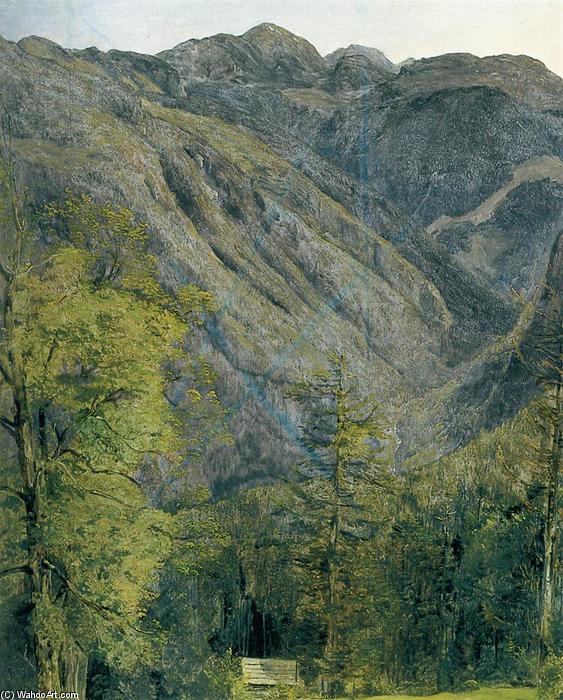
Ferdinand Georg Waldmüller’s “The Schönberg Seen from Hoisernradalpe,” painted in 1833, isn't merely a landscape; it’s a carefully constructed invitation to tranquility. This captivating scene, housed within the Thyssen-Bornemisza Museum in Madrid, transports the viewer to the heart of Austria’s Salzkammergut region – a realm of crystalline lakes, towering mountains, and an enduring sense of unspoiled beauty. More than just a depiction of a picturesque vista, Waldmüller's work embodies the core tenets of Romanticism, capturing not only the visual splendor of the landscape but also the emotional resonance it evokes.
The painting’s genesis lies within the Biedermeier period, a time in Austrian art characterized by a shift away from grand historical narratives and neoclassical formality. Waldmüller, a key figure in this movement, rejected the rigid academic traditions of his day, championing instead a direct engagement with nature – a philosophy reflected profoundly in “The Schönberg Seen.” He sought to capture not just what he saw, but also the feeling of being immersed within that landscape, prioritizing observation and detail over idealized representation. This commitment is evident in the meticulous rendering of every leaf, every ripple on the lake’s surface, and every subtle shift in tone across the mountain range.
A Symphony of Color and Light
Waldmüller's masterful technique lies in his ability to translate light and atmosphere onto canvas. The composition is dominated by cool blues and violets that cascade down the slopes of the Schönberg, a prominent peak rising majestically in the background. These hues are juxtaposed with warmer tones – ochres, browns, and greens – used to depict the foreground elements: the dense forest, the small lake reflecting the sky, and the quaint bench nestled amongst the trees. This careful orchestration of color creates a sense of depth and realism, drawing the viewer into the scene.
The artist’s use of light is equally compelling. Waldmüller employs a subtle, diffused illumination that suggests an early morning or late afternoon – a time when the mountains are bathed in a soft, ethereal glow. The reflections on the lake mirror the sky above, further enhancing the sense of spaciousness and serenity. Notice how he uses highlights to accentuate the texture of the trees and the rugged contours of the mountains, adding a tactile quality to the painting.
Symbolism and Emotional Resonance
Beyond its technical brilliance, “The Schönberg Seen” is rich in symbolic meaning. The lake itself represents purity, tranquility, and the restorative power of nature. The towering mountains symbolize strength, permanence, and the sublime – a concept central to Romantic thought. The bench invites contemplation and offers a space for quiet reflection amidst the grandeur of the landscape.
The painting’s emotional impact is profound. It evokes a sense of peace, solitude, and connection with the natural world. Waldmüller doesn't simply depict a beautiful scene; he captures the feeling of being utterly immersed in it – a feeling that resonates deeply within the viewer long after they have turned away from the canvas. The painting speaks to our innate desire for escape, for respite from the pressures of modern life, and for a reconnection with something larger than ourselves.
A Legacy of Romantic Landscape
Ferdinand Georg Waldmüller’s “The Schönberg Seen from Hoisernradalpe” stands as a testament to the enduring power of Romantic landscape painting. It exemplifies the movement's emphasis on direct observation, emotional resonance, and the celebration of nature’s beauty. His work influenced generations of artists, shaping the course of Austrian art history and establishing a lasting legacy of evocative and deeply personal depictions of the Alpine wilderness. Today, reproductions of this iconic scene continue to inspire and captivate audiences worldwide, offering a glimpse into a world of timeless serenity and breathtaking natural splendor.
Obras relacionadas


Biografía del artista
Vida Temprana y Educación
- Nacimiento: 15 de enero de 1793, en Viena, Austria
- Fallecimiento: 23 de agosto de 1865, en Hinterbrühl, Austria (a los 72 años)
- Nacionalidad: Austríaco
- La vida temprana se vio marcada por dificultades financieras tras la muerte de su padre.
- Asistió a la Academia de Bellas Artes de Viena desde 1807, aunque la asistencia fue irregular.
- Inicialmente se dedicó a la pintura de retratos pero luego desarrolló un fuerte interés en los paisajes y las escenas de género.
Carrera y Desarrollo Artístico
- Su carrera temprana implicó trabajar como diseñador de escenografía y pintor de retratos mientras realizaba giras con su esposa, la cantante Katharina Weidner.
- Desarrolló un estilo distintivo caracterizado por representaciones realistas de la vida cotidiana, particularmente escenas rurales.
- Se convirtió en profesor de la Academia de Bellas Artes de Viena en 1819, pero enfrentó disputas debido a que abogaba por la observación natural y criticaba el sistema de la academia.
- Viajes frecuentes a Italia (a partir de 1825) y a la región de Salzkammergut influyeron significativamente en su estilo de pintura paisajística.
- Conocido por sus descripciones detalladas y refinadas de texturas y luz, a menudo representando la vida cotidiana rural con una perspectiva socialmente crítica.
- Sus obras fueron inicialmente criticadas por los contemporáneos por su realismo pero luego obtuvieron reconocimiento por su mérito artístico.
Obras Principales y Temas
- Vendedor de frutas veneciano (1826): Un ejemplo temprano de su estilo de pintura de género.
- Autorretrato (1828): Demuestra su habilidad en el retrato.
- Louise Mayer (1836) Una notable obra de retrato.
- Vista de Ischl (1838): Muestra sus habilidades para la pintura paisajística.
- En Todos los Santos (1839): Captura una escena de la vida rural.
- La Carta de Amor (1849): Una escena de género que representa la intimidad doméstica.
- Mujeres bañándose (c. 1848–1849): Un ejemplo de su exploración de temas sociales.
- Temas recurrentes incluyen: vida rural, dinámicas familiares, el impacto de la pobreza y la desgracia, y la belleza de la naturaleza.
Significado Histórico y Legado
- Considerado uno de los pintores austriacos más importantes del período Biedermeier.
- Defendió la observación natural y la pintura "a plein air", anticipando movimientos artísticos posteriores como el Impresionismo.
- Sus pinturas de género socialmente críticas desafiaron las representaciones convencionales de la vida rural durante su tiempo.
- Influyó en una generación de artistas con su realismo detallado y su enfoque en los temas cotidianos.
- A pesar de enfrentar críticas y contratiempos a lo largo de su carrera, la obra de Waldmüller obtuvo reconocimiento internacional más tarde en la vida.
- Su legado radica en su contribución al arte austriaco y su enfoque pionero de la pintura paisajística y de género.
Vida Posterior y Reconocimiento
- Se casó con Anna Bayer en 1851.
- Experimentó dificultades financieras a pesar de algunos éxitos.
- Participó en la Exposición Mundial de París (1855) y expuso en el Palacio de Buckingham (1856), obteniendo reconocimiento del emperador Napoleón III y la reina Victoria, respectivamente.
- Fue forzado a retirarse de la Academia de Bellas Artes de Viena en 1857 debido a su continua crítica.
- Recibió una pensión y fue nombrado caballero poco antes de su muerte el 23 de agosto de 1865, en Hinterbrühl.
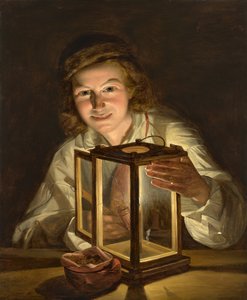
Ferdinand Georg Waldmüller
1793 - 1865 , Austria
Datos clave
- Fecha De Fallecimiento: 23 de agosto de 1865
- Fecha De Nacimiento: 15 de enero de 1793
- Lugar De Nacimiento: Viena, Austria
- Movimiento Artístico: Biedermeier
- Nacionalidad: Austriaco
- Nombre Completo: Ferdinand Georg Waldmüller
- Obras Notables:
- Vendedor de frutas veneciano
- Autorretrato
- Louise Mayer
- Vista de Ischl
- Día de Todos los Santos
- La carta de amor
- Mujeres bañándose
Artículos relacionados

Paisajes Románticos: 10 Obras Maestras que Definieron un Movimiento Artístico
Descubre los 10 paisajes románticos más influyentes de artistas como Caspar David Friedrich y Turner. Explora la belleza, el simbolismo y las técnicas del movimiento romántico. Reproducciones de arte exclusivas en ArtsDot.com.

Evocations of Place: A Historical Journey Through Landscape Art
Explore the rich history of landscape art with ArtsDot. Discover renowned artists, movements like Impressionism & Romanticism, and expert guidance for collecting timeless pieces. Find your perfect serene escape today!

John Constable: Las 25 Obras Maestras del Paisaje Inglés | ArtsDot
Descubre las 25 obras maestras de John Constable, el pintor romántico inglés que capturó la belleza del paisaje. Explora su técnica, historia y significado en ArtsDot.com. Reproducciones de arte de alta calidad para tu hogar.

Evoking Atmosphere & Identity: A Journey Through Landscape Painting's History
Explore the rich history of landscape painting! Discover renowned artists, movements like Romanticism, & techniques such as atmospheric perspective. Find inspiration and quality reproductions at ArtsDot.
Evocations of Place: A Historical Journey Through Landscape Art
Explore the rich history of landscape art with ArtsDot. Discover renowned artists, movements like Impressionism & tonalism, and expert guidance for collecting timeless pieces. Find your perfect serene escape today!