 Ver en contexto
 Enviar
 Compartir
 Detalles

 Descargar
 Similares
 Radiografía
 Presentación de diapositivas
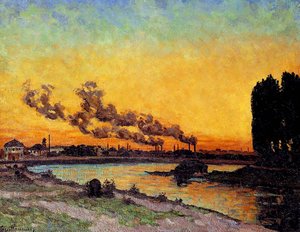
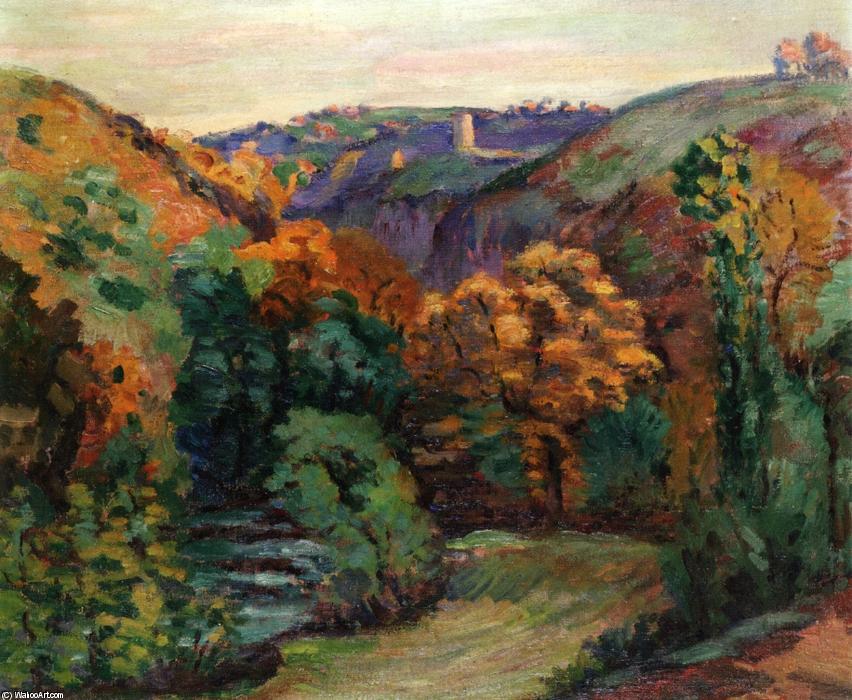
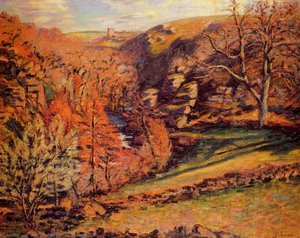
The Ruins of the Chateau at Crozant
 Oil On Canvas
- WallArt
- Impressionism
 1899
1899- 19th Century
 54.0 x 65.0 cm
 Ver más
Giclée / Impresión de arte
Impresiones giclée o en lienzo de calidad de museo con producción rápida y opciones de acabado flexibles. ( Comprar pintura hecha a mano Comprar imagen)




P118B $10

P118H $10

P118W $10

P438Z $10

P508JH $12

P508YH $12

P805H $10

P805Z $10

P919BZ $10

P919G $10

P919XJ $10

P959ZH $10

P968JZ $12

W106C $8

W218G $10

W218JH $8

W218Y $10

W307PJ $10

W316G $10

W316PJ $8

W316Y $10

W398PJ $8

W4111J $10

W500HY $15

W500JH $15

W692G $12

W849H $8

W940BG $15

W953PJ $8




Elija entre nuestros tamaños predefinidos que respetan las proporciones originales de la obra.

Puede introducir sus propias dimensiones para adaptarse a un marco o espacio específico. Si el tamaño seleccionado no coincide con las proporciones de la imagen original, recortaremos la obra de arte o extenderemos la imagen con un borde con efecto espejo o de color sólido. Se enviará una maqueta digital para su aprobación antes de que comience la producción.
Tenga en cuenta que la vista previa en pantalla no refleja el recorte o la extensión real. Solo la maqueta mostrará con precisión la composición final.
Aunque existen tamaños personalizados, recomendamos seleccionar una dimensión de la lista predefinida para preservar las proporciones originales.
Envío a todo el mundo () en 2 semanas en lugar de las 4/5 semanas estándar. (26 agosto)

Envío exprés gratuito a todo el mundo

Lienzo de lino de alta calidad

Seguro de envío total

Garantía de reembolso de impuestos aduaneros

Garantía de fidelidad cromática exacta

Política de devolución de 60 días (solo por defectos)

Garantía de devolución del 100% del dinero

Descuento por cantidad
 La opción de vidrio solo está disponible en tamaños inferiores a 110 cm.

The Ruins of the Chateau at Crozant
Giclée / Impresión de arte
Dimensiones de la reproducción
-


Precio total final
$ 62
Descripción de la pieza
A Golden Twilight in the Creuse Valley
In the late nineteenth century, as the Impressionist movement began to redefine the boundaries of light and perception, Jean Baptiste Armand Guillaumin captured a moment of profound atmospheric beauty in his 1899 masterpiece, The Ruins of the Chateau at Crozant. This evocative oil on canvas invites the viewer into a serene valley where the remnants of history meet the vibrant pulse of nature. The scene is bathed in the warm, amber glow of an orange sky, suggesting that magical hour of twilight when the sun begins its descent, casting long, soft shadows across the landscape. Through his masterful command of color, Guillaumin does more than merely depict a location; he captures the very essence of a fleeting moment, frozen in time through thick, expressive brushstrokes.
The composition is a delicate balance of grandeur and intimacy. While the distant mountains and the skeletal remains of the chateau provide a sense of monumental scale and historical weight, the foreground is populated by scattered trees and two small human figures. These figures serve as vital anchors for the soul, offering a sense of human connection and scale that prevents the vast landscape from feeling desolate. Instead, their presence suggests a quiet contemplation of nature's enduring power. The way the light interacts with the foliage—alternating between deep shadows and sun-drenched highlights—creates a rhythmic movement that guides the eye through the valley, leading the observer toward the crumbling stone architecture that stands as a silent witness to the passage of centuries.
Technique and the Impressionist Spirit
Guillaumin’s technique in this work is a testament to his status as a vital contributor to the Impressionist canon. Eschewing rigid lines for a more fluid, spontaneous application of paint, he utilizes a palette dominated by warm ochres, deep oranges, and earthy greens to evoke the heat and humidity of a summer evening. The brushwork is notably soft and textured, a characteristic that lends the painting an organic energy. This tactile quality allows the light to appear as if it is vibrating upon the canvas, mimicking the way light actually dances across a landscape in motion. For collectors and interior designers alike, this piece offers a sophisticated interplay of texture and tone that can serve as a luminous focal point in any curated space.
Beyond its aesthetic brilliance, The Ruins of the Chateau at Crozant carries a poignant symbolic weight. The juxtaposition of the decaying chateau against the eternal cycle of the natural world speaks to themes of transience and permanence. It is a meditation on the beauty found in decay and the resilience of the earth. For those seeking to adorn their homes with art that inspires deep reflection, this reproduction offers more than just decoration; it provides a window into a romanticized era of French landscape painting, bringing the warmth of a nineteenth-century sunset into the modern interior.
Obras relacionadas

Biografía del artista
Early Life and Career
Jean Baptiste Armand Guillaumin (Moulins, Picardía, Francia 16 de febrero de 1841 – Orly, Isla de Francia, Francia 26 de junio de 1927), fue un pintor y grabador francés de estilo impresionista. Mientras otros maestros de su círculo (como Renoir y Cézanne) abandonaron pronto el impresionismo puro y conformaron estilos más personales, Guillaumin se mantuvo fiel a los rasgos más reconocibles de dicha corriente y es considerado «el impresionista más fiel y longevo». Su nacimiento en Moulins marcó el inicio de una vida marcada por la sensibilidad artística desde temprana edad. Desde niño vivió en París, incluso algunas fuentes citan erróneamente la capital gala como su lugar de origen. Trabajó en la mercería de su tío al tiempo que recibía clases de dibujo. Este interés por el arte lo impulsaría a estudiar en la Académie Suisse en 1861 donde conocería a Paul Cézanne y Camille Pissarro, con quienes mantuvo una larga amistad. Estos tres artistas compartirían un viejo estudio que había ocupado Charles-François Daubigny y contaban con el apoyo del doctor Paul Gachet, quien luego sería amigo de Van Gogh. Guillaumin mostró varios de sus pinturas en el Salon des Refusés en 1863. El joven Guillaumin fue reconocido como un pintor prometedor por los críticos de la época que juzgaron su estilo seguro y su uso expresivo del color. También desarrolló conexiones con Emile Zola y su círculo de amigos, quienes fueron influenciados por el arte de Manet y Courbet.Notable Works and Associations
Una figura destacada en el movimiento impresionista fue la amistad entre Guillaumin y Cézanne cuyo hermano, Theo vendió algunas de sus obras. Este vínculo creativo fue fundamental para el desarrollo artístico de ambos artistas. Además, Guillaumin colaboró estrechamente con otros miembros del grupo impresionista como Gauguin y Signac, quienes compartieron intereses comunes y estilos similares. Su obra fue exhibida en importantes galerías parisinas y adquirió reconocimiento internacional gracias a la promoción de figuras destacadas como Theo van Gogh y Emile Bernard. Entre sus obras más significativas se encuentran "Madame Guillaumin Sentada en un Jardín", una composición llena de luz y color que captura la belleza del paisaje francés, así como "Cottages en un Paisaje", donde Guillaumin demuestra su maestría técnica al representar escenas rurales con precisión y sensibilidad artística. También fue reconocido por sus dibujos y grabados, especialmente aquellos realizados durante su viaje a Italia en 1879 donde estudió las obras de artistas italianos clásicos y modernos.Style and Technique
Guillaumin desarrolló un estilo propio caracterizado por la aplicación libre del color y el uso de pinceladas largas y onduladas que buscaban transmitir la atmósfera y los efectos luminosos del entorno natural. Influenciado por Cézanne y Courbet, Guillaumin adoptó una perspectiva realista pero también expresiva que reflejaba sus emociones y sentimientos personales. Su obra se distingue por una combinación armoniosa entre observación detallada y libertad creativa, lo que le permitió crear imágenes originales y conmovedoras que siguen siendo admiradas hasta nuestros días. Además, Guillaumin experimentó con diferentes materiales y técnicas como el óleo sobre lienzo, el grabado en agua fuerte y el dibujo a lápiz negro, demostrando una amplia gama de habilidades artísticas.Legacy and Remembrance
Armand Guillaumin falleció en Orly, Isla de Francia, Francia 26 de junio de 1927, dejando un legado artístico importante que sigue siendo estudiado y apreciado por artistas y críticos contemporáneos. Su obra fue incluida en importantes museos internacionales como el Musée d’Orsay en París donde se encuentra una extensa colección de sus pinturas y dibujos. Además, Guillaumin fue reconocido como uno de los representantes más fieles del impresionismo puro, manteniendo la esencia de este movimiento artístico hasta el final de su vida. Su estilo único y expresivo continúa inspirando artistas nuevos y contribuyendo a enriquecer la historia del arte francés y mundial.
Ferdinand Guillaumin
1841 - 1927 , Francia
Datos clave
- Artistic Movement Or Style: Impressionismo
- Artists Or Movements Influenced By This Artist: ['Fauvismo']
- Artists Who Influenced This Artist:
- Claude Monet
- Vincent van Gogh
- Paul Cézanne
- Date Of Birth: 16 febrero 1841
- Date Of Death: 26 junio 1927
- Full Name: Jean Baptiste Armand Guillaumin
- Nationality: Francés
- Notable Artworks:
- Paisaje en verano
- El jardín de invierno
- La iglesia
- Place Of Birth: París, Francia
Artículos relacionados

Los 10 Maestros del Paisaje Impresionista: Obras que Cambiaron la Historia del Arte
Descubre los 10 lienzos impresionistas que revolucionaron el arte. Explora la historia de Monet, Van Gogh y Renoir, sus técnicas y colores vibrantes. Encuentra reproducciones de alta calidad para decorar tu hogar en ArtsDot.com

Los 10 Maestros del Paisaje Impresionista: Obras que Cambiaron la Historia del Arte
Descubre los 10 lienzos impresionistas que revolucionaron el arte. Monet, Renoir y más… Explora la historia, técnica y belleza de cada obra maestra. Encuentra reproducciones de alta calidad para tu hogar en ArtsDot.com.

John Constable: Las 25 Obras Maestras del Paisaje Inglés | ArtsDot
Descubre las 25 obras maestras de John Constable, el pintor romántico inglés que capturó la belleza del paisaje. Explora su técnica, historia y significado en ArtsDot.com. Reproducciones de arte de alta calidad para tu hogar.

Evocations of Place: A Historical Journey Through Landscape Art
Explore the rich history of landscape art with ArtsDot. Discover renowned artists, movements like Impressionism & Romanticism, and expert guidance for collecting timeless pieces. Find your perfect serene escape today!

Paisajes Románticos: 10 Obras Maestras que Definieron un Movimiento Artístico
Descubre los 10 paisajes románticos más influyentes de artistas como Caspar David Friedrich y Turner. Explora la belleza, el simbolismo y las técnicas del movimiento romántico. Reproducciones de arte exclusivas en ArtsDot.com.