 Ver en contexto
 Enviar
 Compartir
 Detalles

 Descargar
 Similares
 Radiografía
 Presentación de diapositivas
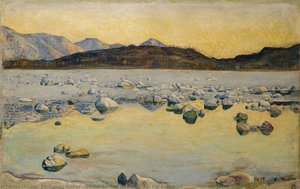
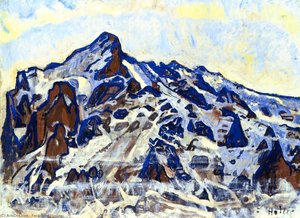
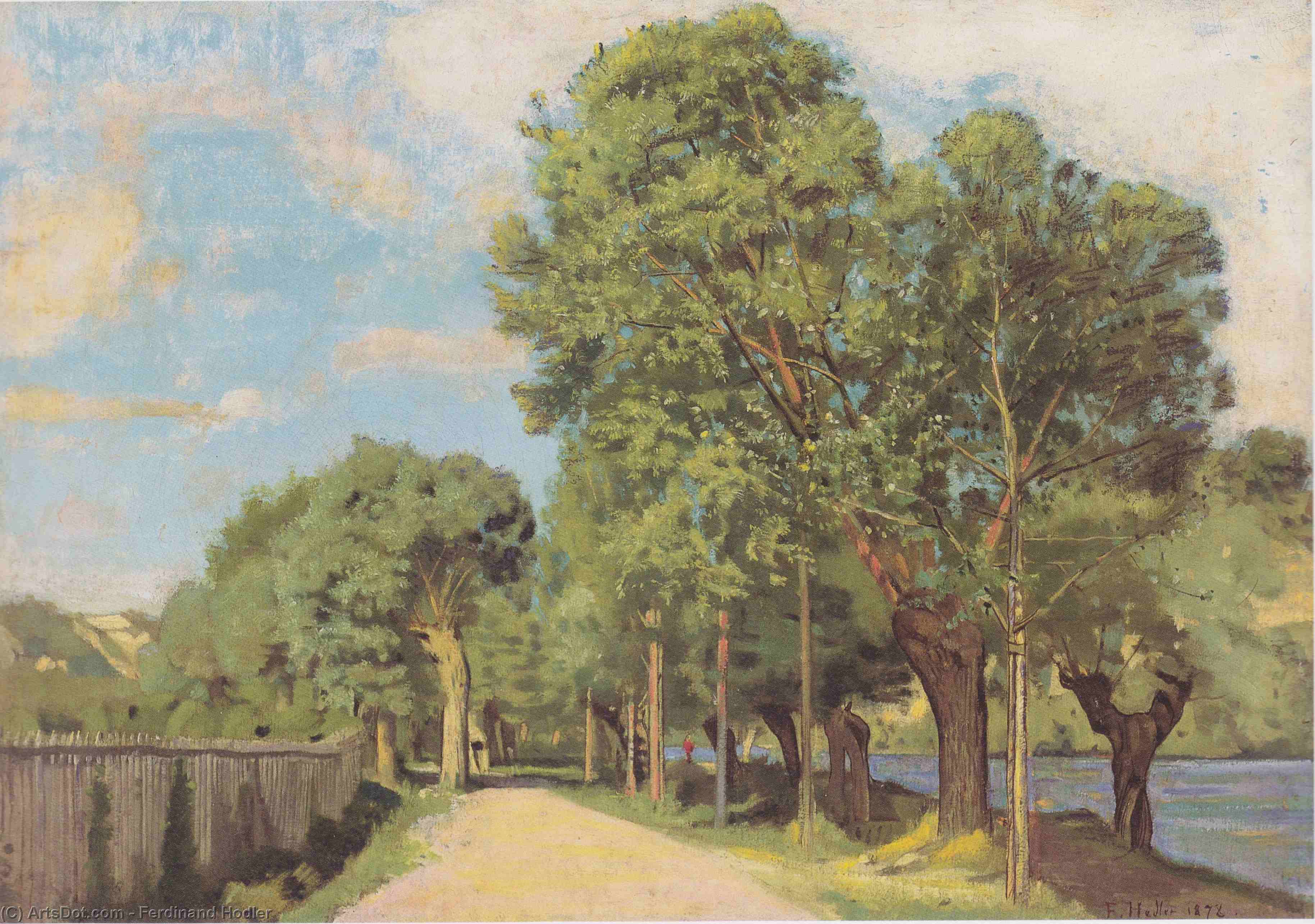
Landscape at the Jonction at Geneva
 Oil On Canvas
- WallArt
- Symbolism
 1878
1878- 19th Century
 50.0 x 70.0 cm
 Ver más
Giclée / Impresión de arte
Impresiones giclée o en lienzo de calidad de museo con producción rápida y opciones de acabado flexibles. ( Comprar pintura hecha a mano Comprar imagen)




P118B $10

P118H $10

P118W $10

P438Z $10

P508JH $12

P508YH $12

P805H $10

P805Z $10

P919BZ $10

P919G $10

P919XJ $10

P959ZH $10

P968JZ $12

W106C $8

W218G $10

W218JH $8

W218Y $10

W307PJ $10

W316G $10

W316PJ $8

W316Y $10

W398PJ $8

W4111J $10

W500HY $15

W500JH $15

W692G $12

W849H $8

W940BG $15

W953PJ $8




Elija entre nuestros tamaños predefinidos que respetan las proporciones originales de la obra.

Puede introducir sus propias dimensiones para adaptarse a un marco o espacio específico. Si el tamaño seleccionado no coincide con las proporciones de la imagen original, recortaremos la obra de arte o extenderemos la imagen con un borde con efecto espejo o de color sólido. Se enviará una maqueta digital para su aprobación antes de que comience la producción.
Tenga en cuenta que la vista previa en pantalla no refleja el recorte o la extensión real. Solo la maqueta mostrará con precisión la composición final.
Aunque existen tamaños personalizados, recomendamos seleccionar una dimensión de la lista predefinida para preservar las proporciones originales.
Envío a todo el mundo () en 2 semanas en lugar de las 4/5 semanas estándar. (7 septiembre)

Envío exprés gratuito a todo el mundo

Lienzo de lino de alta calidad

Seguro de envío total

Garantía de reembolso de impuestos aduaneros

Garantía de fidelidad cromática exacta

Política de devolución de 100 días (solo por defectos)

Garantía de devolución del 100% del dinero

Descuento por cantidad
 La opción de vidrio solo está disponible en tamaños inferiores a 110 cm.

Landscape at the Jonction at Geneva
Giclée / Impresión de arte
Dimensiones de la reproducción
-


Precio total final
$ 62
A Symphony of Light and Serenity
In the quietude of 1878, Ferdinand Hodler captured a moment of profound stillness in his masterpiece, Landscape at the Jonction at Geneva. This evocative oil on canvas invites the viewer to wander through a lush, verdant world where the boundaries between nature and spirit begin to blur. The scene unfolds along a gentle pathway that draws the eye toward a shimmering body of water, framed by an abundance of trees that stand as silent sentinels of the landscape. As sunlight pierces through a soft veil of clouds, it bathes the composition in a warm, ethereal glow, illuminating the figures strolling near the water's edge and imbuing the entire setting with a sense of divine presence. It is a painting that does not merely depict a location, but rather captures an atmosphere of deep, meditative peace.
The technique employed by Hodler in this early work showcases his burgeoning mastery of light and texture. Through delicate brushwork, he manages to render the translucency of the water and the heavy, life-affirming density of the foliage with remarkable precision. The interplay of light and shadow creates a rhythmic movement across the canvas, guiding the observer from the shaded foreground into the luminous heart of the scene. This mastery of oil on canvas allows for a rich depth of color, where the greens of the forest and the blues of the water harmonize to create a visual experience that is both grounded in reality and elevated by artistic intention.
The Language of Symbolism and Parallelism
Beyond its breathtaking aesthetic appeal, Landscape at the Jonction at Geneva serves as an early testament to Hodler’s fascination with symbolism. For the artist, nature was never a mere backdrop; it was a vessel for profound human truths. In this composition, the towering trees act as symbols of life, growth, and the enduring strength of the natural cycle, while the tranquil waters reflect the inner serenity and the flow of time. The presence of people within the landscape—some walking in contemplation, others resting by the shore—suggests a harmonious coexistence between humanity and the environment, a theme that would become central to his later development of "parallelism."
For collectors and interior designers alike, this piece offers more than just visual beauty; it provides an emotional anchor for any space. The painting’s ability to evoke feelings of warmth, stability, and quiet reflection makes it a versatile choice for sophisticated environments. Whether placed in a sunlit gallery or a serene study, the artwork brings with it a sense of historical weight and spiritual depth. Owning a high-quality reproduction of this Hodler classic allows one to invite the timeless tranquility of the Swiss landscape into the modern home, creating a sanctuary of artful repose that inspires the soul every time it is viewed.
Obras relacionadas



Biografía del artista
Primeros años y formación artística
Ferdinand Hodler, pintor suizo, nació el 14 de marzo de 1853 en Berna, Suiza. Sus primeras obras se caracterizaron por retratos, paisajes y pinturas de género en un estilo realista. Sin embargo, posteriormente adoptó una forma personal de simbolismo, que él denominó "paralelismo".Evolución del estilo de Hodler
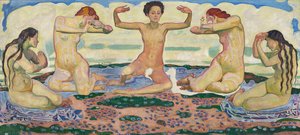
A medida que avanzaba la carrera de Hodler, su obra evolucionó para combinar influencias de varios géneros, incluyendo el simbolismo y el art nouveau. En 1890, completó Noche, una pintura que marcó su transición hacia la imaginería simbolista. Esta pieza, que presenta varias figuras reclinadas, fue inicialmente recibida con controversia pero finalmente obtuvo atención favorable en París.Obras destacadas y colecciones
- El Día (1893), una pintura histórica a gran escala, es un ejemplo notable del trabajo de Hodler. Esta pieza, expuesta en el Kunsthaus Zúrich, demuestra su mezcla única de simbolismo y realismo.
- El Museo Kunsthaus Zúrich, Suiza, cuenta con una impresionante colección de obras de Hodler, incluyendo Verdad II (1897), que puede ser vista en /es/art/show/art-d3b4gt-es/
Legado e influencia
La adopción del simbolismo por parte de Hodler y el desarrollo del "paralelismo" han tenido un impacto duradero en el mundo del arte. Su trabajo puede verse como un precursor del expresionismo, con su énfasis en figuras fuertemente coloreadas y geométricas.- La biografía de Ferdinand Hodler está disponible en ArtsDot, proporcionando una visión profunda de su vida y evolución artística.
- La historia del desnudo en el arte, que ha sido un tema de interés a lo largo de la carrera de Hodler, puede explorarse más a fondo en [https://en.wikipedia.org/wiki/history_of_the_nude_in_art](https://en.wikipedia.org/wiki/history_of_the_nude_in_art).
Fechas clave
- 1853: Nació en Berna, Suiza
- 1890: Completó Noche, marcando su transición hacia la imaginería simbolista
- 1918: Falleció el 19 de mayo
- https://ArtsDot.com/@@/d3xnx9-ferdinand-hodler-the-day para ver El Día (1893)
- https://en.wikipedia.org/wiki/ferdinand_hodler para una biografía completa de Ferdinand Hodler
- https://ArtsDot.com/@/ferdinand-hodler para una extensa colección de sus obras y una biografía detallada.
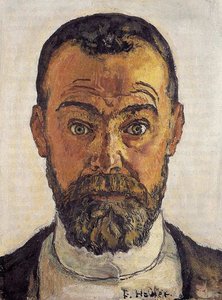
Ferdinand Hodler
1853 - 1918 , Suiza
Datos clave
- Artistas Que Influyeron:
- Alexandre Calame
- Gustave Courbet
- Hans Holbein
- Fecha De Muerte: 19 de mayo de 1918
- Fecha De Nacimiento: 14 de marzo de 1853
- Influencia En Artistas: ['Expresionismo']
- Lugar De Nacimiento: Bern, Suiza
- Movimiento Artístico: Simbolismo, Art Nouveau
- Nacionalidad: Suizo
- Nombre Completo: Ferdinand Hodler
- Obras Notables:
- La noche
- El día
- Verdad II
Artículos relacionados
Fluid Reflections: Exploring Water's Symbolism in Art History – From Myth to Impressionism
Explore the rich symbolism of water in art history – from ancient myths to Impressionism's fleeting beauty. Discover masterpieces & find your perfect serene artwork with ArtsDot.com.

Claude Monet: Las 25 Obras Maestras del Impresionismo para Decorar tu Hogar con Arte
Descubre las 25 obras maestras de Claude Monet, el padre del impresionismo. Explora la historia, técnica y belleza de sus paisajes, nenúfares y 'Impresión, sole levant'. Encuentra reproducciones de arte exclusivas en ArtsDot.com.
10 Obras Maestras que Evocan la Serenidad: Arte para un Hogar Tranquilo
Descubre 10 obras maestras de Monet, Van Gogh y más que evocan la serenidad. Explora el arte impresionista, paisajes zen y lienzos relajantes para un hogar tranquilo. Reproducciones de museo en ArtsDot.com.
Las 10 Obras de Arte Más Tranquilizadoras para un Hogar Sereno |
Descubre las 10 obras de arte más tranquilas de Monet, Van Gogh y Turner. Explora su historia, técnica y el poder del color para crear serenidad en tu hogar. Reproducciones de museo en .
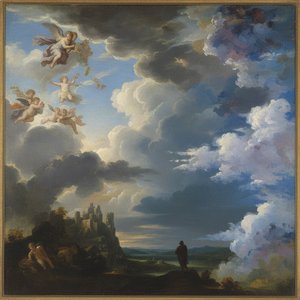
Ephemeral Visions: Clouds as Motif & Metaphor in Western Art History
Explore the captivating history of clouds in Western art! From Romantic masterpieces to Symbolist visions, discover how artists captured atmosphere, emotion & spirituality. A guide for collectors and enthusiasts.