

 Ver en contexto
 Enviar
 Compartir
 Detalles

 Descargar
 Similares
 Radiografía
 Presentación de diapositivas
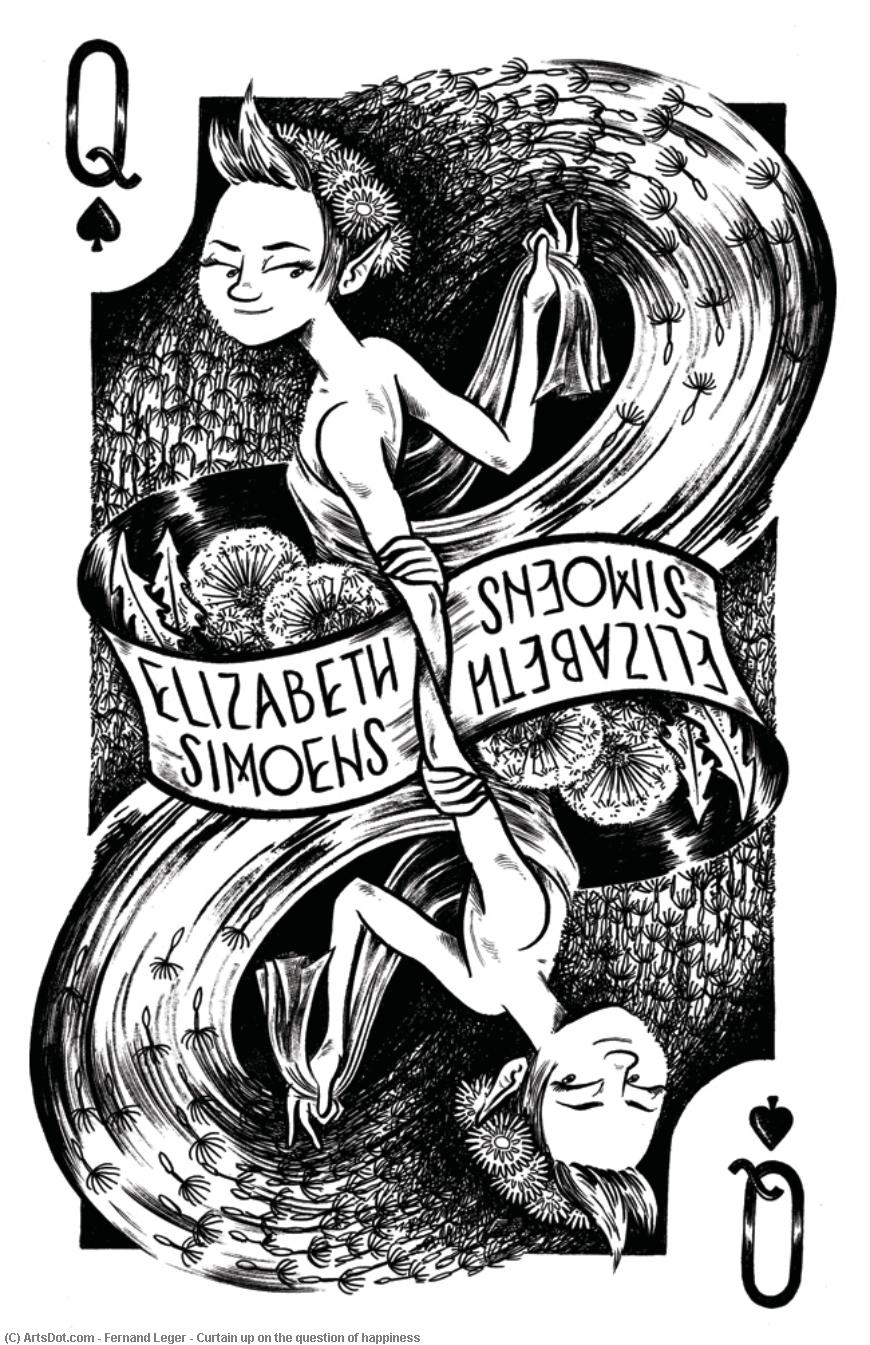
Cortina sobre la cuestión de la felicidad


 Ver más
Adquiera una imagen digital de alta resolución y optimizada, muy superior a la vista previa en línea.
Cada archivo es preparado meticulosamente por nuestros especialistas internos mediante el uso de herramientas avanzadas y un experto retoque manual. Nos aseguramos de que cada imagen posea una claridad excepcional, una precisión cromática impecable y un detalle minucioso.
El archivo final se entrega por correo electrónico en un plazo de 72 horas, optimizado para su uso inmediato en entornos profesionales, editoriales y de impresión. Esta es la misma calidad en la que confían los estudios de diseño, las editoriales y las galerías de primer nivel.
Imagen Digital
Descarga un archivo de alta resolución para exhibición personal, impresión y proyectos creativos. ( Comprar impresión Comprar pintura hecha a mano)
Incluido en cada pedido de imágenes digitales
Entrega digital experta, garantizada.
Al elegir ArtsDot.com, no solo está adquiriendo una imagen; está recibiendo una obra de arte digital mejorada profesionalmente, elaborada con precisión y respaldada por una garantía de satisfacción. Esto es todo lo que incluye su pedido, automáticamente:

Entrega rápida por email
Recibirá su archivo de imagen digital en alta resolución por correo electrónico en un plazo de 72 horas tras realizar su pedido, listo para su uso inmediato.

Archivo digital optimizado por IA
Su obra de arte se optimiza profesionalmente mediante herramientas avanzadas de IA y edición manual, garantizando el máximo detalle, claridad y precisión cromática.

Reenvío gratuito de por vida
¿Has borrado o perdido tu archivo por error? No te preocupes: te lo volveremos a enviar en cualquier momento, sin coste adicional.

Sin gastos de importación, siempre
Disfrute de su obra de arte al instante sin aduanas, aranceles ni gastos de envío; las descargas digitales siempre están libres de impuestos.

Garantía de fidelidad de color
Garantizamos que su imagen digital refleje los colores originales con la mayor fidelidad posible, mediante el uso de herramientas profesionales y gestión del color.

Garantía de satisfacción de 60 días
Si no está satisfecho con su imagen digital, la revisaremos o le reembolsaremos el 100% en un plazo de 60 días, sin preguntas.

100% Garantía de devolución de dinero
¿No está satisfecho? Obtenga un reembolso completo dentro de los 60 días posteriores a la recepción de su archivo digital, sin necesidad de explicaciones.

Descuentos por pedidos grandes
Compra 3 imágenes, ahorra 10% - Compra 5, ahorra 15% - Compra 10+, ahorra 20%. Ideal para proyectos creativos, galerías y agencias.
Descripción del coleccionable
Curtain Up on the Question of Happiness: A Portrait of Existential Reflection
Fernand Léger’s “Curtain up on the question of happiness,” painted in 1955, is more than just a striking visual composition; it's a profound meditation on the human condition—a theme that resonates powerfully with Camus’ own philosophical explorations. This enigmatic drawing, housed within the format of a playing card (specifically, the Queen of Spades), immediately draws the eye with its bold black and white palette and dynamic interplay of geometric forms.
- Composition & Style: Léger employs Cubist principles—simplification of shapes and fragmentation—combined with elements reminiscent of Art Deco’s streamlined elegance. The swirling lines dominating the background create a sense of movement, mirroring the turbulent currents of life itself, while the two faces positioned at opposing ends represent contrasting perspectives on existence.
- Technique: Executed in pen and ink on paper, Léger's meticulous line work contributes to both structural integrity and textural richness. The absence of shading reinforces the artwork’s austerity and focuses attention on the expressive power of form and contour.
- Symbolism & Narrative Depth: The intertwined faces symbolize duality—reason versus emotion, contemplation versus engagement—a core preoccupation in Camus' existential thought. The banner bearing “Elizabeth Simoens” serves as a subtle reminder of artistic dedication and personal connection.
The card format itself adds to the artwork’s theatrical dimension, suggesting a staged encounter with the unknown—a parallel to Camus’ own confrontation with philosophical dilemmas. Léger's deliberate choice of this visual device elevates “Curtain up on the question of happiness” beyond mere aesthetic pleasure; it invites viewers to contemplate questions of meaning and purpose.
- Historical Context: Created during the mid-century period, Léger’s work reflects the anxieties and aspirations of a generation grappling with the aftermath of World War II. The artwork embodies the modernist impulse to capture the essence of the machine age—a fascination with technology and its impact on human experience—yet simultaneously retains an underlying sensitivity to the complexities of human emotion.
- Emotional Impact: “Curtain up on the question of happiness” evokes a feeling of quiet contemplation, punctuated by bursts of energetic movement. The stark contrast between the faces and the swirling background underscores the tension inherent in confronting existential uncertainties—a theme that aligns seamlessly with Camus’ literary legacy.
Ultimately, Léger's drawing compels us to consider what it means to live authentically—to embrace both joy and sorrow, certainty and doubt—and to find solace in connection with others. It stands as a testament to the enduring power of art to provoke thought and inspire reflection.
Obras relacionadas

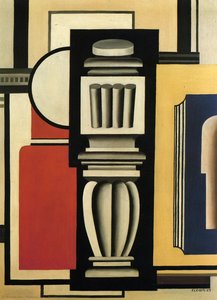
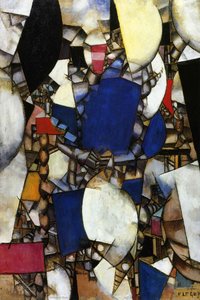
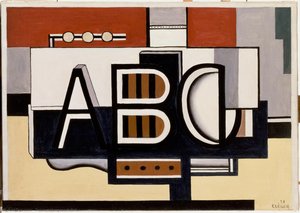
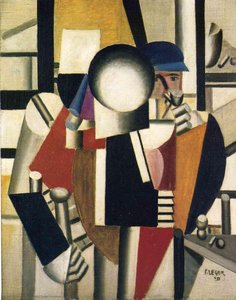
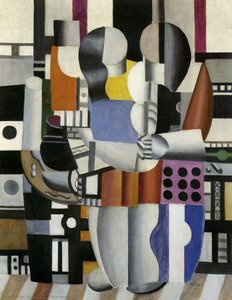
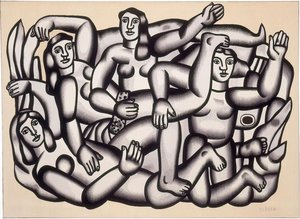
Biografía del artista
vida temprana y formación
fernand léger, un pintor, escultor y cineasta francés, nació el 4 de febrero de 1881 en Argentán, Orne, Baja Normandía. Su padre criaba ganado, y Léger inicialmente se formó como arquitecto de 1897 a 1899. Luego se mudó a París en 1900, ganándose la vida como dibujante arquitectónico.desarrollo artístico
El trabajo temprano de Léger estuvo influenciado por el impresionismo, como se ve en le jardin de ma mère (mi madre's garden) (1905). Después de asistir a la escuela de artes decorativas y la academia Julian, comenzó a trabajar seriamente como pintor a los 25 años. Su estilo evolucionó hacia una forma personal del cubismo, que los críticos denominaron "tubismo" por su énfasis en las formas cilíndricas.cubismo y el grupo puteaux
En 1910, Léger expuso en el salón de otoño junto a jean metzinger y henri le fauconnier. Se unió al grupo puteaux, también conocido como la sección dorada (la sección de oro), junto con otros artistas como francis picabia y marcel duchamp.guerra y su influencia en el trabajo de léger
Las experiencias de Léger en la Primera Guerra Mundial impactaron significativamente su obra. Durante su tiempo en el frente, produjo dibujos de piezas de artillería, aviones y soldados compañeros. Su pintura soldier with a pipe (1916) refleja este período.obra posterior y legado
La obra posterior de Léger, caracterizada por formas mecánicas y elegantes, lo vinculó a la tradición de la pintura figurativa francesa. Sus paisajes animados de 1921 mostraron figuras y animales en formas armoniosas y aerodinámicas.- ver obras de fernand léger en ArtsDot
- más sobre fernand léger en wikipedia
- descubra el musée national fernand léger (francia) con ArtsDot
- la mujer sentada (100 x 81 cm, tubismo)
- elemento de máquina (cubismo)
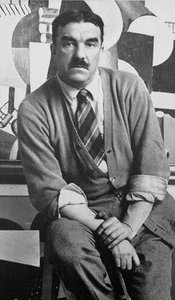
Fernand Léger
1881 - 1955 , Francia
Breves datos
- Artistas Influenciados Por: ['Pop Art']
- Artistas Que Influyeron:
- Cézanne
- Impresionismo
- Fecha De Nacimiento: 4 de febrero de 1881
- Lugar De Nacimiento: Argentan, Francia
- Movimiento Artístico:
- Cubismo
- Tubismo
- Nacionalidad: Francés
- Nombre Completo: Fernand Léger
- Obras Notables:
- La Mujer Sentada
- Elemento de Máquina
- El Gran Desfile
- Paisajes Animados

