 Ver en contexto
 Enviar
 Compartir
 Detalles

 Descargar
 Similares
 Radiografía
 Presentación de diapositivas
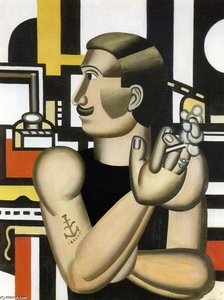
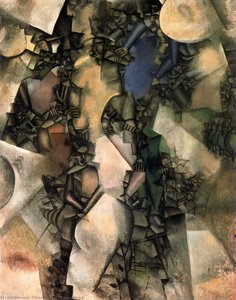
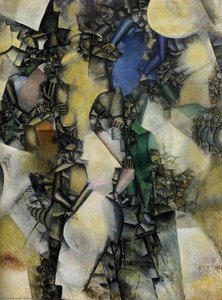
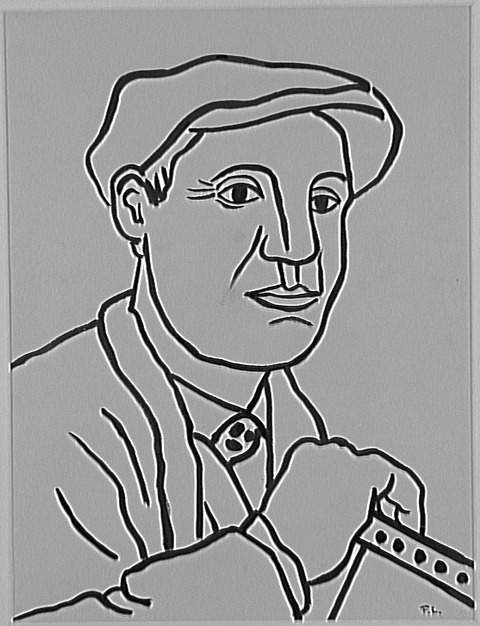
Retrato de hombre con sombrero, Estudio para obreros

 Ver más
Giclée / Impresión de arte
Impresiones giclée o en lienzo de calidad de museo con producción rápida y opciones de acabado flexibles. ( Comprar pintura hecha a mano Comprar imagen)




































Elija entre nuestros tamaños predefinidos que respetan las proporciones originales de la obra.

Puede introducir sus propias dimensiones para adaptarse a un marco o espacio específico. Si el tamaño seleccionado no coincide con las proporciones de la imagen original, recortaremos la obra de arte o extenderemos la imagen con un borde con efecto espejo o de color sólido. Se enviará una maqueta digital para su aprobación antes de que comience la producción.
Tenga en cuenta que la vista previa en pantalla no refleja el recorte o la extensión real. Solo la maqueta mostrará con precisión la composición final.
Aunque existen tamaños personalizados, recomendamos seleccionar una dimensión de la lista predefinida para preservar las proporciones originales.
Envío a todo el mundo () en 2 semanas en lugar de las 4/5 semanas estándar. (23 agosto)

Envío exprés gratuito a todo el mundo

Lienzo de lino de alta calidad

Seguro de envío total

Garantía de reembolso de impuestos aduaneros

Garantía de fidelidad cromática exacta

Política de devolución de 60 días (solo por defectos)

Garantía de devolución del 100% del dinero

Descuento por cantidad
 La opción de vidrio solo está disponible en tamaños inferiores a 110 cm.

Retrato de hombre con sombrero, Estudio para obreros
Giclée / Impresión de arte
Dimensiones de la reproducción
-


Precio total final
$ 62
Descripción de la pieza
A Study in Geometric Simplicity: Léger’s ‘Portrait of a Man with the Hat’
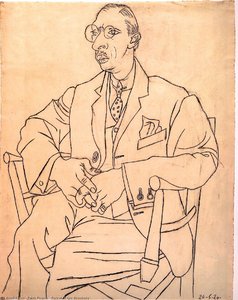
Fernand Léger’s “Portrait of a man with the hat, Study for builders,” created circa 1912, stands as an arresting example of Cubist influence and a deliberate departure from traditional portraiture. More than just a depiction of human form, it embodies Léger's fascination with the burgeoning industrial landscape and his desire to translate its essence into visual language.
- Subject Matter: The artwork presents a solitary male figure—likely intended as preparatory sketch for a larger composition—wearing a hat. His gaze directs slightly off-center, conveying a quiet confidence despite the stark simplicity of the portrayal.
- Style & Technique: Léger’s approach aligns squarely with Cubism's core tenets. Rejecting illusionistic depth and perspective, he employs geometric simplification – circles, ovals, flattened triangles – to represent the subject’s anatomy and attire. The execution is masterful, achieved primarily through bold, continuous lines rendered in ink or charcoal on paper, creating a graphic aesthetic that prioritizes form over realism.
- Color Palette & Composition: Dominated by grayscale hues—ranging from light gray to deep black—the palette underscores the artwork’s focus on line and shape. The central composition emphasizes the man's head and shoulders, positioning him prominently within the frame.
Decoding Geometric Form: Léger’s Tubism
Léger’s distinctive style, dubbed “Tubism” (short for ‘tube’), reflects his profound engagement with the mechanized world around him. He sought to capture not just what he *saw*, but how it *felt*. The geometric forms aren't merely decorative; they represent a conceptual effort to distill the fundamental building blocks of industrial structures—the tubes and cylinders that define factories and machines.
- Geometric Emphasis: Léger’s obsession with tubular shapes isn’t accidental. He believed these forms embodied the dynamism and efficiency of modern technology, mirroring the rhythm of urban life.
- Line as Structure: The prominent use of lines—bold, unbroken contours—becomes paramount in conveying this structural concept. They delineate not only the figure's form but also suggest movement and energy, hinting at the underlying forces shaping the environment.
Symbolism Beyond Representation
Despite its lack of overt symbolism, “Portrait of a man with the hat” communicates an emotional resonance rooted in Léger’s humanist perspective. The calm gaze of the subject speaks to resilience and contemplation amidst the rapid pace of industrial progress. It's a portrait not merely of appearance but of character—a quiet assertion of human presence against the backdrop of technological transformation.
- Reflection on Modernity: Léger’s artwork serves as a poignant commentary on the anxieties and aspirations inherent in the early 20th century. It captures a moment of introspection within a context defined by relentless innovation.
- Emotional Impact: The simplicity of the style—coupled with the deliberate flattening of perspective—creates an immediacy that transcends mere visual representation, inviting viewers to contemplate the human condition within the evolving landscape of modernity.
A Legacy in Line and Shape
"Portrait of a man with the hat, Study for builders" remains a testament to Léger’s pioneering vision—a bold reimagining of portraiture that anticipates the stylistic innovations of Pop Art decades later. Its enduring appeal lies in its masterful execution and its ability to distill complex ideas into deceptively elegant forms.
Obras relacionadas
Biografía del artista
vida temprana y formación
fernand léger, un pintor, escultor y cineasta francés, nació el 4 de febrero de 1881 en Argentán, Orne, Baja Normandía. Su padre criaba ganado, y Léger inicialmente se formó como arquitecto de 1897 a 1899. Luego se mudó a París en 1900, ganándose la vida como dibujante arquitectónico.desarrollo artístico
El trabajo temprano de Léger estuvo influenciado por el impresionismo, como se ve en le jardin de ma mère (mi madre's garden) (1905). Después de asistir a la escuela de artes decorativas y la academia Julian, comenzó a trabajar seriamente como pintor a los 25 años. Su estilo evolucionó hacia una forma personal del cubismo, que los críticos denominaron "tubismo" por su énfasis en las formas cilíndricas.cubismo y el grupo puteaux
En 1910, Léger expuso en el salón de otoño junto a jean metzinger y henri le fauconnier. Se unió al grupo puteaux, también conocido como la sección dorada (la sección de oro), junto con otros artistas como francis picabia y marcel duchamp.guerra y su influencia en el trabajo de léger
Las experiencias de Léger en la Primera Guerra Mundial impactaron significativamente su obra. Durante su tiempo en el frente, produjo dibujos de piezas de artillería, aviones y soldados compañeros. Su pintura soldier with a pipe (1916) refleja este período.obra posterior y legado
La obra posterior de Léger, caracterizada por formas mecánicas y elegantes, lo vinculó a la tradición de la pintura figurativa francesa. Sus paisajes animados de 1921 mostraron figuras y animales en formas armoniosas y aerodinámicas.- ver obras de fernand léger en ArtsDot
- más sobre fernand léger en wikipedia
- descubra el musée national fernand léger (francia) con ArtsDot
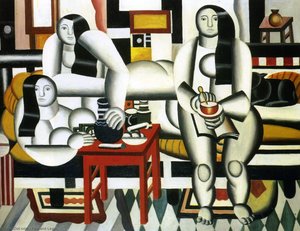
- la mujer sentada (100 x 81 cm, tubismo)
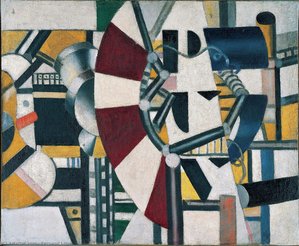
- elemento de máquina (cubismo)
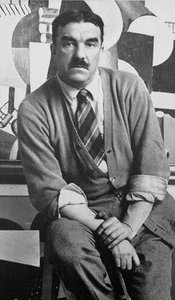
Fernand Léger
1881 - 1955 , Francia
Datos clave
- Artistas Influenciados Por: ['Pop Art']
- Artistas Que Influyeron:
- Cézanne
- Impresionismo
- Fecha De Nacimiento: 4 de febrero de 1881
- Lugar De Nacimiento: Argentan, Francia
- Movimiento Artístico:
- Cubismo
- Tubismo
- Nacionalidad: Francés
- Nombre Completo: Fernand Léger
- Obras Notables:
- La Mujer Sentada
- Elemento de Máquina
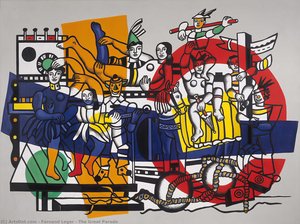
- El Gran Desfile
- Paisajes Animados
Artículos relacionados
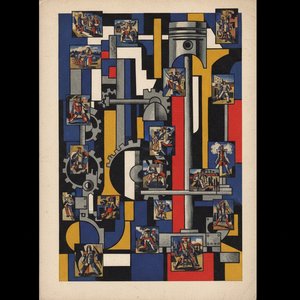
Fernand Léger: Las 25 Obras Maestras del Tubismo y la Vanguardia Francesa | ArtsDot
Descubre las 25 obras maestras de Fernand Léger, pionero del tubismo y la vanguardia francesa. Explora su estética industrial, composiciones geométricas y vibrantes colores. Reproducciones de arte exclusivas en ArtsDot.com.
Arte Industrial: 10 Obras Maestras para un Hogar con Carácter | ArtsDot.com
Descubre 10 obras maestras que capturan la esencia del arte industrial. Explora la historia de Van Gogh, Hopper y Klimt, sus técnicas y paletas. Encuentra lienzos perfectos para un hogar con carácter en ArtsDot.com.

Abstracción Geométrica: 10 Obras Maestras que Transformaron el Arte Moderno | ArtsDot
Descubre las 10 obras maestras de la abstracción geométrica que revolucionaron el arte moderno. Explora a Mondrian, Malevich y Kandinsky en ArtsDot.com. Reproducciones de alta calidad para tu hogar.
The Eloquent Line: Exploring the Artistic Significance of Sketches Across Movements and Media
Explore the profound artistic significance of sketches throughout history. From Renaissance masters to modern innovators like Van Gogh & Guston, discover how these foundational works reveal technique, emotion, and vision. Learn more at ArtsDot.
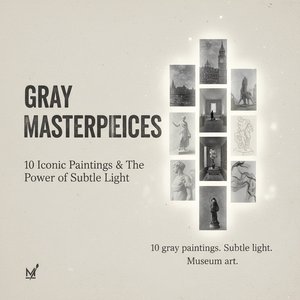
Las 10 Obras Maestras Grises: Luz y Sombra en la Historia del Arte |
Descubre las 10 pinturas grises más icónicas de la historia del arte. Explora Monet, Van Gogh y Renoir en tonos sutiles, el claroscuro y la magia de la luz. Reproducciones de museo en . ¡Encuentra tu obra maestra!