 Ver en contexto
 Enviar
 Compartir
 Detalles

 Descargar
 Similares
 Radiografía
 Presentación de diapositivas
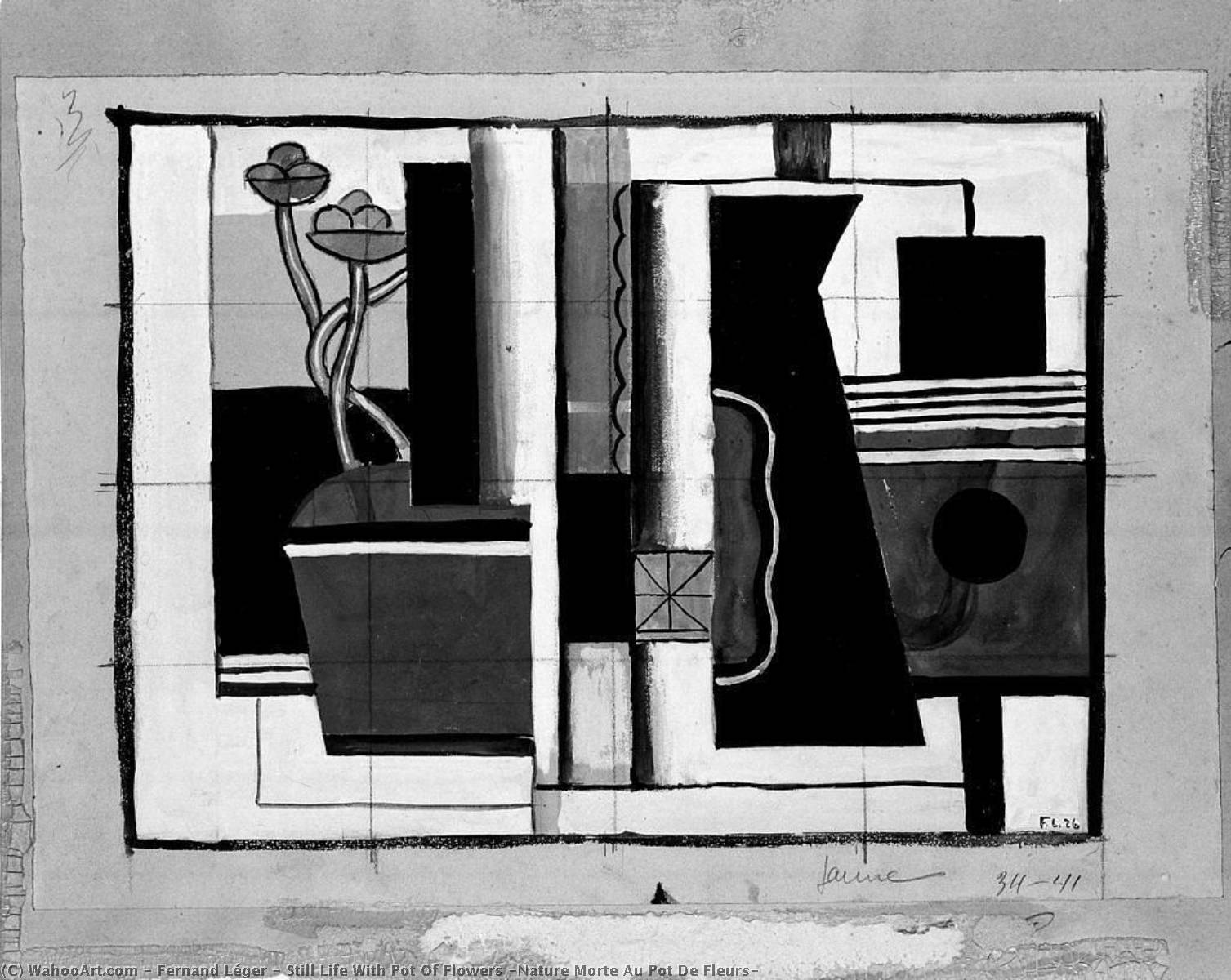
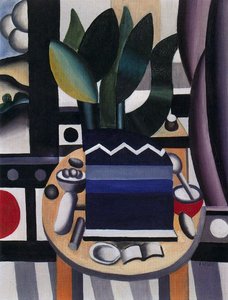
Still Life With Pot Of Flowers (Nature Morte Au Pot De Fleurs)


 Ver más
Reproducción al óleo hecha a mano
Óleo sobre lienzo pintado a mano en el tamaño y marco de su elección, realizado por encargo por nuestros artistas. ( Comprar impresión Comprar imagen)




































Elija entre nuestros tamaños predefinidos que respetan las proporciones originales de la obra.

Puede ingresar sus propias dimensiones para adaptarse a un marco o espacio específico. Si el tamaño seleccionado no coincide con las proporciones de la imagen original, recortaremos la obra o extenderemos la pintura con elementos adicionales pintados a mano. Se le enviará una maqueta digital para su aprobación antes de comenzar la producción.
Tenga en cuenta que la vista previa en pantalla no refleja el recorte o la extensión reales. Solo la maqueta mostrará con precisión la composición final.
Si bien existen tamaños personalizados, recomendamos seleccionar una dimensión de la lista predefinida para preservar las proporciones originales.
Tras realizar el pedido, el equipo de ArtsDot.com enviará un correo electrónico al cliente para solicitar instrucciones y proporcionarle una vista previa del boceto.
Envío a todo el mundo () en 3-4 semanas en lugar de las 5 semanas estándar. (3 septiembre). Sin comprometer la calidad.

Envío exprés gratuito a todo el mundo

Lienzo de lino de alta calidad

Seguro de envío total

Garantía de reembolso de impuestos aduaneros

Garantía de fidelidad cromática exacta

Política de devolución de 60 días (solo por defectos)

Garantía de devolución del 100% del dinero

Descuento por cantidad
 La opción de vidrio solo está disponible en tamaños inferiores a 110 cm.

Still Life With Pot Of Flowers (Nature Morte Au Pot De Fleurs)
Técnica de reproducción
Dimensiones de la reproducción
-


Precio total final
$ 263
A Geometric Echo of Nature’s Essence
In the quiet, monochromatic realm of Fernand Léger’s “Still Life With Pot Of Flowers” (1926), the organic world undergoes a profound metamorphosis. This exquisite sketch is far more than a mere study of flora; it is a masterful distillation of nature into its most fundamental, structural building blocks. Moving away from the delicate, romanticized depictions of flowers common in previous centuries, Léger invites us to witness a moment where the soft petals and verdant leaves are reimagende through the lens of geometric abstraction. The artwork serves as a bridge between the living world and the burgeoning mechanical energy of the early twentieth century, capturing a sense of stillness that is simultaneously dynamic and structurally rigorous.
The composition is a captivating dance of fractured planes and intersecting diagonals. Eschewing the traditional rules of perspective, Léger flattens the picture plane into a series of interconnected rectangular forms, a hallmark technique of the Cubist movement. As the eye wanders across the paper, it encounters overlapping shapes that create a subtle, rhythmic illusion of depth without the need for heavy shading. These diagonal lines act as visual conduits, guiding the viewer through a landscape of squares, triangles, and rectangles that suggest the presence of a pot and blossoms while prioritizing the mathematical beauty of their arrangement. It is an intellectual exercise in seeing—a way to find the hidden architecture within the ephemeral beauty of a bouquet.
The Soul of the Machine Age
To understand this work, one must look toward the historical heartbeat of 1926. This was an era defined by rapid industrialization and a fascination with the "Machine Age." Léger, a visionary who found inspiration in the strength and precision of modern industry, utilized this still life to explore how the natural world could be translated into a new, modern idiom. By reducing the subject to its essential geometric components, he mirrors the way a machine breaks down complex tasks into simple, efficient movements. There is a profound sense of structural integrity here; the flowers do not merely wilt or bloom, they exist as robust, sculptural elements within a carefully engineered visual framework.
The technique employed—pencil and charcoal on paper—adds an intimate, tactile layer to the experience. The monochromatic palette, dominated by sophisticated shades of gray, allows the viewer to focus entirely on form, line, and texture. The artist’s hand is visible in the meticulous linear marks that define edges and suggest the weight of the container and the volume of the leaves. This choice of medium lends the piece a raw, preparatory energy, as if we are witnessing the very moment an idea crystallizes into form. For the collector or interior designer, this sketch offers a sophisticated, understated elegance that brings a sense of intellectual depth and modern poise to any curated space.
A Timeless Vision for Modern Interiors
For those seeking to infuse their surroundings with a sense of historical significance and avant-garde spirit, this reproduction of Léger’s masterpiece offers unparalleled inspiration. The artwork’s ability to balance abstraction with recognizable subject matter makes it a versatile cornerstone for high-end decor. It possesses a quiet authority that complements minimalist, contemporary, or even industrial interior styles, providing a focal point that stimulates conversation and contemplation.
Owning a piece that echoes the revolutionary spirit of Cubism is an opportunity to surround oneself with the very essence of modern art history. “Still Life With Pot Of Flowers” does not merely decorate a room; it transforms it, offering a window into a world where nature and geometry exist in perfect, rhythmic harmony. It is a celebration of the beauty found in simplicity, making it an enduring choice for those who appreciate art that is as intellectually stimulating as it is visually captivating.
Obras relacionadas
Biografía del artista
vida temprana y formación
fernand léger, un pintor, escultor y cineasta francés, nació el 4 de febrero de 1881 en Argentán, Orne, Baja Normandía. Su padre criaba ganado, y Léger inicialmente se formó como arquitecto de 1897 a 1899. Luego se mudó a París en 1900, ganándose la vida como dibujante arquitectónico.desarrollo artístico
El trabajo temprano de Léger estuvo influenciado por el impresionismo, como se ve en le jardin de ma mère (mi madre's garden) (1905). Después de asistir a la escuela de artes decorativas y la academia Julian, comenzó a trabajar seriamente como pintor a los 25 años. Su estilo evolucionó hacia una forma personal del cubismo, que los críticos denominaron "tubismo" por su énfasis en las formas cilíndricas.cubismo y el grupo puteaux
En 1910, Léger expuso en el salón de otoño junto a jean metzinger y henri le fauconnier. Se unió al grupo puteaux, también conocido como la sección dorada (la sección de oro), junto con otros artistas como francis picabia y marcel duchamp.guerra y su influencia en el trabajo de léger
Las experiencias de Léger en la Primera Guerra Mundial impactaron significativamente su obra. Durante su tiempo en el frente, produjo dibujos de piezas de artillería, aviones y soldados compañeros. Su pintura soldier with a pipe (1916) refleja este período.obra posterior y legado
La obra posterior de Léger, caracterizada por formas mecánicas y elegantes, lo vinculó a la tradición de la pintura figurativa francesa. Sus paisajes animados de 1921 mostraron figuras y animales en formas armoniosas y aerodinámicas.- ver obras de fernand léger en ArtsDot
- más sobre fernand léger en wikipedia
- descubra el musée national fernand léger (francia) con ArtsDot
- la mujer sentada (100 x 81 cm, tubismo)
- elemento de máquina (cubismo)
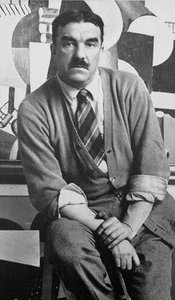
Fernand Léger
1881 - 1955 , Francia
Datos clave
- Artistas Influenciados Por: ['Pop Art']
- Artistas Que Influyeron:
- Cézanne
- Impresionismo
- Fecha De Nacimiento: 4 de febrero de 1881
- Lugar De Nacimiento: Argentan, Francia
- Movimiento Artístico:
- Cubismo
- Tubismo
- Nacionalidad: Francés
- Nombre Completo: Fernand Léger
- Obras Notables:
- La Mujer Sentada
- Elemento de Máquina
- El Gran Desfile
- Paisajes Animados
Artículos relacionados
Fernand Léger: Las 25 Obras Maestras del Tubismo y la Vanguardia Francesa | ArtsDot
Descubre las 25 obras maestras de Fernand Léger, pionero del tubismo y la vanguardia francesa. Explora su estética industrial, composiciones geométricas y vibrantes colores. Reproducciones de arte exclusivas en ArtsDot.com.

Blanco Sublime: Los 10 Cuadros Más Famosos Dominados por la Luz y el Color
Descubre los 10 cuadros blancos más emblemáticos de la historia del arte. Explora Monet, Van Gogh y Klimt, y su magistral uso de la luz y el color. Encuentra reproducciones de alta calidad e inspírate para tu decoración en .

Las 10 Pinturas Más Famosas Dominadas por el Negro | Arte y Decoración
Descubre las 10 pinturas más impactantes dominadas por el negro. Explora obras maestras de Rembrandt, Goya y Rothko, su historia y significado. Encuentra reproducciones de arte exclusivas para transformar tu hogar en .
Arte Industrial: 10 Obras Maestras para un Hogar con Carácter | ArtsDot.com
Descubre 10 obras maestras que capturan la esencia del arte industrial. Explora la historia de Van Gogh, Hopper y Klimt, sus técnicas y paletas. Encuentra lienzos perfectos para un hogar con carácter en ArtsDot.com.

Monochrome Visions: Exploring the Aesthetic & Historical Significance of Black & White Photography
Explore the rich history & artistic power of black and white photography. From early techniques to iconic masters like Ansel Adams, discover why monochrome continues to captivate art lovers today. Expert insights for collectors.