 Ver en contexto
 Enviar
 Compartir
 Detalles

 Descargar
 Similares
 Radiografía
 Presentación de diapositivas
 Estadísticas
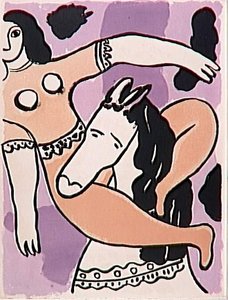
'The album ''Circus'''


 Ver más
Giclée / Impresión de arte
Impresiones giclée o en lienzo de calidad de museo con producción rápida y opciones de acabado flexibles. ( Comprar pintura hecha a mano Cambiar a imagen digital)




P118B $10

P118H $10

P118W $10

P438Z $10

P508JH $12

P508YH $12

P805H $10

P805Z $10

P919BZ $10

P919G $10

P919XJ $10

P959ZH $10

P968JZ $12

W106C $8

W218G $10

W218JH $8

W218Y $10

W307PJ $10

W316G $10

W316PJ $8

W316Y $10

W398PJ $8

W4111J $10

W500HY $15

W500JH $15

W692G $12

W849H $8

W940BG $15

W953PJ $8




Elija entre nuestros tamaños predefinidos que respetan las proporciones originales de la obra.

Puede introducir sus propias dimensiones para adaptarse a un marco o espacio específico. Si el tamaño seleccionado no coincide con las proporciones de la imagen original, recortaremos la obra de arte o extenderemos la imagen con un borde con efecto espejo o de color sólido. Se enviará una maqueta digital para su aprobación antes de que comience la producción.
Tenga en cuenta que la vista previa en pantalla no refleja el recorte o la extensión real. Solo la maqueta mostrará con precisión la composición final.
Aunque existen tamaños personalizados, recomendamos seleccionar una dimensión de la lista predefinida para preservar las proporciones originales.
Envío a todo el mundo () en 2 semanas en lugar de las 4/5 semanas estándar. (8 septiembre)

Envío exprés gratuito a todo el mundo

Lienzo de lino de alta calidad

Seguro de envío total

Garantía de reembolso de impuestos aduaneros

Garantía de fidelidad cromática exacta

Política de devolución de 100 días (solo por defectos)

Garantía de devolución del 100% del dinero

Descuento por cantidad
 La opción de vidrio solo está disponible en tamaños inferiores a 110 cm.

'The album ''Circus'''
Giclée / Impresión de arte
Dimensiones de la reproducción
-


Precio total final
$ 62
A Symphony of Modernity: Rediscovering Fernand Léger’s ‘The Album “Circus”’
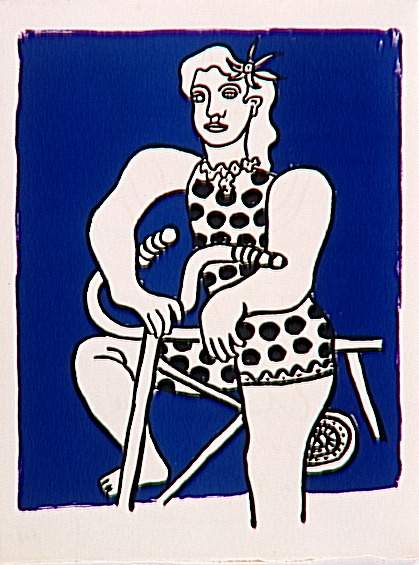
In the vibrant landscape of post-war European art, few works capture the pulse of a changing era as vividly as Fernand Léger’s 1950 masterpiece, ‘The Album “Circus”’. This painting is far more than a mere snapshot of leisure; it is a profound visual manifesto of optimism and technological fascination. As the world emerged from the shadows of conflict, Léger utilized his unique artistic vocabulary to celebrate the burgeoning energy of the mid-century. The composition immediately arrests the viewer with its striking blue background, a choice that provides an expansive, atmospheric depth, allowing the subject to breathe within a space that feels both intimate and infinitely vast. It is a work that invites the eye to wander through a carefully constructed world where the boundaries between human grace and mechanical precision begin to blur.
Léger’s technique in this piece serves as a bridge between the structured discipline of Constructivism and the dreamlike fluidity of Surrealism. Eschewing the fleeting, light-drenched spontaneity of the Impressionists, Léger instead focused on the underlying architecture of his subject. He employed simplified geometric forms—circles, squares, and triangles—to build a sense of rhythm and movement that mimics the relentless pace of urban life. Through the application of thick, impasto strokes, he imbued the canvas with a tactile quality, creating surfaces that possess a sculptural solidity. This textural richness ensures that the painting is not just seen, but felt, offering a physical presence that makes it an extraordinary centerpiece for any sophisticated interior.
Symbolism and the Rhythm of Life
At the heart of the composition lies a woman on a bicycle, a figure that embodies the spirit of modern freedom. The artist meticulously integrates patterns that speak to the repetitive, rhythmic nature of the machine age; notice specifically the polka dot motifs adorning the bicycle seat and the woman’s attire. These dots are not merely decorative but act as symbols of repetition and the mechanical heartbeat of progress. There is a deliberate harmony in how the organic curves of the figure interact with the rigid geometry of the bicycle, suggesting a seamless integration of humanity within a technological landscape. This interplay creates a sense of dynamic equilibrium, where the joy of a simple moment—a ride through the afternoon—is elevated to a grander allegory of societal advancement.
For the discerning collector or interior designer, ‘The Album “Circus”’ offers an unparalleled emotional resonance. It radiates a sense of purposeful activity and a belief in a bright, reconstructed future. The bold color palette and structured composition make it a versatile choice for modern spaces, providing a focal point that is both intellectually stimulating and aesthetically soothing. Whether placed in a minimalist gallery setting or a richly textured living space, this reproduction brings with it the enduring legacy of Léger’s vision: a world where beauty is found in the strength of form, the clarity of line, and the unyielding optimism of the human spirit.
Obras relacionadas
Biografía del artista
vida temprana y formación
fernand léger, un pintor, escultor y cineasta francés, nació el 4 de febrero de 1881 en Argentán, Orne, Baja Normandía. Su padre criaba ganado, y Léger inicialmente se formó como arquitecto de 1897 a 1899. Luego se mudó a París en 1900, ganándose la vida como dibujante arquitectónico.desarrollo artístico
El trabajo temprano de Léger estuvo influenciado por el impresionismo, como se ve en le jardin de ma mère (mi madre's garden) (1905). Después de asistir a la escuela de artes decorativas y la academia Julian, comenzó a trabajar seriamente como pintor a los 25 años. Su estilo evolucionó hacia una forma personal del cubismo, que los críticos denominaron "tubismo" por su énfasis en las formas cilíndricas.cubismo y el grupo puteaux
En 1910, Léger expuso en el salón de otoño junto a jean metzinger y henri le fauconnier. Se unió al grupo puteaux, también conocido como la sección dorada (la sección de oro), junto con otros artistas como francis picabia y marcel duchamp.guerra y su influencia en el trabajo de léger
Las experiencias de Léger en la Primera Guerra Mundial impactaron significativamente su obra. Durante su tiempo en el frente, produjo dibujos de piezas de artillería, aviones y soldados compañeros. Su pintura soldier with a pipe (1916) refleja este período.obra posterior y legado
La obra posterior de Léger, caracterizada por formas mecánicas y elegantes, lo vinculó a la tradición de la pintura figurativa francesa. Sus paisajes animados de 1921 mostraron figuras y animales en formas armoniosas y aerodinámicas.- ver obras de fernand léger en ArtsDot
- más sobre fernand léger en wikipedia
- descubra el musée national fernand léger (francia) con ArtsDot
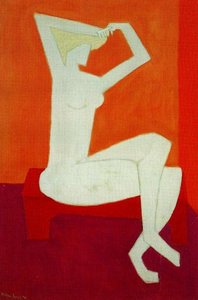
- la mujer sentada (100 x 81 cm, tubismo)
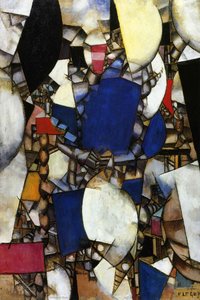
- elemento de máquina (cubismo)
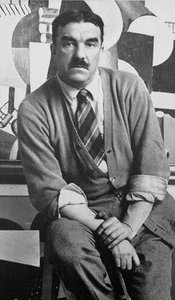
Fernand Léger
1881 - 1955 , Francia
Datos clave
- Artistas Influenciados Por: ['Pop Art']
- Artistas Que Influyeron:
- Cézanne
- Impresionismo
- Fecha De Nacimiento: 4 de febrero de 1881
- Lugar De Nacimiento: Argentan, Francia
- Movimiento Artístico:
- Cubismo
- Tubismo
- Nacionalidad: Francés
- Nombre Completo: Fernand Léger
- Obras Notables:
- La Mujer Sentada
- Elemento de Máquina
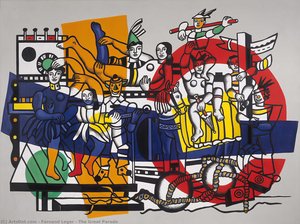
- El Gran Desfile
- Paisajes Animados
Artículos relacionados

Serene Blue Backgrounds: Discover Soulful Art to Transform Your Space with Timeless Elegance
Transform your home with soulful blue art. From serene Monet impressions to modern textured sculptures, discover curated masterpieces designed to inspire calm. Explore expert art consultations and bespoke hand-painted reproductions to create your personal sanctuary.
Las 10 Obras Maestras del Azul Pizarra: Arte, Historia y Decoración
Descubre las 10 pinturas más famosas dominadas por el azul pizarra. Explora la historia, técnica y belleza de Monet, Van Gogh y otros maestros. Encuentra reproducciones de arte exclusivas para decorar tu hogar en .
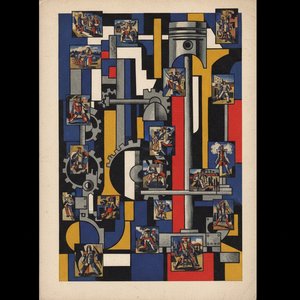
Fernand Léger: Las 25 Obras Maestras del Tubismo y la Vanguardia Francesa | ArtsDot
Descubre las 25 obras maestras de Fernand Léger, pionero del tubismo y la vanguardia francesa. Explora su estética industrial, composiciones geométricas y vibrantes colores. Reproducciones de arte exclusivas en ArtsDot.com.
Arte Industrial: 10 Obras Maestras para un Hogar con Carácter | ArtsDot.com
Descubre 10 obras maestras que capturan la esencia del arte industrial. Explora la historia de Van Gogh, Hopper y Klimt, sus técnicas y paletas. Encuentra lienzos perfectos para un hogar con carácter en ArtsDot.com.
The Allure of Azure: Exploring the Symbolic & Aesthetic Depths of Blue in Art History
Explore the rich history of blue in art! Discover its symbolism, from ancient pigments to modern masterpieces by Kandinsky & Seurat. Uncover the psychological impact and cultural meanings behind this captivating hue.