

 Ver en contexto
 Enviar
 Compartir
 Detalles

 Descargar
 Similares
 Radiografía
 Presentación de diapositivas
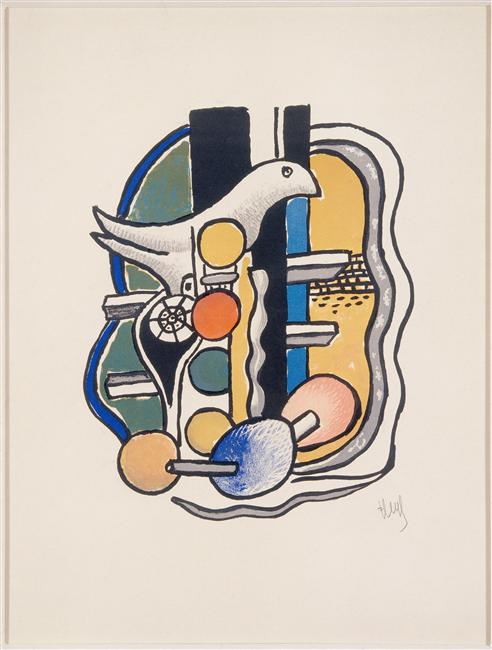
The Dove (Still Life with Bird)
 Acrylic
- WallArt
- Geometric Abstraction
 1951
1951 650.0 x 500.0 cm
 Ver más
Adquiera una imagen digital de alta resolución y optimizada, muy superior a la vista previa en línea.
Cada archivo es preparado meticulosamente por nuestros especialistas internos mediante el uso de herramientas avanzadas y un experto retoque manual. Nos aseguramos de que cada imagen posea una claridad excepcional, una precisión cromática impecable y un detalle minucioso.
El archivo final se entrega por correo electrónico en un plazo de 72 horas, optimizado para su uso inmediato en entornos profesionales, editoriales y de impresión. Esta es la misma calidad en la que confían los estudios de diseño, las editoriales y las galerías de primer nivel.
Imagen Digital
Descarga un archivo de alta resolución para exhibición personal, impresión y proyectos creativos. ( Comprar impresión Comprar pintura hecha a mano)
Incluido en cada pedido de imágenes digitales
Entrega digital experta, garantizada.
Al elegir ArtsDot.com, no solo está adquiriendo una imagen; está recibiendo una obra de arte digital mejorada profesionalmente, elaborada con precisión y respaldada por una garantía de satisfacción. Esto es todo lo que incluye su pedido, automáticamente:

Entrega rápida por email
Recibirá su archivo de imagen digital en alta resolución por correo electrónico en un plazo de 72 horas tras realizar su pedido, listo para su uso inmediato.

Archivo digital optimizado por IA
Su obra de arte se optimiza profesionalmente mediante herramientas avanzadas de IA y edición manual, garantizando el máximo detalle, claridad y precisión cromática.

Reenvío gratuito de por vida
¿Has borrado o perdido tu archivo por error? No te preocupes: te lo volveremos a enviar en cualquier momento, sin coste adicional.

Sin gastos de importación, siempre
Disfrute de su obra de arte al instante sin aduanas, aranceles ni gastos de envío; las descargas digitales siempre están libres de impuestos.

Garantía de fidelidad de color
Garantizamos que su imagen digital refleje los colores originales con la mayor fidelidad posible, mediante el uso de herramientas profesionales y gestión del color.

Garantía de satisfacción de 100 días
Si no está satisfecho con su imagen digital, la revisaremos o le reembolsaremos el 100% en un plazo de 100 días, sin preguntas.

100% Garantía de devolución de dinero
¿No está satisfecho? Obtenga un reembolso completo dentro de los 100 días posteriores a la recepción de su archivo digital, sin necesidad de explicaciones.

Descuentos por pedidos grandes
Compra 3 imágenes, ahorra 10% - Compra 5, ahorra 15% - Compra 10+, ahorra 20%. Ideal para proyectos creativos, galerías y agencias.
A Symphony of Form and Flight: Exploring Fernand Léger’s “The Dove”
Fernand Léger's "The Dove" (Still Life with Bird) transcends the conventional boundaries of still life painting, presenting a striking dialogue between organic nature—represented by the dove and bird feeder—and the geometric precision characteristic of Léger’s signature style. Completed in 1951, this artwork embodies the artist’s unwavering commitment to capturing the transformative influence of industrialization on artistic expression during the mid-20th century. Léger wasn't merely depicting a bird; he was conveying an idea—a profound meditation on coexistence and balance within a rapidly changing world.The Geometric Embrace: Léger’s Distinctive Technique
Léger’s technique is instantly recognizable as a cornerstone of Constructivism, albeit infused with a lyrical sensibility that distinguishes it from its more austere counterparts. He employed a bold palette dominated by earthy tones—ochres, browns, and reds—contrasting sharply with the cool blues and greens of the bird feeder and surrounding foliage. However, these colors serve primarily to anchor the composition within a framework of angular shapes and planes. Léger meticulously constructed his canvases using a layering technique known as “trompe l’œil,” creating an illusion of depth that defies traditional perspective. This masterful manipulation of form isn't about replicating reality; it’s about distilling it into its fundamental geometric components—circles, squares, triangles—a deliberate rejection of Impressionistic representation in favor of conveying energy and dynamism.A Reflection of the Machine Age: Historical Context
“The Dove” emerged during a period marked by significant technological advancements – the burgeoning automobile industry, the rise of urban centers, and the pervasive presence of machinery shaping daily life. Léger’s artistic preoccupation with these developments stemmed from his belief that art should engage actively with the realities of its time. Constructivism, as a movement, sought to liberate art from decorative concerns and elevate it to the status of social commentary. Léger's work aligns perfectly with this ethos, presenting a visual representation of humanity's relationship with technology – not as an adversary to be feared but as a force to be understood and integrated into our aesthetic experience. The inclusion of knives subtly underscores this tension, hinting at both creation and destruction, mirroring the complexities inherent in progress itself.Symbolism Beyond Representation: The Dove’s Significance
The dove itself carries considerable symbolic weight within Christian iconography—representing peace, purity, and divine grace. Léger deliberately eschewed literal depiction, opting instead for a stylized form that emphasizes its essential qualities. This decision isn't merely stylistic; it speaks to Léger’s broader philosophical stance – a conviction that art should transcend superficial appearances to communicate deeper truths about the human condition. The bird feeder serves as a visual metaphor for sustenance and nurturing—a reminder of the importance of preserving natural beauty amidst industrial expansion.Emotional Resonance: An Invitation to Contemplation
Ultimately, “The Dove” invites viewers into a contemplative dialogue about harmony and disruption. Léger’s masterful use of form and color creates an atmosphere of serene stillness punctuated by subtle hints of tension—the knives positioned strategically within the composition. The painting compels us to consider how we reconcile our desire for advancement with our responsibility to safeguard the natural world, mirroring the anxieties and aspirations of a generation grappling with the transformative forces shaping their era. It’s a piece that lingers in the mind long after viewing, prompting reflection on the enduring power of art to communicate complex ideas and evoke profound emotional responses.Obras relacionadas

Biografía del artista
vida temprana y formación
fernand léger, un pintor, escultor y cineasta francés, nació el 4 de febrero de 1881 en Argentán, Orne, Baja Normandía. Su padre criaba ganado, y Léger inicialmente se formó como arquitecto de 1897 a 1899. Luego se mudó a París en 1900, ganándose la vida como dibujante arquitectónico.desarrollo artístico
El trabajo temprano de Léger estuvo influenciado por el impresionismo, como se ve en le jardin de ma mère (mi madre's garden) (1905). Después de asistir a la escuela de artes decorativas y la academia Julian, comenzó a trabajar seriamente como pintor a los 25 años. Su estilo evolucionó hacia una forma personal del cubismo, que los críticos denominaron "tubismo" por su énfasis en las formas cilíndricas.cubismo y el grupo puteaux
En 1910, Léger expuso en el salón de otoño junto a jean metzinger y henri le fauconnier. Se unió al grupo puteaux, también conocido como la sección dorada (la sección de oro), junto con otros artistas como francis picabia y marcel duchamp.guerra y su influencia en el trabajo de léger
Las experiencias de Léger en la Primera Guerra Mundial impactaron significativamente su obra. Durante su tiempo en el frente, produjo dibujos de piezas de artillería, aviones y soldados compañeros. Su pintura soldier with a pipe (1916) refleja este período.obra posterior y legado
La obra posterior de Léger, caracterizada por formas mecánicas y elegantes, lo vinculó a la tradición de la pintura figurativa francesa. Sus paisajes animados de 1921 mostraron figuras y animales en formas armoniosas y aerodinámicas.- ver obras de fernand léger en ArtsDot
- más sobre fernand léger en wikipedia
- descubra el musée national fernand léger (francia) con ArtsDot
- la mujer sentada (100 x 81 cm, tubismo)
- elemento de máquina (cubismo)
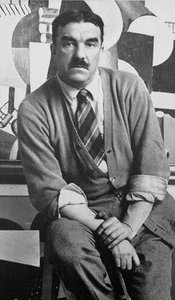
Fernand Léger
1881 - 1955 , Francia
Breves datos
- Artistas Influenciados Por: ['Pop Art']
- Artistas Que Influyeron:
- Cézanne
- Impresionismo
- Fecha De Nacimiento: 4 de febrero de 1881
- Lugar De Nacimiento: Argentan, Francia
- Movimiento Artístico:
- Cubismo
- Tubismo
- Nacionalidad: Francés
- Nombre Completo: Fernand Léger
- Obras Notables:
- La Mujer Sentada
- Elemento de Máquina
- El Gran Desfile
- Paisajes Animados