 Vista previa
 Compartir
 Compartir
 Ver detalles

 Descargar
 Ver similares
 Radiografía
 Presentación de diapositivas
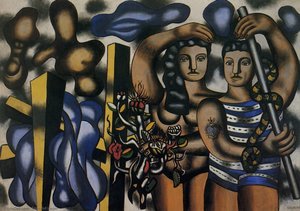
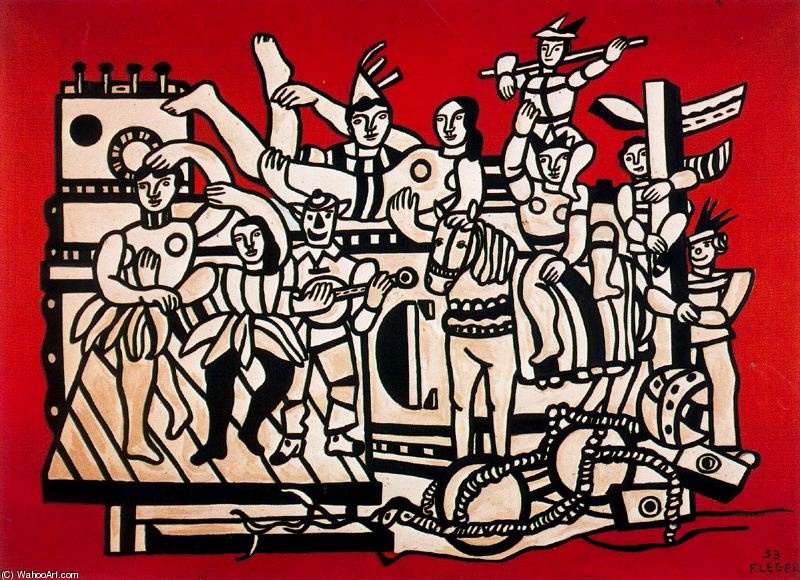
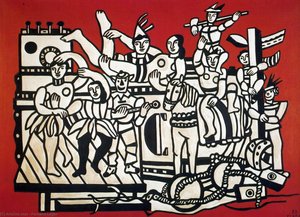
The great stop on a red background

 Leer más
Reproducción al óleo hecha a mano
Óleo sobre lienzo pintado a mano en el tamaño y marco de su elección, realizado por encargo por nuestros artistas. ( Pedir impresión Comprar descarga)




P118B $10

P118H $10

P118W $10

P438Z $10

P508JH $12

P508YH $12

P805H $10

P805Z $10

P919BZ $10

P919G $10

P919XJ $10

P959ZH $10

P968JZ $12

W106C $8

W218G $10

W218JH $8

W218Y $10

W307PJ $10

W316G $10

W316PJ $8

W316Y $10

W398PJ $8

W4111J $10

W500HY $15

W500JH $15

W692G $12

W849H $8

W940BG $15

W953PJ $8




Elija entre nuestros tamaños predefinidos que respetan las proporciones originales de la obra.

Puede ingresar sus propias dimensiones para adaptarse a un marco o espacio específico. Si el tamaño seleccionado no coincide con las proporciones de la imagen original, recortaremos la obra o extenderemos la pintura con elementos adicionales pintados a mano. Se le enviará una maqueta digital para su aprobación antes de comenzar la producción.
Tenga en cuenta que la vista previa en pantalla no refleja el recorte o la extensión reales. Solo la maqueta mostrará con precisión la composición final.
Si bien existen tamaños personalizados, recomendamos seleccionar una dimensión de la lista predefinida para preservar las proporciones originales.
Tras realizar el pedido, el equipo de ArtsDot.com enviará un correo electrónico al cliente para solicitar instrucciones y proporcionarle una vista previa del boceto.
Envío a todo el mundo () en 3-4 semanas en lugar de las 5 semanas estándar. (19 agosto). Sin comprometer la calidad.

Envío exprés gratuito a todo el mundo

Lienzo de lino de alta calidad

Seguro de envío completo

Garantía de reembolso de aranceles aduaneros

Garantía de fidelidad cromática exacta

Política de devolución de 60 días (solo por defectos)

Garantía de devolución del 100% del dinero

Oferta por volumen
 La opción de vidrio solo está disponible en tamaños inferiores a 110 cm.

The great stop on a red background
Técnica de reproducción
Tamaño de la reproducción
-


Precio total
$ 263
Descripción de la obra
A Symphony of Steel and Soul: Exploring Fernand Léger’s “The Great Stop”
Fernand Léger's "The Great Stop," painted in 1931, isn’t merely a depiction of horses and musicians; it’s an audacious declaration that the anxieties and exhilarations of industrial progress could coexist with profound artistic expression. Léger, born Joseph Fernand Henri Léger in Argentan, Normandy, in 1881, arrived in Paris around 1900 armed with architectural ambitions but swiftly seduced by the burgeoning world of painting – a decision that would irrevocably alter his trajectory and solidify his place as one of the most influential artists of the early twentieth century. Unlike many of his peers who sought refuge in pure abstraction, Léger confronted the mechanized landscape head-on, determined to translate its rhythms into a visual language that retained an undeniable connection to tangible reality.- Style and Technique: Léger’s distinctive style – dubbed “Constructivist Surrealism” – fused elements of Cubism with the geometric precision of Constructivism. He employed bold, angular forms reminiscent of machine parts, juxtaposed against organic shapes mirroring natural landscapes. This paradoxical combination created a visual tension that mirrored the anxieties surrounding urbanization and technological advancement during the Weimar Republic.
- Historical Context: The painting emerged from a period marked by profound societal shifts – the rise of industrial capitalism, the burgeoning influence of psychoanalysis, and the escalating tensions leading up to World War II. Léger’s artistic response wasn't simply aesthetic; it reflected a broader preoccupation with capturing the psychological impact of modernity on the human psyche.
Decoding the Symbolism: Horses, Musicians, and Time
The imagery within “The Great Stop” is laden with symbolic significance. The horses themselves represent strength, nobility, and tradition – qualities Léger sought to preserve amidst the encroaching dominance of machinery. Simultaneously, they embody a primal connection to the earth, anchoring the composition in a grounding element. Surrounding them are musicians playing instruments like trumpets and saxophones, symbolizing creativity, communication, and the pursuit of beauty—a deliberate counterpoint to the perceived sterility of industrial society. Notably, a prominent clock dominates the background, serving as a visual reminder of time’s relentless march forward, yet its fractured face suggests an unsettling disruption of conventional notions of chronology.Emotional Resonance: Capturing the Paradox of Progress
Léger's masterful manipulation of color and form contributes significantly to the painting’s emotional impact. Dominant hues of red and yellow convey a sense of urgency and dynamism, mirroring the frenetic pace of industrial life. However, interspersed amongst these energetic tones are patches of muted blues and greens—a subtle acknowledgment of the enduring beauty and tranquility found in nature. The overall effect is one of captivating tension – an invitation to contemplate the complex interplay between tradition and innovation, fear and fascination. Léger succeeded in conveying not just what he *saw*, but also how it *felt*—a feat that continues to resonate with viewers today.A Legacy Enduring Through Reproduction
“The Great Stop” exemplifies Léger’s unwavering commitment to translating the anxieties and aspirations of his era into a uniquely expressive artistic idiom. Its enduring appeal lies in its ability to provoke contemplation about our relationship with technology, culture, and the human spirit. High-quality reproductions offer an opportunity to experience this seminal artwork firsthand—a chance to immerse oneself in Léger’s visionary synthesis of form and emotion and to appreciate the profound beauty embedded within a celebration of both steel and soul.Obras relacionadas
Biografía del artista
vida temprana y formación
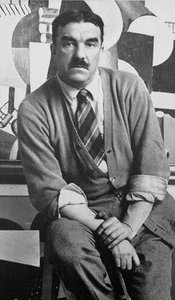
fernand léger, un pintor, escultor y cineasta francés, nació el 4 de febrero de 1881 en Argentán, Orne, Baja Normandía. Su padre criaba ganado, y Léger inicialmente se formó como arquitecto de 1897 a 1899. Luego se mudó a París en 1900, ganándose la vida como dibujante arquitectónico.desarrollo artístico
El trabajo temprano de Léger estuvo influenciado por el impresionismo, como se ve en le jardin de ma mère (mi madre's garden) (1905). Después de asistir a la escuela de artes decorativas y la academia Julian, comenzó a trabajar seriamente como pintor a los 25 años. Su estilo evolucionó hacia una forma personal del cubismo, que los críticos denominaron "tubismo" por su énfasis en las formas cilíndricas.cubismo y el grupo puteaux
En 1910, Léger expuso en el salón de otoño junto a jean metzinger y henri le fauconnier. Se unió al grupo puteaux, también conocido como la sección dorada (la sección de oro), junto con otros artistas como francis picabia y marcel duchamp.guerra y su influencia en el trabajo de léger
Las experiencias de Léger en la Primera Guerra Mundial impactaron significativamente su obra. Durante su tiempo en el frente, produjo dibujos de piezas de artillería, aviones y soldados compañeros. Su pintura soldier with a pipe (1916) refleja este período.obra posterior y legado
La obra posterior de Léger, caracterizada por formas mecánicas y elegantes, lo vinculó a la tradición de la pintura figurativa francesa. Sus paisajes animados de 1921 mostraron figuras y animales en formas armoniosas y aerodinámicas.- ver obras de fernand léger en ArtsDot
- más sobre fernand léger en wikipedia
- descubra el musée national fernand léger (francia) con ArtsDot
- la mujer sentada (100 x 81 cm, tubismo)
- elemento de máquina (cubismo)
Fernand Léger
1881 - 1955 , Francia
Datos clave
- Artistas Influenciados Por: ['Pop Art']
- Artistas Que Influyeron:
- Cézanne
- Impresionismo
- Fecha De Nacimiento: 4 de febrero de 1881
- Lugar De Nacimiento: Argentan, Francia
- Movimiento Artístico:
- Cubismo
- Tubismo
- Nacionalidad: Francés
- Nombre Completo: Fernand Léger
- Obras Notables:
- La Mujer Sentada
- Elemento de Máquina
- El Gran Desfile
- Paisajes Animados
Artículos relacionados
Fernand Léger: Las 25 Obras Maestras del Tubismo y la Vanguardia Francesa | ArtsDot
Descubre las 25 obras maestras de Fernand Léger, pionero del tubismo y la vanguardia francesa. Explora su estética industrial, composiciones geométricas y vibrantes colores. Reproducciones de arte exclusivas en ArtsDot.com.
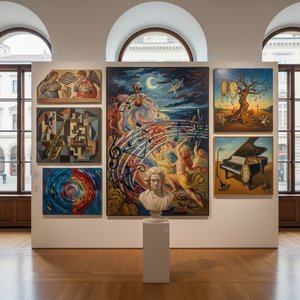
Harmonies on Canvas: Exploring the Visual Representation of Music in Art History
Explore the fascinating history of music's visual representation in art! From ancient symbolism to modern abstraction, discover how artists have captured sound and emotion on canvas. Expert insights & stunning examples.

Abstracción Geométrica: 10 Obras Maestras que Transformaron el Arte Moderno | ArtsDot
Descubre las 10 obras maestras de la abstracción geométrica que revolucionaron el arte moderno. Explora a Mondrian, Malevich y Kandinsky en ArtsDot.com. Reproducciones de alta calidad para tu hogar.
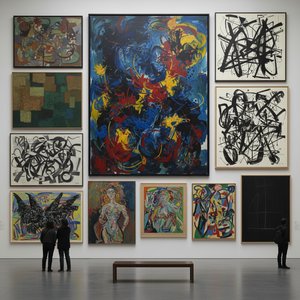
Expresionismo Abstracto: 10 Obras Maestras que Transformaron el Arte |
Descubre las 10 obras maestras del Expresionismo Abstracto: Pollock, Rothko y más. Explora la historia, técnica y significado de estos lienzos icónicos. Reproducciones de arte exclusivas en .

Kandinsky: Las 25 Obras Maestras del Pionero de la Abstracción | ArtsDot
Descubre las 25 obras maestras de Wassily Kandinsky, pionero del arte abstracto. Explora su expresionismo, composiciones únicas y la historia detrás de cada cuadro. Reproducciones de alta calidad para decorar tu hogar con arte moderno en ArtsDot.com.