 Vista previa
 Compartir
 Compartir
 Ver detalles

 Descargar
 Ver similares
 Radiografía
 Presentación de diapositivas
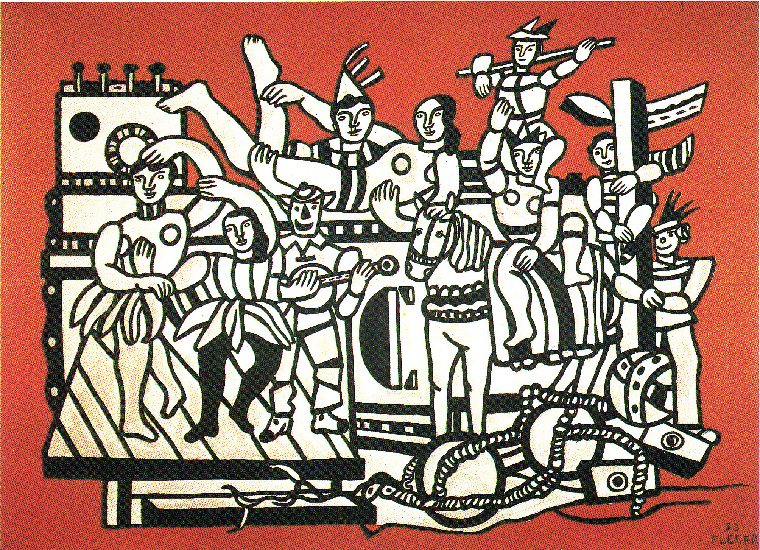
The parade on red


 Leer más
Reproducción al óleo hecha a mano
Óleo sobre lienzo pintado a mano en el tamaño y marco de su elección, realizado por encargo por nuestros artistas. ( Pedir impresión Comprar descarga)




P118B $10

P118H $10

P118W $10

P438Z $10

P508JH $12

P508YH $12

P805H $10

P805Z $10

P919BZ $10

P919G $10

P919XJ $10

P959ZH $10

P968JZ $12

W106C $8

W218G $10

W218JH $8

W218Y $10

W307PJ $10

W316G $10

W316PJ $8

W316Y $10

W398PJ $8

W4111J $10

W500HY $15

W500JH $15

W692G $12

W849H $8

W940BG $15

W953PJ $8




Elija entre nuestros tamaños predefinidos que respetan las proporciones originales de la obra.

Puede ingresar sus propias dimensiones para adaptarse a un marco o espacio específico. Si el tamaño seleccionado no coincide con las proporciones de la imagen original, recortaremos la obra o extenderemos la pintura con elementos adicionales pintados a mano. Se le enviará una maqueta digital para su aprobación antes de comenzar la producción.
Tenga en cuenta que la vista previa en pantalla no refleja el recorte o la extensión reales. Solo la maqueta mostrará con precisión la composición final.
Si bien existen tamaños personalizados, recomendamos seleccionar una dimensión de la lista predefinida para preservar las proporciones originales.
Tras realizar el pedido, el equipo de ArtsDot.com enviará un correo electrónico al cliente para solicitar instrucciones y proporcionarle una vista previa del boceto.
Envío a todo el mundo () en 3-4 semanas en lugar de las 5 semanas estándar. (22 agosto). Sin comprometer la calidad.

Envío exprés gratuito a todo el mundo

Lienzo de lino de alta calidad

Seguro de envío completo

Garantía de reembolso de aranceles aduaneros

Garantía de fidelidad cromática exacta

Política de devolución de 60 días (solo por defectos)

Garantía de devolución del 100% del dinero

Oferta por volumen
 La opción de vidrio solo está disponible en tamaños inferiores a 110 cm.

The parade on red
Técnica de reproducción
Tamaño de la reproducción
-


Precio total
$ 263
Descripción de la obra
A Symphony of Crimson and Motion
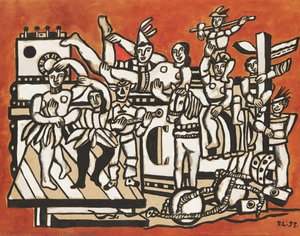
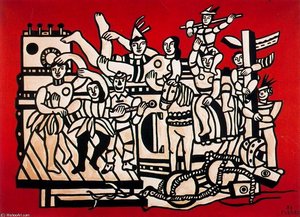
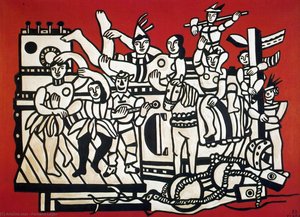
In the vibrant landscape of mid-century modernism, few works capture the pulse of communal energy quite like Fernand Léger’s “The Parade on Red.” Painted in 1953, this masterpiece serves as a breathtaking manifesto of movement, where the boundaries between the human spirit and geometric precision begin to dissolve. As one gazes upon the canvas, they are immediately swept into a festive procession, a sea of figures and horses bathed in a striking, commanding crimson hue. It is not merely a depiction of a parade; it is an orchestrated celebration of life itself, rendered through a lens that finds beauty in the rhythmic repetition of form and the unapologetic boldness of color.
Léger, a visionary who found profound inspiration in the mechanical rhythms of the industrial age, utilizes this scene to explore the tension between abstraction and reality. While the composition is heavily influenced by Constructivism and the structural legacies of Cubism, it avoids the coldness often associated with pure abstraction. Instead, Léger retains recognizable elements—the sturdy silhouettes of horses and the gathered crowd—to anchor the viewer within a tangible, albeit reimagined, world. This deliberate juxtaposition creates a sense of structured chaos, where every shape feels like a vital component in a larger, living machine.
The Alchemy of Texture and Light
To truly appreciate the depth of “The Parade on Red,” one must look closer at the artist's masterful command of medium. Léger employed a technique characterized by thick, textured brushstrokes that lend a sculptural weight to the figures. By utilizing encaustic paint—a method involving the layering of pigment with heated wax—he achieved a surface that possesses an almost ethereal luminosity. This technique allows light to interact with the painting in a dynamic way, creating subtle shadows and shimmering highlights that mimic the flickering energy of a sunlit festival.
< p>For the discerning collector or interior designer, this tactile quality offers an unparalleled sensory experience. The interplay of light across the wax-infused pigments ensures that the artwork feels alive, changing its character as the ambient lighting of a room shifts throughout the day. It is a piece that does not merely hang on a wall; it commands the atmosphere, injecting a sense of structural integrity and warmth into any sophisticated space.A Legacy of Modernity and Resilience
The historical resonance of this work is deeply intertwined with the era of its creation. Emerging from the shadow of World War II, Léger’s work in the early 1950s reflected a broader societal drive toward reconstruction and the celebration of a new, industrial Europe. His art was a tool for communication, seeking to translate the complexities of a rebuilding world into a visual language that was both accessible and revolutionary. In “The Parade on Red,” we see this optimism distilled into pure form; the parade becomes a metaphor for progress, a collective movement forward through a landscape of bold, geometric certainty.
Owning a high-quality reproduction of this work allows one to bring this historical vitality into the modern home. It offers more than just decoration; it provides an emotional anchor—a reminder of the strength found in unity and the enduring beauty of the machine age. Whether placed in a minimalist gallery setting or as a bold focal point in a contemporary living space, Léger’s vision continues to inspire awe, inviting all who behold it to find rhythm, color, and joy in the structured dance of existence.
Obras relacionadas

Biografía del artista
vida temprana y formación
fernand léger, un pintor, escultor y cineasta francés, nació el 4 de febrero de 1881 en Argentán, Orne, Baja Normandía. Su padre criaba ganado, y Léger inicialmente se formó como arquitecto de 1897 a 1899. Luego se mudó a París en 1900, ganándose la vida como dibujante arquitectónico.desarrollo artístico
El trabajo temprano de Léger estuvo influenciado por el impresionismo, como se ve en le jardin de ma mère (mi madre's garden) (1905). Después de asistir a la escuela de artes decorativas y la academia Julian, comenzó a trabajar seriamente como pintor a los 25 años. Su estilo evolucionó hacia una forma personal del cubismo, que los críticos denominaron "tubismo" por su énfasis en las formas cilíndricas.cubismo y el grupo puteaux
En 1910, Léger expuso en el salón de otoño junto a jean metzinger y henri le fauconnier. Se unió al grupo puteaux, también conocido como la sección dorada (la sección de oro), junto con otros artistas como francis picabia y marcel duchamp.guerra y su influencia en el trabajo de léger
Las experiencias de Léger en la Primera Guerra Mundial impactaron significativamente su obra. Durante su tiempo en el frente, produjo dibujos de piezas de artillería, aviones y soldados compañeros. Su pintura soldier with a pipe (1916) refleja este período.obra posterior y legado
La obra posterior de Léger, caracterizada por formas mecánicas y elegantes, lo vinculó a la tradición de la pintura figurativa francesa. Sus paisajes animados de 1921 mostraron figuras y animales en formas armoniosas y aerodinámicas.- ver obras de fernand léger en ArtsDot
- más sobre fernand léger en wikipedia
- descubra el musée national fernand léger (francia) con ArtsDot
- la mujer sentada (100 x 81 cm, tubismo)
- elemento de máquina (cubismo)
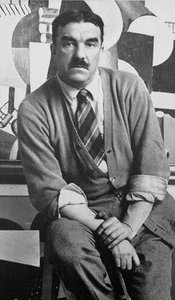
Fernand Léger
1881 - 1955 , Francia
Datos clave
- Artistas Influenciados Por: ['Pop Art']
- Artistas Que Influyeron:
- Cézanne
- Impresionismo
- Fecha De Nacimiento: 4 de febrero de 1881
- Lugar De Nacimiento: Argentan, Francia
- Movimiento Artístico:
- Cubismo
- Tubismo
- Nacionalidad: Francés
- Nombre Completo: Fernand Léger
- Obras Notables:
- La Mujer Sentada
- Elemento de Máquina
- El Gran Desfile
- Paisajes Animados
Artículos relacionados
Fernand Léger: Las 25 Obras Maestras del Tubismo y la Vanguardia Francesa | ArtsDot
Descubre las 25 obras maestras de Fernand Léger, pionero del tubismo y la vanguardia francesa. Explora su estética industrial, composiciones geométricas y vibrantes colores. Reproducciones de arte exclusivas en ArtsDot.com.

Abstracción Geométrica: 10 Obras Maestras que Transformaron el Arte Moderno | ArtsDot
Descubre las 10 obras maestras de la abstracción geométrica que revolucionaron el arte moderno. Explora a Mondrian, Malevich y Kandinsky en ArtsDot.com. Reproducciones de alta calidad para tu hogar.

Kandinsky: Las 25 Obras Maestras del Pionero de la Abstracción | ArtsDot
Descubre las 25 obras maestras de Wassily Kandinsky, pionero del arte abstracto. Explora su expresionismo, composiciones únicas y la historia detrás de cada cuadro. Reproducciones de alta calidad para decorar tu hogar con arte moderno en ArtsDot.com.
Beyond Form & Color: Geometric Abstraction's Evolution in 20th/21st Century Art
Explore the evolution of geometric abstraction from Cubism to contemporary art. Discover key artists like Malevich & Mondrian, investment insights, and expert collecting advice at ArtsDot.
Expresionismo Abstracto: 10 Obras Maestras que Transformaron el Arte |
Descubre las 10 obras maestras del Expresionismo Abstracto: Pollock, Rothko y más. Explora la historia, técnica y significado de estos lienzos icónicos. Reproducciones de arte exclusivas en .