

 Vista previa
 Compartir
 Compartir
 Ver detalles

 Descargar
 Ver similares
 Radiografía
 Presentación de diapositivas
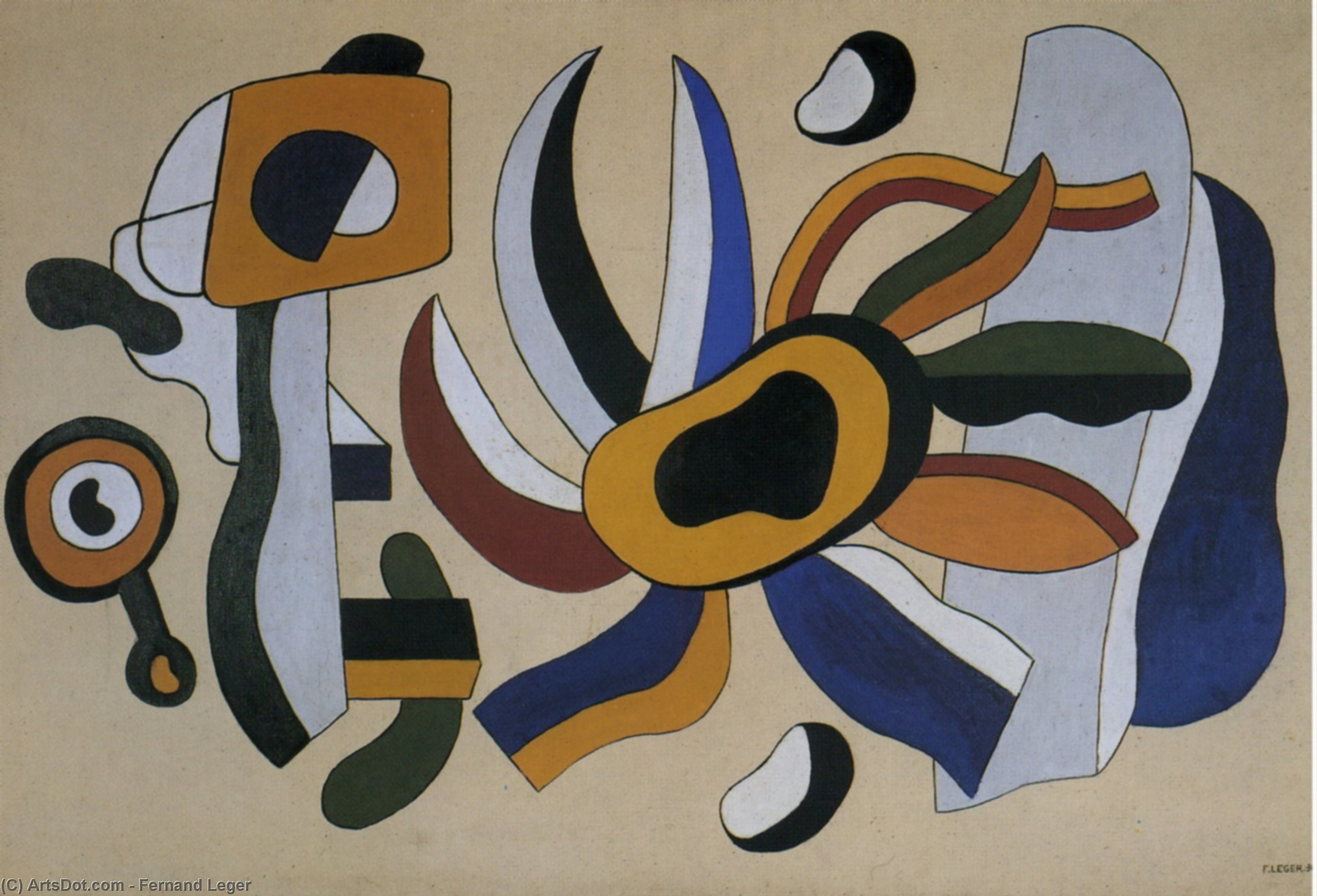
The polychrome Fleur


 Leer más
Adquiera una imagen digital de alta resolución y optimizada, muy superior a la vista previa en línea.
Cada archivo es preparado meticulosamente por nuestros especialistas internos mediante el uso de herramientas avanzadas y un experto retoque manual. Nos aseguramos de que cada imagen posea una claridad excepcional, una precisión cromática impecable y un detalle minucioso.
El archivo final se entrega por correo electrónico en un plazo de 72 horas, optimizado para su uso inmediato en entornos profesionales, editoriales y de impresión. Esta es la misma calidad en la que confían los estudios de diseño, las editoriales y las galerías de primer nivel.
Imagen Digital
Descarga un archivo de alta resolución para exhibición personal, impresión y proyectos creativos. ( Pedir impresión Encargar reproducción pintada a mano)
Incluido en cada compra de imágenes digitales
Entrega digital experta, garantizada.
Al elegir ArtsDot.com, no solo está adquiriendo una imagen; está recibiendo una obra de arte digital mejorada profesionalmente, elaborada con precisión y respaldada por una garantía de satisfacción. Esto es todo lo que incluye su pedido, automáticamente:

Entrega rápida por email
Recibirá su archivo de imagen digital en alta resolución por correo electrónico en un plazo de 72 horas tras realizar su pedido, listo para su uso inmediato.

Archivo digital optimizado por IA
Su obra de arte se optimiza profesionalmente mediante herramientas avanzadas de IA y edición manual, garantizando el máximo detalle, claridad y precisión cromática.

Reenvío gratuito de por vida
¿Has borrado o perdido tu archivo por error? No te preocupes: te lo volveremos a enviar en cualquier momento, sin coste adicional.

Sin gastos de importación, siempre
Disfrute de su obra de arte al instante sin aduanas, aranceles ni gastos de envío; las descargas digitales siempre están libres de impuestos.

Garantía de precisión de color
Garantizamos que su imagen digital refleje los colores originales con la mayor fidelidad posible, mediante el uso de herramientas profesionales y gestión del color.

Garantía de satisfacción de 60 días
Si no está satisfecho con su imagen digital, la revisaremos o le reembolsaremos el 100% en un plazo de 60 días, sin preguntas.

100% Garantía de devolución de dinero
¿No está satisfecho? Obtenga un reembolso completo dentro de los 60 días posteriores a la recepción de su archivo digital, sin necesidad de explicaciones.

Descuentos por volumen
Compra 3 imágenes, ahorra 10% - Compra 5, ahorra 15% - Compra 10+, ahorra 20%. Ideal para proyectos creativos, galerías y agencias.
Descripción del coleccionable
A Symphony of Color and Form: The Vibrancy of Léger’s Vision
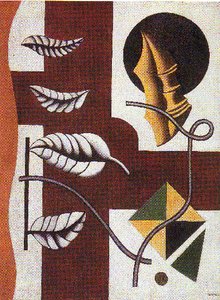
In the realm of modern abstraction, few works capture the rhythmic pulse of the twentieth century as evocatively as Fernand Léger's "The Polychrome Fleur." Painted in 1936, this masterpiece serves as a breathtaking cornerstone of the Orphism movement, a period where art sought to transcend mere representation through the pure, emotive power of color. To gaze upon this canvas is to enter a world where the boundaries between organic life and industrial dynamism dissolve into a singular, harmonious dance. The composition does not merely sit static upon the surface; rather, it unfolds with an energetic grace, inviting the viewer into a sensory experience that feels both deeply primal and strikingly modern.
The artwork is a masterful orchestration of bold, intersecting curvilinear shapes. Dominating the visual field are primary strikes of yellow, blue, and red—colors that vibrate against one another to create a sense of perpetual motion. Within this kaleidoscopic arrangement, Léger weaves unexpected motifs: a bright yellow bird, a sleek blue fish, and a striking red flower emerge from the geometric complexity. This interplay suggests an organic unfolding, as if the very essence of nature were being reassembled through a mechanical, yet poetic, lens. The inclusion of a mysterious, eye-like motif on the left side adds a layer of profound psychological depth, prompting us to contemplate not just what we see, but the very nature of perception and consciousness itself.
Technique and the Spirit of the Machine Age
Léger’s approach to "The Polychrome Fleur" is as innovative as the era it represents. Eschewing traditional brushwork for a more structural method, he employed a sophisticated collage-like technique, assembling fragments of painted canvas to construct an illusion of depth and tactile movement. This method was a brilliant reflection of the burgeoning industrial landscape of the 1930s; just as factories assembled complex machines from individual parts, Léger assembled his visual universe from distinct, rhythmic components. This "tubism" and structural approach allowed him to celebrate the beauty of the machine age—its precision, its strength, and its relentless energy—without losing the soulful connection to the natural world.
For the discerning collector or interior designer, this piece offers an unparalleled opportunity to introduce a sense of structured vitality into a space. The painting’s ability to balance heavy, geometric forms with light, airy colors makes it a versatile centerpiece. It possesses the rare capability to anchor a room with its bold presence while simultaneously uplifting the atmosphere with its bright, optimistic palette. Whether placed in a contemporary gallery setting or as a focal point in a sophisticated residential lounge, "The Polychrome Fleur" acts as a window into a period of immense cultural transformation.
A Legacy of Modernity and Emotion
To understand this work is to understand the journey of Fernand Léger himself. Born amidst the pastoral landscapes of Normandy, his early life was rooted in the rhythms of agriculture, yet his heart was captured by the metallic pulse of Paris. This tension between the rural past and the industrial future is precisely what gives "The Polychrome Fleur" its enduring emotional resonance. It is a work that reconciles the two: it uses the language of abstraction to honor the beauty of life's most fundamental forms.
Owning a high-quality reproduction of this masterpiece is more than an aesthetic choice; it is an embrace of art history’s most transformative era. The painting remains a testament to Léger’s belief that art should be as dynamic and multifaceted as modern life itself. It continues to inspire awe, challenging us to find the beauty in the intersection of the organic and the engineered, and reminding us that even in a world of complex machinery, there is always room for the blooming splendor of a polychrome flower.
Obras relacionadas
Biografía del artista
vida temprana y formación
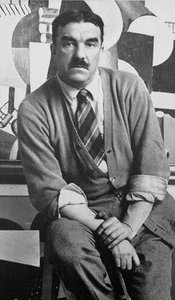
fernand léger, un pintor, escultor y cineasta francés, nació el 4 de febrero de 1881 en Argentán, Orne, Baja Normandía. Su padre criaba ganado, y Léger inicialmente se formó como arquitecto de 1897 a 1899. Luego se mudó a París en 1900, ganándose la vida como dibujante arquitectónico.desarrollo artístico
El trabajo temprano de Léger estuvo influenciado por el impresionismo, como se ve en le jardin de ma mère (mi madre's garden) (1905). Después de asistir a la escuela de artes decorativas y la academia Julian, comenzó a trabajar seriamente como pintor a los 25 años. Su estilo evolucionó hacia una forma personal del cubismo, que los críticos denominaron "tubismo" por su énfasis en las formas cilíndricas.cubismo y el grupo puteaux
En 1910, Léger expuso en el salón de otoño junto a jean metzinger y henri le fauconnier. Se unió al grupo puteaux, también conocido como la sección dorada (la sección de oro), junto con otros artistas como francis picabia y marcel duchamp.guerra y su influencia en el trabajo de léger
Las experiencias de Léger en la Primera Guerra Mundial impactaron significativamente su obra. Durante su tiempo en el frente, produjo dibujos de piezas de artillería, aviones y soldados compañeros. Su pintura soldier with a pipe (1916) refleja este período.obra posterior y legado
La obra posterior de Léger, caracterizada por formas mecánicas y elegantes, lo vinculó a la tradición de la pintura figurativa francesa. Sus paisajes animados de 1921 mostraron figuras y animales en formas armoniosas y aerodinámicas.- ver obras de fernand léger en ArtsDot
- más sobre fernand léger en wikipedia
- descubra el musée national fernand léger (francia) con ArtsDot
- la mujer sentada (100 x 81 cm, tubismo)
- elemento de máquina (cubismo)
Fernand Léger
1881 - 1955 , Francia
Datos clave
- Artistas Influenciados Por: ['Pop Art']
- Artistas Que Influyeron:
- Cézanne
- Impresionismo
- Fecha De Nacimiento: 4 de febrero de 1881
- Lugar De Nacimiento: Argentan, Francia
- Movimiento Artístico:
- Cubismo
- Tubismo
- Nacionalidad: Francés
- Nombre Completo: Fernand Léger
- Obras Notables:
- La Mujer Sentada
- Elemento de Máquina
- El Gran Desfile
- Paisajes Animados

