 Vista previa
 Compartir
 Compartir
 Ver detalles

 Descargar
 Ver similares
 Radiografía
 Presentación de diapositivas
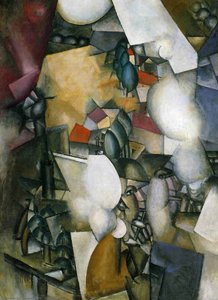
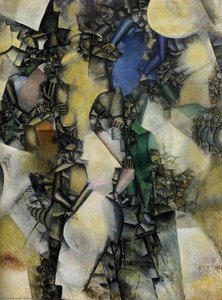
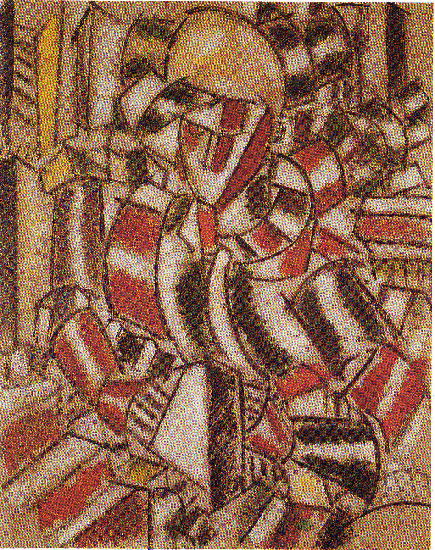
The woman in red and green


 Leer más
Reproducción al óleo hecha a mano
Óleo sobre lienzo pintado a mano en el tamaño y marco de su elección, realizado por encargo por nuestros artistas. ( Pedir impresión Comprar descarga)




P118B $10

P118H $10

P118W $10

P438Z $10

P508JH $12

P508YH $12

P805H $10

P805Z $10

P919BZ $10

P919G $10

P919XJ $10

P959ZH $10

P968JZ $12

W106C $8

W218G $10

W218JH $8

W218Y $10

W307PJ $10

W316G $10

W316PJ $8

W316Y $10

W398PJ $8

W4111J $10

W500HY $15

W500JH $15

W692G $12

W849H $8

W940BG $15

W953PJ $8




Elija entre nuestros tamaños predefinidos que respetan las proporciones originales de la obra.

Puede ingresar sus propias dimensiones para adaptarse a un marco o espacio específico. Si el tamaño seleccionado no coincide con las proporciones de la imagen original, recortaremos la obra o extenderemos la pintura con elementos adicionales pintados a mano. Se le enviará una maqueta digital para su aprobación antes de comenzar la producción.
Tenga en cuenta que la vista previa en pantalla no refleja el recorte o la extensión reales. Solo la maqueta mostrará con precisión la composición final.
Si bien existen tamaños personalizados, recomendamos seleccionar una dimensión de la lista predefinida para preservar las proporciones originales.
Tras realizar el pedido, el equipo de ArtsDot.com enviará un correo electrónico al cliente para solicitar instrucciones y proporcionarle una vista previa del boceto.
Envío a todo el mundo () en 3-4 semanas en lugar de las 5 semanas estándar. (21 agosto). Sin comprometer la calidad.

Envío exprés gratuito a todo el mundo

Lienzo de lino de alta calidad

Seguro de envío completo

Garantía de reembolso de aranceles aduaneros

Garantía de fidelidad cromática exacta

Política de devolución de 60 días (solo por defectos)

Garantía de devolución del 100% del dinero

Oferta por volumen
 La opción de vidrio solo está disponible en tamaños inferiores a 110 cm.

The woman in red and green
Técnica de reproducción
Tamaño de la reproducción
-


Precio total
$ 263
Descripción de la obra
A Symphony of Color and Machine Age Spirit: Exploring "The Woman in Red and Green" by Fernand Léger
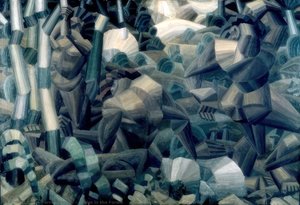
Fernand Léger’s “The Woman in Red and Green,” painted in 1914, is a captivating embodiment of the artist's revolutionary approach to modern art. Emerging from the heart of Normandy – specifically Argentan – Léger was profoundly influenced by the burgeoning industrial landscape transforming France at the turn of the century. This painting isn’t merely a portrait; it’s a declaration, a vibrant assertion that the dynamism and geometric precision of machines could be harmoniously integrated into artistic expression. The work stands as a crucial bridge between traditional representation and the nascent world of abstract art, reflecting Léger's desire to capture not just appearances but the very *feeling* of modernity.
Subject and Composition: A Figure in Flux
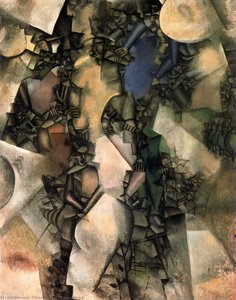
The central figure, a woman draped in rich red and green hues, immediately commands attention. Her attire – a flowing scarf and a dramatically oversized bow – is rendered with a deliberate angularity, echoing the shapes of industrial machinery. This isn't a naturalistic depiction; rather, Léger employs a fragmented approach, breaking down forms into their essential geometric components. The inclusion of other figures in the background, though less detailed, reinforces this theme of interconnectedness and movement, suggesting a society increasingly shaped by technological advancement. The composition itself feels deliberately unbalanced, mirroring the unsettling yet exhilarating sense of change that characterized the era.
Technique and Style: Cubism’s Embrace with a Personal Touch
“The Woman in Red and Green” is firmly rooted in the principles of Cubism, particularly its emphasis on multiple perspectives and fractured forms. However, Léger departs from the purely analytical approach championed by Picasso and Braque, injecting his work with a distinctly optimistic and even celebratory tone. His brushwork is bold and expressive, creating a sense of energy and movement. The use of color is equally significant – the vibrant red and green are not simply decorative; they symbolize vitality, progress, and the raw power of industrial forces. Léger’s technique involved layering paint in thick impasto, adding to the textural richness and reinforcing the feeling of solidity and permanence that he sought to convey.
Symbolism and Historical Context: The Machine Age and Human Adaptation
Painted in 1914 – a year of immense upheaval and technological innovation – “The Woman in Red and Green” speaks directly to the anxieties and aspirations of its time. The machine age was rapidly transforming society, bringing both unprecedented opportunities and profound social challenges. Léger’s depiction of the woman suggests an adaptation to this new reality, a willingness to embrace the mechanical world while retaining a sense of human dignity. The bold colors and geometric forms can be interpreted as symbols of progress, innovation, and the potential for a brighter future – though perhaps tinged with a subtle awareness of the disruption inherent in such rapid change. This work anticipates Léger’s later explorations of urban landscapes and industrial themes, solidifying his position as one of the most important figures in the development of modern art.
Emotional Impact and Artistic Legacy
“The Woman in Red and Green” is more than just a visually striking painting; it’s an emotionally resonant statement about humanity's relationship with technology. Its bold colors, dynamic composition, and fragmented forms evoke a sense of both excitement and unease – mirroring the complex feelings associated with the dawn of the 20th century. Léger’s work continues to inspire artists and designers today, demonstrating the enduring power of abstraction to capture the essence of our world.
Obras relacionadas
Biografía del artista
vida temprana y formación
fernand léger, un pintor, escultor y cineasta francés, nació el 4 de febrero de 1881 en Argentán, Orne, Baja Normandía. Su padre criaba ganado, y Léger inicialmente se formó como arquitecto de 1897 a 1899. Luego se mudó a París en 1900, ganándose la vida como dibujante arquitectónico.desarrollo artístico
El trabajo temprano de Léger estuvo influenciado por el impresionismo, como se ve en le jardin de ma mère (mi madre's garden) (1905). Después de asistir a la escuela de artes decorativas y la academia Julian, comenzó a trabajar seriamente como pintor a los 25 años. Su estilo evolucionó hacia una forma personal del cubismo, que los críticos denominaron "tubismo" por su énfasis en las formas cilíndricas.cubismo y el grupo puteaux
En 1910, Léger expuso en el salón de otoño junto a jean metzinger y henri le fauconnier. Se unió al grupo puteaux, también conocido como la sección dorada (la sección de oro), junto con otros artistas como francis picabia y marcel duchamp.guerra y su influencia en el trabajo de léger
Las experiencias de Léger en la Primera Guerra Mundial impactaron significativamente su obra. Durante su tiempo en el frente, produjo dibujos de piezas de artillería, aviones y soldados compañeros. Su pintura soldier with a pipe (1916) refleja este período.obra posterior y legado
La obra posterior de Léger, caracterizada por formas mecánicas y elegantes, lo vinculó a la tradición de la pintura figurativa francesa. Sus paisajes animados de 1921 mostraron figuras y animales en formas armoniosas y aerodinámicas.- ver obras de fernand léger en ArtsDot
- más sobre fernand léger en wikipedia
- descubra el musée national fernand léger (francia) con ArtsDot
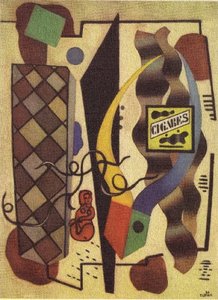
- la mujer sentada (100 x 81 cm, tubismo)
- elemento de máquina (cubismo)
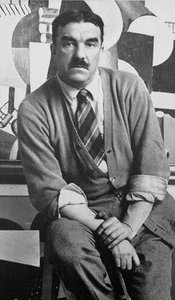
Fernand Léger
1881 - 1955 , Francia
Datos clave
- Artistas Influenciados Por: ['Pop Art']
- Artistas Que Influyeron:
- Cézanne
- Impresionismo
- Fecha De Nacimiento: 4 de febrero de 1881
- Lugar De Nacimiento: Argentan, Francia
- Movimiento Artístico:
- Cubismo
- Tubismo
- Nacionalidad: Francés
- Nombre Completo: Fernand Léger
- Obras Notables:
- La Mujer Sentada
- Elemento de Máquina
- El Gran Desfile
- Paisajes Animados
Artículos relacionados
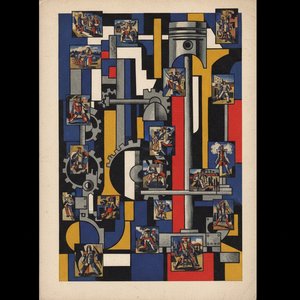
Fernand Léger: Las 25 Obras Maestras del Tubismo y la Vanguardia Francesa | ArtsDot
Descubre las 25 obras maestras de Fernand Léger, pionero del tubismo y la vanguardia francesa. Explora su estética industrial, composiciones geométricas y vibrantes colores. Reproducciones de arte exclusivas en ArtsDot.com.
Verdant Visions: Exploring the Symbolism & Aesthetic Impact of Green in Art History
Explore the rich history & symbolism of green in art! Discover iconic paintings, techniques, and how to bring verdant harmony into your home with ArtsDot's expert guide.
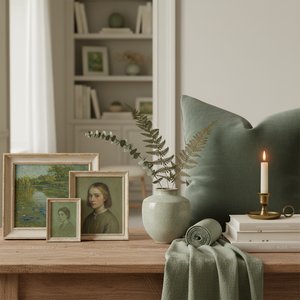
Los 10 Cuadros Más Famosos Dominados por el Verde Salvia | Arte y Decoración
Descubre los 10 cuadros más famosos dominados por el verde salvia. Explora la historia, artistas como Monet y Renoir, e inspírate para decorar tu hogar con lienzos de arte impresionista. Reproducciones de museo en .

Giclée Prints: Archival Quality & Aesthetic Nuances for the Discerning Collector
Explore the world of giclée prints with ArtsDot. Learn about archival quality, aesthetic nuances & investment potential. Expert guidance for discerning art collectors seeking museum-quality reproductions and lasting value.
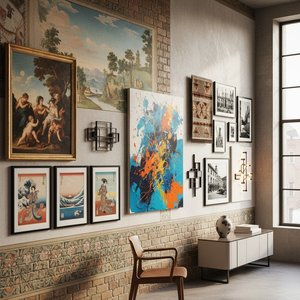
Transforming Spaces: A Comprehensive Exploration of Wall Decor Through Art History & Contemporary Practice
Explore the art of transforming spaces with our comprehensive guide to wall decor. From historical movements to contemporary trends, discover how to curate impactful interiors and commission bespoke artwork for a truly personalized aesthetic.