 Ver en contexto
 Enviar
 Compartir
 Detalles

 Descargar
 Similares
 Radiografía
 Presentación de diapositivas
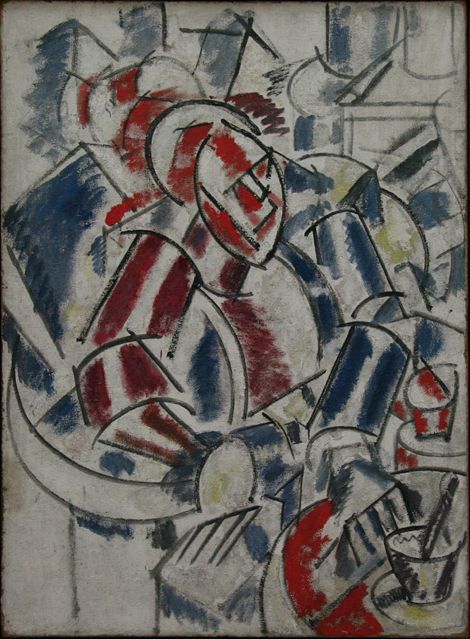
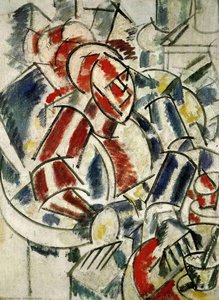
The woman in wheelchair


 Ver más
Giclée / Impresión de arte
Impresiones giclée o en lienzo de calidad de museo con producción rápida y opciones de acabado flexibles. ( Comprar pintura hecha a mano Comprar imagen)




P118B $10

P118H $10

P118W $10

P438Z $10

P508JH $12

P508YH $12

P805H $10

P805Z $10

P919BZ $10

P919G $10

P919XJ $10

P959ZH $10

P968JZ $12

W106C $8

W218G $10

W218JH $8

W218Y $10

W307PJ $10

W316G $10

W316PJ $8

W316Y $10

W398PJ $8

W4111J $10

W500HY $15

W500JH $15

W692G $12

W849H $8

W940BG $15

W953PJ $8




Elija entre nuestros tamaños predefinidos que respetan las proporciones originales de la obra.

Puede introducir sus propias dimensiones para adaptarse a un marco o espacio específico. Si el tamaño seleccionado no coincide con las proporciones de la imagen original, recortaremos la obra de arte o extenderemos la imagen con un borde con efecto espejo o de color sólido. Se enviará una maqueta digital para su aprobación antes de que comience la producción.
Tenga en cuenta que la vista previa en pantalla no refleja el recorte o la extensión real. Solo la maqueta mostrará con precisión la composición final.
Aunque existen tamaños personalizados, recomendamos seleccionar una dimensión de la lista predefinida para preservar las proporciones originales.
Envío a todo el mundo () en 2 semanas en lugar de las 4/5 semanas estándar. (23 agosto)

Envío exprés gratuito a todo el mundo

Lienzo de lino de alta calidad

Seguro de envío total

Garantía de reembolso de impuestos aduaneros

Garantía de fidelidad cromática exacta

Política de devolución de 60 días (solo por defectos)

Garantía de devolución del 100% del dinero

Descuento por cantidad
 La opción de vidrio solo está disponible en tamaños inferiores a 110 cm.

The woman in wheelchair
Giclée / Impresión de arte
Dimensiones de la reproducción
-


Precio total final
$ 62
Descripción de la pieza
A Symphony of Steel and Soul – Introducing “The Woman in Wheelchair”
Fernand Léger’s “The Woman in Wheelchair,” painted circa 1920, is more than just a depiction of a figure; it's a visceral embodiment of the burgeoning modernist movement. Emerging from the industrial heartland of Normandy, Léger arrived in Paris with a profound fascination for the machine age – its geometric forms, its relentless energy, and its impact on human life. This painting captures that fascination with breathtaking intensity, presenting a woman seated in a wheelchair not as an object of pity or fragility, but as a powerful symbol of adaptation and resilience within a rapidly changing world.
- Subject Matter: The central figure is undeniably striking – a woman deliberately rendered with the blunt angles and mechanical precision characteristic of Léger’s style. Her helmet, echoing the forms of industrial machinery, further emphasizes this connection to the machine age.
- Style & Technique: Léger's signature “Concrete Art” movement sought to strip away traditional representational techniques, favoring bold geometric shapes and a flattened perspective. The painting utilizes thick impasto – layers of heavily applied paint – creating a tactile surface that almost vibrates with energy. The vibrant palette of reds, blues, and yellows isn’t merely decorative; it's carefully chosen to evoke the colors of industry and movement.
Decoding the Symbolism: Form and Function
Beyond its purely aesthetic qualities, “The Woman in Wheelchair” is laden with symbolic meaning. The wheelchair itself represents a crucial shift in human experience – the increasing reliance on technology and the evolving relationship between man and machine. Léger wasn’t simply painting a woman; he was exploring the implications of this new reality. The other figures surrounding her, similarly rendered in angular forms, contribute to this sense of a mechanized world, suggesting a society increasingly shaped by industrial forces. Notably, one figure appears to be offering her a cup – a gesture that could represent sustenance or perhaps even a shared experience within this transformed landscape.
“Léger’s intention was not to depict reality as it *is*, but rather to express the underlying structure of modern life,” a biographer noted, highlighting the artist's commitment to capturing the essence of his time.Historical Context: The Rise of Modernism
To fully appreciate “The Woman in Wheelchair,” one must understand the historical context in which it was created. The early 20th century witnessed unprecedented technological advancements, particularly in transportation and manufacturing. Cities were transforming into sprawling industrial centers, and new forms of labor were emerging. Léger’s work reflects this period of profound social and economic upheaval, offering a bold and unapologetic response to the challenges and opportunities presented by modernity. The painting aligns with the broader modernist movement's rejection of traditional artistic conventions and its embrace of abstraction as a means of expressing the spirit of the age.
Emotional Impact & Legacy
Despite its abstract style, “The Woman in Wheelchair” possesses a remarkable emotional resonance. It’s a painting that demands attention, provoking contemplation about our relationship with technology, our place within society, and the enduring human spirit. Léger's work continues to captivate viewers today, demonstrating his profound understanding of the modern condition and his ability to translate complex ideas into powerfully evocative imagery. It remains a testament to the transformative power of art and its capacity to reflect – and shape – our world.
Obras relacionadas
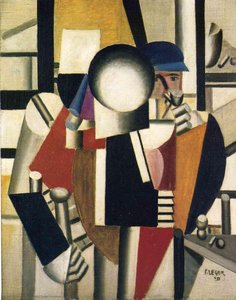
Biografía del artista
vida temprana y formación
fernand léger, un pintor, escultor y cineasta francés, nació el 4 de febrero de 1881 en Argentán, Orne, Baja Normandía. Su padre criaba ganado, y Léger inicialmente se formó como arquitecto de 1897 a 1899. Luego se mudó a París en 1900, ganándose la vida como dibujante arquitectónico.desarrollo artístico
El trabajo temprano de Léger estuvo influenciado por el impresionismo, como se ve en le jardin de ma mère (mi madre's garden) (1905). Después de asistir a la escuela de artes decorativas y la academia Julian, comenzó a trabajar seriamente como pintor a los 25 años. Su estilo evolucionó hacia una forma personal del cubismo, que los críticos denominaron "tubismo" por su énfasis en las formas cilíndricas.cubismo y el grupo puteaux
En 1910, Léger expuso en el salón de otoño junto a jean metzinger y henri le fauconnier. Se unió al grupo puteaux, también conocido como la sección dorada (la sección de oro), junto con otros artistas como francis picabia y marcel duchamp.guerra y su influencia en el trabajo de léger
Las experiencias de Léger en la Primera Guerra Mundial impactaron significativamente su obra. Durante su tiempo en el frente, produjo dibujos de piezas de artillería, aviones y soldados compañeros. Su pintura soldier with a pipe (1916) refleja este período.obra posterior y legado
La obra posterior de Léger, caracterizada por formas mecánicas y elegantes, lo vinculó a la tradición de la pintura figurativa francesa. Sus paisajes animados de 1921 mostraron figuras y animales en formas armoniosas y aerodinámicas.- ver obras de fernand léger en ArtsDot
- más sobre fernand léger en wikipedia
- descubra el musée national fernand léger (francia) con ArtsDot
- la mujer sentada (100 x 81 cm, tubismo)
- elemento de máquina (cubismo)
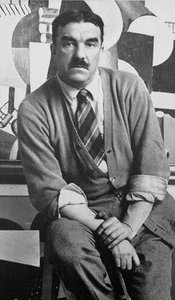
Fernand Léger
1881 - 1955 , Francia
Datos clave
- Artistas Influenciados Por: ['Pop Art']
- Artistas Que Influyeron:
- Cézanne
- Impresionismo
- Fecha De Nacimiento: 4 de febrero de 1881
- Lugar De Nacimiento: Argentan, Francia
- Movimiento Artístico:
- Cubismo
- Tubismo
- Nacionalidad: Francés
- Nombre Completo: Fernand Léger
- Obras Notables:
- La Mujer Sentada
- Elemento de Máquina
- El Gran Desfile
- Paisajes Animados
Artículos relacionados
Fernand Léger: Las 25 Obras Maestras del Tubismo y la Vanguardia Francesa | ArtsDot
Descubre las 25 obras maestras de Fernand Léger, pionero del tubismo y la vanguardia francesa. Explora su estética industrial, composiciones geométricas y vibrantes colores. Reproducciones de arte exclusivas en ArtsDot.com.

Abstracción Geométrica: 10 Obras Maestras que Transformaron el Arte Moderno | ArtsDot
Descubre las 10 obras maestras de la abstracción geométrica que revolucionaron el arte moderno. Explora a Mondrian, Malevich y Kandinsky en ArtsDot.com. Reproducciones de alta calidad para tu hogar.
Expresionismo Abstracto: 10 Obras Maestras que Transformaron el Arte |
Descubre las 10 obras maestras del Expresionismo Abstracto: Pollock, Rothko y más. Explora la historia, técnica y significado de estos lienzos icónicos. Reproducciones de arte exclusivas en .

Georges Braque: Las 25 Obras Maestras del Cubismo y su Legado en el Arte Moderno
Descubre las 25 obras maestras de Georges Braque, pionero del cubismo. Explora su innovadora técnica, colores y el legado del arte moderno francés. Reproducciones de alta calidad en ArtsDot.com. ¡Encuentra tu inspiración!
Kandinsky: Las 25 Obras Maestras del Pionero de la Abstracción | ArtsDot
Descubre las 25 obras maestras de Wassily Kandinsky, pionero del arte abstracto. Explora su expresionismo, composiciones únicas y la historia detrás de cada cuadro. Reproducciones de alta calidad para decorar tu hogar con arte moderno en ArtsDot.com.