 Ver en contexto
 Enviar
 Compartir
 Detalles

 Descargar
 Similares
 Radiografía
 Presentación de diapositivas
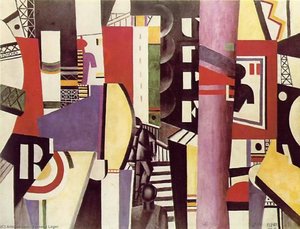
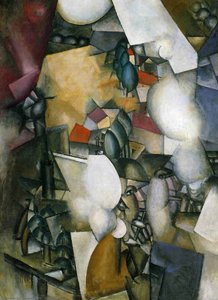
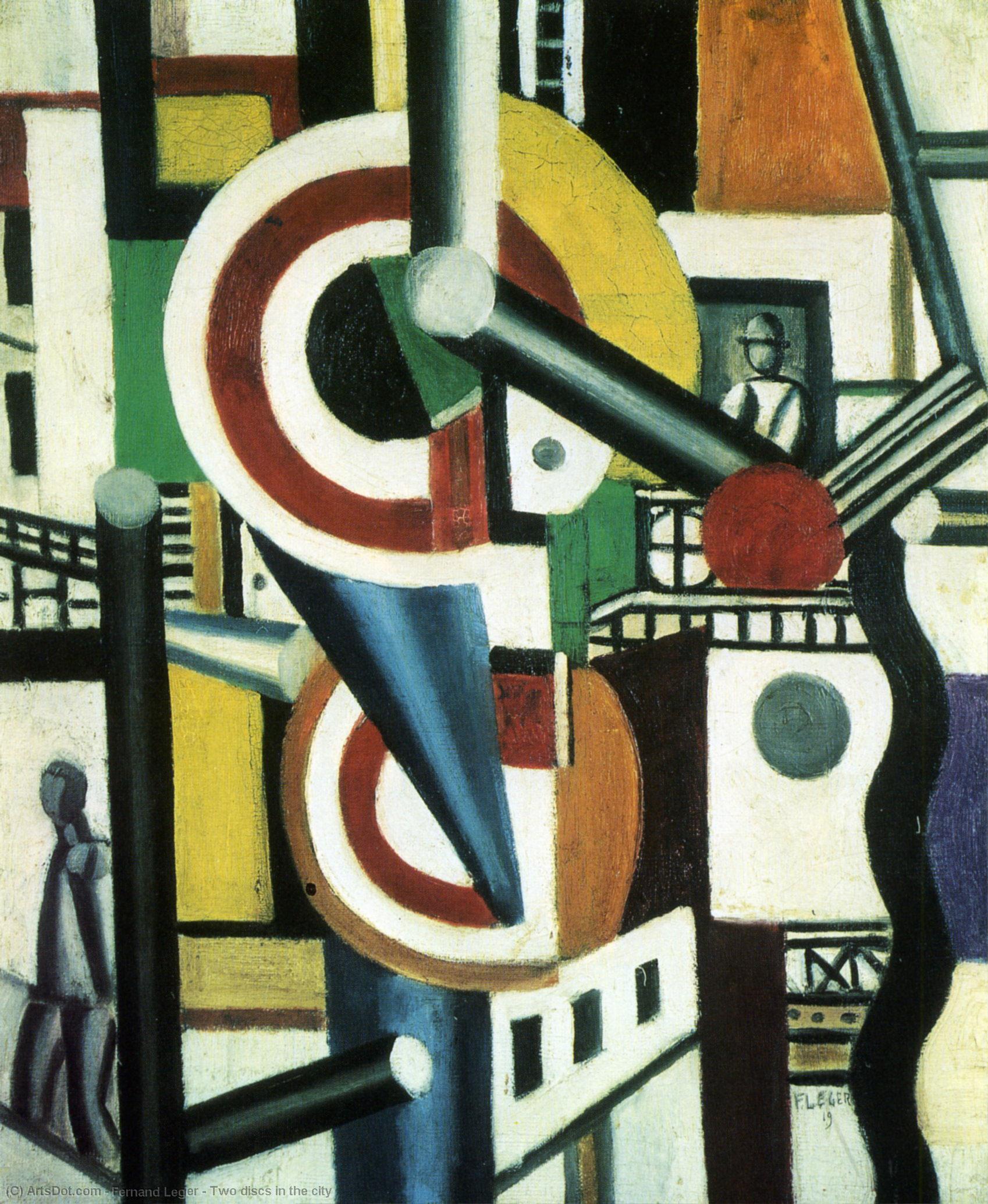
Two discs in the city


 Ver más
Giclée / Impresión de arte
Impresiones giclée o en lienzo de calidad de museo con producción rápida y opciones de acabado flexibles. ( Comprar pintura hecha a mano Comprar imagen)




P118B $10

P118H $10

P118W $10

P438Z $10

P508JH $12

P508YH $12

P805H $10

P805Z $10

P919BZ $10

P919G $10

P919XJ $10

P959ZH $10

P968JZ $12

W106C $8

W218G $10

W218JH $8

W218Y $10

W307PJ $10

W316G $10

W316PJ $8

W316Y $10

W398PJ $8

W4111J $10

W500HY $15

W500JH $15

W692G $12

W849H $8

W940BG $15

W953PJ $8




Elija entre nuestros tamaños predefinidos que respetan las proporciones originales de la obra.

Puede introducir sus propias dimensiones para adaptarse a un marco o espacio específico. Si el tamaño seleccionado no coincide con las proporciones de la imagen original, recortaremos la obra de arte o extenderemos la imagen con un borde con efecto espejo o de color sólido. Se enviará una maqueta digital para su aprobación antes de que comience la producción.
Tenga en cuenta que la vista previa en pantalla no refleja el recorte o la extensión real. Solo la maqueta mostrará con precisión la composición final.
Aunque existen tamaños personalizados, recomendamos seleccionar una dimensión de la lista predefinida para preservar las proporciones originales.
Envío a todo el mundo () en 2 semanas en lugar de las 4/5 semanas estándar. (7 septiembre)

Envío exprés gratuito a todo el mundo

Lienzo de lino de alta calidad

Seguro de envío total

Garantía de reembolso de impuestos aduaneros

Garantía de fidelidad cromática exacta

Política de devolución de 100 días (solo por defectos)

Garantía de devolución del 100% del dinero

Descuento por cantidad
 La opción de vidrio solo está disponible en tamaños inferiores a 110 cm.

Two discs in the city
Giclée / Impresión de arte
Dimensiones de la reproducción
-


Precio total final
$ 62
A Chronicle of Urban Rhythm: "Two Discs in the City" by Fernand Léger
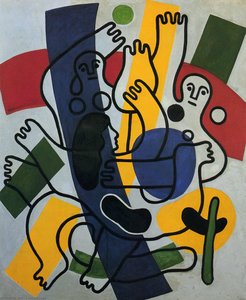
Fernand Léger’s “Two Discs in the City,” painted in 1918, is more than a depiction of a Parisian street scene; it's a vibrant manifesto of early 20th-century modernity. Emerging from the heart of Argentan, Normandy, Léger’s artistic trajectory was profoundly shaped by his rural upbringing – a grounding experience that would later fuel his revolutionary approach to representing the burgeoning machine age. This painting, created during a period of immense social and technological upheaval, captures the frenetic energy of urban life with an almost feverish intensity, reflecting the anxieties and aspirations of a world rapidly transforming under the influence of industrialization.
- Subject Matter: The scene unfolds with a striking clarity – a man in a tie, a common figure amidst the city’s bustle, stands before a building crowned with a bold red sphere. Surrounding him are other figures, many clutching umbrellas, suggesting a downpour and adding to the overall sense of urgency.
- Composition: Léger masterfully employs geometric forms – the discs themselves, the angular architecture, and the linear arrangement of figures – to convey movement and dynamism. The composition isn’t simply observational; it's deliberately constructed to evoke the feeling of a machine in motion.
Decoding the Symbolism: Machines and Humanity
Léger’s work is deeply rooted in his fascination with machines, particularly their impact on human life. The “discs” themselves are central to this symbolism. They represent not just mechanical components but also the fragmented nature of modern experience – a world increasingly defined by industrial processes and geometric forms. The red sphere atop the building could be interpreted as a beacon, a symbol of progress, or perhaps even a warning, highlighting the potential dangers of unchecked technological advancement. The inclusion of figures within this mechanized landscape underscores the artist's concern with the human condition in an age of rapid change – how individuals navigate and adapt to a world dominated by machines.
- Color Palette: Léger’s use of bold, primary colors—particularly the striking red—amplifies the painting’s emotional impact.
- Clock Symbolism: The presence of two clocks adds another layer of complexity, referencing both time and the relentless march of progress.
Technique and Style: Cubist Roots with a Modern Twist
“Two Discs in the City” exemplifies Léger’s distinctive style, which evolved from early influences like Paul Cézanne and Pablo Picasso (Cubism) to develop into something uniquely his own. He employed a technique characterized by flattened planes, simplified forms, and a deliberate rejection of traditional perspective. This approach wasn't merely stylistic; it was a fundamental shift in how Léger perceived and represented the world – he sought to capture not just appearances but also the underlying structure of objects and spaces. The painting’s surface is built up with thick impasto strokes, adding texture and further emphasizing the materiality of the forms.
Historical Context and Legacy
Painted in 1918, at the dawn of the 20th century, “Two Discs in the City” reflects a pivotal moment in art history. Léger’s work anticipated many of the developments that would characterize modernism – its embrace of abstraction, its exploration of industrial themes, and its challenge to traditional notions of representation. His influence extended beyond painting, impacting sculpture and design. Today, “Two Discs in the City” stands as a testament to Léger's visionary approach and his enduring contribution to the development of modern art. A hand-painted reproduction offers an unparalleled opportunity to experience this seminal work firsthand.
Obras relacionadas
Biografía del artista
vida temprana y formación
fernand léger, un pintor, escultor y cineasta francés, nació el 4 de febrero de 1881 en Argentán, Orne, Baja Normandía. Su padre criaba ganado, y Léger inicialmente se formó como arquitecto de 1897 a 1899. Luego se mudó a París en 1900, ganándose la vida como dibujante arquitectónico.desarrollo artístico
El trabajo temprano de Léger estuvo influenciado por el impresionismo, como se ve en le jardin de ma mère (mi madre's garden) (1905). Después de asistir a la escuela de artes decorativas y la academia Julian, comenzó a trabajar seriamente como pintor a los 25 años. Su estilo evolucionó hacia una forma personal del cubismo, que los críticos denominaron "tubismo" por su énfasis en las formas cilíndricas.cubismo y el grupo puteaux
En 1910, Léger expuso en el salón de otoño junto a jean metzinger y henri le fauconnier. Se unió al grupo puteaux, también conocido como la sección dorada (la sección de oro), junto con otros artistas como francis picabia y marcel duchamp.guerra y su influencia en el trabajo de léger
Las experiencias de Léger en la Primera Guerra Mundial impactaron significativamente su obra. Durante su tiempo en el frente, produjo dibujos de piezas de artillería, aviones y soldados compañeros. Su pintura soldier with a pipe (1916) refleja este período.obra posterior y legado
La obra posterior de Léger, caracterizada por formas mecánicas y elegantes, lo vinculó a la tradición de la pintura figurativa francesa. Sus paisajes animados de 1921 mostraron figuras y animales en formas armoniosas y aerodinámicas.- ver obras de fernand léger en ArtsDot
- más sobre fernand léger en wikipedia
- descubra el musée national fernand léger (francia) con ArtsDot
- la mujer sentada (100 x 81 cm, tubismo)
- elemento de máquina (cubismo)
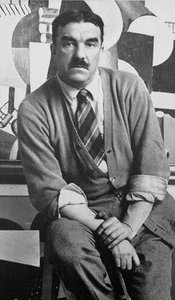
Fernand Léger
1881 - 1955 , Francia
Datos clave
- Artistas Influenciados Por: ['Pop Art']
- Artistas Que Influyeron:
- Cézanne
- Impresionismo
- Fecha De Nacimiento: 4 de febrero de 1881
- Lugar De Nacimiento: Argentan, Francia
- Movimiento Artístico:
- Cubismo
- Tubismo
- Nacionalidad: Francés
- Nombre Completo: Fernand Léger
- Obras Notables:
- La Mujer Sentada
- Elemento de Máquina
- El Gran Desfile
- Paisajes Animados
Artículos relacionados
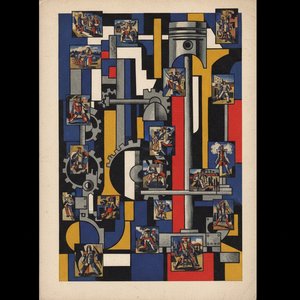
Fernand Léger: Las 25 Obras Maestras del Tubismo y la Vanguardia Francesa | ArtsDot
Descubre las 25 obras maestras de Fernand Léger, pionero del tubismo y la vanguardia francesa. Explora su estética industrial, composiciones geométricas y vibrantes colores. Reproducciones de arte exclusivas en ArtsDot.com.

Giclée Prints: Archival Quality & Aesthetic Nuances for the Discerning Collector
Explore the world of giclée prints with ArtsDot. Learn about archival quality, aesthetic nuances & investment potential. Expert guidance for discerning art collectors seeking museum-quality reproductions and lasting value.
Arte Industrial: 10 Obras Maestras para un Hogar con Carácter | ArtsDot.com
Descubre 10 obras maestras que capturan la esencia del arte industrial. Explora la historia de Van Gogh, Hopper y Klimt, sus técnicas y paletas. Encuentra lienzos perfectos para un hogar con carácter en ArtsDot.com.

Echoes of Time: Exploring the Enduring Appeal & Historical Context of Vintage Art Prints
Explore the captivating world of vintage art prints! Discover their history, collecting tips & enduring appeal. Expert insights on chromolithography and building a legacy collection with ArtsDot.

The Enduring Legacy of Fine Art Prints: Technique, History & Aesthetic Impact
Explore the rich history & techniques of fine art prints. Discover investment potential, assess authenticity, and learn how to preserve your collection with expert guidance. Trusted insights for discerning collectors.