

 Ver en contexto
 Enviar
 Compartir
 Detalles

 Descargar
 Similares
 Radiografía
 Presentación de diapositivas
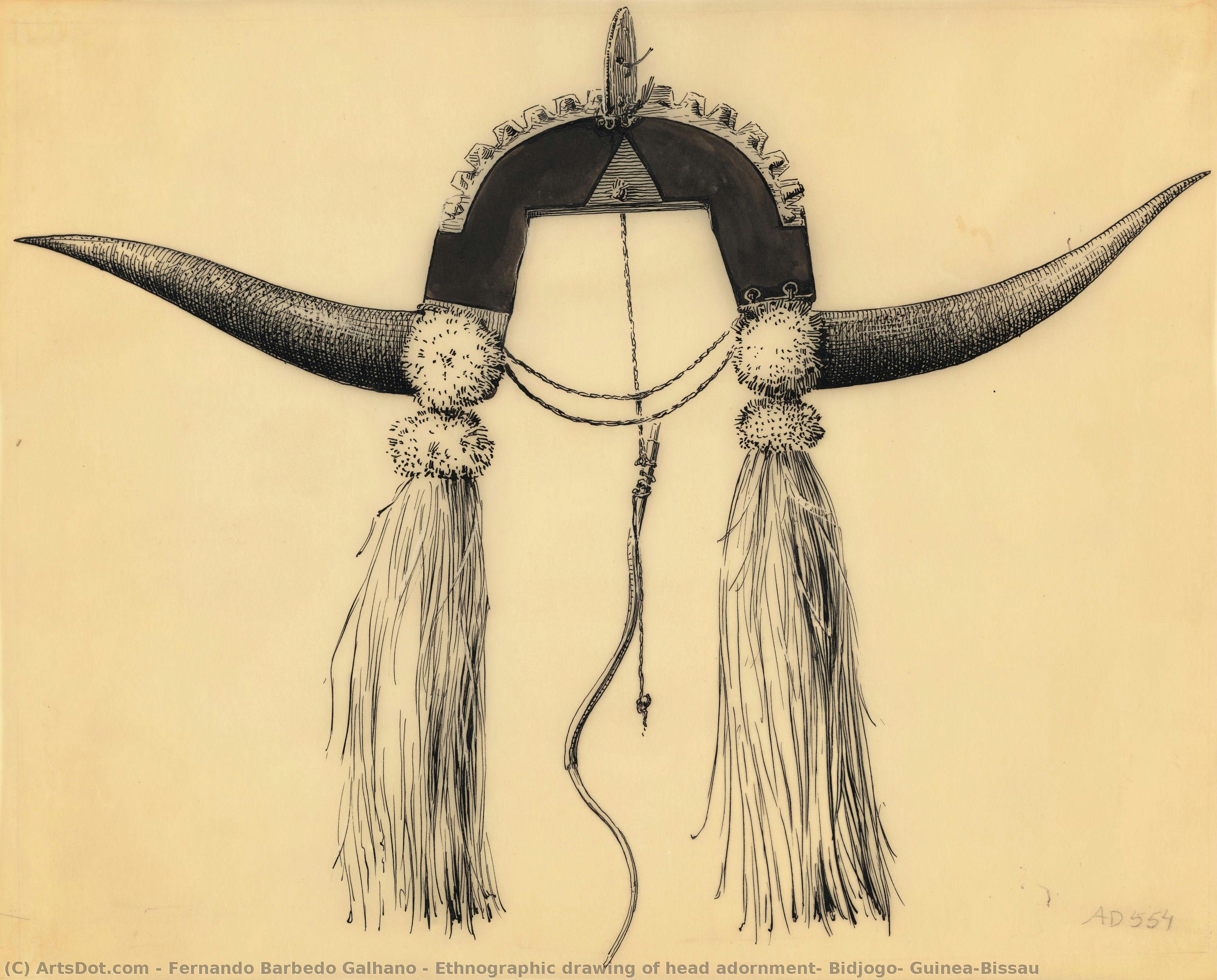
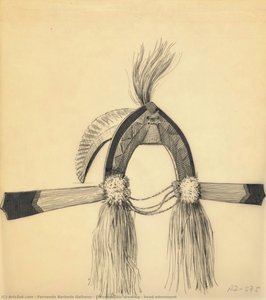
Ethnographic drawing of head adornment, Bidjogo, Guinea-Bissau
 Drawing
- WallArt
 1900
1900- 19th Century
 61.0 x 43.0 cm
 Museo Nacional de Etnología
 Ver más
Giclée / Impresión de arte
Impresiones giclée o en lienzo de calidad de museo con producción rápida y opciones de acabado flexibles. ( Comprar pintura hecha a mano Comprar imagen)




P118B $10

P118H $10

P118W $10

P438Z $10

P508JH $12

P508YH $12

P805H $10

P805Z $10

P919BZ $10

P919G $10

P919XJ $10

P959ZH $10

P968JZ $12

W106C $8

W218G $10

W218JH $8

W218Y $10

W307PJ $10

W316G $10

W316PJ $8

W316Y $10

W398PJ $8

W4111J $10

W500HY $15

W500JH $15

W692G $12

W849H $8

W940BG $15

W953PJ $8




Elija entre nuestros tamaños predefinidos que respetan las proporciones originales de la obra.

Puede introducir sus propias dimensiones para adaptarse a un marco o espacio específico. Si el tamaño seleccionado no coincide con las proporciones de la imagen original, recortaremos la obra de arte o extenderemos la imagen con un borde con efecto espejo o de color sólido. Se enviará una maqueta digital para su aprobación antes de que comience la producción.
Tenga en cuenta que la vista previa en pantalla no refleja el recorte o la extensión real. Solo la maqueta mostrará con precisión la composición final.
Aunque existen tamaños personalizados, recomendamos seleccionar una dimensión de la lista predefinida para preservar las proporciones originales.
Envío a todo el mundo () en 2 semanas en lugar de las 4/5 semanas estándar. (1 septiembre)

Envío exprés gratuito a todo el mundo

Lienzo de lino de alta calidad

Seguro de envío total

Garantía de reembolso de impuestos aduaneros

Garantía de fidelidad cromática exacta

Política de devolución de 60 días (solo por defectos)

Garantía de devolución del 100% del dinero

Descuento por cantidad
 La opción de vidrio solo está disponible en tamaños inferiores a 110 cm.

Ethnographic drawing of head adornment, Bidjogo, Guinea-Bissau
Giclée / Impresión de arte
Dimensiones de la reproducción
-


Precio total final
$ 62
A Window into Cultural Heritage
In the delicate lines of Fernando Barbedo Galhano’s Ethnographic drawing of head adornment, Bidjogo, Guinea-Bissau, we find much more than a mere illustration; we encounter a profound dialogue between art and anthropology. Created in 1900, this evocative piece serves as a silent witness to the rich, ancestral traditions of the Bidjogo people. The artwork captures the striking essence of a ceremonial horned hat, rendered with a precision that honors both the physical structure of the object and the cultural spirit it represents. Through his masterful use of monochrome tones, Galhano invites the viewer to peer through the veil of time, stripping away the distractions of color to focus entirely on the intricate textures and the rhythmic geometry of the tassels and horns.
The composition is centered around the imposing silhouette of the headpiece, where the sharp, upward reach of the horns meets the soft, cascading descent of yarn-like tassels. Each stroke of the artist's hand seems to contemplate the weight and significance of these adornments. There is a palpable sense of reverence in the way the details are documented—from the subtle fraying of the strings to the structural integrity of the hat itself. For the collector or the lover of fine art, this piece offers an intimate encounter with a vanished moment of ethnographic documentation, making it a centerpiece that commands attention through its historical gravity and aesthetic purity.
The Intersection of Artistry and Ethnography
Fernando Barbedo Galhano was a rare talent who bridged the gap between the aesthetic beauty of fine art and the rigorous observation of ethnography. His training under the master Artur Loureiro in Porto provided him with a sophisticated technical foundation, yet his soul was deeply attuned to the nuances of human culture. This specific drawing exemplifies his ability to use the medium of painting to preserve the ephemeral. The technique employed here is one of meticulous observation; the artist does not merely draw an object, he documents a legacy. The interplay of light and shadow within the black and white medium creates a sculptural quality, giving the head adornment a three-dimensional presence that feels almost tactile.
For interior designers and curators, this artwork offers a unique opportunity to introduce a sense of global history and intellectual depth into a space. Whether placed in a contemporary gallery setting or a classic study, the piece acts as a sophisticated focal point. Its monochromatic palette ensures it integrates seamlessly with diverse color schemes, while its subject matter provides an endless source of conversation and contemplation. To possess a reproduction of this work is to hold a fragment of the National Museum of Ethnology’s collection, bringing the storied halls of Lisbon into the intimacy of one's own home.
Symbolism and Emotional Resonance
Beyond its technical brilliance, the drawing resonates on an emotional level by evoking the concept of identity. The head adornment is not merely a costume; it is a symbol of status, ritual, and communal belonging within the Bidjogo culture. As we gaze upon the intricate tassels and the formidable horns, we are reminded of the human impulse to decorate, to signify, and to honor the sacred through craftsmanship. There is a haunting beauty in the solitude of the object presented against the void, a quality that evokes feelings of nostalgia and respect for the enduring strength of tradition.
This piece transcends simple decoration to become an emotional anchor within a room. It speaks of the resilience of culture and the importance of memory. For those seeking to curate a collection that reflects a worldly perspective and an appreciation for the human story, Galhano’s work stands as an incomparable choice. It is an invitation to reflect on our shared global heritage, captured through the eyes of a master who saw beauty in the most profound details of human existence.
Obras relacionadas

![Indian Tobacco Shop Sign [obverse, Indian Facing Left] — Winslow Homer, American Realism](/media/artworks/images-thumb/23/47/234786c2828c25069cd7d401f9f6d842.jpg)
Biografía del artista
El Cronista Visionario: La Vida y el Legado de Fernando Barbedo Galhano
En el tapiz del arte portugués del siglo XX, pocos hilos son tan intrincados o culturalmente vitales como los tejidos por Fernando Barbedo Galhano. Nacido en la histórica ciudad de Oporto en 1904, Galhano fue mucho más que un simple pintor; fue un historiador visual, un etnógrafo y un observador meticuloso de los ritmos evanescentes de la vida portuguesa. Su viaje comenzó bajo la mirada atenta del maestro Artur Loureiro, cuya guía proporcionó la base técnica sobre la cual Galhano construiría una carrera definida tanto por la gracia estética como por la precisión científica. A medida que su talento maduraba, se convirtió en una figura constante en las prestigiosas exposiciones del Salão Silva Porto durante las décadas de 1930, 40 y 50, consolidándose como una voz significativa dentro de la comunidad artística nacional.
El verdadero genio de Galhano, sin embargo, residía en su capacidad para fusionar el toque delicado de un ilustrador con la mirada rigurosa de un investigador. Su obra trascendió los límites de las bellas artes tradicionales, aventurándose en el profundo territorio de la etnografía. Durante finales de la década de 1940, a través de su participación en el Centro de Estudos de Etnografia Peninsular, colaboró con luminarias como Jorge Dias y Ernesto Veiga de Oliveira. Este periodo marcó una era transformadora en su desarrollo, ya que comenzó a utilizar su pincel y su lápiz para documentar el alma misma de la nación. No se limitaba a pintar sujetos; capturaba la esencia de un modo de vida que estaba siendo alterado rápidamente por las mareas de la modernidad.
Un Tapiz de Tradición y Técnica
La amplitud de la temática de Galhano es nada menos que asombrosa, actuando como una enciclopedia visual exhaustiva del patrimonio portugués. Sus composiciones a menudo se centraban en los elementos humildes pero profundos de la existencia rural, insuflando vida a sujetos que, de otro modo, podrían haber sido olvidados por la historia. A través de sus detallados trazos, uno puede deambular por los vibrantes paisajes de las tradicionales carretas de bueyes, maravillarse ante la intrincada geometría de la arquitectura popular y sentir el peso de las herramientas agrícolas que alguna vez definieron el paisaje del país. Su arte poseía una capacidad única para hallar belleza en lo utilitario, elevando la sencilla cestería, la alfarería y la tecnología textil al estatus de gran arte.
Más allá de lo terrestre, la mirada de Galhano se dirigió hacia el mar, capturando la esencia salina de la cultura pesquera con una intimidad que habla del corazón marítimo de Portugal. Su obra sirve como un puente entre diferentes épocas, documentando:
- La complejidad rítmica de los sistemas de transporte tradicionales y los procesos de molienda.
- La elegancia estructural de la arquitectura vernácula y las viviendas rurales.
- La riqueza táctil de las artesanías, desde el tejido hasta la cerámica.
- Los matices culturales de las antiguas colonias de Portugal, preservados a través de su extensa colección de dibujos.
Un Monumento Permanente al Patrimonio Cultural
La importancia histórica de Fernando Barbedo Galhano no puede ser exagerada. No fue simplemente un testigo del cambio, sino un participante activo en la preservación de la identidad. Como una de las figuras fundacionales detrás del Museu Nacional de Etnologia en Lisboa, desempeñó un papel fundamental para asegurar que los artefactos culturales y las tradiciones que tan amorosamente documentó fueran protegidos para las generaciones futuras. Sus miles de dibujos siguen siendo un tesoro para investigadores, historiadores y entusiastas del arte por igual, ofreciendo una ventana inigualable al tejido social de una era pasada.
Al fallecer en 1995, Galhano dejó tras de sí un legado que es tanto académico como profundamente emocional. Contemplar su obra es experimentar un profundo sentido de nostalgia y reverencia por la artesanía y las costumbres del pasado. Permanece como una figura monumental cuyo enfoque multidisciplinario —fusionando los roles de pintor, ilustrador y etnógrafo— creó un registro permanente del espíritu humano dentro del paisaje portugués. Su vida se erige como un testimonio del poder del arte para servir como guardián de la memoria.
Fernando Barbedo Galhano
1904 - 1995 , Portugal
Datos clave
- Artistic Movement Or Style: Ilustración y pintura etnográfica
- Artists Who Influenced This Artist: ['Artur Loureiro']
- Date Of Birth: 1904
- Date Of Death: 1995
- Full Name: Fernando Barbedo Galhano
- Nationality: Portugués
- Place Of Birth: Oporto, Portugal
Artículos relacionados
The Nuances of Graphite: Exploring Emotional Depth & Technical Mastery in Pencil Drawing
Explore the captivating world of graphite drawing! Discover its rich history, master essential techniques like chiaroscuro, and learn how artists evoke emotion through this timeless medium. Expert insights for art enthusiasts.

Martin Johnson Heade: Luminism, American Identity & the Poetic Still Life
Explore the captivating world of Martin Johnson Heade, a master of Luminism. Discover his serene landscapes, vibrant still lifes & profound connection to American identity. Learn about his techniques and legacy.

The Enduring Power of Line: Exploring Themes & Techniques in Drawing Across Art History
Explore the rich history of drawing! Discover key techniques like linear perspective & iconic artists from the Renaissance to modern times. Enhance your art appreciation with ArtsDot.
Frederick Bridgman: Anatomical Mastery & the Evolution of Figure Drawing Instruction
Explore the anatomical mastery of George B. Bridgman & his revolutionary figure drawing techniques. Discover how his methods transformed art instruction and continue to inspire artists today. Learn more at ArtsDot.

The Eloquent Line: Exploring the Artistic Significance of Sketches Across Movements and Media
Explore the profound artistic significance of sketches throughout history. From Renaissance masters to modern innovators like Van Gogh & Guston, discover how these foundational works reveal technique, emotion, and vision. Learn more at ArtsDot.

