 Vista previa
 Compartir
 Compartir
 Ver detalles

 Descargar
 Ver similares
 Radiografía
 Presentación de diapositivas
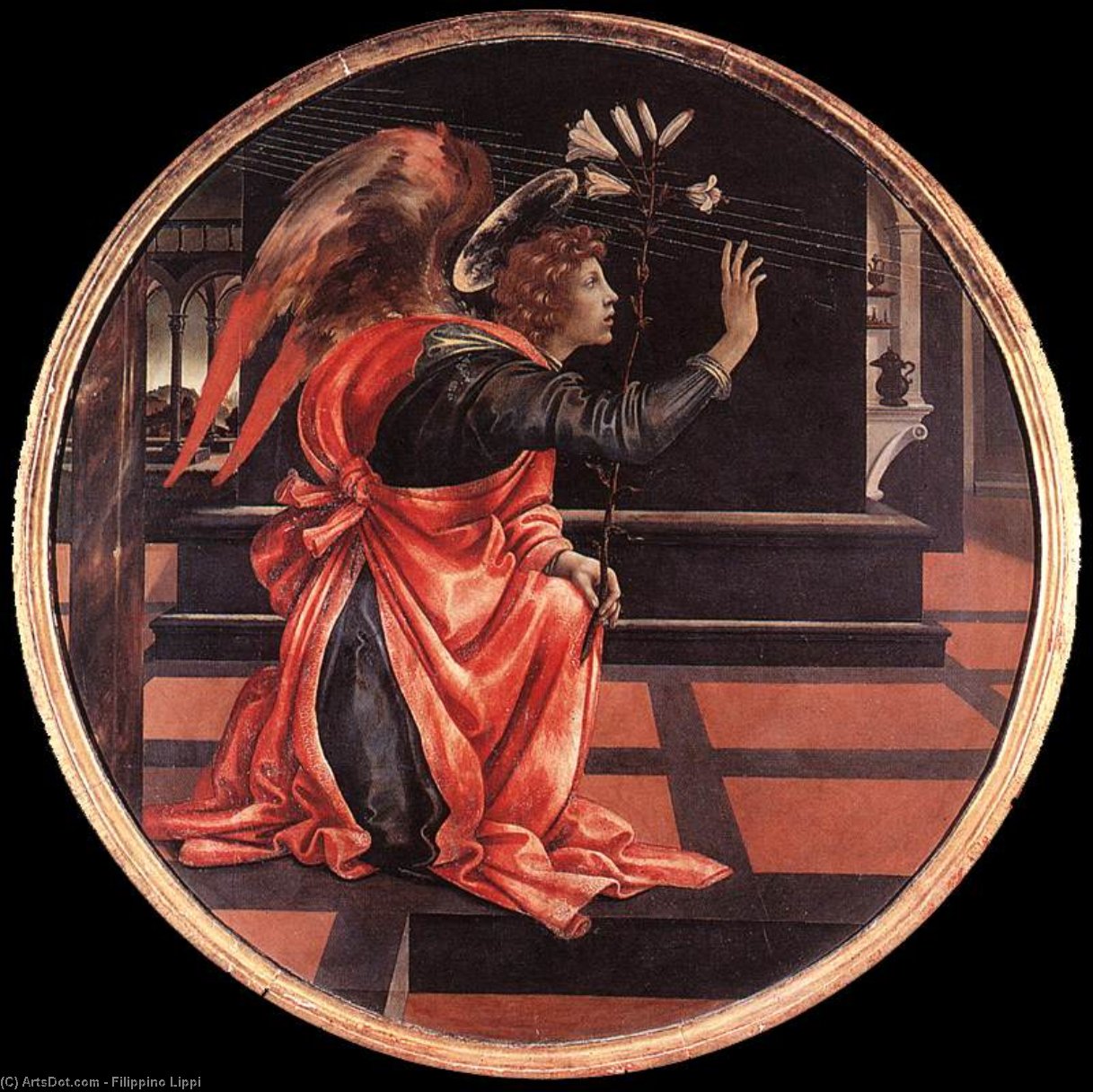
Gabriel from the Annunciation
 Oil On Canvas
- WallArt
- Early Renaissance
 1483
1483- Renaissance
 110.0 x 110.0 cm
 Museo Civico
 Leer más
Reproducción al óleo hecha a mano
Óleo sobre lienzo pintado a mano en el tamaño y marco de su elección, realizado por encargo por nuestros artistas. ( Pedir impresión Comprar descarga)




P118B $10

P118H $10

P118W $10

P438Z $10

P508JH $12

P508YH $12

P805H $10

P805Z $10

P919BZ $10

P919G $10

P919XJ $10

P959ZH $10

P968JZ $12

W106C $8

W218G $10

W218JH $8

W218Y $10

W307PJ $10

W316G $10

W316PJ $8

W316Y $10

W398PJ $8

W4111J $10

W500HY $15

W500JH $15

W692G $12

W849H $8

W940BG $15

W953PJ $8




Elija entre nuestros tamaños predefinidos que respetan las proporciones originales de la obra.

Puede ingresar sus propias dimensiones para adaptarse a un marco o espacio específico. Si el tamaño seleccionado no coincide con las proporciones de la imagen original, recortaremos la obra o extenderemos la pintura con elementos adicionales pintados a mano. Se le enviará una maqueta digital para su aprobación antes de comenzar la producción.
Tenga en cuenta que la vista previa en pantalla no refleja el recorte o la extensión reales. Solo la maqueta mostrará con precisión la composición final.
Si bien existen tamaños personalizados, recomendamos seleccionar una dimensión de la lista predefinida para preservar las proporciones originales.
Tras realizar el pedido, el equipo de ArtsDot.com enviará un correo electrónico al cliente para solicitar instrucciones y proporcionarle una vista previa del boceto.
Envío a todo el mundo () en 3-4 semanas en lugar de las 5 semanas estándar. (20 agosto). Sin comprometer la calidad.

Envío exprés gratuito a todo el mundo

Lienzo de lino de alta calidad

Seguro de envío completo

Garantía de reembolso de aranceles aduaneros

Garantía de fidelidad cromática exacta

Política de devolución de 60 días (solo por defectos)

Garantía de devolución del 100% del dinero

Oferta por volumen
 La opción de vidrio solo está disponible en tamaños inferiores a 110 cm.

Gabriel from the Annunciation
Técnica de reproducción
Tamaño de la reproducción
-


Precio total
$ 263
Descripción de la obra
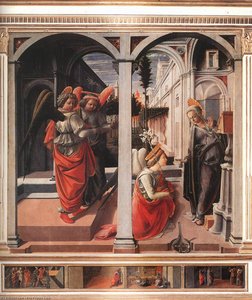
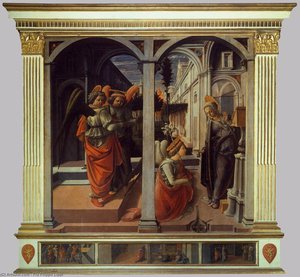
Gabriel from the Annunciation – A Moment of Serene Revelation
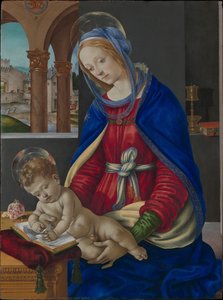
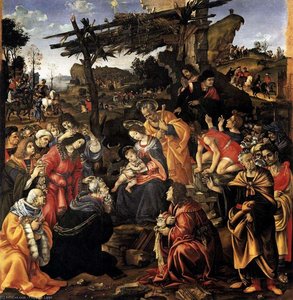
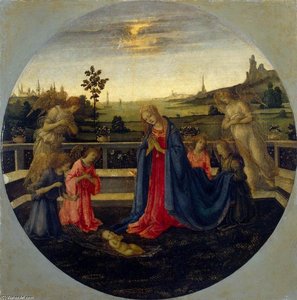
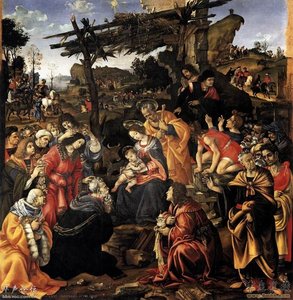
Filippino Lippi’s “Gabriel from the Annunciation,” painted in 1483, is more than just a depiction of an angel; it's a carefully constructed tableau brimming with religious significance and humanist observation. Executed during a pivotal moment in Renaissance art – a time when artists were striving to capture not merely outward appearances but also the inner lives of their subjects – this work offers a poignant glimpse into the heart of the Annunciation narrative. Measuring 110 x 110 cm, the painting’s intimate scale draws the viewer into its serene world, fostering a sense of quiet contemplation.
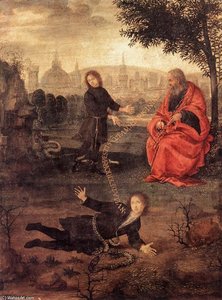
- Subject and Narrative: The central figure, Gabriel, embodies the divine messenger tasked with announcing to Mary the miraculous conception of Jesus. His posture – seated on the ground, hand gently holding a flower – suggests humility and reverence, while his gaze directed upwards speaks to the profound spiritual event unfolding above him.
- The Woman’s Reach: The woman depicted reaching out towards Gabriel is not merely a passive recipient of divine news; she represents humanity's yearning for grace and connection with the sacred. Her gesture invites participation in this momentous revelation, blurring the lines between observer and participant.
- Symbolic Details: The inclusion of the bench adds an element of domestic tranquility, grounding the celestial encounter within a recognizable human setting. The vase and birds further enrich the scene, potentially symbolizing purity, hope, or the fleeting nature of earthly beauty – all elements interwoven into the larger theological message.
Filippino Lippi’s Artistic Evolution
Filippino Lippi's artistic journey is intrinsically linked to the vibrant Florentine art scene of the late 15th century. Initially trained by his renowned father, Fra Filippo Lippi, Filippino quickly established himself as a skilled and innovative painter. His early works, such as those attributed to “amico di Sandro,” demonstrate a nascent style characterized by a certain naiveté, typical of artists in their formative years. However, as evidenced by masterpieces like *The Journeys of Tobias*, Filippino rapidly evolved, developing a more personal and assured approach – one that would ultimately define his contribution to the High Renaissance.
His collaboration with masters like Perugino, Ghirlandaio, and Botticelli on frescoes for Lorenzo de' Medici’s villa showcases his ability to synthesize diverse artistic influences while maintaining a distinct stylistic voice. Furthermore, his involvement in completing Masaccio’s unfinished decoration in the Brancacci Chapel alongside Masolino highlights his technical prowess and understanding of perspective and composition – skills he masterfully employed in “Gabriel from the Annunciation.”
Technique and Materials
“Gabriel from the Annunciation” is executed in oil on panel, a technique favored by Lippi during this period. The artist demonstrates a remarkable command of color and texture, utilizing subtle gradations to create a sense of depth and realism. Note the delicate rendering of Gabriel’s drapery, achieved through careful layering of paint and meticulous attention to detail. The use of gold leaf – likely in the halo surrounding Gabriel – would have further enhanced the painting's luminosity and spiritual impact. Lippi’s brushwork is characterized by a confident fluidity, reflecting his mastery of the medium.
Emotional Impact and Historical Significance
Beyond its technical brilliance, “Gabriel from the Annunciation” possesses a profound emotional resonance. The scene evokes a sense of wonder, humility, and spiritual awakening – feelings that have captivated viewers for centuries. As a work created during a period of intense religious and intellectual ferment, it reflects the humanist values of the Renaissance, emphasizing human potential and the importance of faith. This painting stands as a testament to Filippino Lippi’s artistic genius and his pivotal role in shaping the course of Florentine art.
Obras relacionadas
Biografía del artista
Primeros años y formación
- Nacimiento: Abril de 1457, Prato, Italia
- Fallecimiento: Abril de 1504
- Padres: Fra Filippo Lippi (pintor) y Lucrezia Buti
- Filippino fue el hijo ilegítimo de un renombrado pintor.
- La formación temprana bajo su padre sentó las bases para su carrera artística.
Carrera Artística y Desarrollo
- Período Temprano (1475-1480): Obras iniciales, como las Madonnas, mostraron un estilo menos refinado. Estas fueron inicialmente atribuidas a un artista anónimo conocido como "amico di Sandro".
- Evolución (1480-1485): Desarrollo de un enfoque más personal y efectivo en obras como los Viajes de Tobías.
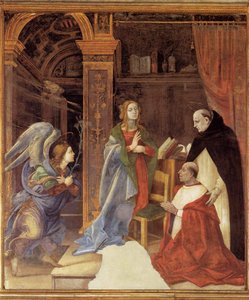
- Madurez (1485-1504): Dominio del estilo del Alto Renacimiento, ejemplificado por la Aparición de Cristo a la Virgen.
Obras Principales y Colaboraciones
- Colaboración con Perugino, Ghirlandaio y Botticelli en los frescos de la villa de Lorenzo de' Medici.
- Completó la decoración inacabada de Masaccio en la Capilla Brancacci junto a Masolino.
- Obras notables incluyen: La Coronación de la Virgen, Tobías y el Ángel, San Jerónimo y una Escena de la Vida de San Tomás de Aquino.
Influencias y Estilo Artístico
- Influencias Tempranas: Sandro Botticelli, Fra Filippo Lippi.
- Características del Estilo: Forma y línea animadas, cromatismo cálido, paisajes detallados, figuras expresivas y una mezcla de geometría de perspectiva con interiores íntimos.
- Antigüedades Romanas: Estudios tras antigüedades romanas durante su tiempo en Roma influyeron en su obra, incorporando un vocabulario antiguo a su arte.
Significado Histórico y Legado
- Un exponente florentino líder de la tradición de los grandes ciclos de frescos.
- Su influencia en el Alto Renacimiento es innegable.
- Obras se encuentran en museos de todo el mundo, incluyendo la Galería Uffizi en Florencia.
- Conocido por tender un puente entre estilos del Renacimiento temprano y la estética emergente del Alto Renacimiento.
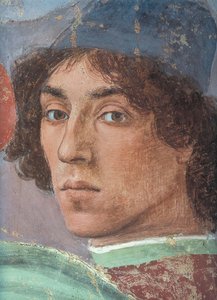
Filippino Lippi
1457 - 1504 , Italia
Datos clave
- Artistas Influenciados: ['Raffaellino del Garbo']
- Artistas Que Influyeron:
- Fra Filippo Lippi
- Sandro Botticelli
- Fecha De Muerte: Abril 1504
- Fecha De Nacimiento: Abril 1457
- Lugar De Nacimiento: Prato, Italia
- Movimiento Artístico: Alto Renacimiento
- Nacionalidad: Italiana
- Nombre Completo: Filippino Lippi
- Obras Notables:
- Coronación de la Virgen
- Viajes de Tobías
- San Jerónimo
- Vida de San Tomás Aquino
Artículos relacionados
Dante Gabriel Rossetti: Las 25 Obras Maestras del Prerrafaelismo | ArtsDot
Descubre las 25 obras maestras de Dante Gabriel Rossetti, el máximo exponente del Prerrafaelismo. Explora su simbolismo, retratos victorianos y la belleza femenina en lienzos inolvidables. Reproducciones de arte exclusivas en ArtsDot.com.
Celestial Messengers: Angels in Painting – A Historical & Artistic Exploration
Explore the captivating history of angels in painting! Discover symbolism, iconic Renaissance & Byzantine masterpieces, and renowned artists. Expert insights for art lovers & collectors at ArtsDot.
Celestial Messengers: A Comprehensive Exploration of Angelic Representation in Art History
Explore the captivating history of angels in art! Discover symbolism, iconic Renaissance masterpieces & renowned artists. Expert insights for art lovers & collectors at ArtsDot.
Filippino Lippi: Renaissance Innovation Bridging Faith & Humanism
Explore the captivating world of Filippino Lippi, a Renaissance master bridging faith & humanism through innovative art. Discover his key works, influences, and lasting legacy with ArtsDot.
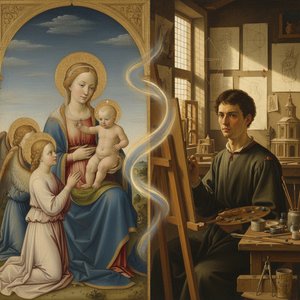
Filippo Lippi: Bridging Renaissance Devotion & Artistic Innovation
Explore the life & revolutionary art of Filippo Lippi, a pivotal Renaissance painter. Discover his masterpieces, influence on Botticelli, and investment potential. Expert analysis at ArtsDot.