 Ver en contexto
 Enviar
 Compartir
 Detalles

 Descargar
 Similares
 Radiografía
 Presentación de diapositivas
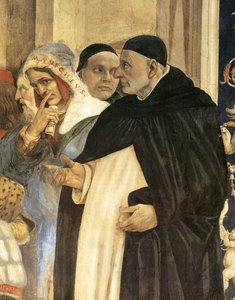
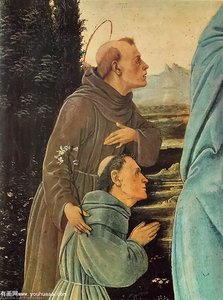
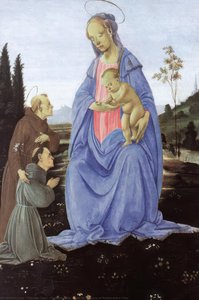
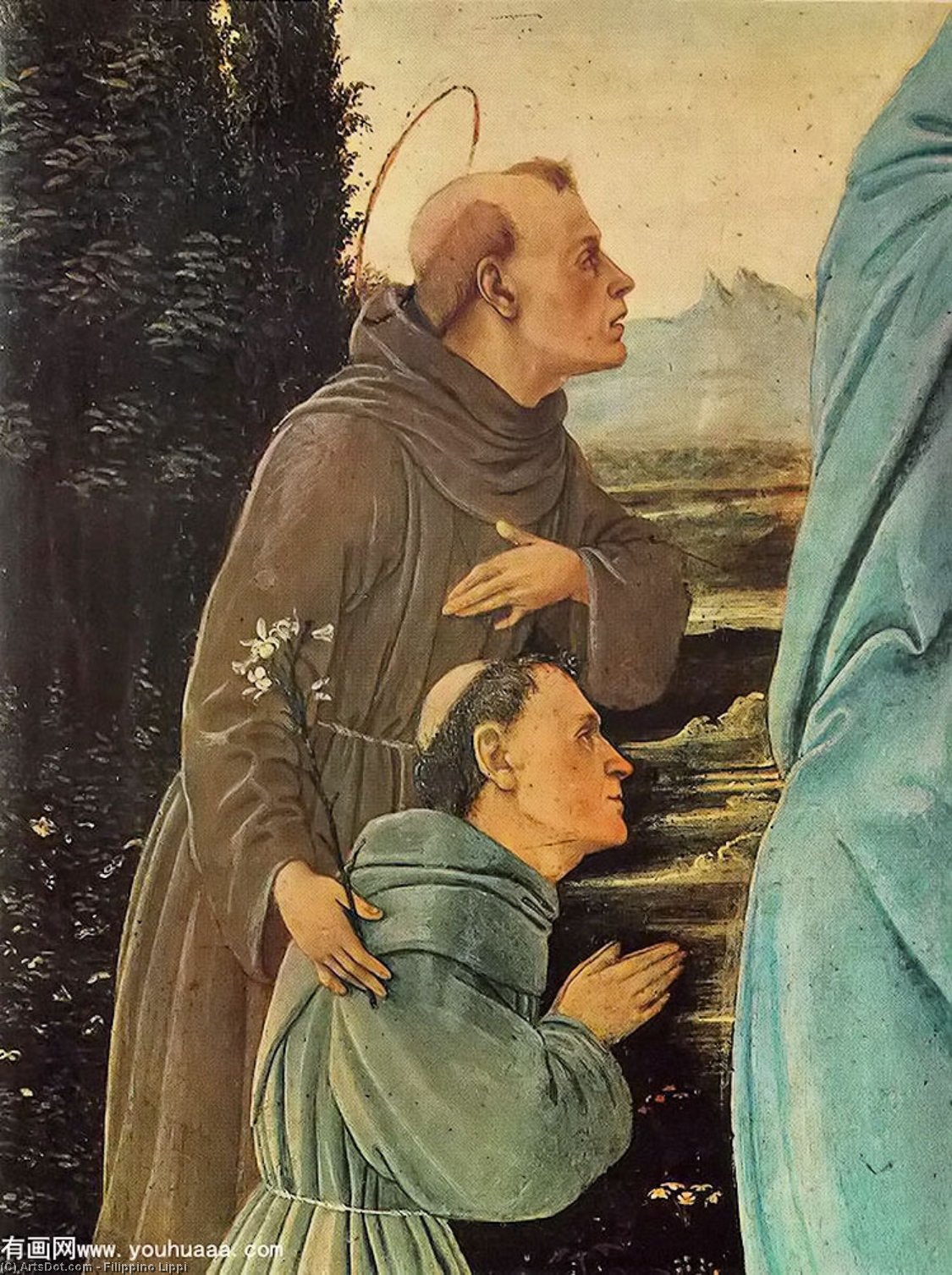
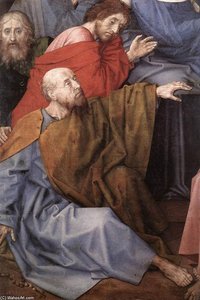
Madonna con el Niño, San Antonio de Padua y un fraile (detalle)


 Ver más
Reproducción al óleo hecha a mano
Óleo sobre lienzo pintado a mano en el tamaño y marco de su elección, realizado por encargo por nuestros artistas. ( Comprar impresión Comprar imagen)




P118B $10

P118H $10

P118W $10

P438Z $10

P508JH $12

P508YH $12

P805H $10

P805Z $10

P919BZ $10

P919G $10

P919XJ $10

P959ZH $10

P968JZ $12

W106C $8

W218G $10

W218JH $8

W218Y $10

W307PJ $10

W316G $10

W316PJ $8

W316Y $10

W398PJ $8

W4111J $10

W500HY $15

W500JH $15

W692G $12

W849H $8

W940BG $15

W953PJ $8




Elija entre nuestros tamaños predefinidos que respetan las proporciones originales de la obra.

Puede ingresar sus propias dimensiones para adaptarse a un marco o espacio específico. Si el tamaño seleccionado no coincide con las proporciones de la imagen original, recortaremos la obra o extenderemos la pintura con elementos adicionales pintados a mano. Se le enviará una maqueta digital para su aprobación antes de comenzar la producción.
Tenga en cuenta que la vista previa en pantalla no refleja el recorte o la extensión reales. Solo la maqueta mostrará con precisión la composición final.
Si bien existen tamaños personalizados, recomendamos seleccionar una dimensión de la lista predefinida para preservar las proporciones originales.
Tras realizar el pedido, el equipo de ArtsDot.com enviará un correo electrónico al cliente para solicitar instrucciones y proporcionarle una vista previa del boceto.
Envío a todo el mundo () en 3-4 semanas en lugar de las 5 semanas estándar. (4 septiembre). Sin comprometer la calidad.

Envío exprés gratuito a todo el mundo

Lienzo de lino de alta calidad

Seguro de envío total

Garantía de reembolso de impuestos aduaneros

Garantía de fidelidad cromática exacta

Política de devolución de 60 días (solo por defectos)

Garantía de devolución del 100% del dinero

Descuento por cantidad
 La opción de vidrio solo está disponible en tamaños inferiores a 110 cm.

Madonna con el Niño, San Antonio de Padua y un fraile (detalle)
Técnica de reproducción
Dimensiones de la reproducción
-


Precio total final
$ 263
Introduction
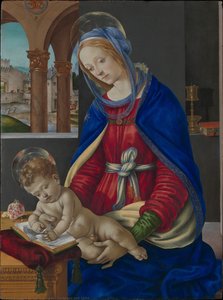
Filippino Lippi was an Italian painter from Florence who lived between 1457 and 1504. He was the son of Fra Filippo Lippi, a Carmelite friar and one of the most important painters of the early Renaissance. Filippino Lippi is known for his elegant figures, rich colors, and intricate details, which are evident in his painting Madonna with Child, St Anthony of Padua and a Friar, currently housed at the Szépmûvészeti Múzeum in Budapest, Hungary.
Description
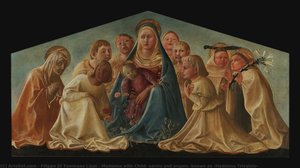
Madonna with Child, St Anthony of Padua and a Friar is a small painting on panel that measures 57 x 41 cm. It depicts the Virgin Mary holding the Christ Child on her lap, while St Anthony of Padua stands on the left side of the composition, looking at the viewer with a gentle smile. A friar, possibly representing Fra Filippo Lippi himself, is shown on the right side, kneeling in front of the Madonna and gazing at her with devotion.
The painting is executed in tempera, a technique that involves mixing pigments with egg yolk or another binder. The colors are bright and vivid, especially the blue of Mary's robe and the red of St Anthony's habit. The details of the faces, hands, and fabrics are rendered with great precision and delicacy, revealing Lippi's mastery of the medium.
Interpretation
Madonna with Child, St Anthony of Padua and a Friar is a devotional image that invites the viewer to contemplate the mystery of the Incarnation, the belief that God became man in the person of Jesus Christ. The presence of St Anthony of Padua, a popular saint known for his preaching and miracles, suggests that the painting may have been intended as an aid to meditation or prayer.
The friar in the painting may represent the donor who commissioned the work, or it could be a self-portrait of Filippino Lippi himself. In either case, his presence underscores the importance of the religious life and the role of art in expressing and promoting spiritual values.
Historical Context
Madonna with Child, St Anthony of Padua and a Friar was painted around 1485, during the early Renaissance period in Italy. This was a time of great cultural and artistic flowering, characterized by the revival of classical learning, the development of linear perspective, and the exploration of naturalism in art.
Filippino Lippi was one of the leading painters of his generation, along with Sandro Botticelli, Domenico Ghirlandaio, and Leonardo da Vinci. He was influenced by the works of Fra Angelico, Masaccio, and other early Renaissance masters, but he also incorporated elements from northern European art, such as the use of oil paint and the attention to detail.
Conclusion
Madonna with Child, St Anthony of Padua and a Friar is a beautiful and meaningful painting that showcases Filippino Lippi's artistic talent and spiritual vision. It is an example of the rich cultural heritage of Italy and the enduring appeal of religious art.
If you are interested in owning a reproduction of this masterpiece, please visit our website ArtsDot.com, where you can find high-quality handmade oil paintings that capture the beauty and essence of the original work.
- Sources:
- Smarthistory – Filippino Lippi’s Madonna and Child, an early Renaissance masterpiece
- Filippino Lippi's Madonna and Child - The Metropolitan Museum of Art
- Painting by 'Filippino Lippi' | Filippino Lippi:Madonna with Child, St Anthony of Padua and a Friar (detail) - ArtsDot.com
- Painting by 'Filippino Lippi' | Filippino Lippi:Madonna with Child, St Anthony of Padua and a Friar - ArtsDot.com
- Filippino Lippi - ArtsDot.com
Obras relacionadas
Biografía del artista
Primeros años y formación
- Nacimiento: Abril de 1457, Prato, Italia
- Fallecimiento: Abril de 1504
- Padres: Fra Filippo Lippi (pintor) y Lucrezia Buti
- Filippino fue el hijo ilegítimo de un renombrado pintor.
- La formación temprana bajo su padre sentó las bases para su carrera artística.
Carrera Artística y Desarrollo
- Período Temprano (1475-1480): Obras iniciales, como las Madonnas, mostraron un estilo menos refinado. Estas fueron inicialmente atribuidas a un artista anónimo conocido como "amico di Sandro".
- Evolución (1480-1485): Desarrollo de un enfoque más personal y efectivo en obras como los Viajes de Tobías.
- Madurez (1485-1504): Dominio del estilo del Alto Renacimiento, ejemplificado por la Aparición de Cristo a la Virgen.
Obras Principales y Colaboraciones
- Colaboración con Perugino, Ghirlandaio y Botticelli en los frescos de la villa de Lorenzo de' Medici.
- Completó la decoración inacabada de Masaccio en la Capilla Brancacci junto a Masolino.
- Obras notables incluyen: La Coronación de la Virgen, Tobías y el Ángel, San Jerónimo y una Escena de la Vida de San Tomás de Aquino.
Influencias y Estilo Artístico
- Influencias Tempranas: Sandro Botticelli, Fra Filippo Lippi.
- Características del Estilo: Forma y línea animadas, cromatismo cálido, paisajes detallados, figuras expresivas y una mezcla de geometría de perspectiva con interiores íntimos.
- Antigüedades Romanas: Estudios tras antigüedades romanas durante su tiempo en Roma influyeron en su obra, incorporando un vocabulario antiguo a su arte.
Significado Histórico y Legado
- Un exponente florentino líder de la tradición de los grandes ciclos de frescos.
- Su influencia en el Alto Renacimiento es innegable.
- Obras se encuentran en museos de todo el mundo, incluyendo la Galería Uffizi en Florencia.
- Conocido por tender un puente entre estilos del Renacimiento temprano y la estética emergente del Alto Renacimiento.
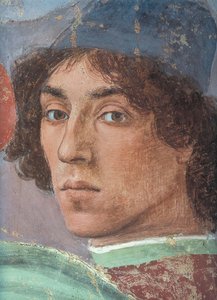
Filippino Lippi
1457 - 1504 , Italia
Datos clave
- Artistas Influenciados: ['Raffaellino del Garbo']
- Artistas Que Influyeron:
- Fra Filippo Lippi
- Sandro Botticelli
- Fecha De Muerte: Abril 1504
- Fecha De Nacimiento: Abril 1457
- Lugar De Nacimiento: Prato, Italia
- Movimiento Artístico: Alto Renacimiento
- Nacionalidad: Italiana
- Nombre Completo: Filippino Lippi
- Obras Notables:
- Coronación de la Virgen
- Viajes de Tobías
- San Jerónimo
- Vida de San Tomás Aquino
Artículos relacionados
Filippino Lippi: Renaissance Innovation Bridging Faith & Humanism
Explore the captivating world of Filippino Lippi, a Renaissance master bridging faith & humanism through innovative art. Discover his key works, influences, and lasting legacy with ArtsDot.
Filippo Lippi: Bridging Renaissance Devotion & Artistic Innovation
Explore the life & revolutionary art of Filippo Lippi, a pivotal Renaissance painter. Discover his masterpieces, influence on Botticelli, and investment potential. Expert analysis at ArtsDot.
El Greco: Las 25 Obras Maestras que Definen un Genio del Arte y la Fe
Descubre las 25 obras maestras de El Greco, el genio del Renacimiento español. Explora su arte religioso, manierismo y la historia detrás de cuadros icónicos como 'El Entierro del Conde de Orgaz'. Encuentra reproducciones de alta calidad en ArtsDot.com.
Rafael: Las 25 Obras Maestras que Definen al Genio del Renacimiento | ArtsDot
Descubre las 25 obras maestras de Rafael Sanzio, el genio del Renacimiento. Explora su historia, técnica y significado en pinturas icónicas como 'La Escuela de Atenas'. Reproducciones de arte de alta calidad para decorar tu hogar con elegancia. ¡Explora la colección completa en ArtsDot.com!
Botticelli: Las 25 Obras Maestras del Renacimiento para Decorar con Arte y Elegancia
Descubre las 25 obras maestras de Sandro Botticelli, el genio del Renacimiento italiano. Explora 'El Nacimiento de Venus', 'Primavera' y más: historia, técnica y belleza clásica. Encuentra reproducciones de arte exclusivas en ArtsDot.com.