 Vista previa
 Compartir
 Compartir
 Ver detalles

 Descargar
 Ver similares
 Radiografía
 Presentación de diapositivas
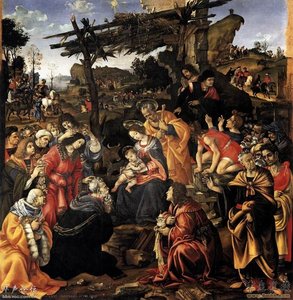
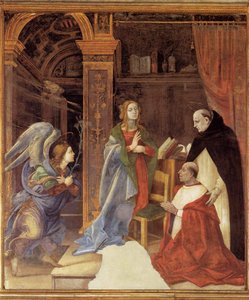
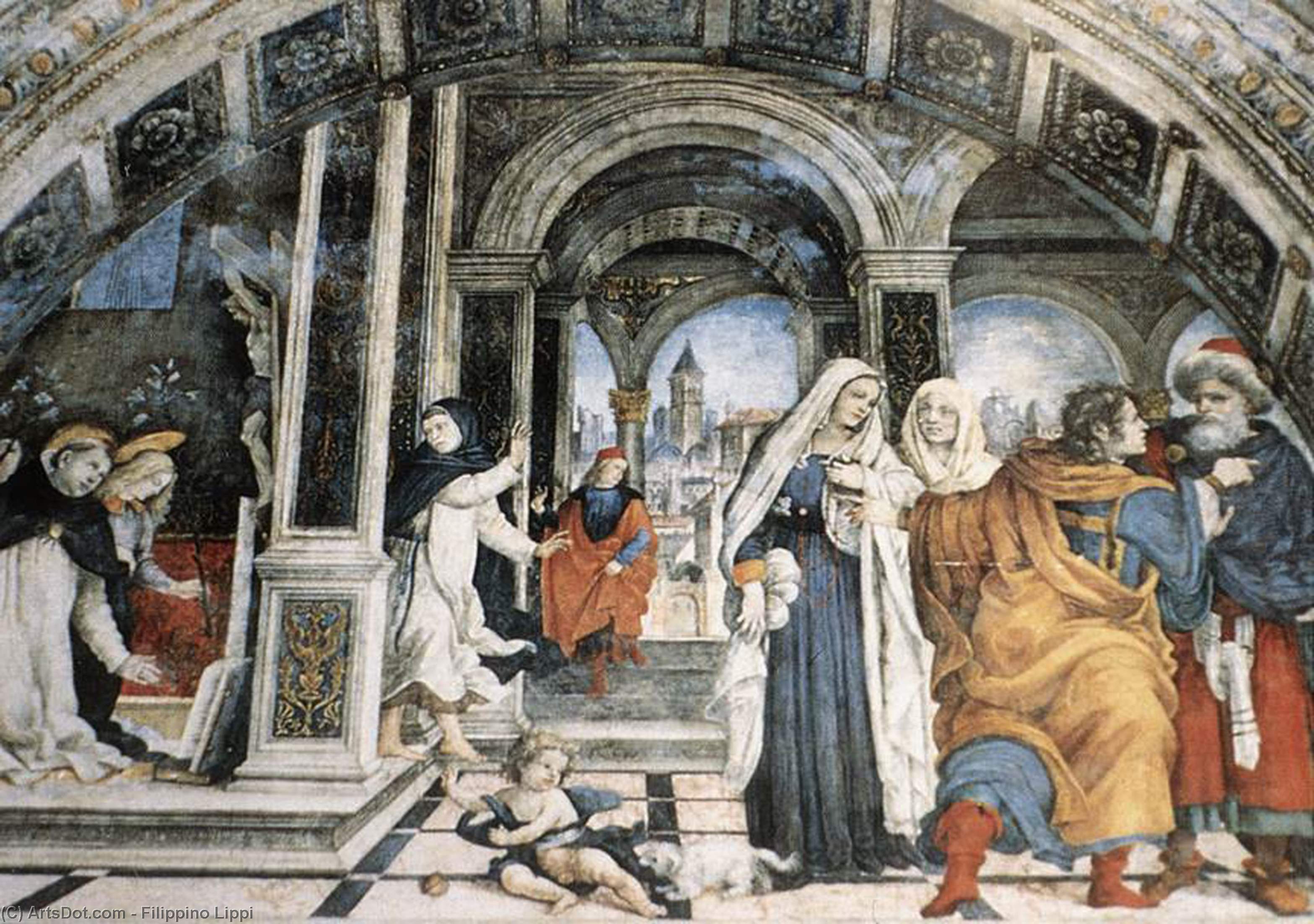
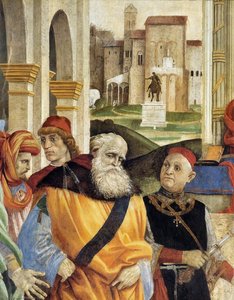
Miracle of St Thomas Aquinas


 Leer más
Giclée / Impresión de arte
Impresiones giclée o en lienzo de calidad de museo con producción rápida y opciones de acabado flexibles. ( Encargar reproducción pintada a mano Comprar descarga)




P118B $10

P118H $10

P118W $10

P438Z $10

P508JH $12

P508YH $12

P805H $10

P805Z $10

P919BZ $10

P919G $10

P919XJ $10

P959ZH $10

P968JZ $12

W106C $8

W218G $10

W218JH $8

W218Y $10

W307PJ $10

W316G $10

W316PJ $8

W316Y $10

W398PJ $8

W4111J $10

W500HY $15

W500JH $15

W692G $12

W849H $8

W940BG $15

W953PJ $8




Elija entre nuestros tamaños predefinidos que respetan las proporciones originales de la obra.

Puede introducir sus propias dimensiones para adaptarse a un marco o espacio específico. Si el tamaño seleccionado no coincide con las proporciones de la imagen original, recortaremos la obra de arte o extenderemos la imagen con un borde con efecto espejo o de color sólido. Se enviará una maqueta digital para su aprobación antes de que comience la producción.
Tenga en cuenta que la vista previa en pantalla no refleja el recorte o la extensión real. Solo la maqueta mostrará con precisión la composición final.
Aunque existen tamaños personalizados, recomendamos seleccionar una dimensión de la lista predefinida para preservar las proporciones originales.
Envío a todo el mundo () en 2 semanas en lugar de las 4/5 semanas estándar. (20 agosto)

Envío exprés gratuito a todo el mundo

Lienzo de lino de alta calidad

Seguro de envío completo

Garantía de reembolso de aranceles aduaneros

Garantía de fidelidad cromática exacta

Política de devolución de 60 días (solo por defectos)

Garantía de devolución del 100% del dinero

Oferta por volumen
 La opción de vidrio solo está disponible en tamaños inferiores a 110 cm.

Miracle of St Thomas Aquinas
Giclée / Impresión de arte
Tamaño de la reproducción
-


Precio total
$ 62
Descripción de la pieza
The Miracle of St. Thomas Aquinas: A Glimpse into Florentine High Renaissance Faith
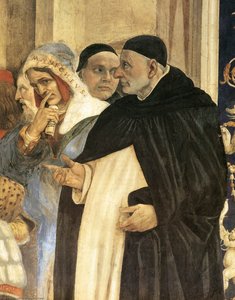
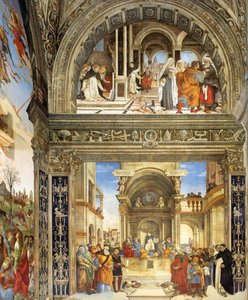
Filippino Lippi’s “Miracle of St. Thomas Aquinas” is more than just a fresco; it's a vibrant tableau vivant, a meticulously crafted window into the intellectual and spiritual heart of 15th-century Florence. Completed in 1489 for the Carafa Chapel within Santa Maria sopra Minerva, this monumental work transcends mere religious illustration, becoming a profound meditation on faith, reason, and the enduring legacy of one of history’s greatest thinkers. The scene unfolds within an intricately designed Gothic archway, immediately transporting the viewer to a space brimming with both earthly grandeur and divine illumination – a testament to Lippi's masterful command of perspective and his ability to fuse architectural ambition with human drama.
At the center of this captivating composition stands St. Thomas Aquinas himself, depicted not as a remote sage but as an active participant in a pivotal moment. He’s surrounded by a carefully chosen group of figures – women representing Philosophy, Astronomy, Theology, and Grammar, each embodying a key aspect of his intellectual pursuits. Their gestures are animated, their expressions thoughtful, suggesting a lively exchange of ideas. The surrounding crowd is equally compelling: a diverse array of individuals engaged in scholarly activities—sorting through books, debating concepts, and seemingly wrestling with the complexities of knowledge. This isn’t a static depiction of theological doctrine; it's a dynamic representation of learning, debate, and the pursuit of truth.
A Renaissance Synthesis: Style and Technique
Lippi’s style is deeply rooted in the Florentine High Renaissance, yet infused with a distinctly personal vision. He skillfully blends elements of tempera on plaster—the traditional medium for fresco painting—with oil-based pigments to achieve an astonishing level of detail and luminosity. The colors are rich and vibrant – deep reds, blues, and golds dominate, creating a dramatic visual impact that draws the eye across the expansive surface. Notice particularly the meticulous rendering of fabrics, the subtle gradations of light and shadow, and the expressive faces of the figures. Lippi’s technique is characterized by a remarkable ability to create a sense of depth and realism, while simultaneously maintaining an idealized beauty—a hallmark of Renaissance art.
The fresco's composition is carefully structured around geometric principles, reflecting the humanist interest in mathematics and proportion that flourished during this period. The archway itself serves as a visual anchor, framing the central scene and creating a sense of stability and order. Lippi’s use of perspective—particularly evident in the depiction of the cityscape visible through the arch – demonstrates his mastery of linear techniques, further enhancing the illusion of depth and realism. The overall effect is one of breathtaking grandeur and intellectual stimulation.
Symbolism and Historical Context
The “Miracle of St. Thomas Aquinas” isn’t simply a biographical portrait; it's laden with symbolic meaning. The miracle itself—depicted as Aquinas triumphing over the heretics – represents the victory of reason and faith, a central theme in his philosophical system. Each woman surrounding him embodies a key element of his intellectual framework: Philosophy guides the path to truth, Astronomy provides a cosmic perspective, Theology offers divine guidance, and Grammar ensures clarity of expression. The defeated heretics, identifiable by their distinctive attire and gestures, symbolize the errors and falsehoods that Aquinas sought to refute through rigorous scholarship.
The fresco was commissioned for the Carafa Chapel, named after the influential Caracciolo family who were patrons of the arts in Florence. The chapel itself is located within Santa Maria sopra Minerva, a church with a rich history dating back to the 6th century. The commission reflects the growing importance of humanist learning and the patronage of the arts by wealthy families like the Carafa—a period marked by intellectual ferment and artistic innovation. It’s important to note that Lippi was working during a time when the Dominican Order, to which he belonged, was actively promoting scholasticism – a method of philosophical reasoning based on logic and observation.
Emotional Resonance and Lasting Legacy
Beyond its historical and intellectual significance, “Miracle of St. Thomas Aquinas” possesses a powerful emotional resonance. The scene evokes a sense of wonder, curiosity, and the enduring quest for knowledge. The figures’ expressions—ranging from thoughtful contemplation to animated debate—suggest a vibrant intellectual community engaged in a shared pursuit of truth. The fresco invites viewers to join this conversation, prompting reflection on the nature of faith, reason, and the role of learning in shaping human understanding.
Reproductions of this masterpiece offer a remarkable opportunity to experience Lippi’s artistic genius firsthand. The intricate details, vibrant colors, and dynamic composition are faithfully captured in high-quality reproductions, allowing art lovers, collectors, and interior designers alike to bring the spirit of the High Renaissance into their homes or offices. It remains a testament to the enduring power of art to inspire, educate, and transport us across time and space.
Obras relacionadas
Biografía del artista
Primeros años y formación
- Nacimiento: Abril de 1457, Prato, Italia
- Fallecimiento: Abril de 1504
- Padres: Fra Filippo Lippi (pintor) y Lucrezia Buti
- Filippino fue el hijo ilegítimo de un renombrado pintor.
- La formación temprana bajo su padre sentó las bases para su carrera artística.
Carrera Artística y Desarrollo
- Período Temprano (1475-1480): Obras iniciales, como las Madonnas, mostraron un estilo menos refinado. Estas fueron inicialmente atribuidas a un artista anónimo conocido como "amico di Sandro".
- Evolución (1480-1485): Desarrollo de un enfoque más personal y efectivo en obras como los Viajes de Tobías.
- Madurez (1485-1504): Dominio del estilo del Alto Renacimiento, ejemplificado por la Aparición de Cristo a la Virgen.
Obras Principales y Colaboraciones
- Colaboración con Perugino, Ghirlandaio y Botticelli en los frescos de la villa de Lorenzo de' Medici.
- Completó la decoración inacabada de Masaccio en la Capilla Brancacci junto a Masolino.
- Obras notables incluyen: La Coronación de la Virgen, Tobías y el Ángel, San Jerónimo y una Escena de la Vida de San Tomás de Aquino.
Influencias y Estilo Artístico
- Influencias Tempranas: Sandro Botticelli, Fra Filippo Lippi.
- Características del Estilo: Forma y línea animadas, cromatismo cálido, paisajes detallados, figuras expresivas y una mezcla de geometría de perspectiva con interiores íntimos.
- Antigüedades Romanas: Estudios tras antigüedades romanas durante su tiempo en Roma influyeron en su obra, incorporando un vocabulario antiguo a su arte.
Significado Histórico y Legado
- Un exponente florentino líder de la tradición de los grandes ciclos de frescos.
- Su influencia en el Alto Renacimiento es innegable.
- Obras se encuentran en museos de todo el mundo, incluyendo la Galería Uffizi en Florencia.
- Conocido por tender un puente entre estilos del Renacimiento temprano y la estética emergente del Alto Renacimiento.
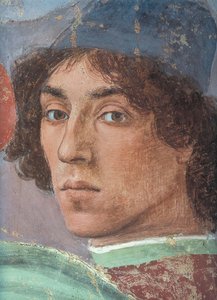
Filippino Lippi
1457 - 1504 , Italia
Datos clave
- Artistas Influenciados: ['Raffaellino del Garbo']
- Artistas Que Influyeron:
- Fra Filippo Lippi
- Sandro Botticelli
- Fecha De Muerte: Abril 1504
- Fecha De Nacimiento: Abril 1457
- Lugar De Nacimiento: Prato, Italia
- Movimiento Artístico: Alto Renacimiento
- Nacionalidad: Italiana
- Nombre Completo: Filippino Lippi
- Obras Notables:
- Coronación de la Virgen
- Viajes de Tobías
- San Jerónimo
- Vida de San Tomás Aquino
Artículos relacionados

Legado en las Paredes: Frescos Familiares que Trascienden el Tiempo
Descubre el arte del fresco muralístico para inmortalizar tu historia familiar. Expertos en frescos personalizados y técnicas ancestrales. Crea un legado visual único con .
Filippino Lippi: Renaissance Innovation Bridging Faith & Humanism
Explore the captivating world of Filippino Lippi, a Renaissance master bridging faith & humanism through innovative art. Discover his key works, influences, and lasting legacy with ArtsDot.

The Enduring Legacy of Fresco Painting: Techniques, History & Contemporary Relevance
Explore the rich history & enduring artistry of fresco painting – from Giotto to Michelangelo! Discover techniques, conservation efforts, & modern applications. Learn how ArtsDot brings this timeless art form to your home.
The Enduring Legacy of Fresco: Technique, History & Artistic Expression Across Cultures
Explore the rich history & enduring legacy of fresco painting! Discover ancient techniques, Giotto's masterpieces, and modern applications. Expert insights for art lovers & professionals.
¿El Arte que Habita Contigo: El Poder Emocional de un Fresco Interior Personalizado?
Descubre el poder emocional de un fresco interior personalizado. Expertos en arte te guían para crear una obra única que refleje tu estilo y valore tu hogar. : calidad, confianza y diseño excepcional.