 Ver en contexto
 Enviar
 Compartir
 Detalles

 Descargar
 Similares
 Radiografía
 Presentación de diapositivas
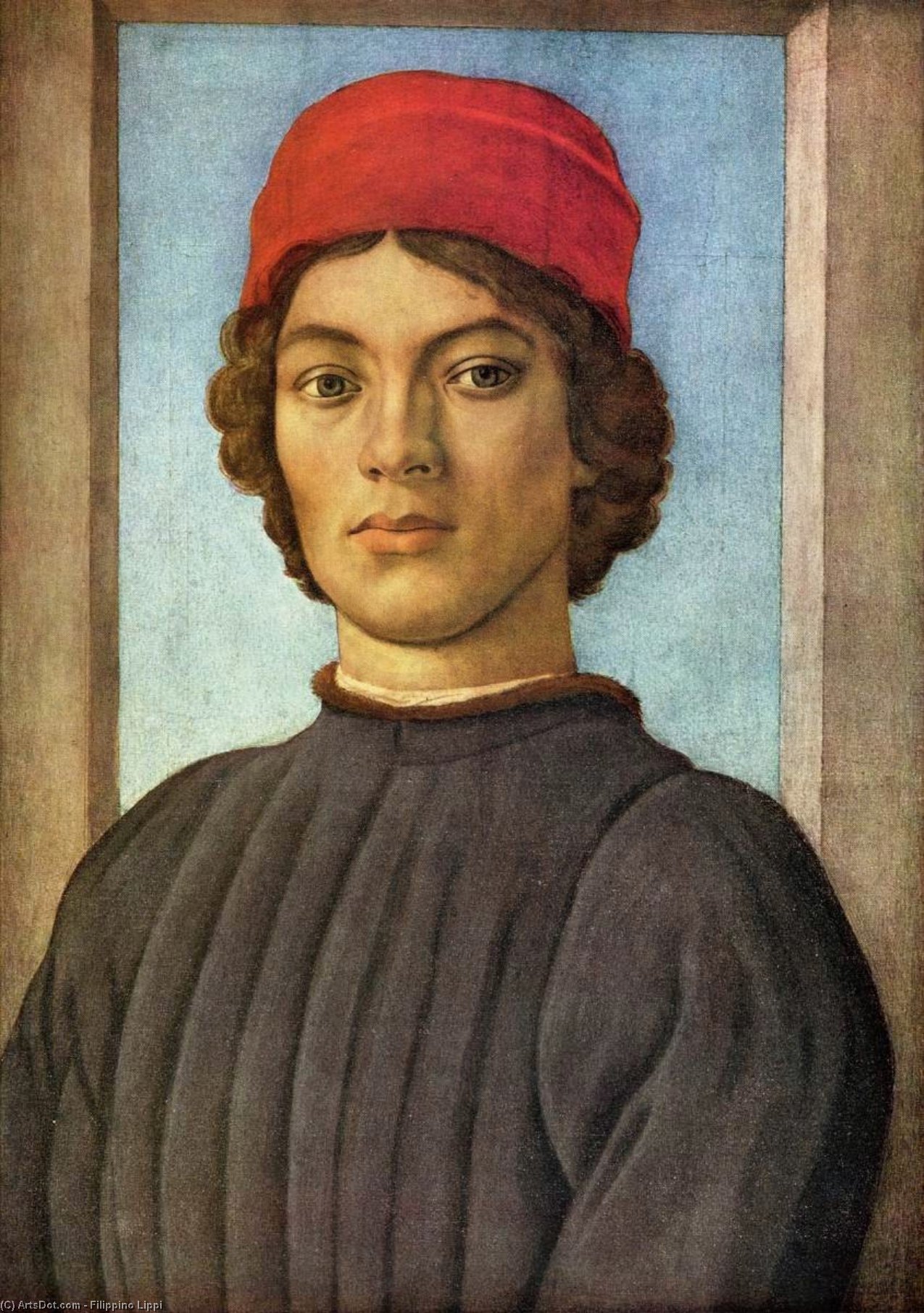
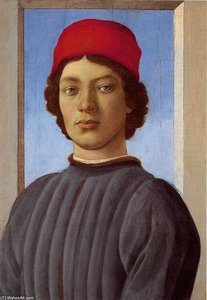
Portrait of a Youth
 Óleo sobre lienzo
- Arte de pared
- High Renaissance
 1485
1485 52.0 x 37.0 cm
 Galería Nacional de Arte
 Ver más
Reproducción al óleo hecha a mano
Óleo sobre lienzo pintado a mano en el tamaño y marco de su elección, realizado por encargo por nuestros artistas. ( Comprar impresión Comprar imagen)




P118B $10

P118H $10

P118W $10

P438Z $10

P508JH $12

P508YH $12

P805H $10

P805Z $10

P919BZ $10

P919G $10

P919XJ $10

P959ZH $10

P968JZ $12

W106C $8

W218G $10

W218JH $8

W218Y $10

W307PJ $10

W316G $10

W316PJ $8

W316Y $10

W398PJ $8

W4111J $10

W500HY $15

W500JH $15

W692G $12

W849H $8

W940BG $15

W953PJ $8




Elija entre nuestros tamaños predefinidos que respetan las proporciones originales de la obra.

Puede ingresar sus propias dimensiones para adaptarse a un marco o espacio específico. Si el tamaño seleccionado no coincide con las proporciones de la imagen original, recortaremos la obra o extenderemos la pintura con elementos adicionales pintados a mano. Se le enviará una maqueta digital para su aprobación antes de comenzar la producción.
Tenga en cuenta que la vista previa en pantalla no refleja el recorte o la extensión reales. Solo la maqueta mostrará con precisión la composición final.
Si bien existen tamaños personalizados, recomendamos seleccionar una dimensión de la lista predefinida para preservar las proporciones originales.
Tras realizar el pedido, el equipo de ArtsDot.com enviará un correo electrónico al cliente para solicitar instrucciones y proporcionarle una vista previa del boceto.
Envío a todo el mundo () en 3-4 semanas en lugar de las 5 semanas estándar. (25 agosto). Sin comprometer la calidad.

Envío exprés gratuito a todo el mundo

Lienzo de lino de alta calidad

Seguro de envío total

Garantía de reembolso de impuestos aduaneros

Garantía de fidelidad cromática exacta

Política de devolución de 60 días (solo por defectos)

Garantía de devolución del 100% del dinero

Descuento por cantidad
 La opción de vidrio solo está disponible en tamaños inferiores a 110 cm.

Portrait of a Youth
Técnica de reproducción
Dimensiones de la reproducción
-


Precio total final
$ 263
Descripción de la obra
A Portrait of Youthful Promise: Filippo Lippi’s Masterpiece
Filippino Lippi's "Portrait of a Youth," painted circa 1485, is more than just a depiction of a young man; it’s a window into the burgeoning artistic spirit of Renaissance Florence. Held within the National Gallery of Art in Washington D.C., this tempera-on-panel work embodies a delicate balance between Botticelli's graceful elegance and Lippi’s own developing, intensely expressive style. The painting immediately draws the viewer in with its subject’s direct gaze – an arresting combination of youthful confidence and quiet contemplation. He is presented against a subtly rendered background, a simple window and doorway hinting at a world beyond, yet his focus remains entirely on the present moment.
Lippi's artistic journey was one marked by both collaboration and independent innovation. Initially apprenticed to his father, Fra Filippo Lippi, a renowned painter in his own right, Filippino quickly absorbed the lessons of masters like Botticelli, whose influence is undeniably visible in the portrait’s refined lines and harmonious composition. However, unlike a mere imitation, Filippino swiftly forged his own path, injecting a palpable emotional depth into his work that distinguished him from his predecessors. This painting stands as a testament to this transition – a moment where youthful innocence meets nascent artistic maturity.
Technique and Materials: A Study in Light and Color
The remarkable quality of “Portrait of a Youth” lies not only in its subject matter but also in Lippi’s masterful handling of color and texture. He employs a technique known as *tempera*, meticulously layering thin washes of pigment onto the panel, creating a luminous surface that seems to glow from within. The palette is restrained yet sophisticated – primarily blues, grays, and beiges—allowing the subtle nuances of light and shadow to define the subject’s features with remarkable precision. Note particularly the delicate modeling of the face, where Lippi skillfully uses variations in tone to create a sense of volume and form.
The artist's attention to detail is evident in every brushstroke. The folds of the clothing are rendered with subtle gradations of color, while the texture of the skin is suggested through delicate highlights and shadows. Even the simple background—a window and doorway—is treated with a remarkable degree of care, contributing to the overall sense of depth and realism. This careful attention to detail speaks volumes about Lippi’s dedication to his craft and his desire to capture not just an image but also a feeling.
Symbolism and Context: A Portrait of Renaissance Values
The portrait itself is deeply rooted in the values of the High Renaissance, reflecting a renewed interest in humanism and individual expression. The young man’s direct gaze invites the viewer into his world, fostering a sense of intimacy and connection. His posture—relaxed yet alert—suggests confidence and self-awareness, qualities highly valued during this period. The inclusion of the window and doorway can be interpreted as symbolic, representing both the limitations and possibilities of human existence.
Furthermore, the painting’s provenance offers intriguing insights into its history. Initially attributed to Botticelli by Bernard Berenson, it later gained recognition as a work by Filippino Lippi himself. The portrait's journey through various collections—from the Liechtenstein family to Mr. and Mrs. Frank D. Stout—testifies to its enduring appeal and artistic merit. The inclusion of the inscription “is perfecit opus” on an angel’s scroll, originally thought to be a self-portrait, adds another layer of complexity and intrigue to this captivating work.
A Timeless Masterpiece: Inspiration for Art & Design
“Portrait of a Youth” remains a powerful example of Renaissance portraiture, showcasing Lippi's unique artistic vision. Its delicate beauty, nuanced emotion, and masterful technique continue to inspire artists, collectors, and interior designers alike. Reproductions of this painting offer an exceptional opportunity to bring its timeless elegance into any space, serving as a reminder of the enduring power of art to capture the essence of human experience. Consider how the subtle color palette and balanced composition can inform contemporary design choices – a testament to Lippi’s lasting legacy.
Obras relacionadas

Biografía del artista
Primeros años y formación
- Nacimiento: Abril de 1457, Prato, Italia
- Fallecimiento: Abril de 1504
- Padres: Fra Filippo Lippi (pintor) y Lucrezia Buti
- Filippino fue el hijo ilegítimo de un renombrado pintor.
- La formación temprana bajo su padre sentó las bases para su carrera artística.
Carrera Artística y Desarrollo
- Período Temprano (1475-1480): Obras iniciales, como las Madonnas, mostraron un estilo menos refinado. Estas fueron inicialmente atribuidas a un artista anónimo conocido como "amico di Sandro".
- Evolución (1480-1485): Desarrollo de un enfoque más personal y efectivo en obras como los Viajes de Tobías.
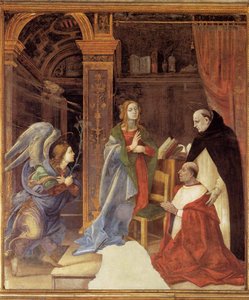
- Madurez (1485-1504): Dominio del estilo del Alto Renacimiento, ejemplificado por la Aparición de Cristo a la Virgen.
Obras Principales y Colaboraciones
- Colaboración con Perugino, Ghirlandaio y Botticelli en los frescos de la villa de Lorenzo de' Medici.
- Completó la decoración inacabada de Masaccio en la Capilla Brancacci junto a Masolino.
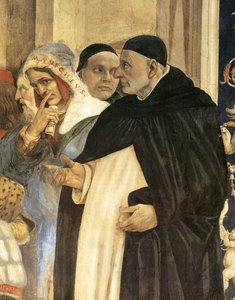
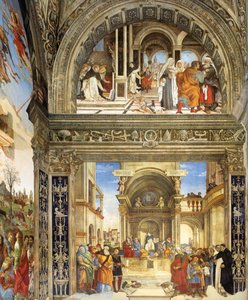
- Obras notables incluyen: La Coronación de la Virgen, Tobías y el Ángel, San Jerónimo y una Escena de la Vida de San Tomás de Aquino.
Influencias y Estilo Artístico
- Influencias Tempranas: Sandro Botticelli, Fra Filippo Lippi.
- Características del Estilo: Forma y línea animadas, cromatismo cálido, paisajes detallados, figuras expresivas y una mezcla de geometría de perspectiva con interiores íntimos.
- Antigüedades Romanas: Estudios tras antigüedades romanas durante su tiempo en Roma influyeron en su obra, incorporando un vocabulario antiguo a su arte.
Significado Histórico y Legado
- Un exponente florentino líder de la tradición de los grandes ciclos de frescos.
- Su influencia en el Alto Renacimiento es innegable.
- Obras se encuentran en museos de todo el mundo, incluyendo la Galería Uffizi en Florencia.
- Conocido por tender un puente entre estilos del Renacimiento temprano y la estética emergente del Alto Renacimiento.
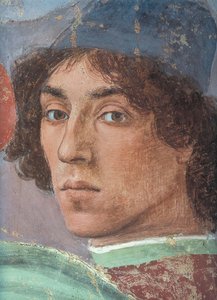
Filippino Lippi
1457 - 1504 , Italia
Datos clave
- Artistas Influenciados: ['Raffaellino del Garbo']
- Artistas Que Influyeron:
- Fra Filippo Lippi
- Sandro Botticelli
- Fecha De Muerte: Abril 1504
- Fecha De Nacimiento: Abril 1457
- Lugar De Nacimiento: Prato, Italia
- Movimiento Artístico: Alto Renacimiento
- Nacionalidad: Italiana
- Nombre Completo: Filippino Lippi
- Obras Notables:
- Coronación de la Virgen
- Viajes de Tobías
- San Jerónimo
- Vida de San Tomás Aquino
Artículos relacionados
Filippino Lippi: Renaissance Innovation Bridging Faith & Humanism
Explore the captivating world of Filippino Lippi, a Renaissance master bridging faith & humanism through innovative art. Discover his key works, influences, and lasting legacy with ArtsDot.

Crimson Threads of Narrative: Exploring Symbolism & Representation in Artworks Featuring the Red Dress
Explore the rich symbolism of the red dress in art history! From ancient power displays to iconic portraits like Cézanne’s 'Madame Cezanne', discover the cultural and artistic significance behind this captivating color. Expert analysis & insights.

Filippo Lippi: Bridging Renaissance Devotion & Artistic Innovation
Explore the life & revolutionary art of Filippo Lippi, a pivotal Renaissance painter. Discover his masterpieces, influence on Botticelli, and investment potential. Expert analysis at ArtsDot.
El Resplandor del Tiempo: Explorando la Técnica y el Legado de la Témpera sobre Tabla
Descubra la fascinante historia y técnica de la témpera sobre tabla. Explore los materiales, el simbolismo y la conservación de esta antigua forma de arte con ArtsDot.
Illuminating History: A Comprehensive Exploration of Tempera Painting Techniques & Artistic Legacy
Explore the rich history & techniques of tempera painting! Discover Renaissance masters like Botticelli & Fra Angelico, conservation insights, and the enduring legacy of this captivating art form.