 Ver en contexto
 Enviar
 Compartir
 Detalles

 Descargar
 Similares
 Radiografía
 Presentación de diapositivas
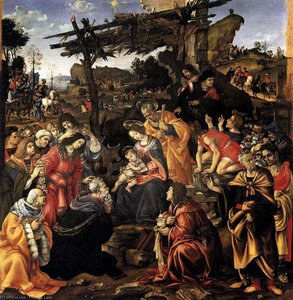
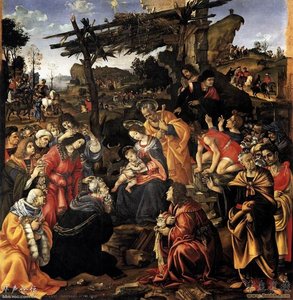
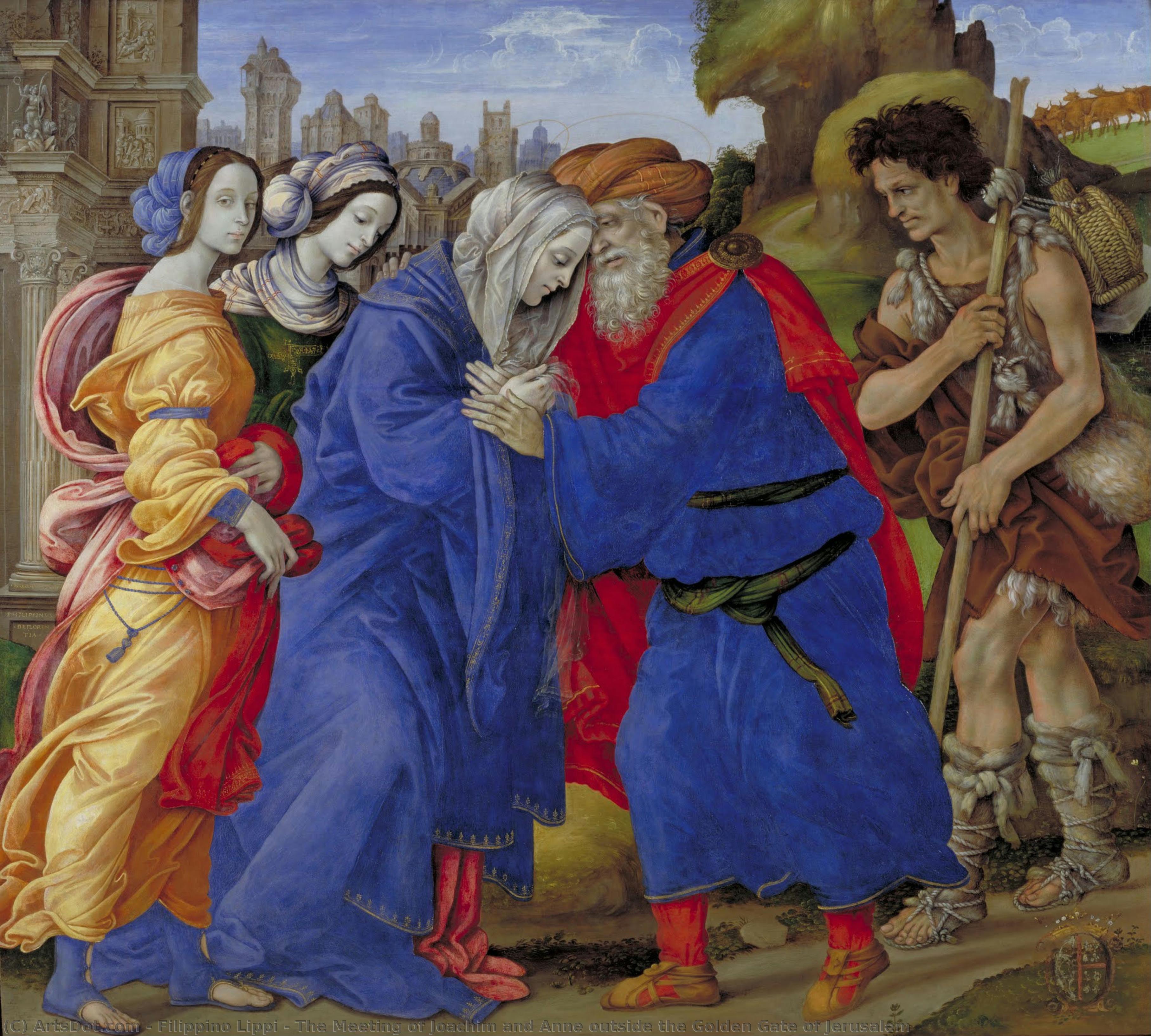
The Meeting of Joachim and Anne outside the Golden Gate of Jerusalem
 Témpera sobre tabla
- Arte de pared
- High Renaissance
 1497
1497- Renacimiento
 124.0 x 112.0 cm
 Galería Nacional de Dinamarca
 Ver más
Giclée / Impresión de arte
Impresiones giclée o en lienzo de calidad de museo con producción rápida y opciones de acabado flexibles. ( Comprar pintura hecha a mano Comprar imagen)




P118B $10

P118H $10

P118W $10

P438Z $10

P508JH $12

P508YH $12

P805H $10

P805Z $10

P919BZ $10

P919G $10

P919XJ $10

P959ZH $10

P968JZ $12

W106C $8

W218G $10

W218JH $8

W218Y $10

W307PJ $10

W316G $10

W316PJ $8

W316Y $10

W398PJ $8

W4111J $10

W500HY $15

W500JH $15

W692G $12

W849H $8

W940BG $15

W953PJ $8




Elija entre nuestros tamaños predefinidos que respetan las proporciones originales de la obra.

Puede introducir sus propias dimensiones para adaptarse a un marco o espacio específico. Si el tamaño seleccionado no coincide con las proporciones de la imagen original, recortaremos la obra de arte o extenderemos la imagen con un borde con efecto espejo o de color sólido. Se enviará una maqueta digital para su aprobación antes de que comience la producción.
Tenga en cuenta que la vista previa en pantalla no refleja el recorte o la extensión real. Solo la maqueta mostrará con precisión la composición final.
Aunque existen tamaños personalizados, recomendamos seleccionar una dimensión de la lista predefinida para preservar las proporciones originales.
Envío a todo el mundo () en 2 semanas en lugar de las 4/5 semanas estándar. (7 septiembre)

Envío exprés gratuito a todo el mundo

Lienzo de lino de alta calidad

Seguro de envío total

Garantía de reembolso de impuestos aduaneros

Garantía de fidelidad cromática exacta

Política de devolución de 100 días (solo por defectos)

Garantía de devolución del 100% del dinero

Descuento por cantidad
 La opción de vidrio solo está disponible en tamaños inferiores a 110 cm.

The Meeting of Joachim and Anne outside the Golden Gate of Jerusalem
Giclée / Impresión de arte
Dimensiones de la reproducción
-


Precio total final
$ 62
A Divine Reunion: The Radiance of Filippino Lippi’s Masterpiece
In the quiet, hallowed halls of the Ashmolean Museum, there exists a window into a moment of profound spiritual ecstasy. Filippino Lippi’s “The Meeting of Joachim and Anne outside the Golden Gate of Jerusalem” is not merely a painting; it is a choreographed dance of faith and human emotion. Painted around 1497, this exquisite work captures the precise instant when two souls, separated by years of sorrow and perceived divine abandonment, are reunited in a burst of celestial grace. As the eyes wander across the wood panel, one is immediately struck by the ethereal beauty that defines the High Renaissance—a period where the earthly and the divine were woven together with unparalleled finesse.
The narrative strength of this piece lies in its ability to translate medieval legend into a visual symphony. Drawing from the Legenda Aurea, Lippi depicts the miraculous conception of the Virgin Mary, occurring at the very moment Joachim and Anne find one another before the monumental Golden Gate. The composition is anchored by this powerful embrace, where the figures are bathed in a warm, golden light that seems to emanately from the architecture itself. This use of gilding, combined with the delicate tempera technique, creates a shimmering effect that elevates the scene from a historical reconstruction to a transcendental vision. For the collector or the lover of fine art, the painting offers a sense of timelessness, inviting the viewer to participate in a sacred mystery.
The Mastery of Line and Light
To behold this work is to witness the culmination of a legendary lineage. Filippino Lippi, the son of the great Fra Filippo Lippi, carried forward his father’s meticulous attention to detail while infusing it with the lyrical, flowing grace he learned from his mentor, Sandro Botticelli. This stylistic synthesis is palpable in every brushstroke. The figures possess an elegant, elongated quality that speaks to the refined sensibilities of the Florentine school, yet there is a grounded, sculptural weight to their forms that hints at the burgeoning realism of the High Renaissance.
The technique employed—tempera on wood panel with strategic gilding—allows for a luminous depth that modern pigments struggle to replicate. The way the light catches the gilded elements of the Golden Gate creates a rhythmic interplay between shadow and brilliance, guiding the viewer’s gaze through the crowded, yet harmonious, scene. Notice how the blue robes of the onlookers provide a cool, stabilizing contrast to the warm, golden atmosphere of the central reunion. This careful balance of color temperature ensures that while the scene is bustling with secondary figures and symbolic objects, the emotional core remains focused and undisturbed.
An Inspiration for the Discerning Eye
For interior designers and connoisseurs of classical beauty, a reproduction of this masterpiece serves as more than just decoration; it acts as an anchor of sophistication. The painting’s palette—rich golds, deep blues, and earthy tones—complements both grand, traditional estates and contemporary spaces that seek a touch of historical gravitas. It brings with it an atmosphere of contemplation and peace, making it an ideal centerpiece for a library, a formal study, or a curated gallery wall.
Beyond its aesthetic merits, the artwork offers a profound emotional resonance. It tells a story of hope, of the end of isolation, and the beginning of a new era. In an age of rapid change, the enduring stability of Lippi’s vision provides a sanctuary for the soul. Owning a high-quality hand-painted reproduction allows one to preserve this legacy of Renaissance idealism, ensuring that the light of the Golden Gate continues to illuminate the modern home with its incomparable warmth and spiritual depth.
Obras relacionadas



Biografía del artista
Primeros años y formación
- Nacimiento: Abril de 1457, Prato, Italia
- Fallecimiento: Abril de 1504
- Padres: Fra Filippo Lippi (pintor) y Lucrezia Buti
- Filippino fue el hijo ilegítimo de un renombrado pintor.
- La formación temprana bajo su padre sentó las bases para su carrera artística.
Carrera Artística y Desarrollo
- Período Temprano (1475-1480): Obras iniciales, como las Madonnas, mostraron un estilo menos refinado. Estas fueron inicialmente atribuidas a un artista anónimo conocido como "amico di Sandro".
- Evolución (1480-1485): Desarrollo de un enfoque más personal y efectivo en obras como los Viajes de Tobías.
- Madurez (1485-1504): Dominio del estilo del Alto Renacimiento, ejemplificado por la Aparición de Cristo a la Virgen.
Obras Principales y Colaboraciones
- Colaboración con Perugino, Ghirlandaio y Botticelli en los frescos de la villa de Lorenzo de' Medici.
- Completó la decoración inacabada de Masaccio en la Capilla Brancacci junto a Masolino.
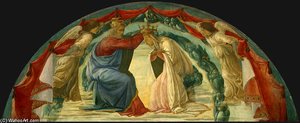
- Obras notables incluyen: La Coronación de la Virgen, Tobías y el Ángel, San Jerónimo y una Escena de la Vida de San Tomás de Aquino.
Influencias y Estilo Artístico
- Influencias Tempranas: Sandro Botticelli, Fra Filippo Lippi.
- Características del Estilo: Forma y línea animadas, cromatismo cálido, paisajes detallados, figuras expresivas y una mezcla de geometría de perspectiva con interiores íntimos.
- Antigüedades Romanas: Estudios tras antigüedades romanas durante su tiempo en Roma influyeron en su obra, incorporando un vocabulario antiguo a su arte.
Significado Histórico y Legado
- Un exponente florentino líder de la tradición de los grandes ciclos de frescos.
- Su influencia en el Alto Renacimiento es innegable.
- Obras se encuentran en museos de todo el mundo, incluyendo la Galería Uffizi en Florencia.
- Conocido por tender un puente entre estilos del Renacimiento temprano y la estética emergente del Alto Renacimiento.
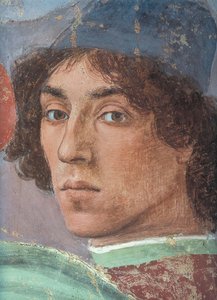
Filippino Lippi
1457 - 1504 , Italia
Datos clave
- Artistas Influenciados: ['Raffaellino del Garbo']
- Artistas Que Influyeron:
- Fra Filippo Lippi
- Sandro Botticelli
- Fecha De Muerte: Abril 1504
- Fecha De Nacimiento: Abril 1457
- Lugar De Nacimiento: Prato, Italia
- Movimiento Artístico: Alto Renacimiento
- Nacionalidad: Italiana
- Nombre Completo: Filippino Lippi
- Obras Notables:
- Coronación de la Virgen
- Viajes de Tobías
- San Jerónimo
- Vida de San Tomás Aquino
Artículos relacionados
Filippino Lippi: Renaissance Innovation Bridging Faith & Humanism
Explore the captivating world of Filippino Lippi, a Renaissance master bridging faith & humanism through innovative art. Discover his key works, influences, and lasting legacy with ArtsDot.
Filippo Lippi: Bridging Renaissance Devotion & Artistic Innovation
Explore the life & revolutionary art of Filippo Lippi, a pivotal Renaissance painter. Discover his masterpieces, influence on Botticelli, and investment potential. Expert analysis at ArtsDot.

Los 10 Maestros del Siglo de Oro Holandés: Arte, Historia y Decoración Exclusiva
Descubre los 10 imprescindibles del Siglo de Oro Holandés: Rembrandt, Vermeer y más. Explora la historia, técnica y belleza de estos lienzos clásicos. Encuentra reproducciones de arte exclusivas para decorar tu hogar en .

Reflejos de una Época Dorada: La Pintura Barroca Holandesa y la Innovación Cultural
Descubra la riqueza y el detalle de la pintura barroca holandesa del Siglo de Oro. Explore las obras maestras de Rembrandt, Vermeer y otros artistas clave. Análisis experto e historia cultural.
Golden Light & Dutch Skies: Bringing the Magic of Dutch Golden Age Landscapes into Your Home
Transform your home with the breathtaking light of Dutch Golden Age landscapes. Discover how hand-painted oil reproductions of masterworks like Ruisdael and Vermeer bring timeless elegance, atmosphere, and soulful texture to modern interiors. Elevate your space with museum-quality art.