 Enviar
 Compartir
 Detalles

 Descargar
 Similares
 Presentación de diapositivas
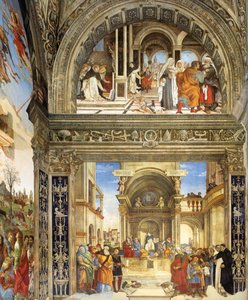
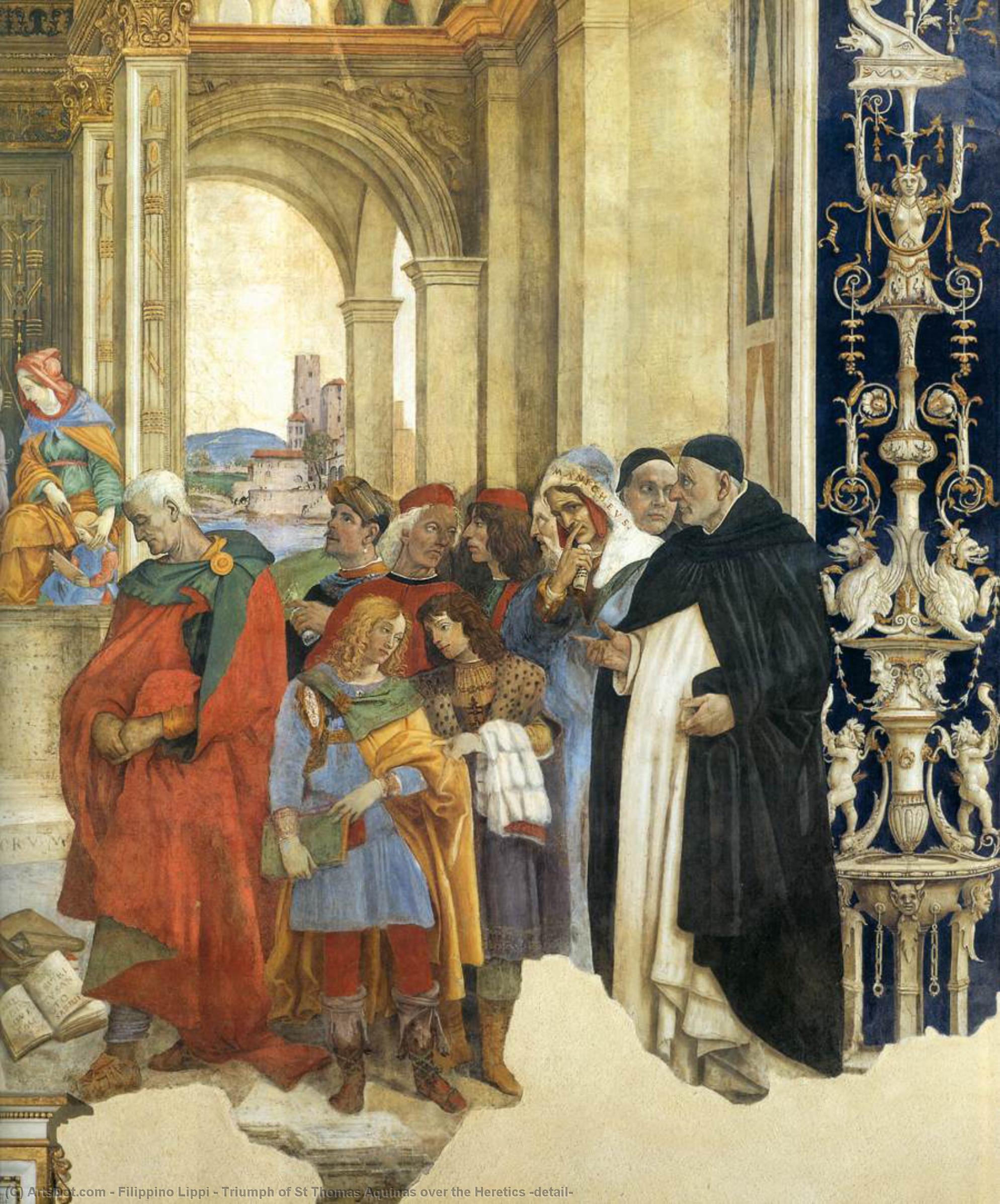
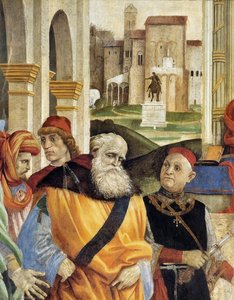
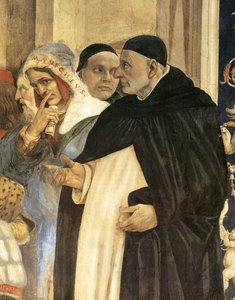
Triumph of St Thomas Aquinas over the Heretics (detail)


 Ver más
Giclée / Impresión de arte
Impresiones giclée o en lienzo de calidad de museo con producción rápida y opciones de acabado flexibles. ( Comprar pintura hecha a mano Comprar imagen)




































Elija entre nuestros tamaños predefinidos que respetan las proporciones originales de la obra.

Puede introducir sus propias dimensiones para adaptarse a un marco o espacio específico. Si el tamaño seleccionado no coincide con las proporciones de la imagen original, recortaremos la obra de arte o extenderemos la imagen con un borde con efecto espejo o de color sólido. Se enviará una maqueta digital para su aprobación antes de que comience la producción.
Tenga en cuenta que la vista previa en pantalla no refleja el recorte o la extensión real. Solo la maqueta mostrará con precisión la composición final.
Aunque existen tamaños personalizados, recomendamos seleccionar una dimensión de la lista predefinida para preservar las proporciones originales.
Envío a todo el mundo () en 2 semanas en lugar de las 4/5 semanas estándar. (29 agosto)

Envío exprés gratuito a todo el mundo

Lienzo de lino de alta calidad

Seguro de envío total

Garantía de reembolso de impuestos aduaneros

Garantía de fidelidad cromática exacta

Política de devolución de 60 días (solo por defectos)

Garantía de devolución del 100% del dinero

Descuento por cantidad
 La opción de vidrio solo está disponible en tamaños inferiores a 110 cm.

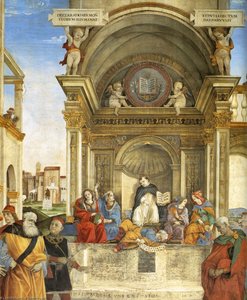
Triumph of St Thomas Aquinas over the Heretics (detail)
Giclée / Impresión de arte
Dimensiones de la reproducción
-


Precio total final
$ 62
A Tapestry of Faith and Intellect in Renaissance Florence
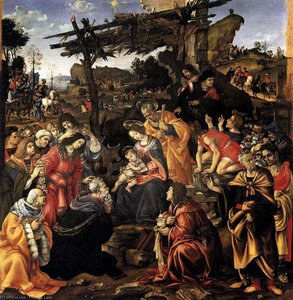
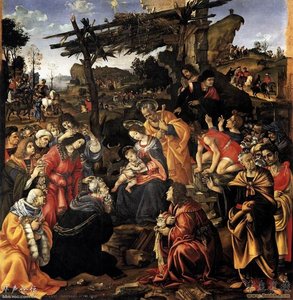
To gaze upon this detail from Filippino Lippi's fresco, Triumph of St Thomas Aquinas over the Heretics, is to step directly into the vibrant intellectual ferment of late Quattrocento Italy. The scene pulses with a palpable energy, capturing not merely an event, but a profound moment of spiritual and scholarly triumph. We are immersed in a gathering—a community knit together by shared belief and rigorous thought. The figures, rendered with characteristic grace, interact within what appears to be a richly detailed architectural setting, suggesting the importance of both divine revelation and established learning.
Mastery of Fresco Technique and Human Form
Lippi, whose career spanned the transition from early Renaissance refinement to High Renaissance mastery, demonstrates here an exquisite command over fresco painting. The very act of creating this work on wet plaster demanded a swift yet meticulous hand, allowing him to build depth and luminosity into every fold of drapery and every gesture of the assembled populace. Observe the varied poses: some figures stand in rapt attention, others engage in hushed, earnest conversation. Lippi populates the space with life; his understanding of human anatomy is evident, lending weight and believable emotion to even the most peripheral character. The interplay between the richly colored robes—particularly those striking reds—and the cooler tones of the background creates a visual rhythm that guides the eye through the narrative action.
Symbolism: The Victory of Reason Over Error
The subject matter itself, the triumph of St Thomas Aquinas, anchors the piece deeply within the theological currents of the era. Aquinas represented the pinnacle of scholastic thought—the harmonious synthesis of Christian doctrine with Aristotelian philosophy. In this fresco detail, the gathering represents the embrace of orthodox wisdom, while the implied opposition from the "heretics" speaks to the constant struggle for intellectual and spiritual purity. The atmosphere is one of reasoned conviction; it is a visual argument rendered in pigment, celebrating the enduring power of established truth illuminated by divine grace.
An Echo of Renaissance Community
For the modern admirer, this artwork transcends its specific religious narrative to speak to universal themes: community, debate, and enlightenment. The sense of shared purpose among the men and women gathered is deeply affecting. It suggests that knowledge is not a solitary pursuit but a communal endeavor, built through dialogue and mutual respect for profound ideas. Owning or displaying a reproduction of this piece allows one to invite into a space an atmosphere of cultivated contemplation—a reminder that the greatest human achievements often blossom at the intersection of deep faith and brilliant intellect.
Obras relacionadas
Biografía del artista
Primeros años y formación
- Nacimiento: Abril de 1457, Prato, Italia
- Fallecimiento: Abril de 1504
- Padres: Fra Filippo Lippi (pintor) y Lucrezia Buti
- Filippino fue el hijo ilegítimo de un renombrado pintor.
- La formación temprana bajo su padre sentó las bases para su carrera artística.
Carrera Artística y Desarrollo
- Período Temprano (1475-1480): Obras iniciales, como las Madonnas, mostraron un estilo menos refinado. Estas fueron inicialmente atribuidas a un artista anónimo conocido como "amico di Sandro".
- Evolución (1480-1485): Desarrollo de un enfoque más personal y efectivo en obras como los Viajes de Tobías.
- Madurez (1485-1504): Dominio del estilo del Alto Renacimiento, ejemplificado por la Aparición de Cristo a la Virgen.
Obras Principales y Colaboraciones
- Colaboración con Perugino, Ghirlandaio y Botticelli en los frescos de la villa de Lorenzo de' Medici.
- Completó la decoración inacabada de Masaccio en la Capilla Brancacci junto a Masolino.
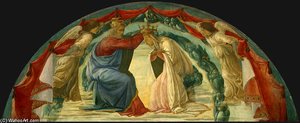
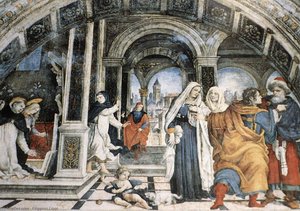
- Obras notables incluyen: La Coronación de la Virgen, Tobías y el Ángel, San Jerónimo y una Escena de la Vida de San Tomás de Aquino.
Influencias y Estilo Artístico
- Influencias Tempranas: Sandro Botticelli, Fra Filippo Lippi.
- Características del Estilo: Forma y línea animadas, cromatismo cálido, paisajes detallados, figuras expresivas y una mezcla de geometría de perspectiva con interiores íntimos.
- Antigüedades Romanas: Estudios tras antigüedades romanas durante su tiempo en Roma influyeron en su obra, incorporando un vocabulario antiguo a su arte.
Significado Histórico y Legado
- Un exponente florentino líder de la tradición de los grandes ciclos de frescos.
- Su influencia en el Alto Renacimiento es innegable.
- Obras se encuentran en museos de todo el mundo, incluyendo la Galería Uffizi en Florencia.
- Conocido por tender un puente entre estilos del Renacimiento temprano y la estética emergente del Alto Renacimiento.
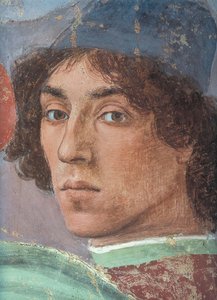
Filippino Lippi
1457 - 1504 , Italia
Datos clave
- Artistas Influenciados: ['Raffaellino del Garbo']
- Artistas Que Influyeron:
- Fra Filippo Lippi
- Sandro Botticelli
- Fecha De Muerte: Abril 1504
- Fecha De Nacimiento: Abril 1457
- Lugar De Nacimiento: Prato, Italia
- Movimiento Artístico: Alto Renacimiento
- Nacionalidad: Italiana
- Nombre Completo: Filippino Lippi
- Obras Notables:
- Coronación de la Virgen
- Viajes de Tobías
- San Jerónimo
- Vida de San Tomás Aquino
Artículos relacionados

Legado en las Paredes: Frescos Familiares que Trascienden el Tiempo
Descubre el arte del fresco muralístico para inmortalizar tu historia familiar. Expertos en frescos personalizados y técnicas ancestrales. Crea un legado visual único con .
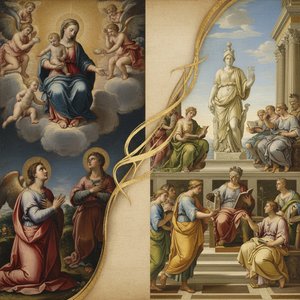
Filippino Lippi: Renaissance Innovation Bridging Faith & Humanism
Explore the captivating world of Filippino Lippi, a Renaissance master bridging faith & humanism through innovative art. Discover his key works, influences, and lasting legacy with ArtsDot.

The Enduring Legacy of Fresco: Technique, History & Artistic Expression Across Cultures
Explore the rich history & enduring legacy of fresco painting! Discover ancient techniques, Giotto's masterpieces, and modern applications. Expert insights for art lovers & professionals.

The Enduring Legacy of Fresco Painting: Techniques, History & Contemporary Relevance
Explore the rich history & enduring artistry of fresco painting – from Giotto to Michelangelo! Discover techniques, conservation efforts, & modern applications. Learn how ArtsDot brings this timeless art form to your home.
¿El Arte que Habita Contigo: El Poder Emocional de un Fresco Interior Personalizado?
Descubre el poder emocional de un fresco interior personalizado. Expertos en arte te guían para crear una obra única que refleje tu estilo y valore tu hogar. : calidad, confianza y diseño excepcional.