 Enviar
 Compartir
 Detalles

 Descargar
 Similares
 Presentación de diapositivas
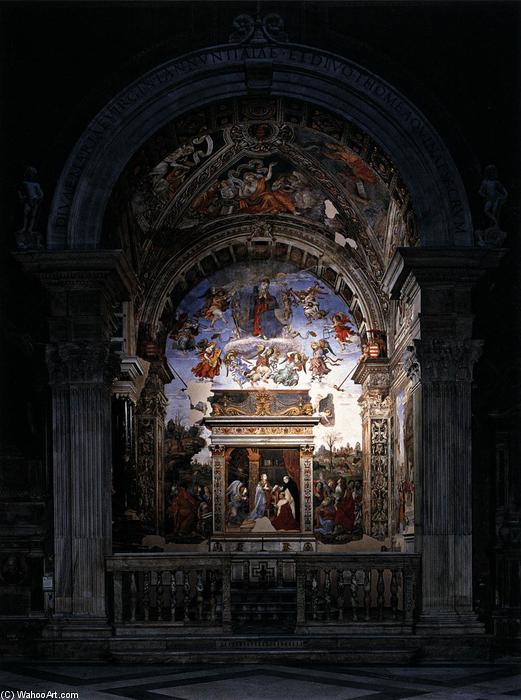
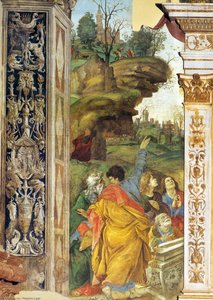
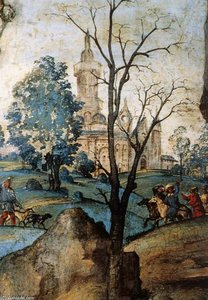
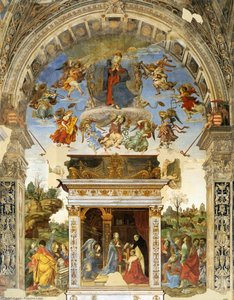
View of the Carafa Chapel


 Ver más
Reproducción al óleo hecha a mano
Óleo sobre lienzo pintado a mano en el tamaño y marco de su elección, realizado por encargo por nuestros artistas. ( Comprar impresión Comprar imagen)




































Elija entre nuestros tamaños predefinidos que respetan las proporciones originales de la obra.

Puede ingresar sus propias dimensiones para adaptarse a un marco o espacio específico. Si el tamaño seleccionado no coincide con las proporciones de la imagen original, recortaremos la obra o extenderemos la pintura con elementos adicionales pintados a mano. Se le enviará una maqueta digital para su aprobación antes de comenzar la producción.
Tenga en cuenta que la vista previa en pantalla no refleja el recorte o la extensión reales. Solo la maqueta mostrará con precisión la composición final.
Si bien existen tamaños personalizados, recomendamos seleccionar una dimensión de la lista predefinida para preservar las proporciones originales.
Tras realizar el pedido, el equipo de ArtsDot.com enviará un correo electrónico al cliente para solicitar instrucciones y proporcionarle una vista previa del boceto.
Envío a todo el mundo () en 3-4 semanas en lugar de las 5 semanas estándar. (23 agosto). Sin comprometer la calidad.

Envío exprés gratuito a todo el mundo

Lienzo de lino de alta calidad

Seguro de envío total

Garantía de reembolso de impuestos aduaneros

Garantía de fidelidad cromática exacta

Política de devolución de 60 días (solo por defectos)

Garantía de devolución del 100% del dinero

Descuento por cantidad
 La opción de vidrio solo está disponible en tamaños inferiores a 110 cm.

View of the Carafa Chapel
Técnica de reproducción
Dimensiones de la reproducción
-


Precio total final
$ 613
Descripción de la obra
The Carafa Chapel: A Symphony of Faith and Florentine Genius
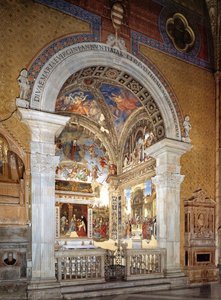
Within the heart of Santa Maria sopra Minerva in Rome lies the Carafa Chapel, a breathtaking testament to the artistic prowess of Filippino Lippi and a pivotal moment in Renaissance fresco painting. Completed between 1489 and 1491 for Cardinal Oliviero Carafa, this chapel is more than just a religious space; it’s a vibrant narrative unfolding across its walls—a carefully orchestrated dialogue between faith, humanism, and the burgeoning artistic innovations of the era. The chapel's significance extends beyond its exquisite decoration, offering a rare glimpse into the complex interplay of power, patronage, and artistic vision that defined 15th-century Florence.
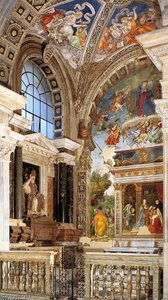
Lippi’s design for the Carafa Chapel was ambitious, encompassing not only the vault but also the walls above the high altar and the side panels. He masterfully employed a technique known as “sotto in su” – meaning “from below,” which involved painting from the floor upwards, creating an illusion of depth and three-dimensionality that was revolutionary for its time. This approach, heavily influenced by Masaccio’s groundbreaking work in the Brancacci Chapel, allowed Lippi to capture a sense of immediacy and realism previously unseen in fresco cycles. The result is a dynamic composition where figures seem to emerge directly from the wet plaster, imbued with life and movement.
The Vault: Sibyls and the Medici Echo
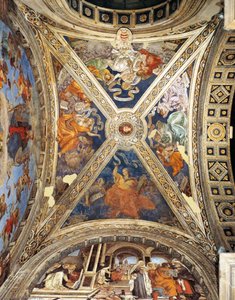
The vault of the Carafa Chapel immediately captivates with its depiction of four Sibyls – prophetic women revered throughout Christian tradition. These aren’t merely static figures; they are rendered in a dramatic, almost theatrical pose, their hands raised towards the heavens as if channeling divine inspiration. Lippi's masterful use of perspective and light draws the viewer into this celestial realm, creating a sense of awe and wonder. Notably, within each Sibyl’s triangular frame, a subtle but significant detail emerges: a medallion bearing the coat of arms of Lorenzo de’ Medici, Florence’s powerful ruler. This inclusion wasn't accidental; it was a clear expression of gratitude to the Medici for their support of Lippi’s commission and a strategic alliance between the Cardinal and the influential family.
The intricate patterns surrounding the Sibyls—a swirling combination of branches, diamonds, and books—further reinforce this connection. The books symbolize knowledge and wisdom, while the branching forms evoke the Medici family emblem, a stylized depiction of a laurel wreath. This carefully constructed visual language demonstrates Lippi’s skill in seamlessly integrating political and religious themes into his artistic vision.
The Central Panels: Annunciation and Assumption
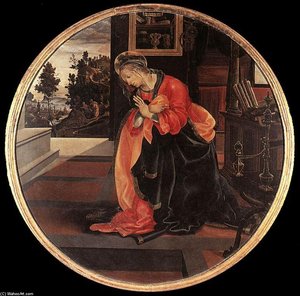
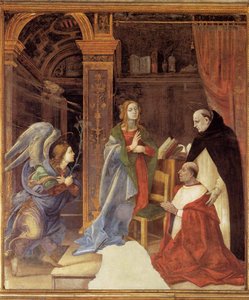
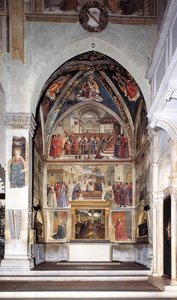
Moving to the central panels, we encounter two monumental scenes – the Annunciation and the Assumption of the Virgin Mary. The Annunciation is particularly striking for its unconventional composition. Instead of depicting the angel Gabriel delivering the news in a traditional setting, Lippi places St. Thomas presenting to Mary a kneeling Cardinal Carafa. This innovative arrangement highlights the importance of patronage within the context of religious art, suggesting that divine grace was often intertwined with earthly power and influence. The background is filled with a richly detailed interior scene, complete with a barrel vault, shelves laden with books, and a still life featuring a carafe – a symbol of purity – and an olive branch, alluding to Carafa’s command of the papal fleet.
The Assumption, flanking the Annunciation, presents a vision of Mary ascending into heaven. The scene is framed by radiant angels, creating a sense of ethereal beauty and spiritual transcendence. The figures are rendered with remarkable grace and fluidity, showcasing Lippi's mastery of anatomy and his ability to capture the emotional depth of religious experience.
A Legacy in Fresco
The Carafa Chapel stands as a landmark achievement in Renaissance fresco painting, representing a synthesis of artistic innovation, humanist ideals, and political patronage. Filippino Lippi’s work here is not merely decorative; it's a complex narrative that reflects the cultural and intellectual currents of 15th-century Florence. The chapel’s vibrant colors, dynamic compositions, and masterful use of perspective continue to captivate viewers today, offering a profound insight into the artistic genius of one of Italy’s most celebrated Renaissance painters.
Today, reproductions of this magnificent artwork are available through ArtsDot, allowing art enthusiasts worldwide to experience the beauty and depth of Lippi's masterpiece in their own homes.
Obras relacionadas
Biografía del artista
Primeros años y formación
- Nacimiento: Abril de 1457, Prato, Italia
- Fallecimiento: Abril de 1504
- Padres: Fra Filippo Lippi (pintor) y Lucrezia Buti
- Filippino fue el hijo ilegítimo de un renombrado pintor.
- La formación temprana bajo su padre sentó las bases para su carrera artística.
Carrera Artística y Desarrollo
- Período Temprano (1475-1480): Obras iniciales, como las Madonnas, mostraron un estilo menos refinado. Estas fueron inicialmente atribuidas a un artista anónimo conocido como "amico di Sandro".
- Evolución (1480-1485): Desarrollo de un enfoque más personal y efectivo en obras como los Viajes de Tobías.
- Madurez (1485-1504): Dominio del estilo del Alto Renacimiento, ejemplificado por la Aparición de Cristo a la Virgen.
Obras Principales y Colaboraciones
- Colaboración con Perugino, Ghirlandaio y Botticelli en los frescos de la villa de Lorenzo de' Medici.
- Completó la decoración inacabada de Masaccio en la Capilla Brancacci junto a Masolino.
- Obras notables incluyen: La Coronación de la Virgen, Tobías y el Ángel, San Jerónimo y una Escena de la Vida de San Tomás de Aquino.
Influencias y Estilo Artístico
- Influencias Tempranas: Sandro Botticelli, Fra Filippo Lippi.
- Características del Estilo: Forma y línea animadas, cromatismo cálido, paisajes detallados, figuras expresivas y una mezcla de geometría de perspectiva con interiores íntimos.
- Antigüedades Romanas: Estudios tras antigüedades romanas durante su tiempo en Roma influyeron en su obra, incorporando un vocabulario antiguo a su arte.
Significado Histórico y Legado
- Un exponente florentino líder de la tradición de los grandes ciclos de frescos.
- Su influencia en el Alto Renacimiento es innegable.
- Obras se encuentran en museos de todo el mundo, incluyendo la Galería Uffizi en Florencia.
- Conocido por tender un puente entre estilos del Renacimiento temprano y la estética emergente del Alto Renacimiento.
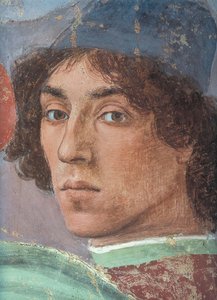
Filippino Lippi
1457 - 1504 , Italia
Datos clave
- Artistas Influenciados: ['Raffaellino del Garbo']
- Artistas Que Influyeron:
- Fra Filippo Lippi
- Sandro Botticelli
- Fecha De Muerte: Abril 1504
- Fecha De Nacimiento: Abril 1457
- Lugar De Nacimiento: Prato, Italia
- Movimiento Artístico: Alto Renacimiento
- Nacionalidad: Italiana
- Nombre Completo: Filippino Lippi
- Obras Notables:
- Coronación de la Virgen
- Viajes de Tobías
- San Jerónimo
- Vida de San Tomás Aquino
Artículos relacionados
Legado en las Paredes: Frescos Familiares que Trascienden el Tiempo
Descubre el arte del fresco muralístico para inmortalizar tu historia familiar. Expertos en frescos personalizados y técnicas ancestrales. Crea un legado visual único con .
The Enduring Legacy of Fresco Painting: Techniques, History & Contemporary Relevance
Explore the rich history & enduring artistry of fresco painting – from Giotto to Michelangelo! Discover techniques, conservation efforts, & modern applications. Learn how ArtsDot brings this timeless art form to your home.
The Enduring Legacy of Fresco: Technique, History & Artistic Expression Across Cultures
Explore the rich history & enduring legacy of fresco painting! Discover ancient techniques, Giotto's masterpieces, and modern applications. Expert insights for art lovers & professionals.
Filippino Lippi: Renaissance Innovation Bridging Faith & Humanism
Explore the captivating world of Filippino Lippi, a Renaissance master bridging faith & humanism through innovative art. Discover his key works, influences, and lasting legacy with ArtsDot.

¿El Arte que Habita Contigo: El Poder Emocional de un Fresco Interior Personalizado?
Descubre el poder emocional de un fresco interior personalizado. Expertos en arte te guían para crear una obra única que refleje tu estilo y valore tu hogar. : calidad, confianza y diseño excepcional.