

 Ver en contexto
 Enviar
 Compartir
 Detalles

 Descargar
 Similares
 Radiografía
 Presentación de diapositivas
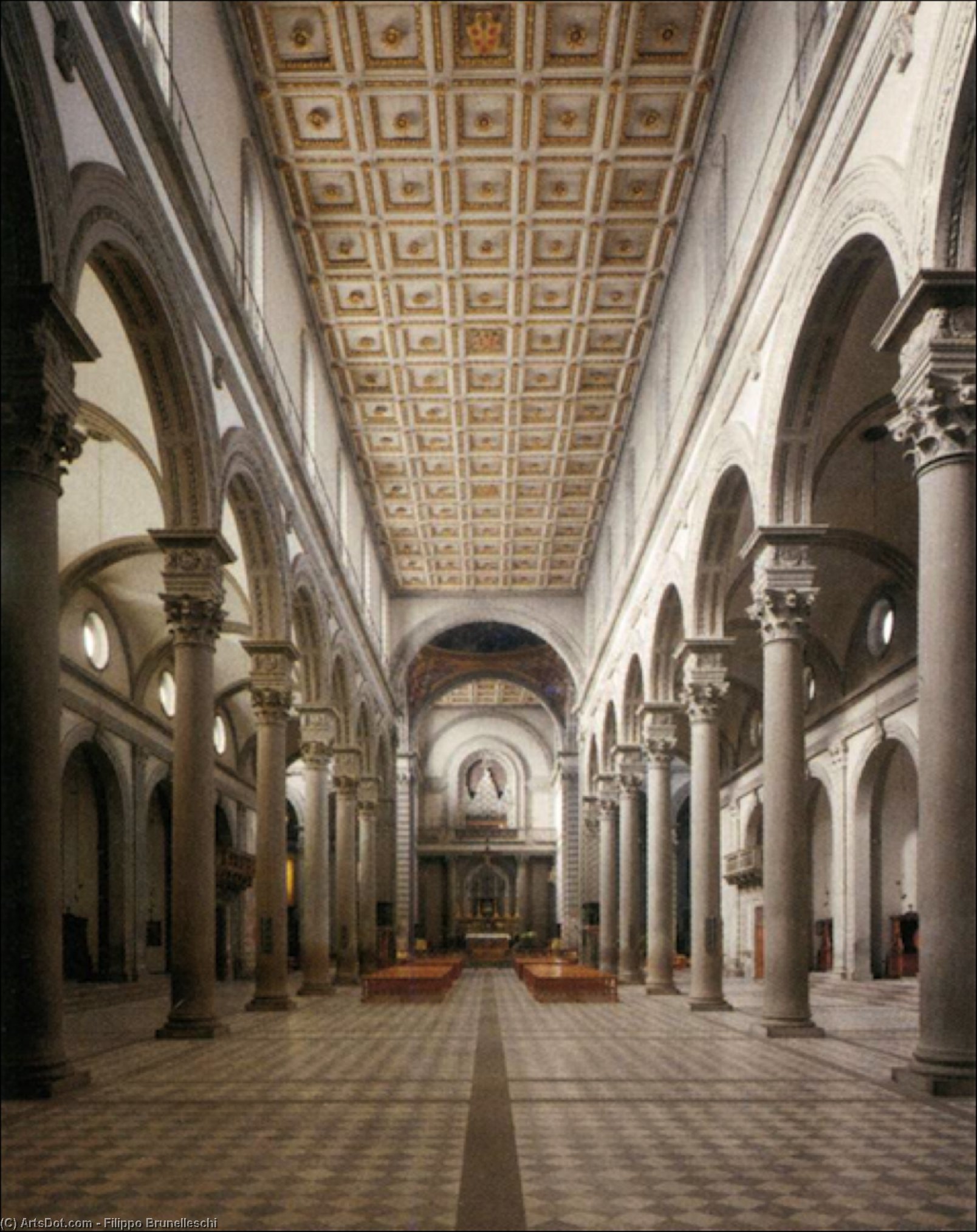
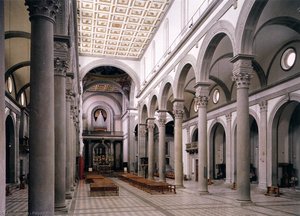
The nave of the church


 Ver más
Adquiera una imagen digital de alta resolución y optimizada, muy superior a la vista previa en línea.
Cada archivo es preparado meticulosamente por nuestros especialistas internos mediante el uso de herramientas avanzadas y un experto retoque manual. Nos aseguramos de que cada imagen posea una claridad excepcional, una precisión cromática impecable y un detalle minucioso.
El archivo final se entrega por correo electrónico en un plazo de 72 horas, optimizado para su uso inmediato en entornos profesionales, editoriales y de impresión. Esta es la misma calidad en la que confían los estudios de diseño, las editoriales y las galerías de primer nivel.
Imagen Digital
Descarga un archivo de alta resolución para exhibición personal, impresión y proyectos creativos. ( Comprar impresión Comprar pintura hecha a mano)
Incluido en cada pedido de imágenes digitales
Entrega digital experta, garantizada.
Al elegir ArtsDot.com, no solo está adquiriendo una imagen; está recibiendo una obra de arte digital mejorada profesionalmente, elaborada con precisión y respaldada por una garantía de satisfacción. Esto es todo lo que incluye su pedido, automáticamente:

Entrega rápida por email
Recibirá su archivo de imagen digital en alta resolución por correo electrónico en un plazo de 72 horas tras realizar su pedido, listo para su uso inmediato.

Archivo digital optimizado por IA
Su obra de arte se optimiza profesionalmente mediante herramientas avanzadas de IA y edición manual, garantizando el máximo detalle, claridad y precisión cromática.

Reenvío gratuito de por vida
¿Has borrado o perdido tu archivo por error? No te preocupes: te lo volveremos a enviar en cualquier momento, sin coste adicional.

Sin gastos de importación, siempre
Disfrute de su obra de arte al instante sin aduanas, aranceles ni gastos de envío; las descargas digitales siempre están libres de impuestos.

Garantía de fidelidad de color
Garantizamos que su imagen digital refleje los colores originales con la mayor fidelidad posible, mediante el uso de herramientas profesionales y gestión del color.

Garantía de satisfacción de 60 días
Si no está satisfecho con su imagen digital, la revisaremos o le reembolsaremos el 100% en un plazo de 60 días, sin preguntas.

100% Garantía de devolución de dinero
¿No está satisfecho? Obtenga un reembolso completo dentro de los 60 días posteriores a la recepción de su archivo digital, sin necesidad de explicaciones.

Descuentos por pedidos grandes
Compra 3 imágenes, ahorra 10% - Compra 5, ahorra 15% - Compra 10+, ahorra 20%. Ideal para proyectos creativos, galerías y agencias.
The Soul of Florence: Filippo Brunelleschi’s “The Nave of the Church”
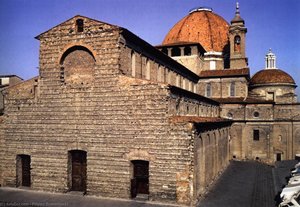
Within the venerable walls of the Basilica di San Lorenzo in Florence resides a painting that transcends mere representation; it is, quite simply, an embodiment of Renaissance ingenuity and spiritual aspiration. “The Nave of the Church,” meticulously crafted by Filippo Brunelleschi himself, offers a profound glimpse into the mind of a master architect and his unwavering belief in the power of visual harmony. More than just a depiction of a sacred space, this oil on canvas reproduction captures the very essence of Florentine ambition and the burgeoning spirit of humanism that defined the era.
Brunelleschi’s genius wasn't solely confined to towering domes and intricate facades; he possessed an extraordinary ability to translate three-dimensional reality onto a two-dimensional surface. This painting is a testament to his pioneering work in linear perspective, a technique he developed and refined during the construction of the Florence Cathedral dome. Notice how lines converge subtly towards a vanishing point – not just a technical exercise, but a deliberate attempt to create an illusion of depth and space, drawing the viewer into the heart of the basilica. The meticulous rendering of light and shadow further enhances this effect, lending a palpable sense of volume and atmosphere to the nave.
A Master’s Vision: Architectural Detail and Spiritual Resonance
The painting is dominated by the Basilica's impressive nave – a space designed not merely for worship but as a physical manifestation of divine order. Brunelleschi meticulously documented every column, archway, and decorative element in his notebooks, demonstrating an obsessive attention to detail that would later revolutionize architectural design. Observe the careful proportioning of the columns, mirroring the natural forms they support; the subtle curves of the arches, echoing the graceful sweep of the ceiling. These aren’t arbitrary choices; they are rooted in a deep understanding of geometry and human scale.
Beyond the technical brilliance, however, lies a profound spiritual intent. The Basilica itself was commissioned by Giovanni de' Medici, a testament to his family’s burgeoning power and piety. Brunelleschi’s painting serves as an invitation – a visual prayer – encouraging contemplation of God’s presence within this sacred space. The light streaming through the windows, depicted with remarkable realism, symbolizes divine illumination, while the overall composition evokes a sense of serenity and reverence.
Historical Context: Renaissance Florence and Architectural Innovation
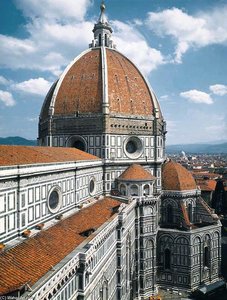
To truly appreciate “The Nave of the Church,” it's crucial to understand the historical context in which it was created. Florence during the 15th century was a crucible of artistic and intellectual innovation, fueled by the patronage of wealthy families like the Medici. Brunelleschi’s work reflected this spirit of experimentation and ambition, challenging established conventions and pushing the boundaries of what was considered possible. His success on the Florence Cathedral dome – a feat previously deemed impossible – cemented his reputation as a visionary architect and engineer.
Brunelleschi's approach to architecture wasn't simply about building structures; it was about creating experiences. He sought to harmonize form, function, and beauty, reflecting the humanist ideals that were transforming European society. “The Nave of the Church” embodies this philosophy perfectly – a testament to human ingenuity and a celebration of the divine.
Bringing Brunelleschi Home: A Reproduction for Your Space
At ArtsDot, we are proud to offer a meticulously crafted reproduction of “The Nave of the Church,” capturing every nuance and detail of Brunelleschi’s original masterpiece. Our artisans employ traditional oil painting techniques, using only the finest pigments and archival-quality canvas to ensure that this reproduction will endure for generations to come.
Whether you are an art enthusiast, a collector seeking to enrich your collection, or simply someone looking to add a touch of timeless elegance to your home or office, this reproduction offers a unique opportunity to connect with one of the Renaissance’s greatest minds. “The Nave of the Church” is more than just a painting; it's a window into the soul of Florence – a reminder of the enduring power of beauty, innovation, and spiritual aspiration.
For further information about Filippo Brunelleschi and his remarkable legacy, please visit Wikipedia.
Obras relacionadas

Biografía del artista
Filippo Brunelleschi: Pionero del Renacimiento
- Nacido: Florencia, Italia (1377)
- Fallecido: 1446
Primeros Años y Formación
- Brunelleschi recibió una educación literaria y matemática destinada a la carrera de su padre.
- Fue aprendiz en la Arte della Seta, el gremio de los comerciantes de lana.
- Se convirtió en maestro orfebre y escultor trabajando con bronce fundido.
- Las primeras esculturas incluyen estatuas de bronce de evangelistas y santos (1399-1400) para la Catedral de Pistoia.
- Participó en el concurso de 1401 para las puertas del Baptisterio de Florencia, junto con Lorenzo Ghiberti.
Logros Arquitectónicos e Innovaciones
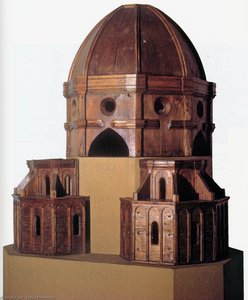
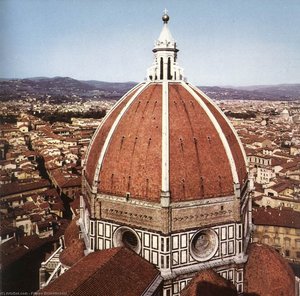
- Cúpula de la Catedral de Florencia: El logro más famoso de Brunelleschi es el diseño y la construcción de la cúpula de la Catedral de Florencia (Duomo). Esta fue una hazaña de ingeniería innovadora, ya que se construyó sin andamios tradicionales. Desarrolló técnicas innovadoras para izar materiales y gestionar la construcción.
- Perspectiva Lineal: Se le atribuye el redescubrimiento y la formalización de los principios de la perspectiva lineal en el arte. Esta técnica revolucionó la pintura y la arquitectura al crear representaciones realistas de profundidad y espacio.
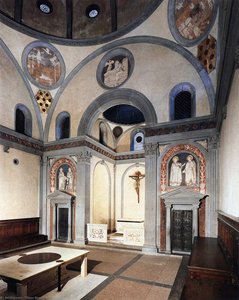
- Sacristía Vieja de San Lorenzo: Diseñó la Sacristía Vieja, que muestra su estilo arquitectónico caracterizado por proporciones clásicas y espacios armoniosos.
- Otras Obras Notables: Incluyen diseños para el Spedale degli Innocenti (hospital de abandonados), Palazzo Rucellai y la Basílica di San Lorenzo.
Influencias y Desarrollo
- Arquitectura Romana Antigua: Brunelleschi estudió las ruinas romanas antiguas en Roma, inspirándose en sus principios arquitectónicos y soluciones de ingeniería.
- Arquitectura Gótica: Aunque se alejó de los estilos góticos, su exposición temprana a la arquitectura gótica probablemente influyó en su comprensión de los desafíos estructurales.
- Humanismo: El floreciente movimiento humanista del Renacimiento enfatizaba el potencial y el logro humanos, lo que resonó con el enfoque innovador de Brunelleschi hacia el diseño y la ingeniería.
Legado y Significado Histórico
- Padre Fundador del Renacimiento: Brunelleschi es considerado uno de los padres fundadores del Renacimiento debido a sus contribuciones innovadoras al arte, la arquitectura y la ingeniería.
- Influencia en la Ingeniería Moderna: Sus técnicas de construcción innovadoras y su comprensión de la mecánica estructural sentaron las bases para las prácticas de ingeniería modernas.
- Impacto en el Arte: El desarrollo de la perspectiva lineal transformó la representación artística, influyendo en generaciones de artistas.
- Una Nueva Forma de Pensar: La obra de Brunelleschi reflejó una nueva forma de pensar sobre la humanidad y el mundo, enfatizando el humanismo y la cultura local.
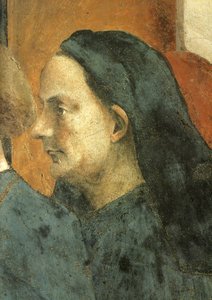
Filippo Brunelleschi
1377 - 1446 , Italia
Breves datos
- Fecha De Muerte: 1446
- Fecha De Nacimiento: 1377
- Lugar De Nacimiento: Florencia, Italia
- Movimiento Artístico: Primer Renacimiento
- Nacionalidad: Italiana
- Nombre Completo: Filippo Brunelleschi
- Obras Notables:
- Cúpula de Florencia
- Perspectiva lineal
- Sacristía Vieja
- Hospital degli Innocenti

