 Enviar
 Compartir
 Detalles

 Descargar
 Similares
 Presentación de diapositivas
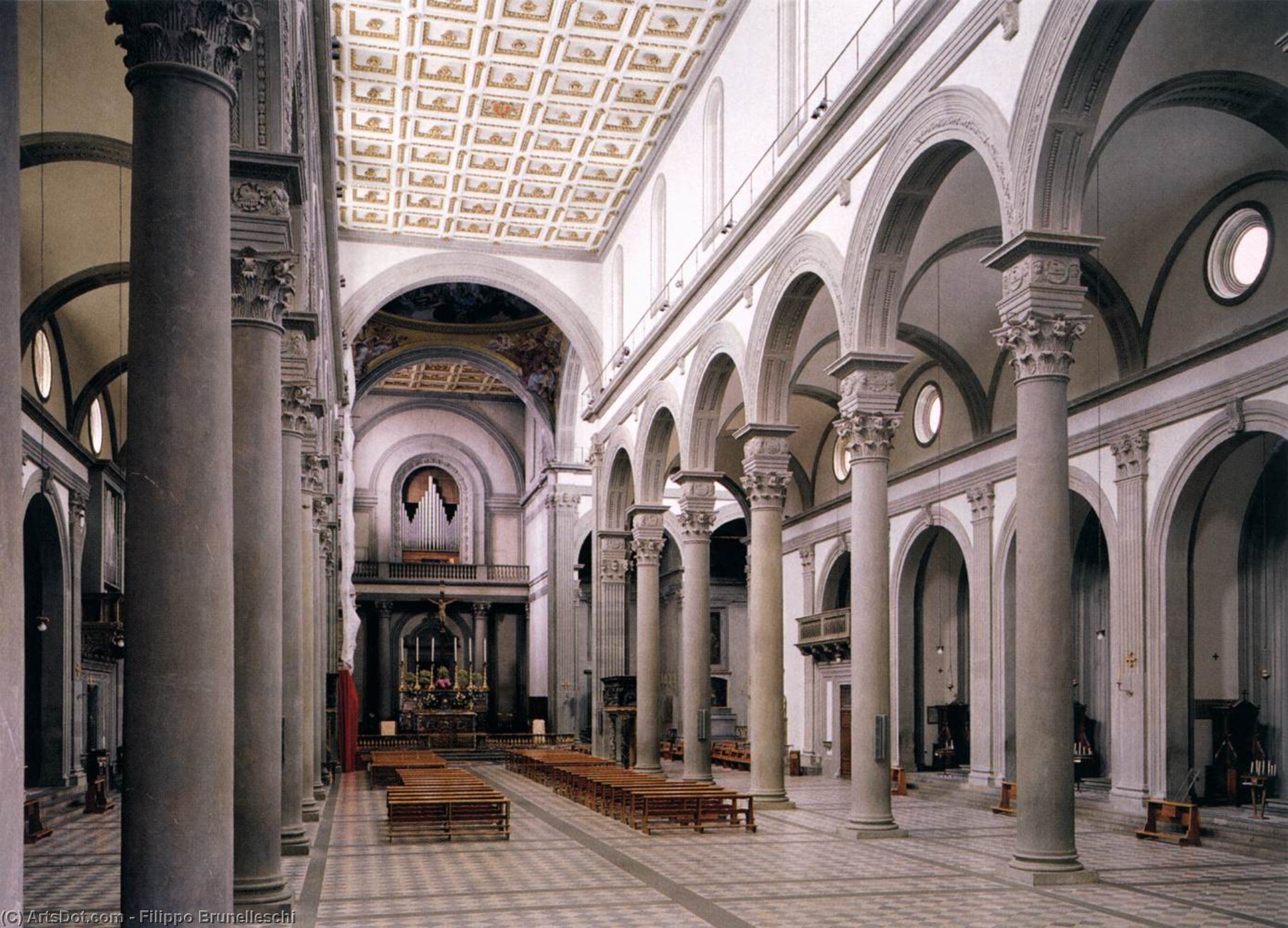
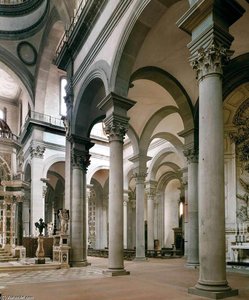
The nave of the church


 Ver más
Reproducción al óleo hecha a mano
Óleo sobre lienzo pintado a mano en el tamaño y marco de su elección, realizado por encargo por nuestros artistas. ( Comprar impresión Comprar imagen)




































Elija entre nuestros tamaños predefinidos que respetan las proporciones originales de la obra.

Puede ingresar sus propias dimensiones para adaptarse a un marco o espacio específico. Si el tamaño seleccionado no coincide con las proporciones de la imagen original, recortaremos la obra o extenderemos la pintura con elementos adicionales pintados a mano. Se le enviará una maqueta digital para su aprobación antes de comenzar la producción.
Tenga en cuenta que la vista previa en pantalla no refleja el recorte o la extensión reales. Solo la maqueta mostrará con precisión la composición final.
Si bien existen tamaños personalizados, recomendamos seleccionar una dimensión de la lista predefinida para preservar las proporciones originales.
Tras realizar el pedido, el equipo de ArtsDot.com enviará un correo electrónico al cliente para solicitar instrucciones y proporcionarle una vista previa del boceto.
Envío a todo el mundo () en 3-4 semanas en lugar de las 5 semanas estándar. (31 agosto). Sin comprometer la calidad.

Envío exprés gratuito a todo el mundo

Lienzo de lino de alta calidad

Seguro de envío total

Garantía de reembolso de impuestos aduaneros

Garantía de fidelidad cromática exacta

Política de devolución de 60 días (solo por defectos)

Garantía de devolución del 100% del dinero

Descuento por cantidad
 La opción de vidrio solo está disponible en tamaños inferiores a 110 cm.

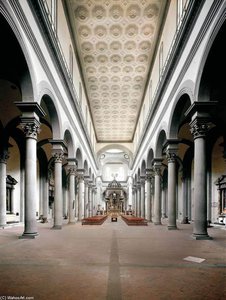
The nave of the church
Técnica de reproducción
Dimensiones de la reproducción
-


Precio total final
$ 263
A Monumental Vision: Exploring Filippo Brunelleschi’s ‘The Nave of the Church’
Filippo Brunelleschi – a name synonymous with innovation and artistic brilliance – stands as arguably the cornerstone upon which the Renaissance architectural movement was built. Born in Florence during a period of profound cultural transformation, his life coincided perfectly with the burgeoning desire to recapture the grandeur and sophistication of classical antiquity, an ambition that would irrevocably alter the course of European art history. Initially apprenticed to his father’s legal practice, Brunelleschi's innate fascination for craftsmanship swiftly steered him towards the mastery of sculpture and architecture – disciplines where meticulous observation and mathematical precision reigned supreme. This formative experience instilled within him a deep appreciation for proportion and harmony, principles that would permeate every subsequent project he undertook.- The Genesis of Genius: Early Influences Brunelleschi’s artistic sensibilities were nurtured by the humanist ideals prevalent in Florence during his youth, fostering an interest in reviving classical forms and celebrating human intellect. The rediscovery of Vitruvius' treatises on architecture – a pivotal moment for Renaissance thinkers – profoundly impacted Brunelleschi’s understanding of structural principles and aesthetic considerations.
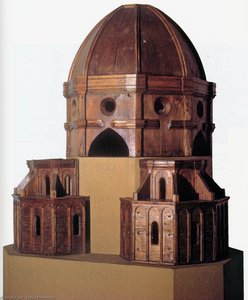
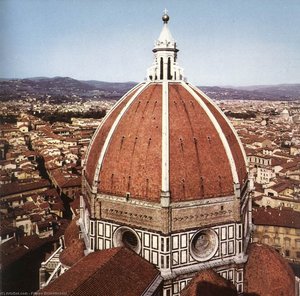
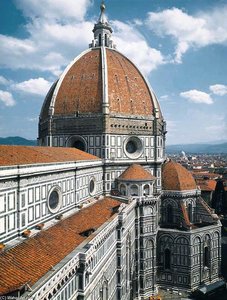
- The Dome of Florence Cathedral: A Breakthrough Before tackling ‘The Nave of the Church,’ Brunelleschi achieved unparalleled fame with his audacious undertaking to construct the dome of Florence Cathedral, a feat previously deemed impossible. This monumental achievement demonstrated his mastery of engineering and cemented his reputation as a visionary architect who dared to challenge conventional wisdom.
‘The Nave of the Church’: A Symphony in Stone and Light
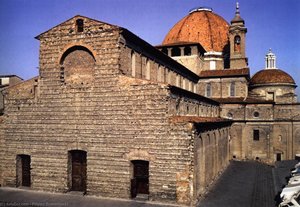
Located within San Lorenzo Basilica – one of Florence’s oldest churches and a testament to Medici patronage – ‘The Nave of the Church’ is more than just a depiction of architectural space; it embodies Brunelleschi's revolutionary approach to artistic representation. Painted sometime between 1425 and 1430, this fresco exemplifies Brunelleschi’s pioneering use of linear perspective—a technique he painstakingly rediscovered from ancient Greek sources. This groundbreaking innovation allowed artists to convincingly portray depth and volume on a flat surface, fundamentally altering the visual language of painting and influencing generations of subsequent artists.- Technical Virtuosity: Mastering Linear Perspective Brunelleschi’s meticulous calculations ensured that every element within the nave – from the towering columns to the distant altar – appeared accurately positioned relative to the viewer. This painstaking attention to detail underscores his unwavering commitment to scientific rigor alongside artistic creativity.
- Symbolic Resonance: Light and Divine Presence The fresco's composition deliberately directs the eye upwards, emphasizing the grandeur of the basilica’s interior and symbolizing the aspiration towards spiritual enlightenment. The diffused light emanating from unseen windows contributes to an atmosphere of serenity and reverence, reinforcing the church’s role as a sacred space.
A Legacy Enduring Through Time
‘The Nave of the Church’ stands as a beacon of Renaissance artistic achievement—a testament to Brunelleschi's unwavering belief in the power of observation and mathematical precision. Its enduring beauty lies not only in its masterful execution but also in its profound symbolic significance, reflecting the humanist values that defined the era and inspiring awe in viewers centuries later. Today, reproductions of this iconic fresco continue to captivate audiences worldwide, serving as a poignant reminder of Brunelleschi’s transformative contribution to art history.Obras relacionadas

Biografía del artista
Filippo Brunelleschi: Pionero del Renacimiento
- Nacido: Florencia, Italia (1377)
- Fallecido: 1446
Primeros Años y Formación
- Brunelleschi recibió una educación literaria y matemática destinada a la carrera de su padre.
- Fue aprendiz en la Arte della Seta, el gremio de los comerciantes de lana.
- Se convirtió en maestro orfebre y escultor trabajando con bronce fundido.
- Las primeras esculturas incluyen estatuas de bronce de evangelistas y santos (1399-1400) para la Catedral de Pistoia.
- Participó en el concurso de 1401 para las puertas del Baptisterio de Florencia, junto con Lorenzo Ghiberti.
Logros Arquitectónicos e Innovaciones
- Cúpula de la Catedral de Florencia: El logro más famoso de Brunelleschi es el diseño y la construcción de la cúpula de la Catedral de Florencia (Duomo). Esta fue una hazaña de ingeniería innovadora, ya que se construyó sin andamios tradicionales. Desarrolló técnicas innovadoras para izar materiales y gestionar la construcción.
- Perspectiva Lineal: Se le atribuye el redescubrimiento y la formalización de los principios de la perspectiva lineal en el arte. Esta técnica revolucionó la pintura y la arquitectura al crear representaciones realistas de profundidad y espacio.
- Sacristía Vieja de San Lorenzo: Diseñó la Sacristía Vieja, que muestra su estilo arquitectónico caracterizado por proporciones clásicas y espacios armoniosos.
- Otras Obras Notables: Incluyen diseños para el Spedale degli Innocenti (hospital de abandonados), Palazzo Rucellai y la Basílica di San Lorenzo.
Influencias y Desarrollo
- Arquitectura Romana Antigua: Brunelleschi estudió las ruinas romanas antiguas en Roma, inspirándose en sus principios arquitectónicos y soluciones de ingeniería.
- Arquitectura Gótica: Aunque se alejó de los estilos góticos, su exposición temprana a la arquitectura gótica probablemente influyó en su comprensión de los desafíos estructurales.
- Humanismo: El floreciente movimiento humanista del Renacimiento enfatizaba el potencial y el logro humanos, lo que resonó con el enfoque innovador de Brunelleschi hacia el diseño y la ingeniería.
Legado y Significado Histórico
- Padre Fundador del Renacimiento: Brunelleschi es considerado uno de los padres fundadores del Renacimiento debido a sus contribuciones innovadoras al arte, la arquitectura y la ingeniería.
- Influencia en la Ingeniería Moderna: Sus técnicas de construcción innovadoras y su comprensión de la mecánica estructural sentaron las bases para las prácticas de ingeniería modernas.
- Impacto en el Arte: El desarrollo de la perspectiva lineal transformó la representación artística, influyendo en generaciones de artistas.
- Una Nueva Forma de Pensar: La obra de Brunelleschi reflejó una nueva forma de pensar sobre la humanidad y el mundo, enfatizando el humanismo y la cultura local.
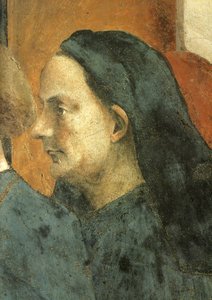
Filippo Brunelleschi
1377 - 1446 , Italia
Datos clave
- Fecha De Muerte: 1446
- Fecha De Nacimiento: 1377
- Lugar De Nacimiento: Florencia, Italia
- Movimiento Artístico: Primer Renacimiento
- Nacionalidad: Italiana
- Nombre Completo: Filippo Brunelleschi
- Obras Notables:
- Cúpula de Florencia
- Perspectiva lineal
- Sacristía Vieja
- Hospital degli Innocenti
Artículos relacionados

Monochrome Visions: Exploring the Aesthetic & Historical Significance of Black & White Photography
Explore the rich history & artistic power of black and white photography. From early techniques to iconic masters like Ansel Adams, discover why monochrome continues to captivate art lovers today. Expert insights for collectors.

Beyond the Lens: Photography's Enduring Influence on Modern & Contemporary Art
Explore photography's pivotal role in shaping modern & contemporary art. Discover key movements, influential artists like Stieglitz, and expert collecting advice from ArtsDot.

Pictorialismo: La Búsqueda del Alma de la Fotografía Artística – Estética, Técnicas y Legado
Descubre el Pictorialismo, un movimiento clave en la historia de la fotografía artística. Explora sus técnicas, figuras emblemáticas y su legado perdurable. Guía experta para coleccionistas y amantes del arte.

Witnessing History Through Lens & Light: Documentary Photography's Enduring Legacy
Explore the powerful history of documentary photography – from its origins to contemporary masters like Gordon Parks & W. Eugene Smith. Discover how this art form shapes our understanding of society and witness pivotal moments in time.

Los 10 Maestros de la Fotografía Documental: Obras que Cambiaron el Arte y la Decoración
Descubre los 10 iconos de la fotografía documental que cambiaron el arte. Explora las historias detrás de obras maestras de Dorothea Lange, Robert Capa y más. Reproducciones de alta calidad para decorar tu hogar con arte atemporal en .