 Vista previa
 Compartir
 Compartir
 Ver detalles

 Descargar
 Ver similares
 Radiografía
 Presentación de diapositivas
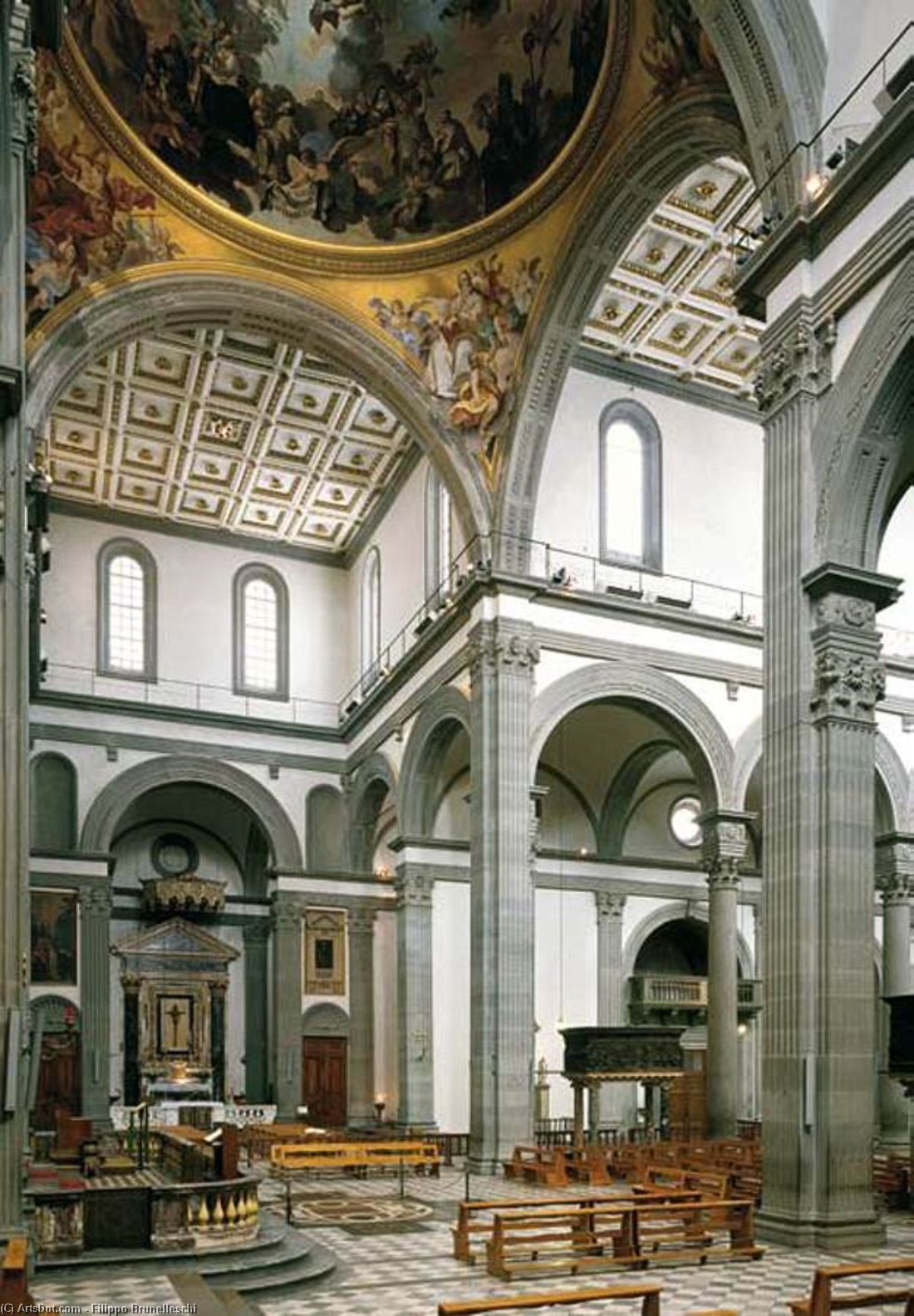
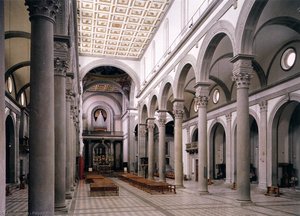
View of the central nave


 Leer más
Reproducción al óleo hecha a mano
Óleo sobre lienzo pintado a mano en el tamaño y marco de su elección, realizado por encargo por nuestros artistas. ( Pedir impresión Comprar descarga)




P118B $10

P118H $10

P118W $10

P438Z $10

P508JH $12

P508YH $12

P805H $10

P805Z $10

P919BZ $10

P919G $10

P919XJ $10

P959ZH $10

P968JZ $12

W106C $8

W218G $10

W218JH $8

W218Y $10

W307PJ $10

W316G $10

W316PJ $8

W316Y $10

W398PJ $8

W4111J $10

W500HY $15

W500JH $15

W692G $12

W849H $8

W940BG $15

W953PJ $8




Elija entre nuestros tamaños predefinidos que respetan las proporciones originales de la obra.

Puede ingresar sus propias dimensiones para adaptarse a un marco o espacio específico. Si el tamaño seleccionado no coincide con las proporciones de la imagen original, recortaremos la obra o extenderemos la pintura con elementos adicionales pintados a mano. Se le enviará una maqueta digital para su aprobación antes de comenzar la producción.
Tenga en cuenta que la vista previa en pantalla no refleja el recorte o la extensión reales. Solo la maqueta mostrará con precisión la composición final.
Si bien existen tamaños personalizados, recomendamos seleccionar una dimensión de la lista predefinida para preservar las proporciones originales.
Tras realizar el pedido, el equipo de ArtsDot.com enviará un correo electrónico al cliente para solicitar instrucciones y proporcionarle una vista previa del boceto.
Envío a todo el mundo () en 3-4 semanas en lugar de las 5 semanas estándar. (22 agosto). Sin comprometer la calidad.

Envío exprés gratuito a todo el mundo

Lienzo de lino de alta calidad

Seguro de envío completo

Garantía de reembolso de aranceles aduaneros

Garantía de fidelidad cromática exacta

Política de devolución de 60 días (solo por defectos)

Garantía de devolución del 100% del dinero

Oferta por volumen
 La opción de vidrio solo está disponible en tamaños inferiores a 110 cm.

View of the central nave
Técnica de reproducción
Tamaño de la reproducción
-


Precio total
$ 263
Descripción de la obra
Filippo Brunelleschi’s “View of the Central Nave”: A Renaissance Masterpiece
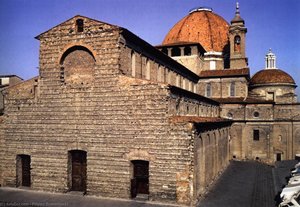
Within the hallowed halls of the Basilica di San Lorenzo in Florence resides a painting that transcends mere representation; it is Filippo Brunelleschi's "View of the Central Nave," a pivotal work capturing not just architectural space, but the very spirit of the burgeoning Renaissance. Completed around 1420, this fresco isn’t simply a depiction of a church interior—it’s a calculated demonstration of perspective, a testament to Brunelleschi’s genius as both architect and artist, and a foundational piece in the development of Western art.
Brunelleschi, already renowned for his revolutionary design of the Florence Cathedral dome, sought to push the boundaries of artistic convention. He wasn't merely aiming to paint a beautiful scene; he was grappling with the challenge of accurately portraying three-dimensional space on a two-dimensional surface. The fresco’s significance lies in its pioneering use of linear perspective – a technique that allowed artists to create an illusion of depth and realism, mimicking how the human eye perceives the world. Brunelleschi meticulously calculated vanishing points and horizon lines, ensuring that all elements within the painting converge towards a single, definitive point on the horizon, drawing the viewer’s eye into the heart of the basilica.
The Basilica di San Lorenzo: A Sacred Space
San Lorenzo is more than just a church; it's a cornerstone of Florentine history and faith. Originally built in the 10th century, it has undergone numerous transformations throughout its long existence, reflecting the city’s evolving architectural styles and religious beliefs. Brunelleschi’s fresco was commissioned during a period of intense artistic and intellectual ferment – the early Renaissance—a time when classical ideals were being rediscovered and reinterpreted through a distinctly Christian lens. The basilica itself embodies this spirit, blending Romanesque solidity with burgeoning Gothic elements, creating a space that is both grounded in tradition and open to new possibilities.
The fresco’s subject matter – the central nave of San Lorenzo – was deliberately chosen by Brunelleschi. He wasn't simply documenting an existing structure; he was celebrating its grandeur and showcasing his mastery of perspective. The painting captures a moment within the basilica, likely during a religious service, with figures subtly integrated into the architectural setting. These figures aren’t mere decorative elements; they represent the faithful engaging in their worship, adding a layer of human drama to the meticulously rendered space.
Technique and Detail: A Study in Precision
Brunelleschi's approach to this fresco was remarkably methodical. He began by creating detailed drawings and mathematical calculations to ensure accurate proportions and perspective. He employed a technique known as *sfumato*, subtly blending colors and tones to create soft transitions and atmospheric effects, adding depth and realism to the scene. The use of light is particularly noteworthy – Brunelleschi masterfully manipulates shadows and highlights to accentuate architectural features and draw attention to key elements within the nave.
The fresco’s palette is restrained yet effective, dominated by earthy tones—ochres, browns, and grays—that evoke the warm stone of the basilica. Brunelleschi's meticulous attention to detail extends to the depiction of architectural ornamentation, including columns, arches, and pilasters. These elements are rendered with remarkable precision, showcasing his deep understanding of classical architecture and his ability to translate complex forms onto a flat surface.
Symbolism and Legacy
"View of the Central Nave" is more than just a technical exercise in perspective; it’s imbued with symbolic meaning. The basilica itself represents the Church's enduring presence, while Brunelleschi’s masterful rendering of space symbolizes the divine order of the universe. The fresco’s influence on subsequent generations of artists was profound. It served as a model for Renaissance painters seeking to achieve greater realism and spatial depth in their work, paving the way for innovations in perspective and composition that would shape Western art for centuries to come. Today, it stands as a powerful reminder of Brunelleschi's genius and his pivotal role in shaping the artistic landscape of the Renaissance.
Obras relacionadas

Biografía del artista
Filippo Brunelleschi: Pionero del Renacimiento
- Nacido: Florencia, Italia (1377)
- Fallecido: 1446
Primeros Años y Formación
- Brunelleschi recibió una educación literaria y matemática destinada a la carrera de su padre.
- Fue aprendiz en la Arte della Seta, el gremio de los comerciantes de lana.
- Se convirtió en maestro orfebre y escultor trabajando con bronce fundido.
- Las primeras esculturas incluyen estatuas de bronce de evangelistas y santos (1399-1400) para la Catedral de Pistoia.
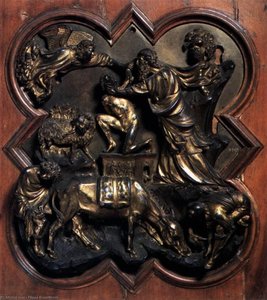
- Participó en el concurso de 1401 para las puertas del Baptisterio de Florencia, junto con Lorenzo Ghiberti.
Logros Arquitectónicos e Innovaciones
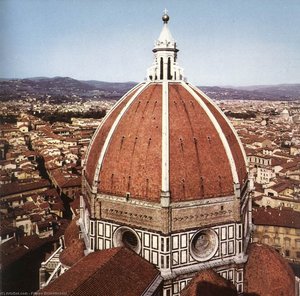
- Cúpula de la Catedral de Florencia: El logro más famoso de Brunelleschi es el diseño y la construcción de la cúpula de la Catedral de Florencia (Duomo). Esta fue una hazaña de ingeniería innovadora, ya que se construyó sin andamios tradicionales. Desarrolló técnicas innovadoras para izar materiales y gestionar la construcción.
- Perspectiva Lineal: Se le atribuye el redescubrimiento y la formalización de los principios de la perspectiva lineal en el arte. Esta técnica revolucionó la pintura y la arquitectura al crear representaciones realistas de profundidad y espacio.
- Sacristía Vieja de San Lorenzo: Diseñó la Sacristía Vieja, que muestra su estilo arquitectónico caracterizado por proporciones clásicas y espacios armoniosos.
- Otras Obras Notables: Incluyen diseños para el Spedale degli Innocenti (hospital de abandonados), Palazzo Rucellai y la Basílica di San Lorenzo.
Influencias y Desarrollo
- Arquitectura Romana Antigua: Brunelleschi estudió las ruinas romanas antiguas en Roma, inspirándose en sus principios arquitectónicos y soluciones de ingeniería.
- Arquitectura Gótica: Aunque se alejó de los estilos góticos, su exposición temprana a la arquitectura gótica probablemente influyó en su comprensión de los desafíos estructurales.
- Humanismo: El floreciente movimiento humanista del Renacimiento enfatizaba el potencial y el logro humanos, lo que resonó con el enfoque innovador de Brunelleschi hacia el diseño y la ingeniería.
Legado y Significado Histórico
- Padre Fundador del Renacimiento: Brunelleschi es considerado uno de los padres fundadores del Renacimiento debido a sus contribuciones innovadoras al arte, la arquitectura y la ingeniería.
- Influencia en la Ingeniería Moderna: Sus técnicas de construcción innovadoras y su comprensión de la mecánica estructural sentaron las bases para las prácticas de ingeniería modernas.
- Impacto en el Arte: El desarrollo de la perspectiva lineal transformó la representación artística, influyendo en generaciones de artistas.
- Una Nueva Forma de Pensar: La obra de Brunelleschi reflejó una nueva forma de pensar sobre la humanidad y el mundo, enfatizando el humanismo y la cultura local.
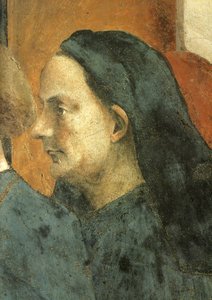
Filippo Brunelleschi
1377 - 1446 , Italia
Datos clave
- Fecha De Muerte: 1446
- Fecha De Nacimiento: 1377
- Lugar De Nacimiento: Florencia, Italia
- Movimiento Artístico: Primer Renacimiento
- Nacionalidad: Italiana
- Nombre Completo: Filippo Brunelleschi
- Obras Notables:
- Cúpula de Florencia
- Perspectiva lineal
- Sacristía Vieja
- Hospital degli Innocenti
Artículos relacionados

Legado en las Paredes: Frescos Familiares que Trascienden el Tiempo
Descubre el arte del fresco muralístico para inmortalizar tu historia familiar. Expertos en frescos personalizados y técnicas ancestrales. Crea un legado visual único con .

The Enduring Legacy of Fresco: Technique, History & Artistic Expression Across Cultures
Explore the rich history & enduring legacy of fresco painting! Discover ancient techniques, Giotto's masterpieces, and modern applications. Expert insights for art lovers & professionals.

The Enduring Legacy of Fresco Painting: Techniques, History & Contemporary Relevance
Explore the rich history & enduring artistry of fresco painting – from Giotto to Michelangelo! Discover techniques, conservation efforts, & modern applications. Learn how ArtsDot brings this timeless art form to your home.
El Fresco a Través de los Siglos: Técnica, Historia y Expresión Artística Duradera
Descubre la historia y técnica del fresco, desde sus orígenes en la antigüedad hasta los maestros renacentistas. Guía completa sobre conservación, restauración y el legado artístico de este arte milenario.

¿El Arte que Habita Contigo: El Poder Emocional de un Fresco Interior Personalizado?
Descubre el poder emocional de un fresco interior personalizado. Expertos en arte te guían para crear una obra única que refleje tu estilo y valore tu hogar. : calidad, confianza y diseño excepcional.