 Ver en contexto
 Enviar
 Compartir
 Detalles

 Descargar
 Similares
 Radiografía
 Presentación de diapositivas
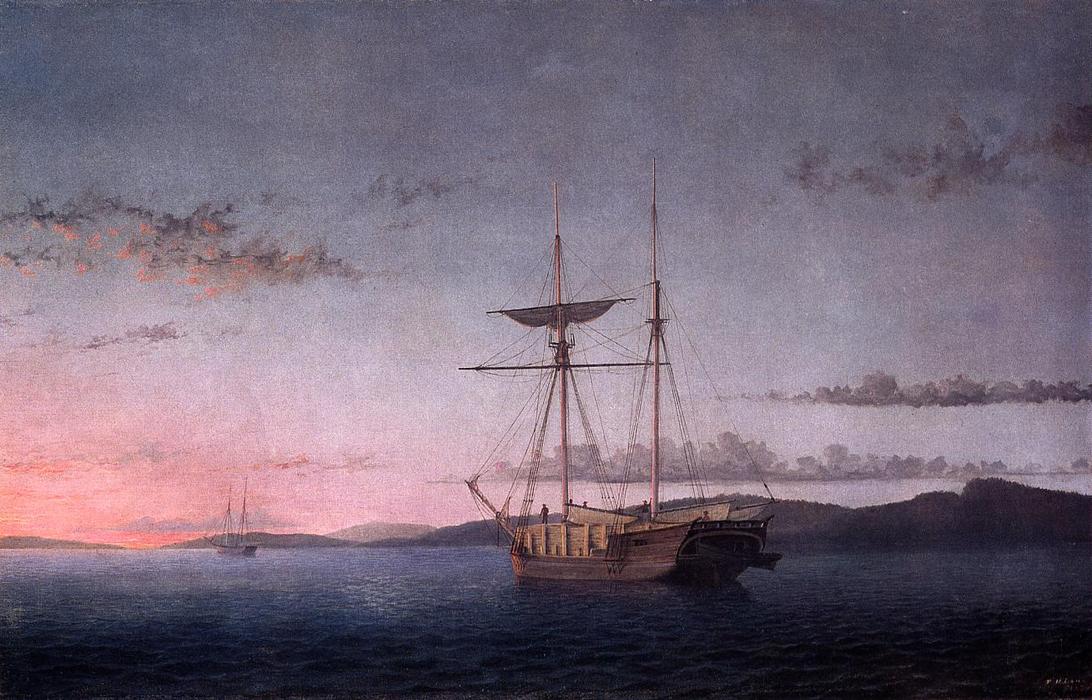
Lumber Schooners at Evening on Penobscot Bay


 Ver más
Giclée / Impresión de arte
Impresiones giclée o en lienzo de calidad de museo con producción rápida y opciones de acabado flexibles. ( Comprar pintura hecha a mano Comprar imagen)




P118B $10

P118H $10

P118W $10

P438Z $10

P508JH $12

P508YH $12

P805H $10

P805Z $10

P919BZ $10

P919G $10

P919XJ $10

P959ZH $10

P968JZ $12

W106C $8

W218G $10

W218JH $8

W218Y $10

W307PJ $10

W316G $10

W316PJ $8

W316Y $10

W398PJ $8

W4111J $10

W500HY $15

W500JH $15

W692G $12

W849H $8

W940BG $15

W953PJ $8




Elija entre nuestros tamaños predefinidos que respetan las proporciones originales de la obra.

Puede introducir sus propias dimensiones para adaptarse a un marco o espacio específico. Si el tamaño seleccionado no coincide con las proporciones de la imagen original, recortaremos la obra de arte o extenderemos la imagen con un borde con efecto espejo o de color sólido. Se enviará una maqueta digital para su aprobación antes de que comience la producción.
Tenga en cuenta que la vista previa en pantalla no refleja el recorte o la extensión real. Solo la maqueta mostrará con precisión la composición final.
Aunque existen tamaños personalizados, recomendamos seleccionar una dimensión de la lista predefinida para preservar las proporciones originales.
Envío a todo el mundo () en 2 semanas en lugar de las 4/5 semanas estándar. (25 agosto)

Envío exprés gratuito a todo el mundo

Lienzo de lino de alta calidad

Seguro de envío total

Garantía de reembolso de impuestos aduaneros

Garantía de fidelidad cromática exacta

Política de devolución de 60 días (solo por defectos)

Garantía de devolución del 100% del dinero

Descuento por cantidad
 La opción de vidrio solo está disponible en tamaños inferiores a 110 cm.

Lumber Schooners at Evening on Penobscot Bay
Giclée / Impresión de arte
Dimensiones de la reproducción
-


Precio total final
$ 62
Descripción de la pieza
Fitz Henry Lane’s “Lumber Schooners at Evening on Penobscot Bay”: A Luminist Masterpiece
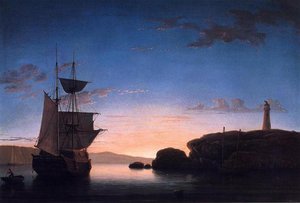
Fitz Henry Lane's "Lumber Schooners at Evening on Penobscot Bay," painted in 1860, isn’t merely a depiction of a coastal scene; it’s a profound meditation on light, atmosphere, and the enduring spirit of New England maritime life. This remarkable work, now housed within the National Gallery of Art in Washington D.C., exemplifies the Luminist movement—a distinctly American style that prioritized capturing the subtle effects of natural light and creating an immersive sense of tranquility and observation. Lane’s ability to evoke a specific time of day, with its fading warmth and approaching twilight, is truly captivating, drawing the viewer into the heart of this evocative seascape.
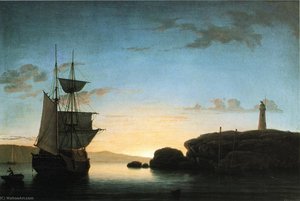
The painting itself presents a carefully constructed vista of Penobscot Bay at dusk. Several lumber schooners, their sails furled for the evening, are anchored in the water, reflecting the last vestiges of sunlight. The boats themselves—robust and weathered—are rendered with meticulous detail, showcasing Lane’s mastery of capturing texture and form. However, it's not the precise rendering of the vessels that commands attention; rather, it is the way in which Lane utilizes light to create a sense of depth and atmosphere. Notice how the warm hues of orange and gold bleed across the sky, gradually softening into cooler blues and purples as they meet the water’s surface. This masterful use of color establishes a palpable mood—one of quiet contemplation and serene beauty.
The Luminist Vision: Light and Observation
Lane's work is deeply rooted in the principles of Luminism, an artistic movement that emerged in America during the mid-19th century. Unlike the more dramatic Romantic painters who favored bold contrasts and dynamic compositions, Luminists sought to capture the fleeting effects of light and atmosphere with a delicate hand. They were fascinated by the way light transformed landscapes at different times of day, and they aimed to create paintings that felt like intimate observations of nature. Lane’s “Lumber Schooners” perfectly embodies this approach—it's not an action-packed scene but rather a carefully observed moment in time, imbued with a sense of quiet beauty.
Lane’s background as a sailmaker profoundly influenced his artistic vision. He spent much of his youth immersed in the maritime world of Gloucester, Massachusetts, and this experience is evident in the painting's realistic depiction of ships and harbors. His understanding of sailing vessels—their construction, their movement, and their relationship to the sea—is translated into a remarkably accurate and evocative portrayal. Furthermore, his early life with a physical disability likely fostered a keen observational skill, as he sought alternative forms of expression through art.
Symbolism and Emotional Resonance
Beyond its technical brilliance, “Lumber Schooners at Evening” is rich in symbolism. The lumber schooners themselves represent the economic heart of Penobscot Bay—a vital industry that sustained the region for generations. Their presence evokes a sense of industriousness and resilience, while their stillness at dusk suggests a moment of respite after a long day’s work. The darkening sky and the fading light symbolize the passage of time and the inevitability of change. The painting, therefore, can be interpreted as a reflection on the cyclical nature of life—the ebb and flow of industry, the beauty of fleeting moments, and the enduring connection between humanity and the natural world.
Ultimately, “Lumber Schooners at Evening on Penobscot Bay” is more than just a painting; it’s an experience. It invites the viewer to slow down, to breathe deeply, and to contemplate the beauty of the natural world. Lane's masterful use of light, color, and composition creates a powerful emotional resonance—a sense of peace, tranquility, and connection to something larger than oneself. It remains a testament to the enduring power of Luminism and a captivating example of American art at its finest.
Historical Context and Artistic Legacy
Fitz Henry Lane’s career spanned several decades, during which he produced over 300 paintings—primarily coastal scenes and maritime subjects. He was a key figure in the development of Luminism, alongside artists like Asher B. Durand and Thomas Moran. His work was initially met with mixed reviews, but it gradually gained recognition for its unique qualities and its ability to capture the essence of American landscapes. Lane’s legacy is secured by his pioneering role in establishing Luminism as a distinct artistic style—one that continues to inspire artists today.
Reproductions of “Lumber Schooners at Evening” are available through various reputable art dealers, offering collectors an opportunity to own a piece of American art history. Consider the scale and framing carefully when selecting a reproduction; a larger format will undoubtedly enhance the painting’s immersive quality. This iconic work serves as a beautiful reminder of the power of observation, the beauty of light, and the enduring spirit of New England.
Obras relacionadas
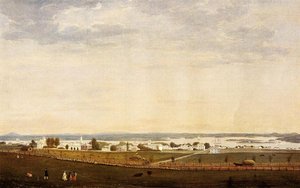
Biografía del artista
Primeros Años y Circunstancias
- Nacimiento: 19 de diciembre de 1804, Gloucester, Massachusetts
- Fallecimiento: 14 de agosto de 1865, Gloucester, Massachusetts
- Nombre Completo: Nathaniel Rogers Lane (legalmente cambiado a Fitz Henry Lane en 1832)
- Movimiento: Luminismo
Desarrollo Artístico y Formación
- Experiencia en Litografía: Trabajó como litógrafo en Pendleton’s Lithography Shop en Boston desde 1832 hasta 1847.
- Primeras Obras: La acuarela "Burning of the Packet Ship 'Boston'" demuestra una habilidad en desarrollo pero también revela un estilo menos refinado en comparación con sus logros posteriores.
Estilo y Obras Principales: El Maestro Luminista
Lane es reconocido como una figura destacada del movimiento luminista, caracterizado por su énfasis en capturar efectos atmosféricos, particularmente la luz que se refleja en el agua. Sus pinturas son conocidas por su claridad, precisión y serena representación de escenas costeras.- Características Clave del Estilo de Lane:
- Perspectiva Atmosférica: Uso magistral de la perspectiva aérea para crear una sensación de profundidad y distancia.
- Observación Detallada: Atención meticulosa al detalle en la representación de barcos, edificios y paisajes.
- Efectos Luminosos: Capturar los sutiles matices de la luz y su reflejo en el agua con una precisión notable.
- Obras Notables:
- "Entrance to Somes Sound from Southwest Harbor" (1852) – ejemplifica su habilidad para capturar la tranquilidad de los paisajes costeros.
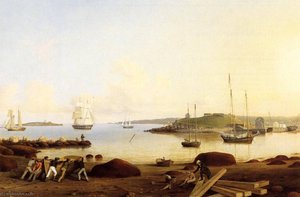
- "The Fort and Ten Pound Island, Gloucester, Massachusetts" (1847) - muestra una representación detallada de puntos de referencia locales.
- “Lumber Schooners at Evening on Penobscot Bay” (1860) – demuestra su habilidad para representar condiciones de iluminación dramáticas.
- "Camden Mountains from the South Entrance to the Harbor" (1859) - captura una pintoresca escena costera con sorprendente claridad.
- “Merchant Brig under Reefed Topsails” (1863)
- “Light House at Camden, Maine” (1851)
- “The Westen Shore with Norman's Woe” (1862)
Legado y Significado Histórico
La obra de Fitz Henry Lane ganó reconocimiento durante su vida, aunque su reputación ha crecido significativamente en los siglos XX y XXI. Ahora se le considera uno de los pintores luministas estadounidenses más importantes, celebrado por su capacidad única para capturar la belleza y la tranquilidad de los paisajes costeros de Nueva Inglaterra. Las pinturas de Lane ofrecen un valioso registro histórico de la vida marítima en el siglo XIX en Gloucester y otras comunidades costeras. Su meticulosa atención al detalle y su magistral uso de la luz continúan inspirando a artistas y cautivando al público hoy en día, consolidando su lugar como una figura significativa en la historia del arte estadounidense.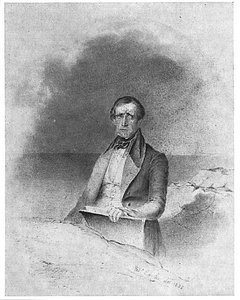
Fitz Henry Lane
1804 - 1865 , Estados Unidos de América
Datos clave
- Fecha De Fallecimiento: 14 de agosto de 1865
- Fecha De Nacimiento: 19 de diciembre de 1804
- Lugar De Nacimiento: Gloucester, EE. UU.
- Movimiento Artístico: Luminismo
- Nacionalidad: Estadounidense
- Nombre Completo: Nathaniel Rogers Lane (Fitz Henry)
- Obras Notables:
- Entrada a Somes Sound
- El Fuerte y Ten Pound Island
- Buques maderos en Penobscot Bay
- Montañas Camden desde el puerto
- Merchant Brig under Reefed Topsails
- Light House at Camden, Maine
- The Westen Shore with Norman's Woe
Artículos relacionados
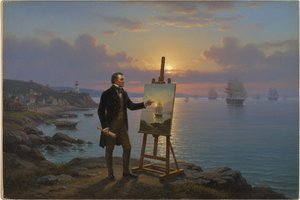
Fitz Henry Lane: Luminosity, Landscape & the American Maritime Tradition – A Collector’s Insight
Explore the luminous world of Fitz Henry Lane, a master of American maritime painting & Luminism. Discover his legacy, techniques, and investment potential for discerning art collectors. Expert insights at ArtsDot.
Henri Matisse: Las 25 Obras Maestras que Definieron un Genio del Color | ArtsDot
Descubre las 25 obras maestras de Henri Matisse, el rey del color y padre del fauvismo. Explora su arte moderno, lienzos vibrantes y la historia detrás de cada pintura icónica. Encuentra reproducciones de alta calidad en ArtsDot.com.
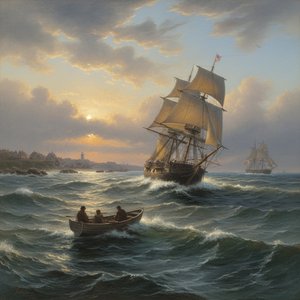
Robert W. Salmon: Navigating the Currents of Maritime Painting & American Realism
Explore the captivating maritime paintings of Robert W. Salmon, a pioneer of American Luminism. Discover his Boston Harbor scenes, legacy, and collecting guide at ArtsDot.
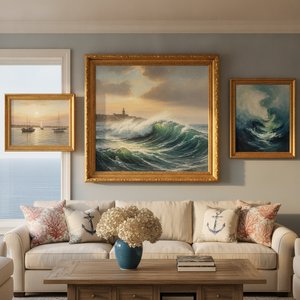
Bring the Ocean Home: Captivating Maritime Paintings to Transform Your Space with Timeless Elegance
Transform your home with breathtaking maritime oil paintings. From serene seascapes to dramatic nautical scenes, discover hand-painted reproductions that bring the ocean's soul to your space. Expertly crafted for collectors seeking timeless elegance and coastal tranquility.
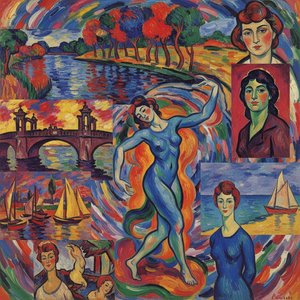
Fauvismo Expresionista: 10 Obras Maestras que Transformaron el Arte | ArtsDot
Descubre las 10 obras maestras del fauvismo que revolucionaron el arte. Explora la pasión, el color y la expresión de Matisse, Derain y más. Reproducciones de alta calidad en ArtsDot.com.