

 Ver en contexto
 Enviar
 Compartir
 Detalles

 Descargar
 Similares
 Radiografía
 Presentación de diapositivas
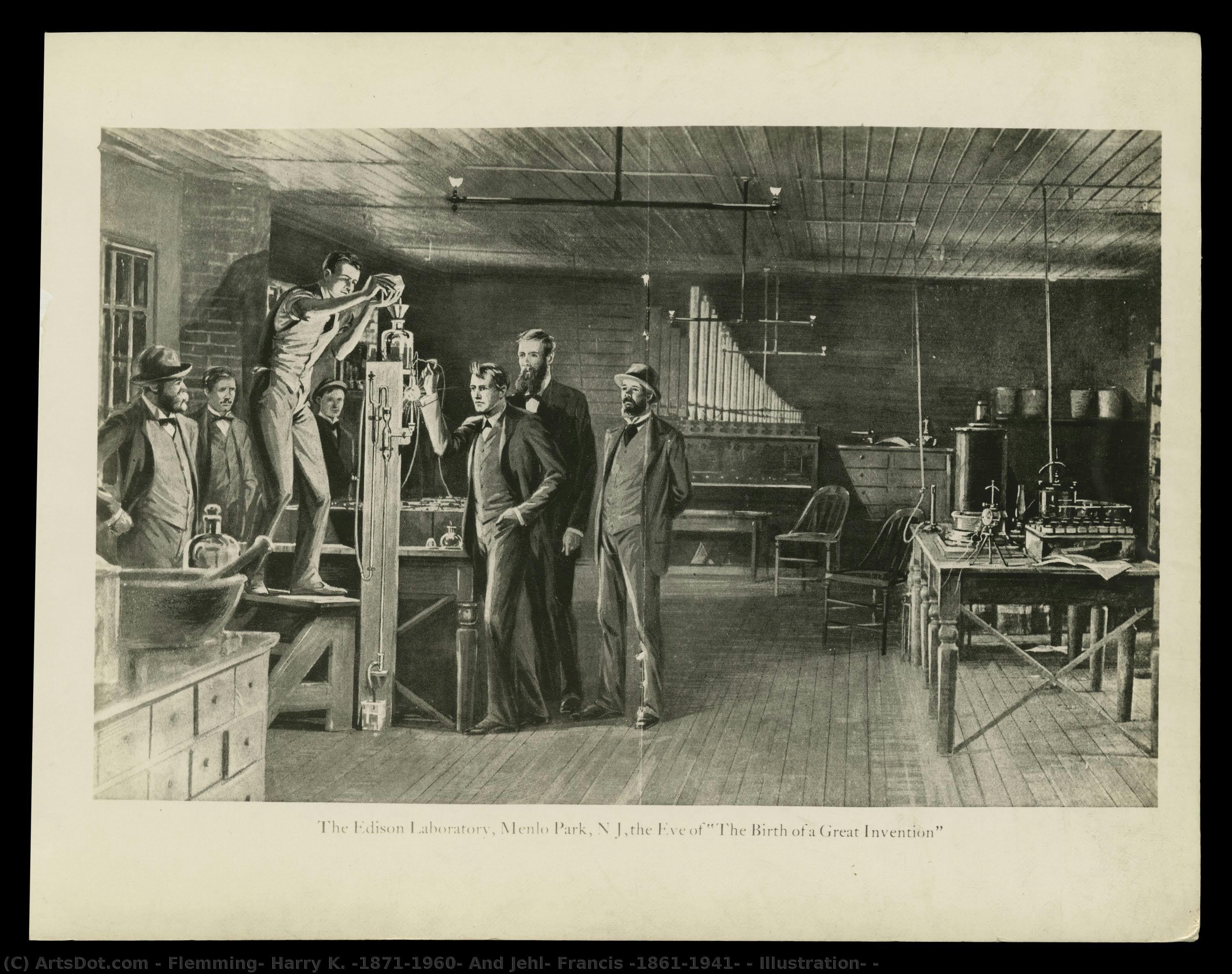
Illustration,


 Ver más
Reproducción al óleo hecha a mano
Óleo sobre lienzo pintado a mano en el tamaño y marco de su elección, realizado por encargo por nuestros artistas. ( Comprar impresión Comprar imagen)




P118B $10

P118H $10

P118W $10

P438Z $10

P508JH $12

P508YH $12

P805H $10

P805Z $10

P919BZ $10

P919G $10

P919XJ $10

P959ZH $10

P968JZ $12

W106C $8

W218G $10

W218JH $8

W218Y $10

W307PJ $10

W316G $10

W316PJ $8

W316Y $10

W398PJ $8

W4111J $10

W500HY $15

W500JH $15

W692G $12

W849H $8

W940BG $15

W953PJ $8




Elija entre nuestros tamaños predefinidos que respetan las proporciones originales de la obra.

Puede ingresar sus propias dimensiones para adaptarse a un marco o espacio específico. Si el tamaño seleccionado no coincide con las proporciones de la imagen original, recortaremos la obra o extenderemos la pintura con elementos adicionales pintados a mano. Se le enviará una maqueta digital para su aprobación antes de comenzar la producción.
Tenga en cuenta que la vista previa en pantalla no refleja el recorte o la extensión reales. Solo la maqueta mostrará con precisión la composición final.
Si bien existen tamaños personalizados, recomendamos seleccionar una dimensión de la lista predefinida para preservar las proporciones originales.
Tras realizar el pedido, el equipo de ArtsDot.com enviará un correo electrónico al cliente para solicitar instrucciones y proporcionarle una vista previa del boceto.
Envío a todo el mundo () en 3-4 semanas en lugar de las 5 semanas estándar. (2 septiembre). Sin comprometer la calidad.

Envío exprés gratuito a todo el mundo

Lienzo de lino de alta calidad

Seguro de envío total

Garantía de reembolso de impuestos aduaneros

Garantía de fidelidad cromática exacta

Política de devolución de 60 días (solo por defectos)

Garantía de devolución del 100% del dinero

Descuento por cantidad
 La opción de vidrio solo está disponible en tamaños inferiores a 110 cm.

Illustration,
Técnica de reproducción
Dimensiones de la reproducción
-


Precio total final
$ 263
Obras relacionadas

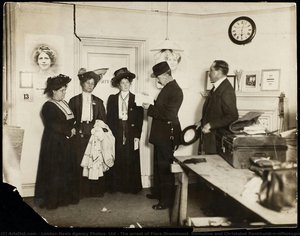
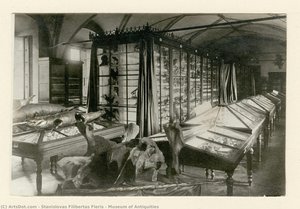
Biografía del artista
A Collaborative Vision: The Artistic Partnership of Harry K. Flemming and Francis Jehl
The names of Harry K. Flemming and Francis Jehl, while perhaps unfamiliar to many contemporary art enthusiasts, represent a fascinating chapter in the history of early 20th-century decorative arts and illustration. Their story isn’t one of individual genius blazing a solitary trail, but rather a compelling example of artistic synergy – a collaborative partnership that flourished for decades, leaving behind a legacy of exquisitely detailed and charmingly nostalgic works. Born just five years apart, Flemming (1871) and Jehl (1861), both hailing from European traditions, found themselves drawn to the burgeoning American market eager for refined imagery. While biographical details regarding their early lives remain somewhat elusive, it’s clear that both artists possessed a strong foundation in traditional drawing techniques and a shared aesthetic sensibility focused on romanticized depictions of everyday life, particularly scenes of domesticity and idyllic landscapes.From European Roots to American Shores
The precise circumstances of their meeting and the formal establishment of their collaborative practice are not fully documented. However, by the early 1900s, Flemming and Jehl were working in tandem, creating illustrations for popular magazines like *Harper’s Bazaar*, *Ladies' Home Journal*, and *McCall’s*. This period marked a golden age of illustration, where artists played a crucial role in shaping public taste and conveying narratives through visually arresting imagery. Flemming and Jehl quickly distinguished themselves with their meticulous attention to detail, soft color palettes, and ability to evoke a sense of warmth and intimacy. Their work often featured elegantly dressed women engaged in leisurely pursuits – sketching in gardens, reading by the fireplace, or sharing tea with friends – scenes that resonated deeply with an American audience increasingly fascinated by European sophistication and aspirational lifestyles. It’s important to note that Jehl's earlier training likely provided a structural foundation for their compositions, while Flemming brought a more fluid and expressive quality to the figures and settings.A Distinctive Style: Detail, Nostalgia, and Romanticism
The hallmark of a Flemming and Jehl illustration is its remarkable detail. They weren’t interested in broad brushstrokes or abstract forms; instead, they painstakingly rendered every fold of fabric, every leaf on a tree, every glint of light on a porcelain teacup. This dedication to realism wasn't simply about technical skill, however. It was integral to their overall aesthetic – a deliberate attempt to create images that felt both believable and idealized. Their scenes are imbued with a sense of nostalgia, often depicting a bygone era of grace and refinement. The influence of the Art Nouveau movement is subtly present in their flowing lines and decorative motifs, but they avoided the more radical aspects of the style, opting instead for a gentler, more accessible form of romanticism. Their work offered an escape from the realities of modern life, presenting viewers with a vision of beauty and tranquility. The collaborative nature of their process is evident in the seamless integration of these elements; it’s often difficult to discern where one artist's contribution ends and the other begins.Beyond Illustration: Expanding into Decorative Arts
While primarily known for their magazine illustrations, Flemming and Jehl also extended their artistic talents into the realm of decorative arts. They designed calendars, postcards, and prints that further popularized their distinctive style. These smaller-scale works allowed them to reach a wider audience and solidify their reputation as purveyors of charming and elegant imagery. The demand for their work remained strong throughout the first half of the 20th century, even as artistic tastes began to shift. Their ability to adapt while staying true to their core aesthetic was a testament to their skill and understanding of the market. They successfully navigated the changing landscape of visual culture by focusing on timeless themes and appealing to a desire for beauty and comfort. The partnership continued until Jehl’s death in 1941, after which Flemming continued to work independently, though his later works often retained the hallmarks of their collaborative style.Legacy and Historical Significance
Harry K. Flemming and Francis Jehl represent a unique case study in artistic collaboration. Their enduring appeal lies not only in the technical brilliance of their illustrations but also in their ability to capture a specific moment in time – an era characterized by romantic ideals, aspirational lifestyles, and a growing appreciation for refined imagery.- Their work provides valuable insight into the social and cultural values of early 20th-century America.
- They exemplify the important role that illustration played in shaping public taste during this period.
- The meticulous detail and nostalgic quality of their images continue to resonate with contemporary audiences.
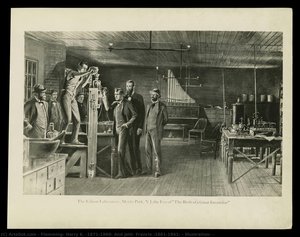
Artículos relacionados

Blanco Sublime: Los 10 Cuadros Más Famosos Dominados por la Luz y el Color
Descubre los 10 cuadros blancos más emblemáticos de la historia del arte. Explora Monet, Van Gogh y Klimt, y su magistral uso de la luz y el color. Encuentra reproducciones de alta calidad e inspírate para tu decoración en .

Arte Industrial: 10 Obras Maestras para un Hogar con Carácter | ArtsDot.com
Descubre 10 obras maestras que capturan la esencia del arte industrial. Explora la historia de Van Gogh, Hopper y Klimt, sus técnicas y paletas. Encuentra lienzos perfectos para un hogar con carácter en ArtsDot.com.

Las 10 Pinturas Más Famosas Dominadas por el Negro | Arte y Decoración
Descubre las 10 pinturas más impactantes dominadas por el negro. Explora obras maestras de Rembrandt, Goya y Rothko, su historia y significado. Encuentra reproducciones de arte exclusivas para transformar tu hogar en .

Monochrome Visions: Exploring the Aesthetic & Historical Significance of Black & White Photography
Explore the rich history & artistic power of black and white photography. From early techniques to iconic masters like Ansel Adams, discover why monochrome continues to captivate art lovers today. Expert insights for collectors.
El Siglo XIX en el Arte: 10 Obras Maestras para Decorar con Historia y Estilo
Descubre 10 obras maestras del siglo XIX: Monet, Goya y más. Explora el impresionismo, realismo y romanticismo que definieron una época. Encuentra reproducciones de arte exclusivas para decorar tu hogar con estilo en ArtsDot.com.

