 Enviar
 Compartir
 Detalles

 Descargar
 Similares
 Presentación de diapositivas
 Estadísticas
Mahakasyapa


 Ver más
Giclée / Impresión de arte
Impresiones giclée o en lienzo de calidad de museo con producción rápida y opciones de acabado flexibles. ( Comprar pintura hecha a mano Cambiar a imagen digital)




































Elija entre nuestros tamaños predefinidos que respetan las proporciones originales de la obra.

Puede introducir sus propias dimensiones para adaptarse a un marco o espacio específico. Si el tamaño seleccionado no coincide con las proporciones de la imagen original, recortaremos la obra de arte o extenderemos la imagen con un borde con efecto espejo o de color sólido. Se enviará una maqueta digital para su aprobación antes de que comience la producción.
Tenga en cuenta que la vista previa en pantalla no refleja el recorte o la extensión real. Solo la maqueta mostrará con precisión la composición final.
Aunque existen tamaños personalizados, recomendamos seleccionar una dimensión de la lista predefinida para preservar las proporciones originales.
Envío a todo el mundo () en 2 semanas en lugar de las 4/5 semanas estándar. (9 septiembre)

Envío exprés gratuito a todo el mundo

Lienzo de lino de alta calidad

Seguro de envío total

Garantía de reembolso de impuestos aduaneros

Garantía de fidelidad cromática exacta

Política de devolución de 100 días (solo por defectos)

Garantía de devolución del 100% del dinero

Descuento por cantidad
 La opción de vidrio solo está disponible en tamaños inferiores a 110 cm.

Mahakasyapa
Giclée / Impresión de arte
Dimensiones de la reproducción
-


Precio total final
$ 62
Mahakasyapa: A Portrait of Enlightenment
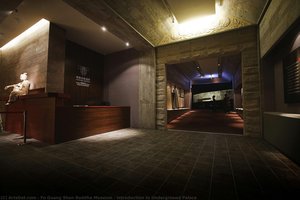
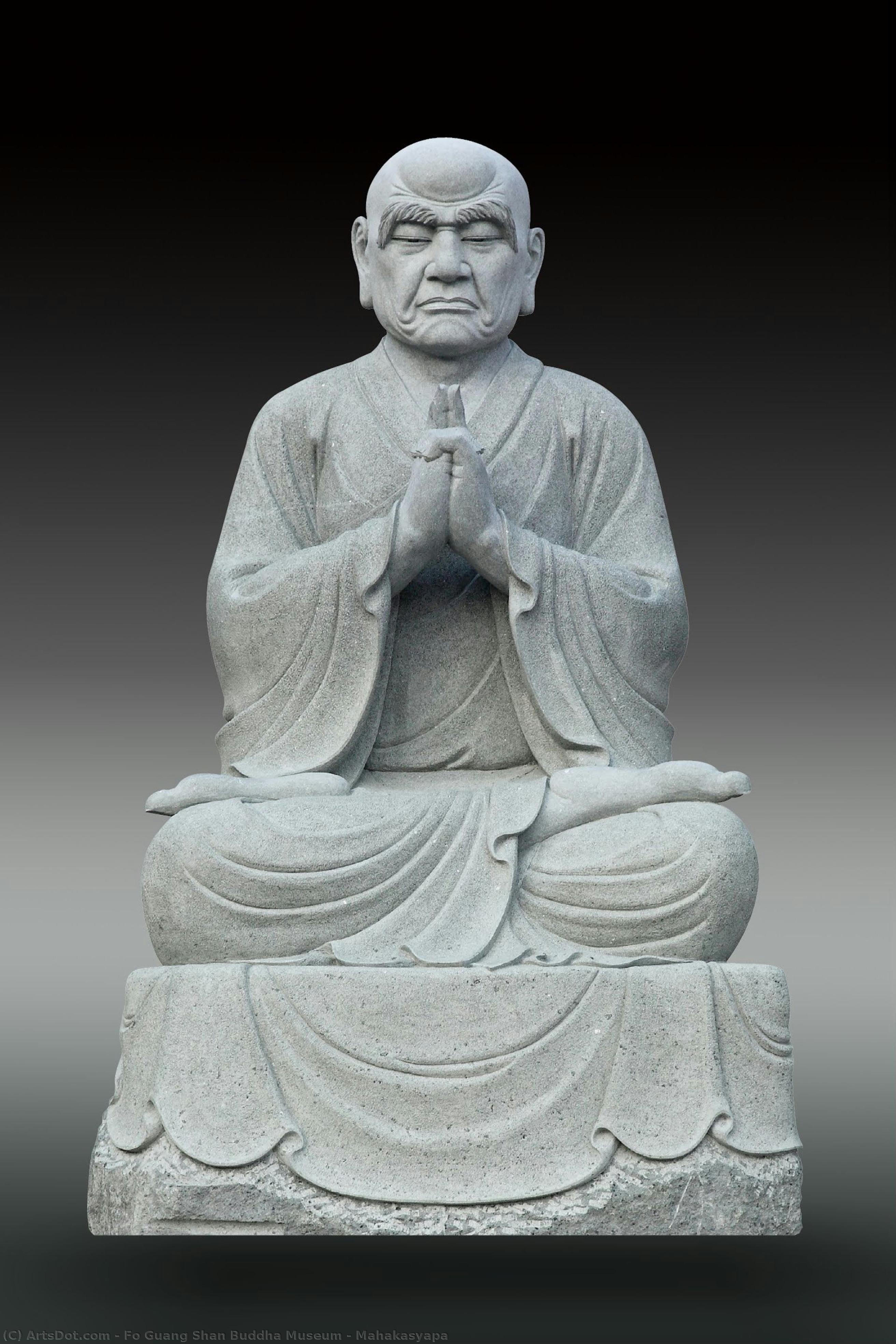
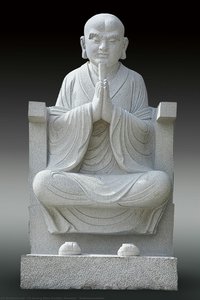
The photograph depicts Mahakasyapa, one of Buddha’s earliest disciples, enshrined within the serene expanse of Fo Guang Shan Monastery's museum—a testament to unwavering faith and artistic dedication. Captured in 2008 by the museum’s photographic team, this monumental statue embodies not merely physical representation but a profound distillation of Buddhist ideals.
- Subject Matter: The artwork centers on Mahakasyapa, revered as foremost in austerities and embodying the pinnacle of monastic devotion. His posture—seated in meditative concentration—directly reflects the core tenets of Buddhism: mindfulness, detachment, and striving for liberation from suffering.
- Style: Realistic sculpture utilizes traditional Buddhist iconography to convey a sense of solemn grandeur. The artist’s meticulous attention to detail aims to accurately depict human anatomy while adhering to established artistic conventions rooted in centuries of spiritual practice.
- Technique: Crafted primarily from granite—a durable stone chosen for its permanence and symbolic association with stability—the statue exemplifies masterful carving techniques. Skilled artisans painstakingly sculpt the figure, employing chisels and hammers to transform raw material into a breathtaking representation of enlightenment.
- Composition: The statue dominates the frame’s central position, angled slightly downward to emphasize its stature and conveying an aura of authority. Symmetry reinforces harmony—a cornerstone of Buddhist philosophy—creating a balanced visual experience that invites contemplation.
- Lighting & Texture: Diffused lighting illuminates the sculpture from above, highlighting subtle tonal variations within the granite surface. These nuances reveal textural details—the rough grain of the stone—adding depth and realism to the artwork and mirroring the inner landscape of meditative stillness.
Beyond its aesthetic qualities, Mahakasyapa’s statue serves as a powerful symbol of Buddhist aspiration: unwavering commitment to ethical conduct, diligent pursuit of wisdom, and ultimate union with Nirvana. Its presence inspires viewers to reflect on their own spiritual journey—a reminder that true enlightenment resides within the quietude of mindful awareness.
The Fo Guang Shan Buddha Museum’s dedication to preserving this masterpiece underscores Taiwan's commitment to cultural heritage and its enduring connection to Buddhist traditions. It stands as an invitation to explore the beauty and profundity of art informed by spiritual contemplation—a celebration of faith, craftsmanship, and timeless ideals.
Obras relacionadas

Biografía del artista
Fo Guang Shan Buddha Museum
The Fo Guang Shan Buddha Museum, nestled in the Dashu District of Kaohsiung, Taiwan, is more than a repository of sacred objects and artistic creations; it’s a vibrant testament to the enduring power of Buddhist philosophy and its profound influence on East Asian culture. Emerging from the vision of Venerable Master Hsing Yun, founder of Fo Guang Shan—Taiwan's largest Buddhist organization—the museum officially opened its doors in December 2011 after years of dedicated construction beginning in 2008. It stands as a beacon of Mahāyāna Buddhism, meticulously designed to present the Dharma through an immersive experience encompassing art, culture, film, humanistic inquiry, and international exchange. The very genesis of the museum is rooted in a remarkable story: in 1998, Master Hsing Yun was entrusted with a tooth relic of Sakyamuni Buddha by Kunga Dorje Rinpoche, a Tibetan lama who had safeguarded it for three decades. This sacred gift became the catalyst for creating a space worthy of its reverence and capable of sharing Buddhist wisdom with the world.Origins and Founding Vision
The creation of Fo Guang Shan Buddha Museum stemmed from a profound desire to honor the Buddha’s Dharma body and to foster understanding between Buddhist traditions across continents. Venerable Master Hsing Yun, recognizing the importance of preserving Buddhist heritage and disseminating its teachings globally, envisioned a museum that would serve as both a sanctuary for contemplation and a conduit for cultural dialogue. Inspired by Kunga Dorje Rinpoche's generosity in gifting him the Buddha’s tooth relic—a symbol of compassion and enlightenment—Master Hsing Yun embarked on an ambitious undertaking to establish Fo Guang Shan Monastery and subsequently, its associated museum. The monastery itself embodies the core principles of Buddhist practice: mindfulness, ethical conduct, and selfless service – values that permeate every aspect of the museum's mission.Architectural Symbolism and Design Philosophy
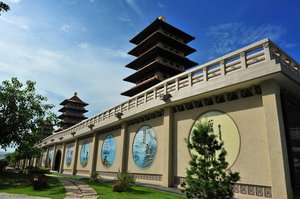
The architectural design of Fo Guang Shan Buddha Museum is deeply symbolic, reflecting fundamental concepts within Mahāyāna Buddhism. From the moment visitors step through the Gate of Perfect Ease and the Gate of Liberation—each adorned with majestic lion and elephant statues representing strength and wisdom—they embark on a journey guided by visual cues that reinforce Buddhist cosmology. The central element of this architectural narrative is undoubtedly the Fo Guang Big Buddha, an imposing statue crafted from bronze and symbolizing enlightenment itself. Surrounding it are eight pagodas meticulously designed to represent the Eight Auspicious Symbols of Buddhism – lotus blossoms, dharma wheels, vajras, parasols, banners, bells, stupas, and treasures—each embodying specific virtues and aspirations. The careful arrangement of these structures underscores the interconnectedness of Buddhist thought and practice, creating a harmonious environment conducive to spiritual reflection.A Collection Reflecting Buddhist Art Heritage
The museum’s collection showcases an impressive array of artworks spanning centuries of Buddhist artistic tradition, primarily originating from China and Taiwan. Paintings depict scenes from Buddhist scriptures and embody stylistic influences ranging from Tang Dynasty landscapes to Ming Dynasty portraits—demonstrating the breadth of Buddhist aesthetic expression across time periods. Sculptures crafted in stone and bronze portray figures revered within Buddhism – bodhisattvas, Buddhas, and enlightened beings – reflecting meticulous craftsmanship and conveying profound spiritual symbolism. Installations incorporate multimedia elements such as films and interactive displays that illuminate Buddhist concepts and engage visitors intellectually. The curators have prioritized artworks that exemplify the museum’s commitment to preserving cultural heritage while fostering appreciation for Buddhist art forms.Global Recognition and Continuing Mission
Fo Guang Shan Buddha Museum achieved international acclaim in 2014 when it was accepted as the youngest member of the International Council of Museums (ICOM), signifying its adherence to rigorous standards of museum management and ethical conduct. This distinction underscores the museum’s dedication to promoting cultural understanding and fostering dialogue between diverse communities worldwide. Furthermore, Fo Guang Shan Buddha Museum continues to champion educational initiatives aimed at disseminating Buddhist wisdom and cultivating compassion—a mission that aligns seamlessly with Venerable Master Hsing Yun's lifelong commitment to serving humanity through spiritual practice. The museum stands as a testament to the transformative power of art and faith, inviting visitors to contemplate the enduring relevance of Buddhist principles in addressing contemporary challenges and fostering a more harmonious world.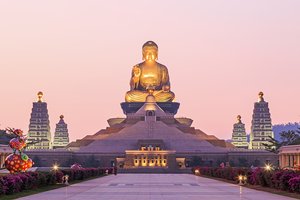
Datos clave
- Artistic Movement Or Style: Buddhist Art
- Full Name: Fo Guang Shan Buddha Museum
- Nationality: Taiwanese
- Notable Artworks:
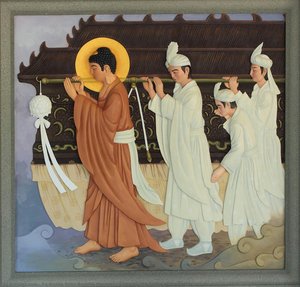
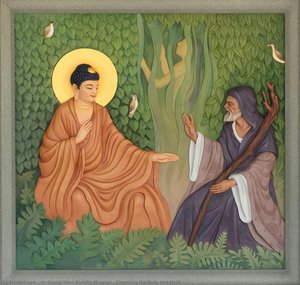
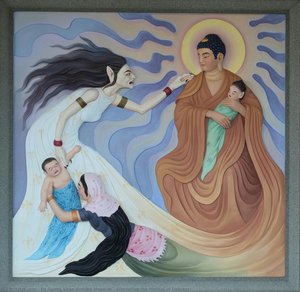
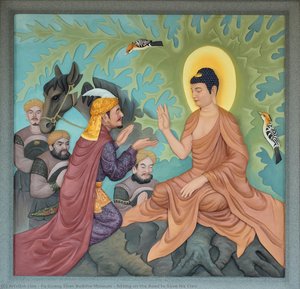
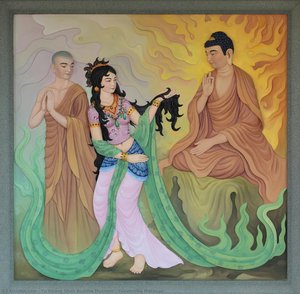
- The Buddha Entering Parinirvana
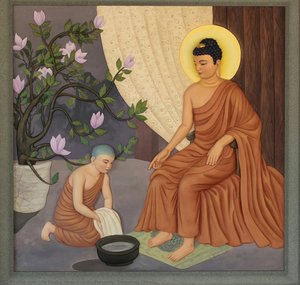
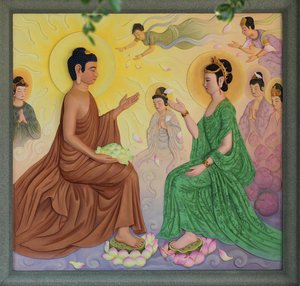
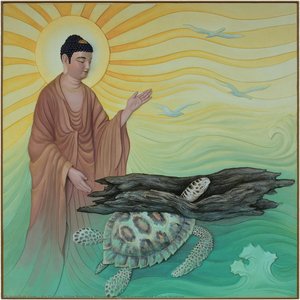
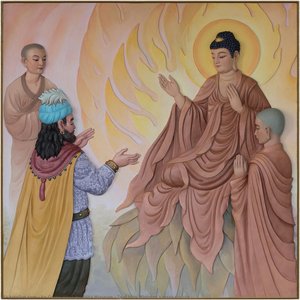
- Teaching Sujata
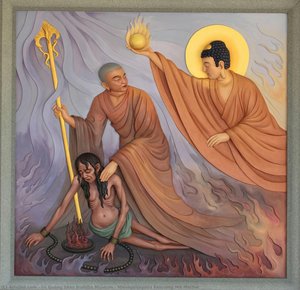
- Daoist Ritual
- Sewing Three Robes…
- Place Of Birth: Dashun District, Taiwan
Artículos relacionados
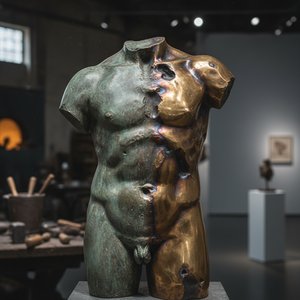
El Legado Duradero de la Escultura en Bronce: Historia, Técnicas e Interpretaciones Contemporáneas
Descubra la historia, las técnicas y el valor de la escultura en bronce. Guía experta para coleccionistas e inversores. Explore obras maestras y aprenda sobre fundición a la cera perdida.

Las 10 Obras Maestras de Bronce que Revolucionaron la Historia del Arte | ArtsDot
Descubre las 10 esculturas de bronce más influyentes de la historia del arte. Explora obras maestras de Rodin, Degas y otros genios. Encuentra reproducciones de arte de calidad museo en ArtsDot.com.

Esculturas de Bronce Legendarias: 10 Obras Maestras que Transformaron el Arte | ArtsDot
Descubre las 10 esculturas de bronce más legendarias que revolucionaron el arte. Explora la historia de Rodin, Degas y otros maestros del bronce. Encuentra reproducciones de alta calidad e inspiración para tu hogar en ArtsDot.com.

The Enduring Form: Sculpture Across History, Technique & Emotional Resonance
Explore the rich history of sculpture with ArtsDot. Discover key techniques, influential artists & investment potential for discerning collectors. Expert insights into valuing and collecting timeless masterpieces.

The Enduring Form: Exploring Themes & Techniques in Sculpture Across Historical Periods
Explore the rich history of sculpture from ancient masterpieces to contemporary innovations. Discover key techniques, influential artists & investment potential for discerning art collectors.