 Vista previa
 Compartir
 Compartir
 Ver detalles

 Descargar
 Ver similares
 Radiografía
 Presentación de diapositivas
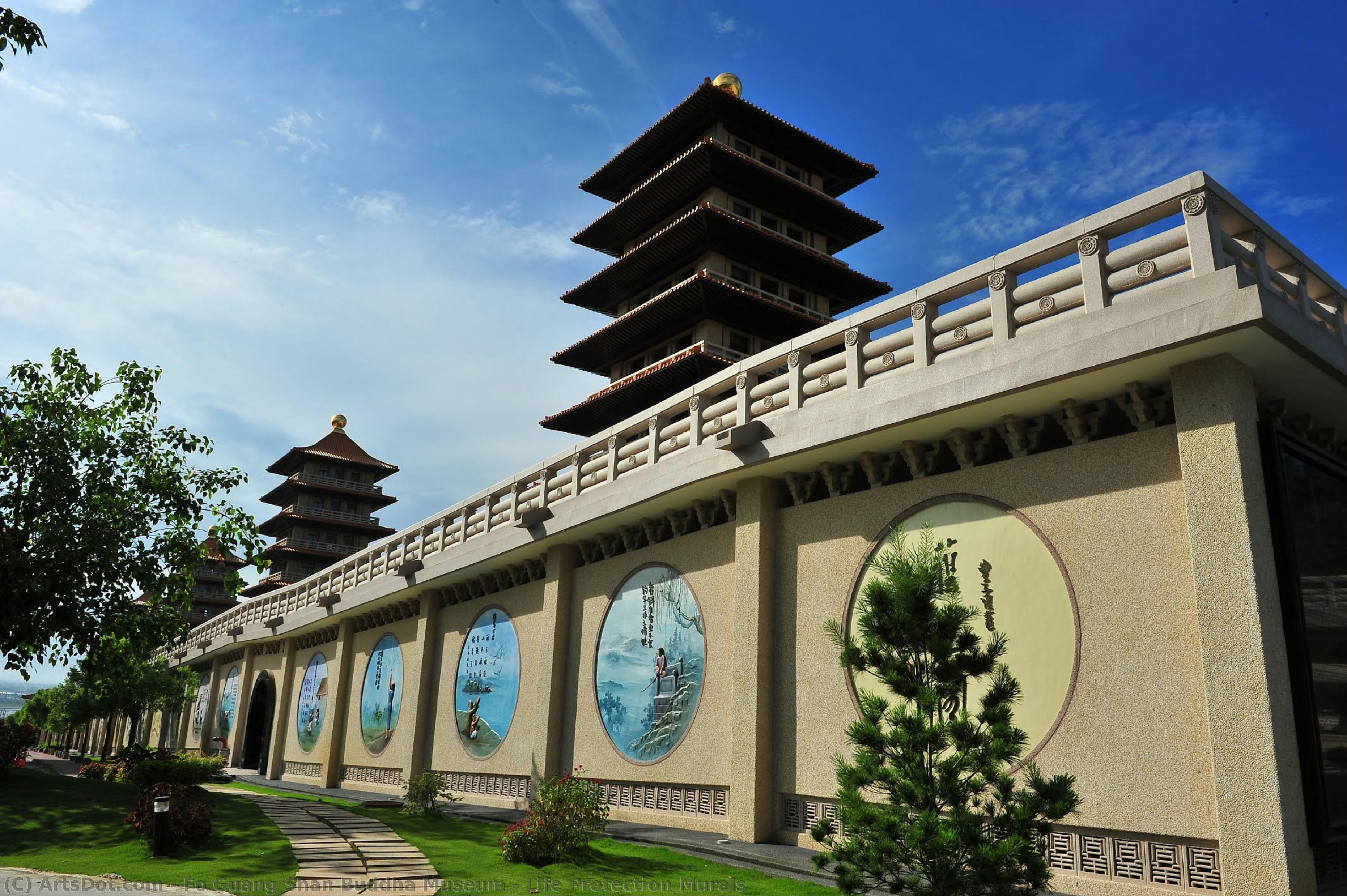
Murallas Protectoras de la Vida


 Leer más
Reproducción al óleo hecha a mano
Óleo sobre lienzo pintado a mano en el tamaño y marco de su elección, realizado por encargo por nuestros artistas. ( Pedir impresión Comprar descarga)




P118B $10

P118H $10

P118W $10

P438Z $10

P508JH $12

P508YH $12

P805H $10

P805Z $10

P919BZ $10

P919G $10

P919XJ $10

P959ZH $10

P968JZ $12

W106C $8

W218G $10

W218JH $8

W218Y $10

W307PJ $10

W316G $10

W316PJ $8

W316Y $10

W398PJ $8

W4111J $10

W500HY $15

W500JH $15

W692G $12

W849H $8

W940BG $15

W953PJ $8




Elija entre nuestros tamaños predefinidos que respetan las proporciones originales de la obra.

Puede ingresar sus propias dimensiones para adaptarse a un marco o espacio específico. Si el tamaño seleccionado no coincide con las proporciones de la imagen original, recortaremos la obra o extenderemos la pintura con elementos adicionales pintados a mano. Se le enviará una maqueta digital para su aprobación antes de comenzar la producción.
Tenga en cuenta que la vista previa en pantalla no refleja el recorte o la extensión reales. Solo la maqueta mostrará con precisión la composición final.
Si bien existen tamaños personalizados, recomendamos seleccionar una dimensión de la lista predefinida para preservar las proporciones originales.
Tras realizar el pedido, el equipo de ArtsDot.com enviará un correo electrónico al cliente para solicitar instrucciones y proporcionarle una vista previa del boceto.
Envío a todo el mundo () en 3-4 semanas en lugar de las 5 semanas estándar. (21 agosto). Sin comprometer la calidad.

Envío exprés gratuito a todo el mundo

Lienzo de lino de alta calidad

Seguro de envío completo

Garantía de reembolso de aranceles aduaneros

Garantía de fidelidad cromática exacta

Política de devolución de 60 días (solo por defectos)

Garantía de devolución del 100% del dinero

Oferta por volumen
 La opción de vidrio solo está disponible en tamaños inferiores a 110 cm.

Murallas Protectoras de la Vida
Técnica de reproducción
Tamaño de la reproducción
-


Precio total
$ 263
Descripción de la obra
Vida Protección Murallas
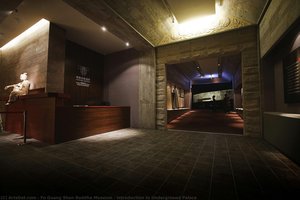
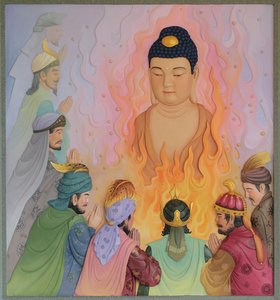
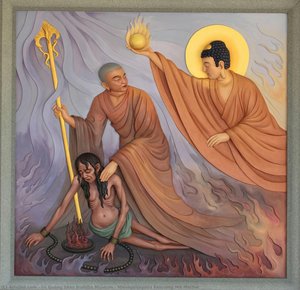
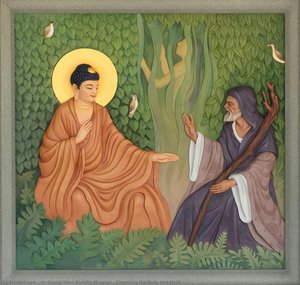
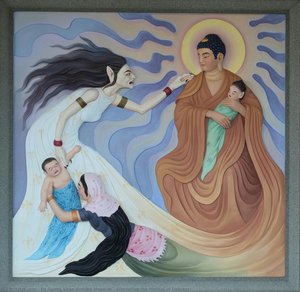
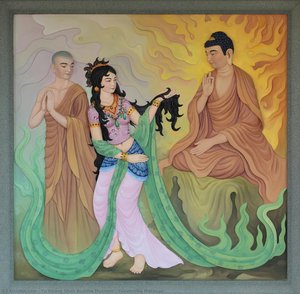
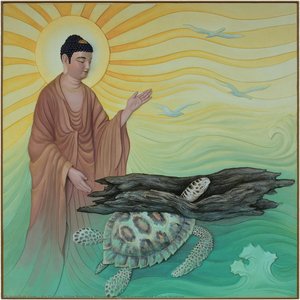
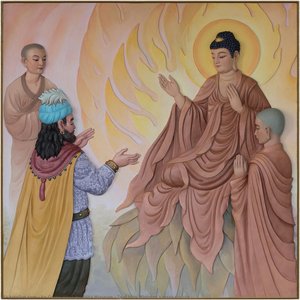
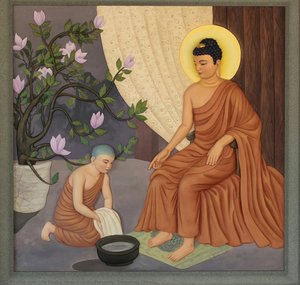
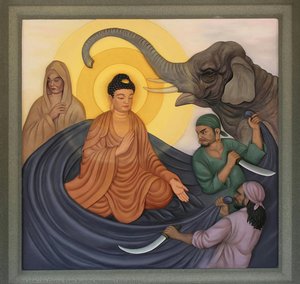
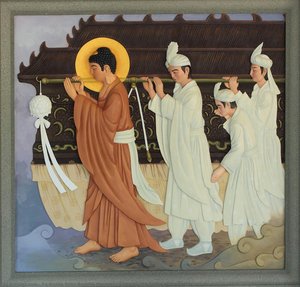
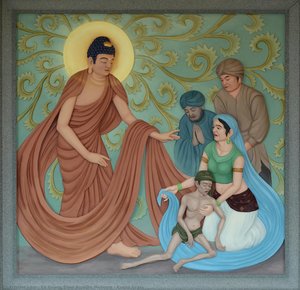
La impresionante muralla más grande es en la pared de los caminos sur y norte del Museo Budista Fo Guang Shan. En esta pared se encuentran las Murallas de Protección Vitalidad por Feng Zikai, Historias Chan por Gao Ertai y su esposa Pu Xiaoyu y Fo Guang Cai Gen Tan (Raíces de Sabiduría) por artistas famosos. Las ochenta y seis murales coloridos que representan la protección de la vida fueron seleccionados entre Protección para Seres Vivientes de Feng Zikai y están dispuestos a lo largo de las paredes exteriores del largo camino. Estas murallas enfatizan la santidad de la vida, invitando a padres y niños a apreciar su belleza y fomentar una profunda sensibilidad hacia la compasión – un impulso esencial para el crecimiento humano. Entre los elementos que enriquecen este espacio sagrado destacan poemas y caligrafía escritos por Venerable Hongyi, un monje eminente de principios republicanos, cuyo espíritu sigue inspirando reflexión y armonía. Más allá de las Murallas de Protección Vitalidad, Fo Guang Cai Gen Tan (Raíces de Sabiduría) ofrecen una ventana al conocimiento ancestral, presentando obras creadas por diversos artistas que buscan transmitir enseñanzas fundamentales sobre la filosofía budista y su importancia para comprender el mundo que nos rodea. Estos frescos reflejan un estilo arquitectónico tradicional oriental, profundamente arraigado en las tradiciones culturales china y vietnamita, donde la estética busca crear espacios de contemplación y conexión con lo divino. La ejecución artística emplea técnicas meticulosas como la pintura al óleo sobre lienzo, utilizando colores vibrantes para capturar la esencia misma de los principios budistas y transmitir una sensación de serenidad y belleza trascendental. Los artistas seleccionados fueron maestros en el dominio del arte oriental clásico, cuyo trabajo sigue siendo admirado por su precisión técnica y capacidad expresiva. La composición general del museo es un testimonio de la sabiduría ancestral y la búsqueda constante de armonía entre hombre y naturaleza. Las paredes exteriores están adornadas con murales que evocan imágenes poderosas de figuras religiosas iluminadas y paisajes inspiradores, creando una atmósfera de paz interior y reflexión espiritual. Estos frescos representan una celebración de la belleza estética como vehículo para el crecimiento moral y intelectual, ofreciendo una oportunidad única para acercarse a las raíces profundas de la cultura budista y comprender su impacto duradero en el pensamiento occidental. Además, los materiales utilizados en la construcción del museo – piedra blanca translúcida, madera noble y pigmentos naturales – reflejan un compromiso con la sostenibilidad ambiental y una profunda conexión con el entorno natural que lo alberga. Este proyecto arquitectónico representa un esfuerzo por preservar el patrimonio cultural chino y ofrecer un espacio dedicado a la difusión de enseñanzas religiosas esenciales para el bienestar humano.Obras relacionadas

Biografía del artista
Fo Guang Shan Buddha Museum
The Fo Guang Shan Buddha Museum, nestled in the Dashu District of Kaohsiung, Taiwan, is more than a repository of sacred objects and artistic creations; it’s a vibrant testament to the enduring power of Buddhist philosophy and its profound influence on East Asian culture. Emerging from the vision of Venerable Master Hsing Yun, founder of Fo Guang Shan—Taiwan's largest Buddhist organization—the museum officially opened its doors in December 2011 after years of dedicated construction beginning in 2008. It stands as a beacon of Mahāyāna Buddhism, meticulously designed to present the Dharma through an immersive experience encompassing art, culture, film, humanistic inquiry, and international exchange. The very genesis of the museum is rooted in a remarkable story: in 1998, Master Hsing Yun was entrusted with a tooth relic of Sakyamuni Buddha by Kunga Dorje Rinpoche, a Tibetan lama who had safeguarded it for three decades. This sacred gift became the catalyst for creating a space worthy of its reverence and capable of sharing Buddhist wisdom with the world.Origins and Founding Vision
The creation of Fo Guang Shan Buddha Museum stemmed from a profound desire to honor the Buddha’s Dharma body and to foster understanding between Buddhist traditions across continents. Venerable Master Hsing Yun, recognizing the importance of preserving Buddhist heritage and disseminating its teachings globally, envisioned a museum that would serve as both a sanctuary for contemplation and a conduit for cultural dialogue. Inspired by Kunga Dorje Rinpoche's generosity in gifting him the Buddha’s tooth relic—a symbol of compassion and enlightenment—Master Hsing Yun embarked on an ambitious undertaking to establish Fo Guang Shan Monastery and subsequently, its associated museum. The monastery itself embodies the core principles of Buddhist practice: mindfulness, ethical conduct, and selfless service – values that permeate every aspect of the museum's mission.Architectural Symbolism and Design Philosophy
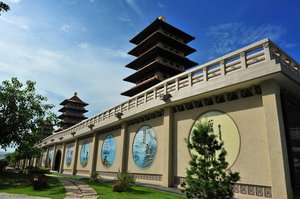
The architectural design of Fo Guang Shan Buddha Museum is deeply symbolic, reflecting fundamental concepts within Mahāyāna Buddhism. From the moment visitors step through the Gate of Perfect Ease and the Gate of Liberation—each adorned with majestic lion and elephant statues representing strength and wisdom—they embark on a journey guided by visual cues that reinforce Buddhist cosmology. The central element of this architectural narrative is undoubtedly the Fo Guang Big Buddha, an imposing statue crafted from bronze and symbolizing enlightenment itself. Surrounding it are eight pagodas meticulously designed to represent the Eight Auspicious Symbols of Buddhism – lotus blossoms, dharma wheels, vajras, parasols, banners, bells, stupas, and treasures—each embodying specific virtues and aspirations. The careful arrangement of these structures underscores the interconnectedness of Buddhist thought and practice, creating a harmonious environment conducive to spiritual reflection.A Collection Reflecting Buddhist Art Heritage
The museum’s collection showcases an impressive array of artworks spanning centuries of Buddhist artistic tradition, primarily originating from China and Taiwan. Paintings depict scenes from Buddhist scriptures and embody stylistic influences ranging from Tang Dynasty landscapes to Ming Dynasty portraits—demonstrating the breadth of Buddhist aesthetic expression across time periods. Sculptures crafted in stone and bronze portray figures revered within Buddhism – bodhisattvas, Buddhas, and enlightened beings – reflecting meticulous craftsmanship and conveying profound spiritual symbolism. Installations incorporate multimedia elements such as films and interactive displays that illuminate Buddhist concepts and engage visitors intellectually. The curators have prioritized artworks that exemplify the museum’s commitment to preserving cultural heritage while fostering appreciation for Buddhist art forms.Global Recognition and Continuing Mission
Fo Guang Shan Buddha Museum achieved international acclaim in 2014 when it was accepted as the youngest member of the International Council of Museums (ICOM), signifying its adherence to rigorous standards of museum management and ethical conduct. This distinction underscores the museum’s dedication to promoting cultural understanding and fostering dialogue between diverse communities worldwide. Furthermore, Fo Guang Shan Buddha Museum continues to champion educational initiatives aimed at disseminating Buddhist wisdom and cultivating compassion—a mission that aligns seamlessly with Venerable Master Hsing Yun's lifelong commitment to serving humanity through spiritual practice. The museum stands as a testament to the transformative power of art and faith, inviting visitors to contemplate the enduring relevance of Buddhist principles in addressing contemporary challenges and fostering a more harmonious world.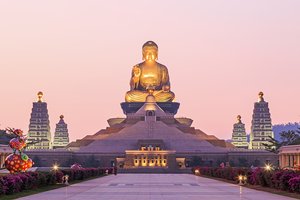
Datos clave
- Artistic Movement Or Style: Buddhist Art
- Full Name: Fo Guang Shan Buddha Museum
- Nationality: Taiwanese
- Notable Artworks:
- The Buddha Entering Parinirvana
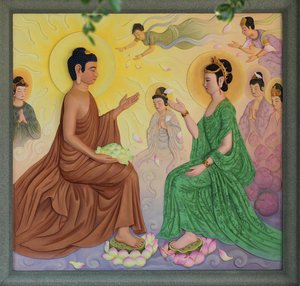
- Teaching Sujata
- Daoist Ritual
- Sewing Three Robes…
- Place Of Birth: Dashun District, Taiwan
Artículos relacionados

¿Murales en Cocinas y Baños? La Nueva Tendencia del Diseño de Interiores de Lujo
Descubre la tendencia de los murales en baños y cocinas. Expertos en diseño te guían para transformar tus espacios con arte impermeable y personalizado. ¡Encuentra inspiración y soluciones únicas!
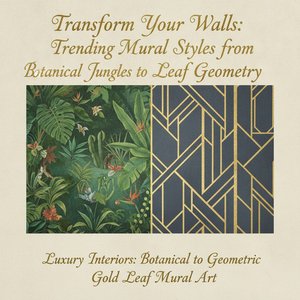
Tendencias Murales 2024: Del Realismo Salvaje a la Geometría Dorada
Descubre las tendencias más solicitadas en murales para hoteles. Expertos en diseño y arte te guían para transformar tu espacio con obras únicas. ¡Encuentra inspiración y soluciones personalizadas!
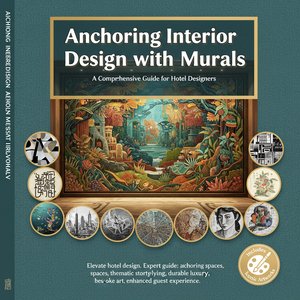
¿Murales como Pilar del Diseño Interior? Transformando Espacios con Arte Central
Descubre cómo los murales transforman espacios con arte central. Expertos en diseño de interiores te guían para crear ambientes únicos y sofisticados. ¡Inspírate!
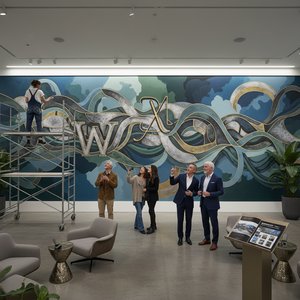
¿Cómo un Mural Personalizado Define la Identidad Visual de su Marca?
Descubra cómo un mural personalizado puede transformar la identidad de su marca. Expertos en diseño y arte para espacios comerciales. : calidad, personalización y soluciones exclusivas.
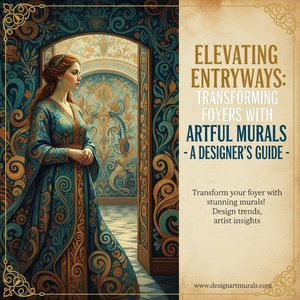
¿Transforme su Vestíbulo en una Obra de Arte? Murales para una Primera Impresión Inolvidable
Transforme su vestíbulo en una obra de arte inolvidable. Descubra ideas y consejos expertos para murales personalizados que causen una primera impresión impactante. ¡Diseñe con confianza!