 Ver en contexto
 Enviar
 Compartir
 Detalles

 Descargar
 Similares
 Radiografía
 Presentación de diapositivas
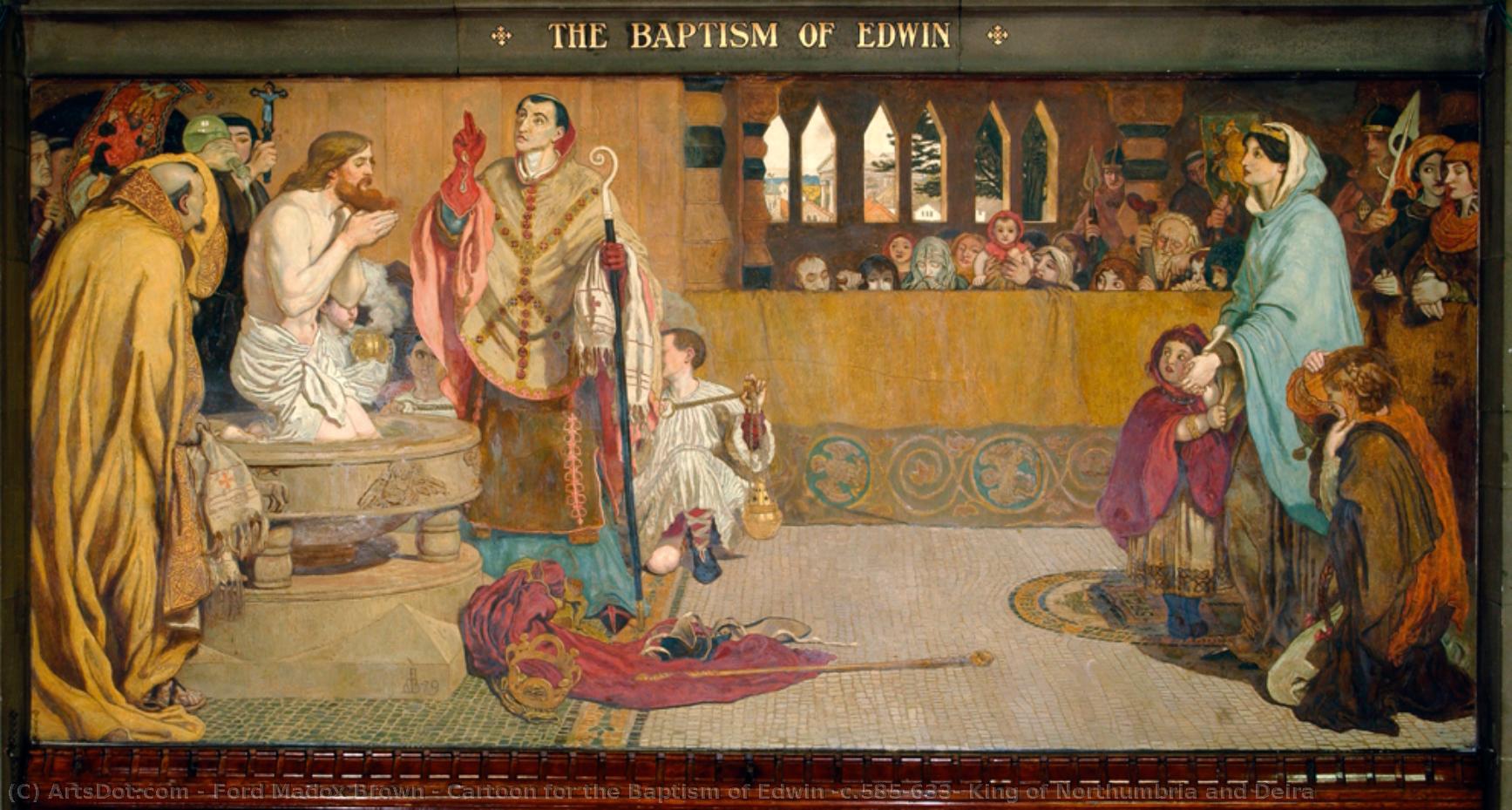
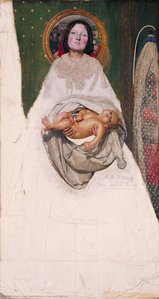
Cartoon for the Baptism of Edwin (c.585-633) King of Northumbria and Deira
 Oil On Canvas
- WallArt
- Pre-Raphaelite
 1891
1891 126.0 x 57.0 cm
 Galería Nacional de Victoria
 Ver más
Giclée / Impresión de arte
Impresiones giclée o en lienzo de calidad de museo con producción rápida y opciones de acabado flexibles. ( Comprar pintura hecha a mano Comprar imagen)




P118B $10

P118H $10

P118W $10

P438Z $10

P508JH $12

P508YH $12

P805H $10

P805Z $10

P919BZ $10

P919G $10

P919XJ $10

P959ZH $10

P968JZ $12

W106C $8

W218G $10

W218JH $8

W218Y $10

W307PJ $10

W316G $10

W316PJ $8

W316Y $10

W398PJ $8

W4111J $10

W500HY $15

W500JH $15

W692G $12

W849H $8

W940BG $15

W953PJ $8




Elija entre nuestros tamaños predefinidos que respetan las proporciones originales de la obra.

Puede introducir sus propias dimensiones para adaptarse a un marco o espacio específico. Si el tamaño seleccionado no coincide con las proporciones de la imagen original, recortaremos la obra de arte o extenderemos la imagen con un borde con efecto espejo o de color sólido. Se enviará una maqueta digital para su aprobación antes de que comience la producción.
Tenga en cuenta que la vista previa en pantalla no refleja el recorte o la extensión real. Solo la maqueta mostrará con precisión la composición final.
Aunque existen tamaños personalizados, recomendamos seleccionar una dimensión de la lista predefinida para preservar las proporciones originales.
Envío a todo el mundo () en 2 semanas en lugar de las 4/5 semanas estándar. (2 septiembre)

Envío exprés gratuito a todo el mundo

Lienzo de lino de alta calidad

Seguro de envío total

Garantía de reembolso de impuestos aduaneros

Garantía de fidelidad cromática exacta

Política de devolución de 60 días (solo por defectos)

Garantía de devolución del 100% del dinero

Descuento por cantidad
 La opción de vidrio solo está disponible en tamaños inferiores a 110 cm.

Cartoon for the Baptism of Edwin (c.585-633) King of Northumbria and Deira
Giclée / Impresión de arte
Dimensiones de la reproducción
-


Precio total final
$ 62
The Baptism of Edwin: A Pre-Raphaelite Vision of Faith and Power
Ford Madox Brown’s “Cartoon for the Baptism of Edwin” (1891) is not merely a depiction of a historical event; it's a meticulously crafted tableau vivant, brimming with symbolic weight and rendered in the luminous style characteristic of the Pre-Raphaelite Brotherhood. This monumental work, originally intended as a mural for the Manchester Town Hall, captures a pivotal moment in the life of Edwin, King of Northumbria and Deira – his baptism by St. Chad – transforming a religious ceremony into a profound meditation on faith, power, and the transition from paganism to Christianity.
The scene unfolds within a richly detailed interior space, reminiscent of a grand Roman basilica yet imbued with a distinctly Northern English sensibility. The architecture is deliberately ambiguous, suggesting both classical influence and the rugged practicality of Northumbrian design. Brown’s masterful use of linear perspective creates a sense of depth, drawing the viewer into the crowded gathering – a tapestry of figures engaged in various actions: Edwin, poised on the brink of spiritual rebirth; St. Chad, radiating authority and serenity; attendants assisting with solemn grace; and onlookers, ranging from devout believers to curious observers. The composition is deliberately complex, layering multiple groups and gestures to convey the multifaceted nature of the event.
A Symphony of Color and Texture
Brown’s technique is a testament to his meticulous observation and artistic skill. He employs a vibrant yet restrained palette dominated by earthy tones – ochres, browns, greens, and golds – punctuated by flashes of crimson and purple in the robes and ornamentation. The brushwork itself is remarkably expressive, creating a palpable sense of texture. Thick impasto builds up the folds of fabric, conveying their weight and movement with astonishing realism. The wet surfaces of the baptismal pool are rendered with shimmering highlights, suggesting the fluidity and transformative power of water. Notice particularly the careful detailing of the stonework – the rough-hewn arches, the weathered columns – grounding the scene in a tangible reality.
The Pre-Raphaelite Brotherhood, to which Brown belonged, rejected the idealized forms and artificiality of academic art, advocating for a return to the perceived purity and sincerity of early Italian masters. This commitment is evident in Brown’s meticulous attention to detail, his rejection of smooth surfaces, and his preference for depicting scenes from biblical history and mythology with unflinching realism. He sought to capture not just the appearance of reality but also its emotional essence – the reverence, the solemnity, and the profound significance of the moment.
Symbolism and Narrative Depth
Beyond a simple depiction of baptism, “The Baptism of Edwin” is rich in symbolic meaning. The act itself represents purification, spiritual rebirth, and the acceptance of Christian faith as an alternative to pagan beliefs. Edwin’s regal attire – a richly embroidered robe and crown – underscores his status as a king and leader, highlighting the transformative impact of this religious ceremony on both his soul and his kingdom. The expressions on the faces of the onlookers are equally significant, conveying a range of emotions – from devout contemplation to cautious curiosity – reflecting the complex social and cultural landscape of Northumbria in the 7th century.
Furthermore, Brown’s choice of subject matter—a relatively obscure event in English history—suggests a broader commentary on the spread of Christianity throughout Britain. The mural serves as a visual narrative, inviting viewers to contemplate the challenges and triumphs inherent in the conversion process. The work's enduring power lies not only in its technical brilliance but also in its ability to evoke a sense of historical drama, spiritual yearning, and the timeless struggle between faith and doubt.
A Legacy of Artistic Vision
“Cartoon for the Baptism of Edwin” stands as a remarkable achievement in Victorian art, embodying the Pre-Raphaelite Brotherhood’s commitment to realism, symbolism, and narrative storytelling. Reproductions of this magnificent mural capture much of its original grandeur and emotional depth, offering a window into a pivotal moment in British history and a testament to Ford Madox Brown's artistic genius. It remains a powerful image, resonating with viewers today through its timeless themes of faith, power, and the enduring human quest for meaning.
Obras relacionadas
Biografía del artista
Primeros años y carrera
Ford Madox Brown, pintor británico, nació el 16 de abril de 1821 en Calais, Francia. Su infancia estuvo marcada por frecuentes mudanzas entre alojamientos en Pas-de-Calais y familiares en Kent, lo que limitó sus oportunidades educativas. Sin embargo, demostró talento artístico desde temprana edad, especialmente al copiar grabados de maestros antiguos.Estilo Artístico y Obras Notables
Las pinturas de Brown se caracterizan por sus colores vivos y su realismo, a menudo representando temas históricos y morales. Su obra más destacada es posiblemente Work (1852-1865), una pintura que muestra su estilo distintivamente gráfico y hogarthiano. Los murales de Manchester, una serie de doce obras pintadas para el Ayuntamiento de Manchester, son otro ejemplo notable del arte de Brown. Estos murales representan la historia mancuniana y se consideran algunos de los mejores ejemplos del arte prerrafaelita.- Destacan también sus contribuciones al diseño de vidrieras y muebles para la compañía de artes decorativas de William Morris.
Influencia y Legado
Brown fue un asesor y amigo de los miembros de la Hermandad Prerrafaelita, un grupo que influyó con su estilo artístico. Su trabajo ha sido ampliamente reconocido, y se le considera uno de los pioneros del arte prerrafaelita.- La obra de Thomas Benjamin Kennington, The Pinch of Poverty, muestra la influencia del estilo de Brown en otros artistas.
- El propio trabajo de Brown, como The Last of England, demuestra su capacidad para capturar la esencia de los temas históricos y morales.
Vida Personal y Años Posteriores
Brown se casó dos veces: primero con Elizabeth Bromley en 1841, quien falleció en 1846, y luego con Emily Hill en 1853, quien también murió en 1890. Tuvo cinco hijos, incluyendo a Lucy Madox Brown y Catherine Madox Brown. Su hijo Oliver Madox Brown (1855–1874) mostró grandes dotes como pintor y poeta, pero murió prematuramente. Su nieto fue el famoso novelista Ford Madox Ford.Desarrollo Artístico y Evolución
Brown experimentó una notable evolución en su estilo a lo largo de su carrera. Inicialmente influenciado por las tragedias personales y los problemas sociales de la época, sus primeras obras se caracterizaban por tonos sombríos y colores apagados. Un punto crucial fue su viaje a Roma en 1845-1846, donde conoció a los nazarenos y estudió la pintura italiana, lo que le permitió ampliar su paleta y adoptar un enfoque más realista y vibrante. Su amistad con Dante Gabriel Rossetti y su posterior asociación con William Morris también fueron fundamentales para su desarrollo artístico, llevándolo a explorar nuevas técnicas y temas en el diseño de vidrieras y muebles.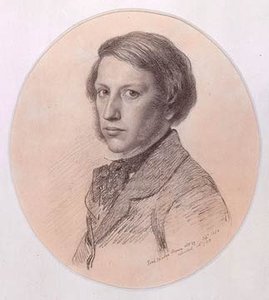
Ford Madox Brown
1821 - 1893 , Francia
Datos clave
- Artistas Que Influyeron:
- Hans Holbein
- Thomas Carlyle
- Fecha De Muerte: 6 de octubre de 1893
- Fecha De Nacimiento: 16 de abril de 1821
- Influencia En Artistas: ['Pre-Rafaelitas']
- Lugar De Nacimiento: Calais, Francia
- Movimiento Artístico: Prerrafaelismo
- Nacionalidad: Británico
- Nombre Completo: Ford Madox Brown
- Obras Notables:
- Work (1852-1865)
- Los murales de Manchester
- El último de Inglaterra
Artículos relacionados
Ford Madox Brown: Pre-Raphaelite Visionary & Victorian Social Commentary
Explore the life & art of Ford Madox Brown, a pivotal Pre-Raphaelite painter renowned for his powerful social commentary and masterpiece 'Work'. Discover his lasting influence on British art history.
Dante Gabriel Rossetti: Las 25 Obras Maestras del Prerrafaelismo | ArtsDot
Descubre las 25 obras maestras de Dante Gabriel Rossetti, el máximo exponente del Prerrafaelismo. Explora su simbolismo, retratos victorianos y la belleza femenina en lienzos inolvidables. Reproducciones de arte exclusivas en ArtsDot.com.

Las 10 Obras Maestras Marrones Rosados: Belleza Atemporal para tu Hogar |
Descubre las 10 pinturas marrones rosados más icónicas de la historia del arte. Explora el Renacimiento, Barroco e Impresionismo con obras maestras llenas de calidez y significado. Reproducciones de alta calidad en .

Los 10 Óleos Más Famosos en Tonos Marrones Arenosos | Arte y Decoración
Descubre los 10 óleos más emblemáticos en tonos marrones arenosos. Explora la historia, técnica y belleza de artistas como Rembrandt y Caravaggio. Encuentra reproducciones de arte exclusivas para decorar tu hogar con elegancia en ArtsDot.com
John George Brown: Capturing American Life & Sentiment in 19th-Century Genre Painting
Explore the captivating genre paintings of John George Brown, celebrated for his realistic depictions of 19th-century American life. Discover his legacy & find museum-quality reproductions at ArtsDot.