 Ver en contexto
 Enviar
 Compartir
 Detalles

 Descargar
 Similares
 Radiografía
 Presentación de diapositivas
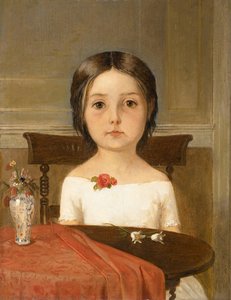
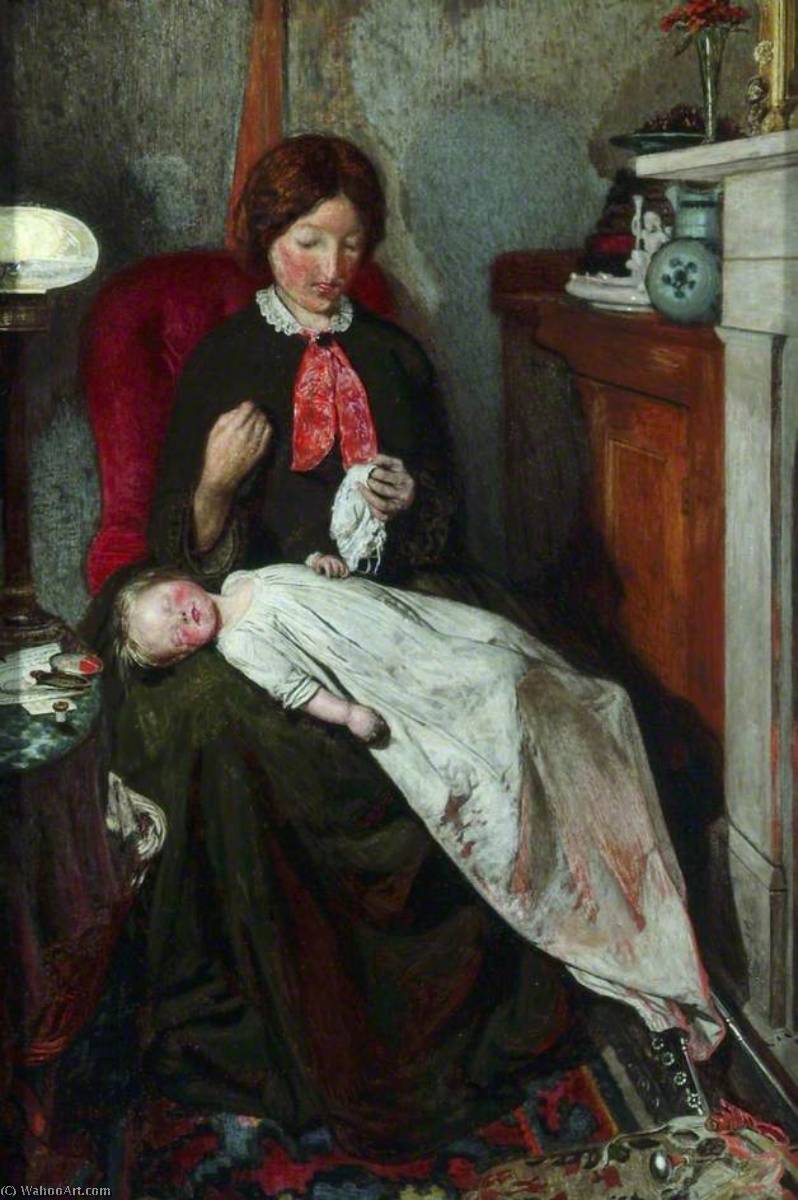
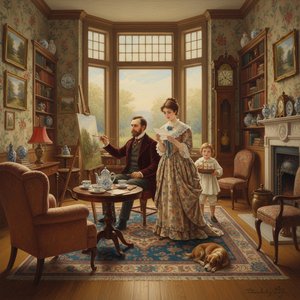
Waiting An English Fireside of 1854–1855
 Acrylic On Canvas
- WallArt
- Victorian Realism
 1855
1855 31.0 x 20.0 cm
 Galería de Arte Walker
 Ver más
Reproducción al óleo hecha a mano
Óleo sobre lienzo pintado a mano en el tamaño y marco de su elección, realizado por encargo por nuestros artistas. ( Comprar impresión Comprar imagen)




P118B $10

P118H $10

P118W $10

P438Z $10

P508JH $12

P508YH $12

P805H $10

P805Z $10

P919BZ $10

P919G $10

P919XJ $10

P959ZH $10

P968JZ $12

W106C $8

W218G $10

W218JH $8

W218Y $10

W307PJ $10

W316G $10

W316PJ $8

W316Y $10

W398PJ $8

W4111J $10

W500HY $15

W500JH $15

W692G $12

W849H $8

W940BG $15

W953PJ $8




Elija entre nuestros tamaños predefinidos que respetan las proporciones originales de la obra.

Puede ingresar sus propias dimensiones para adaptarse a un marco o espacio específico. Si el tamaño seleccionado no coincide con las proporciones de la imagen original, recortaremos la obra o extenderemos la pintura con elementos adicionales pintados a mano. Se le enviará una maqueta digital para su aprobación antes de comenzar la producción.
Tenga en cuenta que la vista previa en pantalla no refleja el recorte o la extensión reales. Solo la maqueta mostrará con precisión la composición final.
Si bien existen tamaños personalizados, recomendamos seleccionar una dimensión de la lista predefinida para preservar las proporciones originales.
Tras realizar el pedido, el equipo de ArtsDot.com enviará un correo electrónico al cliente para solicitar instrucciones y proporcionarle una vista previa del boceto.
Envío a todo el mundo () en 3-4 semanas en lugar de las 5 semanas estándar. (2 septiembre). Sin comprometer la calidad.

Envío exprés gratuito a todo el mundo

Lienzo de lino de alta calidad

Seguro de envío total

Garantía de reembolso de impuestos aduaneros

Garantía de fidelidad cromática exacta

Política de devolución de 60 días (solo por defectos)

Garantía de devolución del 100% del dinero

Descuento por cantidad
 La opción de vidrio solo está disponible en tamaños inferiores a 110 cm.

Waiting An English Fireside of 1854–1855
Técnica de reproducción
Dimensiones de la reproducción
-


Precio total final
$ 263
A Moment Frozen in Domestic Tranquility: Examining Ford Madox Brown’s “Waiting”
“Waiting,” painted by Ford Madox Brown in 1855, transcends mere portraiture; it's a meticulously crafted tableau that encapsulates the burgeoning Victorian ideal of domestic harmony and quiet contemplation. More than just depicting a woman knitting with her infant son, Brown’s masterpiece delves into the psychological landscape of Victorian middle-class life—a realm increasingly defined by aspirations for comfort, refinement, and moral virtue.The Scene: An Everyday Interior Illuminated
The painting transports us to a humble yet thoughtfully furnished room bathed in the warm glow of flickering firelight and lamplight. Brown’s masterful use of chiaroscuro – dramatic contrasts between light and shadow – establishes an atmosphere of intimacy and serenity. Notice how the artist skillfully renders the textures of the fabrics: the plush upholstery of the sofa, the knitted shawl draped over the woman's shoulders, and the subtle sheen on the vase holding flowers—details that speak volumes about Victorian sensibilities regarding materiality and sensory experience. The carefully positioned books contribute to the intellectual backdrop of this domestic scene, hinting at a desire for knowledge and cultural enrichment within the confines of the home.A Style Rooted in Observation and Imitation
Brown’s artistic approach was profoundly influenced by his early training in copying Old Master prints—a practice considered crucial for developing technical proficiency and understanding compositional principles. This dedication to meticulous observation is evident throughout “Waiting,” where every element contributes to a cohesive visual narrative. The painting adheres closely to the conventions of Academic Impressionism, prioritizing realism and tonal gradation over expressive brushstrokes. However, Brown subtly departs from strict adherence to tradition by incorporating elements that reflect his own artistic vision—a quiet dignity conveyed through posture and gaze—suggesting an artist grappling with the complexities of his time.Symbolic Resonance: Beyond Surface Appearance
The painting’s symbolism extends far beyond its depiction of a familial tableau. The woman's knitting represents industriousness and domestic responsibility – values highly prized in Victorian society. Simultaneously, her son embodies innocence and vulnerability—a poignant reminder of the sanctity of family life. The vase of flowers symbolizes beauty and freshness, representing an aspiration for moral purity and spiritual contemplation. Brown’s deliberate choice of subject matter underscores the Victorian preoccupation with portraying idealized representations of human experience.Emotional Impact: A Window into Victorian Values
“Waiting” resonates powerfully with viewers today because it captures a fundamental aspect of Victorian culture—the yearning for stability, contentment, and connection amidst the rapid social transformations of the era. Brown’s ability to convey emotion through subtle gestures and facial expressions elevates the painting beyond mere visual representation; it invites contemplation on themes of motherhood, domestic tranquility, and the pursuit of moral virtue. It remains a testament to Brown's skill as an artist and his profound understanding of the human condition—a timeless image that continues to inspire admiration for its understated beauty and enduring psychological depth.Obras relacionadas
Biografía del artista
Primeros años y carrera
Ford Madox Brown, pintor británico, nació el 16 de abril de 1821 en Calais, Francia. Su infancia estuvo marcada por frecuentes mudanzas entre alojamientos en Pas-de-Calais y familiares en Kent, lo que limitó sus oportunidades educativas. Sin embargo, demostró talento artístico desde temprana edad, especialmente al copiar grabados de maestros antiguos.Estilo Artístico y Obras Notables
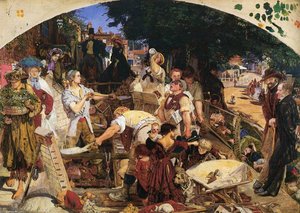
Las pinturas de Brown se caracterizan por sus colores vivos y su realismo, a menudo representando temas históricos y morales. Su obra más destacada es posiblemente Work (1852-1865), una pintura que muestra su estilo distintivamente gráfico y hogarthiano. Los murales de Manchester, una serie de doce obras pintadas para el Ayuntamiento de Manchester, son otro ejemplo notable del arte de Brown. Estos murales representan la historia mancuniana y se consideran algunos de los mejores ejemplos del arte prerrafaelita.- Destacan también sus contribuciones al diseño de vidrieras y muebles para la compañía de artes decorativas de William Morris.
Influencia y Legado
Brown fue un asesor y amigo de los miembros de la Hermandad Prerrafaelita, un grupo que influyó con su estilo artístico. Su trabajo ha sido ampliamente reconocido, y se le considera uno de los pioneros del arte prerrafaelita.- La obra de Thomas Benjamin Kennington, The Pinch of Poverty, muestra la influencia del estilo de Brown en otros artistas.
- El propio trabajo de Brown, como The Last of England, demuestra su capacidad para capturar la esencia de los temas históricos y morales.
Vida Personal y Años Posteriores
Brown se casó dos veces: primero con Elizabeth Bromley en 1841, quien falleció en 1846, y luego con Emily Hill en 1853, quien también murió en 1890. Tuvo cinco hijos, incluyendo a Lucy Madox Brown y Catherine Madox Brown. Su hijo Oliver Madox Brown (1855–1874) mostró grandes dotes como pintor y poeta, pero murió prematuramente. Su nieto fue el famoso novelista Ford Madox Ford.Desarrollo Artístico y Evolución
Brown experimentó una notable evolución en su estilo a lo largo de su carrera. Inicialmente influenciado por las tragedias personales y los problemas sociales de la época, sus primeras obras se caracterizaban por tonos sombríos y colores apagados. Un punto crucial fue su viaje a Roma en 1845-1846, donde conoció a los nazarenos y estudió la pintura italiana, lo que le permitió ampliar su paleta y adoptar un enfoque más realista y vibrante. Su amistad con Dante Gabriel Rossetti y su posterior asociación con William Morris también fueron fundamentales para su desarrollo artístico, llevándolo a explorar nuevas técnicas y temas en el diseño de vidrieras y muebles.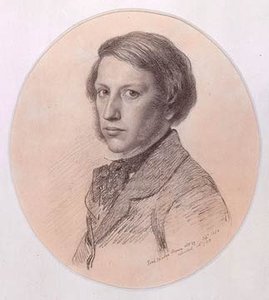
Ford Madox Brown
1821 - 1893 , Francia
Datos clave
- Artistas Que Influyeron:
- Hans Holbein
- Thomas Carlyle
- Fecha De Muerte: 6 de octubre de 1893
- Fecha De Nacimiento: 16 de abril de 1821
- Influencia En Artistas: ['Pre-Rafaelitas']
- Lugar De Nacimiento: Calais, Francia
- Movimiento Artístico: Prerrafaelismo
- Nacionalidad: Británico
- Nombre Completo: Ford Madox Brown
- Obras Notables:
- Work (1852-1865)
- Los murales de Manchester
- El último de Inglaterra
Artículos relacionados

The Interior Gaze: Exploring Representations of Domestic Space in Art History
Explore the fascinating history of domestic interiors in art! From Dutch Masters to Impressionism, discover how artists captured home life & social meaning. Expert analysis and insights at ArtsDot.
Intimate Interiors: Domestic Life & Artistic Representation from Renaissance to Impressionism
Explore the evolution of domestic life in Western art from the Renaissance to Impressionism. Discover symbolism, realism & artistic techniques shaping intimate interior scenes. Learn more with ArtsDot.
Henry William Pickersgill: Narrative, Reform & the Victorian Domestic Interior
Explore the life & work of Henry William Pickersgill, a leading Victorian portrait artist. Discover his narrative style, realistic depictions of society, and lasting influence on British art history. Fine art reproductions available at ArtsDot.
Intimate Worlds: Exploring Domestic Life in Art History
Explore the rich history of domestic life in art! Discover Dutch Masters & Victorian painters who captured everyday moments with stunning realism. Uncover symbolism and lasting influence – a journey through intimate worlds.
Robert Lillie: A Study in Victorian Genre Painting and Domestic Narrative
Explore the captivating Victorian genre paintings of Robert Lillie (1867-1949). Discover his serene Scottish landscapes and intimate domestic scenes, reflecting a unique artistic vision. Learn about his life, style & legacy.