 Ver en contexto
 Enviar
 Compartir
 Detalles

 Descargar
 Similares
 Radiografía
 Presentación de diapositivas
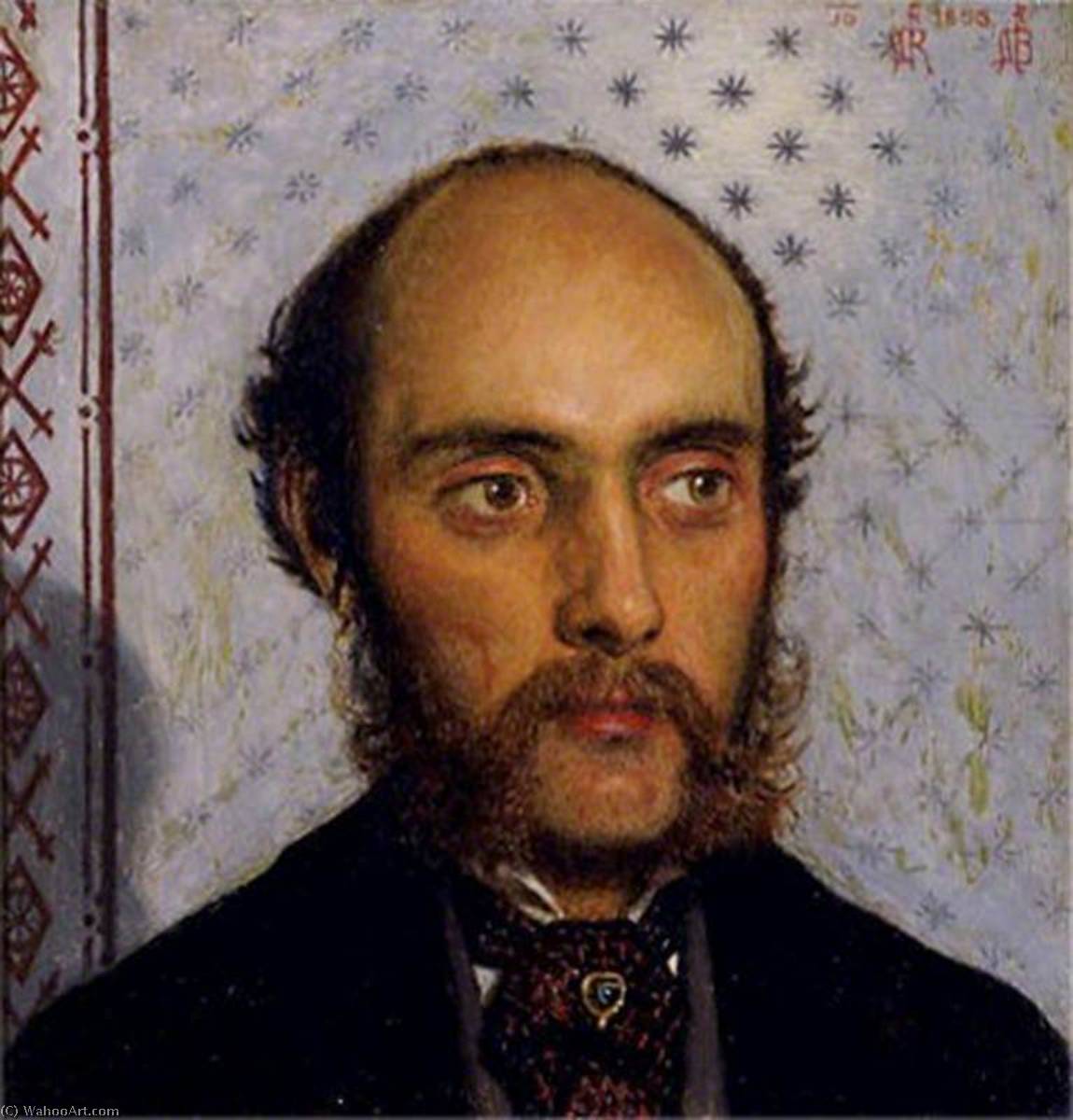
William Michael Rossetti (1829–1919), by Lamplight
 Acrylic On Canvas
- WallArt
- Romantic Realism
 1856
1856- 19th Century
 17.0 x 17.0 cm
 National Trust
 Ver más
Reproducción al óleo hecha a mano
Óleo sobre lienzo pintado a mano en el tamaño y marco de su elección, realizado por encargo por nuestros artistas. ( Comprar impresión Comprar imagen)




P118B $10

P118H $10

P118W $10

P438Z $10

P508JH $12

P508YH $12

P805H $10

P805Z $10

P919BZ $10

P919G $10

P919XJ $10

P959ZH $10

P968JZ $12

W106C $8

W218G $10

W218JH $8

W218Y $10

W307PJ $10

W316G $10

W316PJ $8

W316Y $10

W398PJ $8

W4111J $10

W500HY $15

W500JH $15

W692G $12

W849H $8

W940BG $15

W953PJ $8




Elija entre nuestros tamaños predefinidos que respetan las proporciones originales de la obra.

Puede ingresar sus propias dimensiones para adaptarse a un marco o espacio específico. Si el tamaño seleccionado no coincide con las proporciones de la imagen original, recortaremos la obra o extenderemos la pintura con elementos adicionales pintados a mano. Se le enviará una maqueta digital para su aprobación antes de comenzar la producción.
Tenga en cuenta que la vista previa en pantalla no refleja el recorte o la extensión reales. Solo la maqueta mostrará con precisión la composición final.
Si bien existen tamaños personalizados, recomendamos seleccionar una dimensión de la lista predefinida para preservar las proporciones originales.
Tras realizar el pedido, el equipo de ArtsDot.com enviará un correo electrónico al cliente para solicitar instrucciones y proporcionarle una vista previa del boceto.
Envío a todo el mundo () en 3-4 semanas en lugar de las 5 semanas estándar. (23 agosto). Sin comprometer la calidad.

Envío exprés gratuito a todo el mundo

Lienzo de lino de alta calidad

Seguro de envío total

Garantía de reembolso de impuestos aduaneros

Garantía de fidelidad cromática exacta

Política de devolución de 60 días (solo por defectos)

Garantía de devolución del 100% del dinero

Descuento por cantidad
 La opción de vidrio solo está disponible en tamaños inferiores a 110 cm.

William Michael Rossetti (1829–1919), by Lamplight
Técnica de reproducción
Dimensiones de la reproducción
-


Precio total final
$ 263
Descripción de la obra
William Michael Rossetti (1829–1919), by Lamplight: A Victorian Portrait of Quiet Intensity
Ford Madox Brown’s “William Michael Rossetti (1829-1919), by Lamplight,” painted in 1856, is more than a simple portrait; it's a carefully constructed tableau of Victorian sensibility and intellectual contemplation. The painting depicts William Michael Rossetti, a prominent poet and critic, bathed in the intimate glow of lamplight – a detail that immediately anchors the scene within the domestic sphere, a space increasingly valued for its contemplative qualities during this era. Brown’s masterful use of light and shadow creates a palpable sense of stillness, drawing the viewer into Rossetti's serious gaze.
- Subject & Composition: The subject is presented with remarkable directness. Rossetti, identifiable by his beard and mustache, wears the attire typical of the educated gentleman of the mid-19th century – a tie and spectacles signifying both status and intellectual pursuits. Brown’s compositional choices emphasize Rossetti's solitary presence, reinforcing the theme of introspection.
- Technique & Style: Executed in oil on canvas, the painting demonstrates Brown’s signature style—a blend of realism and Pre-Raphaelite influences. The meticulous rendering of textures – the velvet of his coat, the sheen of his glasses, the patterned wallpaper – speaks to Brown's dedication to detail. The brushwork is smooth yet subtly textured, contributing to the overall sense of depth and atmosphere.
Historical Context: Victorian Morality and the Rise of Portraiture
“William Michael Rossetti (1829-1919), by Lamplight” was created during a period of significant social and artistic change in Britain. The Victorian era, characterized by rapid industrialization, moral reform movements, and an increasing emphasis on individual identity, saw portraiture evolve beyond mere likenesses to become statements of character and status. Brown’s work reflects this trend, presenting Rossetti not just as a man, but as a representative of the intellectual elite – a figure engaged in thoughtful reflection, a common theme within Victorian art.
The painting's creation coincided with the rise of the National Gallery and the increasing demand for portraiture amongst the burgeoning middle class. Brown’s work aligns with this trend, offering a glimpse into the lives and sensibilities of prominent figures within the literary and intellectual circles of London.
Symbolism & The Lamplight Motif
The lamplight itself is a potent symbol within the painting. It represents not just illumination but also knowledge, introspection, and perhaps even a degree of melancholy. The light isolates Rossetti, emphasizing his solitary state and inviting the viewer to share in his quiet contemplation. The patterned wallpaper, a detail often overlooked, adds another layer of complexity, suggesting a carefully curated domestic environment – a reflection of Rossetti’s own intellectual pursuits.
Furthermore, the use of dark tones around Rossetti's face contributes to an overall mood of seriousness and perhaps even a hint of sadness. This is consistent with the biographical details of William Michael Rossetti, known for his introspective poetry.
Collecting & Appreciation
"William Michael Rossetti (1829-1919), by Lamplight" offers a captivating window into Victorian England and the artistic sensibilities of Ford Madox Brown. Its intimate scale – 17 x 17 cm – makes it ideal for smaller spaces, while its timeless subject matter ensures its continued appeal. A hand-painted reproduction captures the nuances of Brown’s technique and the painting's evocative atmosphere with exceptional fidelity. This artwork is a valuable addition to any collection of Victorian art or a thoughtful piece for interior design, bringing a touch of quiet intensity and intellectual depth to any setting.
Obras relacionadas
Biografía del artista
Primeros años y carrera
Ford Madox Brown, pintor británico, nació el 16 de abril de 1821 en Calais, Francia. Su infancia estuvo marcada por frecuentes mudanzas entre alojamientos en Pas-de-Calais y familiares en Kent, lo que limitó sus oportunidades educativas. Sin embargo, demostró talento artístico desde temprana edad, especialmente al copiar grabados de maestros antiguos.Estilo Artístico y Obras Notables
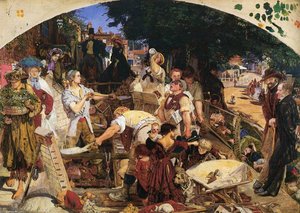
Las pinturas de Brown se caracterizan por sus colores vivos y su realismo, a menudo representando temas históricos y morales. Su obra más destacada es posiblemente Work (1852-1865), una pintura que muestra su estilo distintivamente gráfico y hogarthiano. Los murales de Manchester, una serie de doce obras pintadas para el Ayuntamiento de Manchester, son otro ejemplo notable del arte de Brown. Estos murales representan la historia mancuniana y se consideran algunos de los mejores ejemplos del arte prerrafaelita.- Destacan también sus contribuciones al diseño de vidrieras y muebles para la compañía de artes decorativas de William Morris.
Influencia y Legado
Brown fue un asesor y amigo de los miembros de la Hermandad Prerrafaelita, un grupo que influyó con su estilo artístico. Su trabajo ha sido ampliamente reconocido, y se le considera uno de los pioneros del arte prerrafaelita.- La obra de Thomas Benjamin Kennington, The Pinch of Poverty, muestra la influencia del estilo de Brown en otros artistas.
- El propio trabajo de Brown, como The Last of England, demuestra su capacidad para capturar la esencia de los temas históricos y morales.
Vida Personal y Años Posteriores
Brown se casó dos veces: primero con Elizabeth Bromley en 1841, quien falleció en 1846, y luego con Emily Hill en 1853, quien también murió en 1890. Tuvo cinco hijos, incluyendo a Lucy Madox Brown y Catherine Madox Brown. Su hijo Oliver Madox Brown (1855–1874) mostró grandes dotes como pintor y poeta, pero murió prematuramente. Su nieto fue el famoso novelista Ford Madox Ford.Desarrollo Artístico y Evolución
Brown experimentó una notable evolución en su estilo a lo largo de su carrera. Inicialmente influenciado por las tragedias personales y los problemas sociales de la época, sus primeras obras se caracterizaban por tonos sombríos y colores apagados. Un punto crucial fue su viaje a Roma en 1845-1846, donde conoció a los nazarenos y estudió la pintura italiana, lo que le permitió ampliar su paleta y adoptar un enfoque más realista y vibrante. Su amistad con Dante Gabriel Rossetti y su posterior asociación con William Morris también fueron fundamentales para su desarrollo artístico, llevándolo a explorar nuevas técnicas y temas en el diseño de vidrieras y muebles.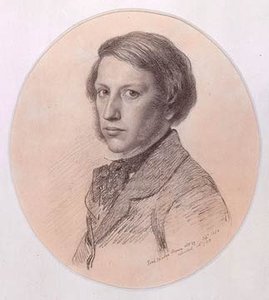
Ford Madox Brown
1821 - 1893 , Francia
Datos clave
- Artistas Que Influyeron:
- Hans Holbein
- Thomas Carlyle
- Fecha De Muerte: 6 de octubre de 1893
- Fecha De Nacimiento: 16 de abril de 1821
- Influencia En Artistas: ['Pre-Rafaelitas']
- Lugar De Nacimiento: Calais, Francia
- Movimiento Artístico: Prerrafaelismo
- Nacionalidad: Británico
- Nombre Completo: Ford Madox Brown
- Obras Notables:
- Work (1852-1865)
- Los murales de Manchester
- El último de Inglaterra
Artículos relacionados
Ford Madox Brown: Pre-Raphaelite Visionary & Victorian Social Commentary
Explore the life & art of Ford Madox Brown, a pivotal Pre-Raphaelite painter renowned for his powerful social commentary and masterpiece 'Work'. Discover his lasting influence on British art history.
Dante Gabriel Rossetti: Las 25 Obras Maestras del Prerrafaelismo | ArtsDot
Descubre las 25 obras maestras de Dante Gabriel Rossetti, el máximo exponente del Prerrafaelismo. Explora su simbolismo, retratos victorianos y la belleza femenina en lienzos inolvidables. Reproducciones de arte exclusivas en ArtsDot.com.

La Hermandad Prerrafaelita: Rebelión Estética y Romance Medieval en el Arte Victoriano
Descubre la fascinante historia de la Hermandad Prerrafaelita y su rebelión estética contra el arte victoriano. Análisis profundo de sus obras, temas y legado con expertos en arte.
Sir John Everett Millais: Pre-Raphaelite Rebellion & Victorian Narrative Detail
Explore the revolutionary art of Sir John Everett Millais & the Pre-Raphaelite Brotherhood. Discover their radical realism, symbolic narratives, and lasting impact on Victorian aesthetics. A deep dive into 19th-century masterpieces.
John William Waterhouse: Pre-Raphaelite Mythmaker & Poetic Depictions of Female Identity
Explore the captivating world of John William Waterhouse, a master of Pre-Raphaelite painting. Discover his iconic depictions of mythology and female identity in this expert guide.