

 Ver en contexto
 Enviar
 Compartir
 Detalles

 Descargar
 Similares
 Radiografía
 Presentación de diapositivas
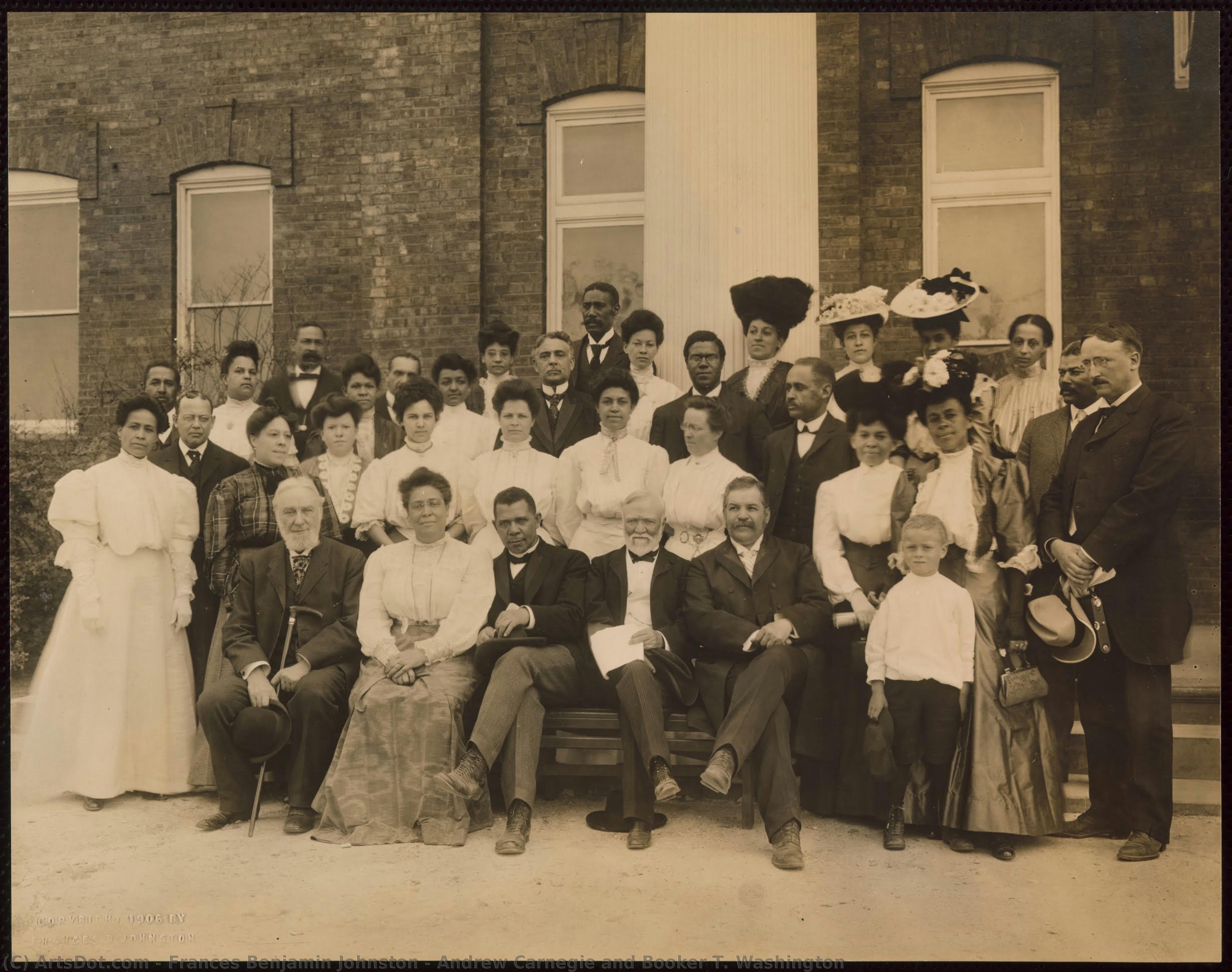
Andrew Carnegie and Booker T. Washington
 Acrylic On Canvas
- WallArt
- Early 20th Century Photography
 1906
1906 23.0 x 18.0 cm
 Galería Nacional de Retratos
 Ver más
Reproducción al óleo hecha a mano
Óleo sobre lienzo pintado a mano en el tamaño y marco de su elección, realizado por encargo por nuestros artistas. ( Comprar impresión Comprar imagen)




P118B $10

P118H $10

P118W $10

P438Z $10

P508JH $12

P508YH $12

P805H $10

P805Z $10

P919BZ $10

P919G $10

P919XJ $10

P959ZH $10

P968JZ $12

W106C $8

W218G $10

W218JH $8

W218Y $10

W307PJ $10

W316G $10

W316PJ $8

W316Y $10

W398PJ $8

W4111J $10

W500HY $15

W500JH $15

W692G $12

W849H $8

W940BG $15

W953PJ $8




Elija entre nuestros tamaños predefinidos que respetan las proporciones originales de la obra.

Puede ingresar sus propias dimensiones para adaptarse a un marco o espacio específico. Si el tamaño seleccionado no coincide con las proporciones de la imagen original, recortaremos la obra o extenderemos la pintura con elementos adicionales pintados a mano. Se le enviará una maqueta digital para su aprobación antes de comenzar la producción.
Tenga en cuenta que la vista previa en pantalla no refleja el recorte o la extensión reales. Solo la maqueta mostrará con precisión la composición final.
Si bien existen tamaños personalizados, recomendamos seleccionar una dimensión de la lista predefinida para preservar las proporciones originales.
Tras realizar el pedido, el equipo de ArtsDot.com enviará un correo electrónico al cliente para solicitar instrucciones y proporcionarle una vista previa del boceto.
Envío a todo el mundo () en 3-4 semanas en lugar de las 5 semanas estándar. (25 agosto). Sin comprometer la calidad.

Envío exprés gratuito a todo el mundo

Lienzo de lino de alta calidad

Seguro de envío total

Garantía de reembolso de impuestos aduaneros

Garantía de fidelidad cromática exacta

Política de devolución de 60 días (solo por defectos)

Garantía de devolución del 100% del dinero

Descuento por cantidad
 La opción de vidrio solo está disponible en tamaños inferiores a 110 cm.

Andrew Carnegie and Booker T. Washington
Técnica de reproducción
Dimensiones de la reproducción
-


Precio total final
$ 263
Descripción de la obra
The Weight of Progress: A Study in Contrasts
Frances Benjamin Johnston’s 1906 photograph, “Andrew Carnegie and Booker T. Washington,” isn't merely a portrait; it’s a carefully constructed tableau of ambition, race relations, and the burgeoning spirit of industrial America. The image captures two titans – a self-made Scottish immigrant who reshaped American steel and a formerly enslaved educator who championed Black advancement – seated side-by-side before the imposing façade of Tuskegee Institute in Alabama. The composition immediately draws the eye to their shared posture, both men leaning slightly forward, suggesting a deliberate engagement with the viewer and a quiet assertion of presence. Yet, subtle visual cues reveal a complex interplay between them: Carnegie’s formal attire – a dark suit and tie – contrasts sharply with Washington's more modest, yet dignified, garb; his hands rest on the table while Washington’s are clasped together in a gesture of thoughtful contemplation. The photograph isn’t simply documenting these two men; it’s actively shaping our understanding of their relationship and the era they inhabited.
- Context: The year 1906 marked a pivotal moment in American history, a period grappling with the legacy of Reconstruction, Jim Crow laws, and the rise of industrial capitalism. Carnegie’s immense wealth and Washington's leadership at Tuskegee represented two distinct approaches to addressing these challenges – one rooted in individual enterprise and philanthropy, the other in community-based education and social uplift.
- Technique: Johnston’s mastery lies in her ability to capture not just likenesses but also atmosphere. The black and white medium lends a timeless quality to the image, emphasizing the textures of fabric, the shadows that define their faces, and the architectural details of the building behind them. The use of light is particularly effective, highlighting Carnegie's face while leaving Washington partially in shadow, subtly suggesting his position as a figure of less immediate prominence within the American narrative at the time.
Symbolism of Place: Tuskegee and the Promise of Opportunity
The backdrop – the brick building of Tuskegee Institute – is crucial to understanding the photograph’s significance. Founded in 1881 by Booker T. Washington, the institute served as a beacon of hope for African Americans seeking education and economic independence. It was a deliberate counterpoint to the prevailing narrative of racial inferiority, offering a space where Black students could develop skills and knowledge necessary to navigate a hostile society. The building itself, constructed largely by its own students under Carnegie’s generous support, symbolizes self-reliance and community empowerment – a testament to Washington's vision of uplifting his people through practical education. The photograph, therefore, isn’t just about two men; it’s about the institution that represented a tangible pathway to advancement for an entire community.
Note: The building’s construction itself is a remarkable feat – largely built by students under Washington's direction, showcasing the ingenuity and determination of the Black community during this period.The Complexities of Partnership
While the photograph presents Carnegie and Washington as seated together in an apparent partnership, it’s important to acknowledge the complexities underlying their relationship. Carnegie, a staunch believer in philanthropy, saw Tuskegee as a valuable investment – a means of improving society through education. However, his motives were often intertwined with a desire to maintain social order and avoid direct confrontation with white supremacists. Washington, while appreciative of Carnegie’s support, was wary of the limitations imposed by such patronage. The photograph captures this delicate balance: a moment of shared presence, yet hinting at unspoken reservations and differing philosophies. The subtle tension between them is palpable, inviting viewers to consider the nuances of their collaboration.
Emotional Resonance: A Legacy of Ambition
“Andrew Carnegie and Booker T. Washington” transcends its historical context to resonate with contemporary audiences. It’s a powerful meditation on ambition, race, and the enduring quest for opportunity. The photograph compels us to reflect on the legacies of these two figures – Carnegie as a symbol of industrial innovation and Washington as a champion of Black education and self-determination. It serves as a poignant reminder that progress is rarely linear or simple, and that even in moments of apparent unity, underlying tensions and competing visions can shape the course of history. The image’s enduring appeal lies in its ability to evoke both admiration and critical reflection – prompting us to grapple with the complexities of America's past and its ongoing struggle for equality.
Obras relacionadas
Biografía del artista
Primeros Años y Educación
- Nacida: 15 de enero de 1864, Grafton, Virginia Occidental
- Fallecida: 16 de mayo de 1952
- Frances Benjamin Johnston fue la única hija sobreviviente de padres adinerados. Su madre, Frances Antoinette Benjamin, era periodista y crítica teatral ("Ione") para *The Baltimore Sun*.
- Su padre, Anderson Doniphan Johnston, trabajó en el Departamento del Tesoro.
- Recibió una educación privada y se graduó del Instituto Colegiado de Notre Dame de Maryland en 1883.
- Estudió arte en la Academia Julian en París y en la Liga de Estudiantes de Arte de Washington.
Comienzos de Carrera y Primeros Trabajos
- Recibió su primera cámara de George Eastman, fundador de Eastman Kodak.
- Se formó en técnicas fotográficas y de cuarto oscuro por Thomas Smillie en el Instituto Smithsonian.
- Abrió su propio estudio fotográfico en Washington, D.C., en 1894 – una de las pocas mujeres fotógrafas de la ciudad en ese momento.
- Inicialmente se centró en retratos de amigos, familiares y figuras locales.
- Obtuvo reconocimiento por fotografiar a personas destacadas como Susan B. Anthony, Mark Twain y Booker T. Washington.
- Fue la fotógrafa oficial de la Casa Blanca para varias administraciones presidenciales (Harrison, Cleveland, McKinley, Theodore Roosevelt, Taft).
Fotografía Documental y Comentario Social
- Conocida por sus series de fotografía documental centradas en varios aspectos de la vida estadounidense a principios del siglo XX.
- Fotografió mineros del carbón, trabajadores del hierro, mujeres en fábricas textiles, marineros con tatuajes – proporcionando una visión de la clase trabajadora americana.
- Comisionada por Hollis Burke Frissell para fotografiar el Instituto Normal y Agrícola Hampton (1900), documentando su éxito y las vidas de los estudiantes afroamericanos. Esta serie se considera entre sus trabajos más importantes.
- Capturó imágenes de Ferias Mundiales, firmas de tratados de paz y otros eventos históricos.
- Sus fotografías a menudo reflejaban problemas sociales y proporcionaban un registro visual de tiempos cambiantes.
Estilo Artístico e Influencias
- El estilo de Johnston evolucionó desde el Pictorialismo temprano (que enfatizaba el efecto artístico) hasta un enfoque documental más directo.
- Influenciada por la obra de fotógrafos como Peter Henry Emerson, que abogaba por la fotografía naturalista.
- Sus retratos a menudo se caracterizaban por su franqueza y atención al detalle.
- Era conocida por su innovador uso de la iluminación y la composición.
- Su autorretrato como una "Nueva Mujer" con una jarra de cerveza es una imagen icónica que representa la independencia femenina y el cambio social.
Legado y Significado Histórico
- Frances Benjamin Johnston hizo contribuciones significativas al desarrollo de la fotografía estadounidense, particularmente la fotografía documental.
- Fue una de las primeras mujeres fotógrafas en lograr éxito comercial y reconocimiento.
- Su extensa obra proporciona un valioso registro histórico de finales del siglo XIX y principios del XX en América.
- Las fotografías de Johnston se encuentran en numerosas colecciones de museos, incluyendo la Biblioteca del Congreso y el Instituto Smithsonian.
- Ayudó a allanar el camino para las futuras generaciones de mujeres fotógrafas.
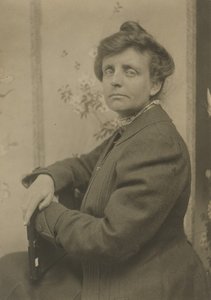
Frances Benjamin Johnston
1866 - 1952 , Estados Unidos de América
Datos clave
- Artistas Que Influyeron: ['Thomas Smillie']
- Fecha De Fallecimiento: 16 de mayo de 1952
- Fecha De Nacimiento: 15 de enero de 1864
- Lugar De Nacimiento: Grafton, EE. UU.
- Movimiento Artístico: Fotografía documental
- Nacionalidad: Estadounidense
- Nombre Completo: Frances Benjamin Johnston
- Obras Notables:
- Agricultura. Vida vegetal
- Día de Acción de Gracias
- Lección de aritmética
- Escuela de oficios
- Clase de posgrado 1900
- Torno de madera
- Impresión y vapor
Artículos relacionados

Monochrome Visions: Exploring the Aesthetic & Historical Significance of Black & White Photography
Explore the rich history & artistic power of black and white photography. From early techniques to iconic masters like Ansel Adams, discover why monochrome continues to captivate art lovers today. Expert insights for collectors.

Blanco Sublime: Los 10 Cuadros Más Famosos Dominados por la Luz y el Color
Descubre los 10 cuadros blancos más emblemáticos de la historia del arte. Explora Monet, Van Gogh y Klimt, y su magistral uso de la luz y el color. Encuentra reproducciones de alta calidad e inspírate para tu decoración en .
Beyond the Lens: Photography's Enduring Influence on Modern & Contemporary Art
Explore photography's pivotal role in shaping modern & contemporary art. Discover key movements, influential artists like Stieglitz, and expert collecting advice from ArtsDot.
Gordon Parks: A Poetic Lens on American Life – Photography, Social Justice & Storytelling
Explore the profound work of Gordon Parks, a groundbreaking photographer who documented American life with unparalleled empathy and artistry. Discover his iconic images & lasting impact on social justice through Life magazine & beyond.
Witnessing History Through Lens & Light: Documentary Photography's Enduring Legacy
Explore the powerful history of documentary photography – from its origins to contemporary masters like Gordon Parks & W. Eugene Smith. Discover how this art form shapes our understanding of society and witness pivotal moments in time.

