

 Vista previa
 Compartir
 Compartir
 Ver detalles

 Descargar
 Ver similares
 Radiografía
 Presentación de diapositivas
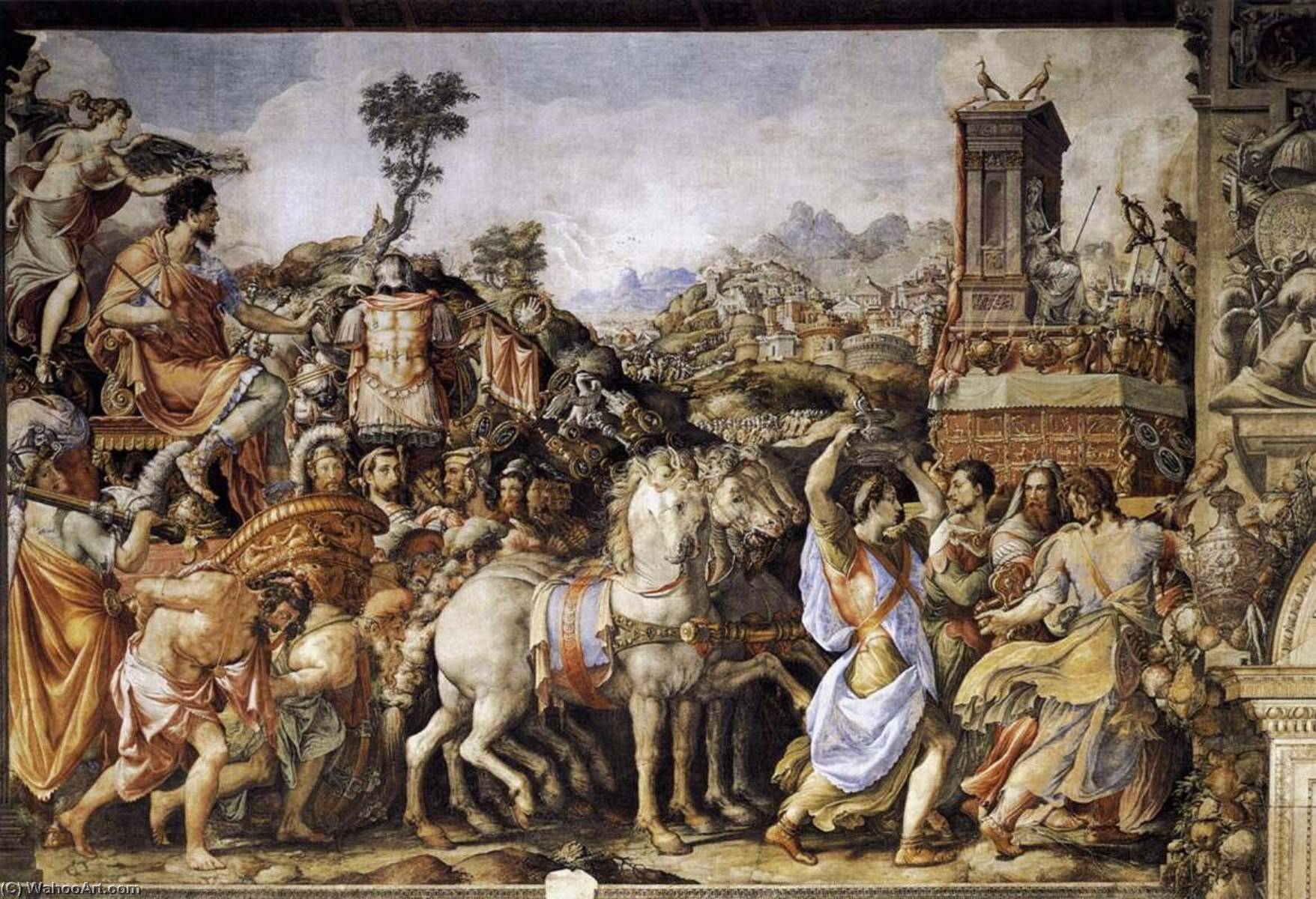
Triumph of Furius Camillus


 Leer más
Adquiera una imagen digital de alta resolución y optimizada, muy superior a la vista previa en línea.
Cada archivo es preparado meticulosamente por nuestros especialistas internos mediante el uso de herramientas avanzadas y un experto retoque manual. Nos aseguramos de que cada imagen posea una claridad excepcional, una precisión cromática impecable y un detalle minucioso.
El archivo final se entrega por correo electrónico en un plazo de 72 horas, optimizado para su uso inmediato en entornos profesionales, editoriales y de impresión. Esta es la misma calidad en la que confían los estudios de diseño, las editoriales y las galerías de primer nivel.
Imagen Digital
Descarga un archivo de alta resolución para exhibición personal, impresión y proyectos creativos. ( Pedir impresión Encargar reproducción pintada a mano)
Incluido en cada compra de imágenes digitales
Entrega digital experta, garantizada.
Al elegir ArtsDot.com, no solo está adquiriendo una imagen; está recibiendo una obra de arte digital mejorada profesionalmente, elaborada con precisión y respaldada por una garantía de satisfacción. Esto es todo lo que incluye su pedido, automáticamente:

Entrega rápida por email
Recibirá su archivo de imagen digital en alta resolución por correo electrónico en un plazo de 72 horas tras realizar su pedido, listo para su uso inmediato.

Archivo digital optimizado por IA
Su obra de arte se optimiza profesionalmente mediante herramientas avanzadas de IA y edición manual, garantizando el máximo detalle, claridad y precisión cromática.

Reenvío gratuito de por vida
¿Has borrado o perdido tu archivo por error? No te preocupes: te lo volveremos a enviar en cualquier momento, sin coste adicional.

Sin gastos de importación, siempre
Disfrute de su obra de arte al instante sin aduanas, aranceles ni gastos de envío; las descargas digitales siempre están libres de impuestos.

Garantía de precisión de color
Garantizamos que su imagen digital refleje los colores originales con la mayor fidelidad posible, mediante el uso de herramientas profesionales y gestión del color.

Garantía de satisfacción de 60 días
Si no está satisfecho con su imagen digital, la revisaremos o le reembolsaremos el 100% en un plazo de 60 días, sin preguntas.

100% Garantía de devolución de dinero
¿No está satisfecho? Obtenga un reembolso completo dentro de los 60 días posteriores a la recepción de su archivo digital, sin necesidad de explicaciones.

Descuentos por volumen
Compra 3 imágenes, ahorra 10% - Compra 5, ahorra 15% - Compra 10+, ahorra 20%. Ideal para proyectos creativos, galerías y agencias.
Descripción del coleccionable
The Painting's Composition and Symbolism
The Triumph of Furius Camillus depicts a Roman triumph, with a man riding a horse and holding a laurel wreath above his head. The scene is filled with intricate details and symbolism, showcasing the artist's mastery of composition and storytelling. The painting features at least thirteen people, including the main subject, and two horses, adding to the sense of grandeur and importance of the event. Key elements of the painting include the use of color and light to create a sense of depth and atmosphere. The artist's use of chiaroscuro adds a sense of drama and tension to the scene, drawing the viewer's eye to the central figure of Furius Camillus.Francesco De' Rossi's Style and Influences
Francesco De' Rossi's style is characterized by his use of Mannerism, a technique that emphasizes emotional intensity and distorted forms. His work was influenced by other notable artists of the time, including Pontormo and Andrea del Sarto. To learn more about Francesco De' Rossi's life and work, visit the ArtsDot.com website.- View more paintings by Francesco De' Rossi, including the English Allegory of Peace Burning Arms and Scenes from the Life of Furius Camillus, on the ArtsDot.com website.
- Learn more about the Uffizi Gallery, one of the most renowned art museums in the world, on the ArtsDot.com website.
The Triumph of Furius Camillus is a masterpiece of Italian Renaissance art, showcasing the skill and technique of Francesco De' Rossi. To experience the beauty and emotion of this painting, visit the Palazzo Vecchio in Florence, Italy, or view a handmade oil painting reproduction on the ArtsDot.com website.
Obras relacionadas








Biografía del artista
The Architect of Mannerist Drama
Francesco de' Rossi, known to history by the more evocative name Francesco Salviati, was a master weaver of dreams and shadows who stood at the precipultice of the High Renaissance and the burgeoning Baroque. Born in the vibrant cradle of Florence around 1510, his life was an odyssey through the most prestigious artistic circles of 16th-century Italy. To understand Salviati is to understand the very essence of Mannerism—a movement that sought to transcend the balanced harmony of the previous era in favor of tension, artifice, and psychological depth. He did not merely paint scenes; he engineered visual experiences, meticulously crafting compositions that breathed with a sense of theatricality and restless energy.
His artistic journey began within the prestigious workshops of Florence, where his lineage as the son of a sculptor and architect provided him with an innate understanding of form and structure. His early training was a rigorous immersion into the masters of disegno. Under the watchful eye of Andrea del Sarto, Salviati mastered the classical principles of anatomical precision and graceful representation. However, his spirit was too restless for mere imitation. The monumental presence of Michelangelo and the rhythmic elegance of Raphael acted as catalysts, pushing him to explore more exaggerated, elongated, and complex arrangements. This period of apprenticeship was not merely about learning technique, but about absorbing the foundational language of the Renaissance so that he might eventually learn how to deconstruct it.
A Journey Through Rome and the Mastery of Style
The year 1531 marked a transformative epoch in Salviati's career when his relocation to Rome turned a promising Florentine apprentice into a dynamic force within the papal artistic scene. In the shadow of the Vatican, he encountered the burgeoning Mannerist style in its most potent form. His work began to reflect the characteristic hallmarks of this new aesthetic: distorted perspectives, unusual anatomical proportions, and an unsettling sense of movement. This was a period where his ability to synthesize classical grandeur with modern complexity truly flourished. His frescoes, such as those found in the Oratory of San Giovanni Battista Decollato, showcased a mastery of swirling drapery and exaggerated gestures that left viewers breathless.
As his reputation grew, so did the scale of his ambitions. Salviati became an architect of visual narrative, capable of handling massive fresco cycles that demanded both technical stamina and intellectual depth. His ability to navigate the complex political and religious landscapes of the time allowed him to secure prestigious commissions from the most powerful patrons in Italy, including the Medici family and various high-ranking Cardinals. Whether he was depicting the History of Paul III or creating allegorical triumphs like the English Allegory of Peace Burning Arms, his work always maintained a signature tension—a deliberate rejection of serene beauty in favor of a more profound, often unsettling, emotional truth.
Legacy and the Bridge to the Baroque
The significance of Francesco de' Rossi extends far beyond the borders of his era. While he is celebrated as a titan of Mannerism, his true historical importance lies in his role as a stylistic bridge. By pushing the boundaries of composition and color, he laid the groundwork for the dramatic intensity and emotional exuberance that would define the Baroque period. His use of bold lines and vibrant, often acidic palettes challenged the viewer to look beyond the surface of the canvas, inviting an engagement with the psychological complexities of the human condition.
Even today, his works remain captivating studies in movement and light. To gaze upon The Three Fates or his intricate depictions of biblical triumphs is to witness a mind that refused to be bound by the constraints of naturalism. His legacy is preserved in the great museums of the world, from the Uffizi Gallery to the Pitti Palace, serving as a testament to an artist who dared to transform the stability of the Renaissance into the magnificent, swirling drama of a new age.
francesco de' rossi
1510 - 1562
Datos clave
- Artistic Movement Or Style: Mannerist Painting
- Artists Or Movements Influenced By This Artist: ['Caravaggio']
- Artists Who Influenced This Artist: ['Andrea Palladio']
- Date Of Death: 1562
- Full Name: Francesco Salviati
- Nationality: Italian
- Notable Artworks:
- The Martyrdom of Saint Cecilia
- The Visitation
- The Triumph of Saint Peter
- Place Of Birth: Florence, Italy

