 Ver en contexto
 Enviar
 Compartir
 Detalles

 Descargar
 Similares
 Radiografía
 Presentación de diapositivas
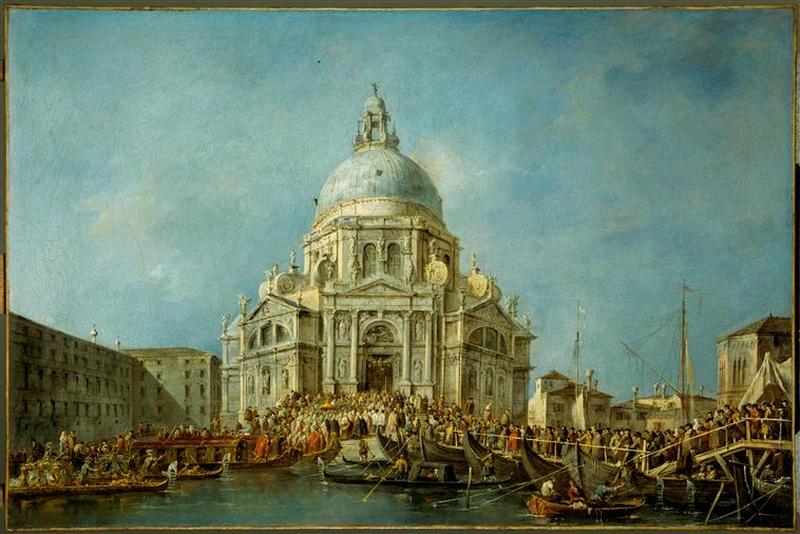
LE DOGE DE VENISE SE REND A LA SALUTE, LE 21 NOVEMBRE JOUR DE LA COMMEMORATION DE LA FIN DE LA PESTE DE 1630


 Ver más
Giclée / Impresión de arte
Impresiones giclée o en lienzo de calidad de museo con producción rápida y opciones de acabado flexibles. ( Comprar pintura hecha a mano Comprar imagen)




P118B $10

P118H $10

P118W $10

P438Z $10

P508JH $12

P508YH $12

P805H $10

P805Z $10

P919BZ $10

P919G $10

P919XJ $10

P959ZH $10

P968JZ $12

W106C $8

W218G $10

W218JH $8

W218Y $10

W307PJ $10

W316G $10

W316PJ $8

W316Y $10

W398PJ $8

W4111J $10

W500HY $15

W500JH $15

W692G $12

W849H $8

W940BG $15

W953PJ $8




Elija entre nuestros tamaños predefinidos que respetan las proporciones originales de la obra.

Puede introducir sus propias dimensiones para adaptarse a un marco o espacio específico. Si el tamaño seleccionado no coincide con las proporciones de la imagen original, recortaremos la obra de arte o extenderemos la imagen con un borde con efecto espejo o de color sólido. Se enviará una maqueta digital para su aprobación antes de que comience la producción.
Tenga en cuenta que la vista previa en pantalla no refleja el recorte o la extensión real. Solo la maqueta mostrará con precisión la composición final.
Aunque existen tamaños personalizados, recomendamos seleccionar una dimensión de la lista predefinida para preservar las proporciones originales.
Envío a todo el mundo () en 2 semanas en lugar de las 4/5 semanas estándar. (27 agosto)

Envío exprés gratuito a todo el mundo

Lienzo de lino de alta calidad

Seguro de envío total

Garantía de reembolso de impuestos aduaneros

Garantía de fidelidad cromática exacta

Política de devolución de 60 días (solo por defectos)

Garantía de devolución del 100% del dinero

Descuento por cantidad
 La opción de vidrio solo está disponible en tamaños inferiores a 110 cm.

LE DOGE DE VENISE SE REND A LA SALUTE, LE 21 NOVEMBRE JOUR DE LA COMMEMORATION DE LA FIN DE LA PESTE DE 1630
Giclée / Impresión de arte
Dimensiones de la reproducción
-


Precio total final
$ 62
A Venetian Twilight Captured: Francesco Guardi’s “The Doge at the Basilica of La Salute”
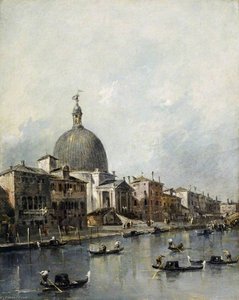
Francesco Lazzaro Guardi's "The Doge at the Basilica of La Salute" isn’t merely a depiction of a cityscape; it’s a poignant distillation of Venice itself – a city poised on the precipice of decline, yet stubbornly clinging to its fading grandeur. Painted around 1775-80, this oil on canvas offers a breathtakingly atmospheric glimpse into the twilight years of the Venetian Republic, a period marked by economic hardship and political instability, but also imbued with an undeniable beauty and melancholic grace. Guardi, born in 1712 and dying in 1793, wasn’t simply a painter; he was a chronicler of his era, meticulously capturing the subtle shifts in light, color, and mood that defined Venice's slow surrender to modernity.
The scene unfolds before us – a bustling canal view dominated by the imposing Basilica di Santa Maria della Salute. The Doge’s Palace, recognizable by its distinctive dome, stands proudly in the background, a testament to Venice’s former power and prestige. Yet, the overall impression isn't one of triumphant celebration; rather, it’s imbued with a quiet solemnity, a sense of reflection on the passage of time. The composition is deliberately loose and suggestive, prioritizing atmosphere over precise detail – a hallmark of Guardi’s distinctive style, heavily influenced by the Venetian colorist tradition but pushing beyond mere imitation to create something uniquely his own.
The Language of Light and Color
Guardi's mastery lies in his manipulation of light and color. He employs a technique known as “sfumato,” derived from Leonardo da Vinci’s methods, creating soft, hazy outlines that blur the edges of forms and dissolve details into an ethereal atmosphere. The colors are muted and subtly layered – ochres, browns, blues, and greys dominate, reflecting the dampness and shadows characteristic of a Venetian afternoon. Notice how the light catches on the water's surface, shimmering with reflected hues, while the buildings recede into a hazy distance, their forms softened by atmospheric perspective.
The artist’s brushstrokes are loose and expressive, conveying movement and dynamism without resorting to sharp lines or precise rendering. This deliberate lack of detail isn’t a sign of carelessness; rather, it's a conscious choice that emphasizes the *feeling* of the scene – the sense of bustling activity, the coolness of the air, the weight of history.
Symbolism and Historical Context
The painting’s title, “The Doge at the Basilica of La Salute,” provides crucial context. The Doge was Venice's elected ruler, a position symbolic of the city’s republican heritage. His presence within the Basilica, a magnificent baroque church built to commemorate the end of the plague in 1630, underscores the enduring faith and resilience of the Venetian people even as their political power waned. The event itself – the commemoration of the plague's end – is subtly referenced through the painting’s composition, suggesting a reflection on mortality and the fragility of human existence.
Furthermore, the scene captures Venice at a critical juncture in its history. The 18th century witnessed a gradual decline in Venetian trade and influence, as rival European powers asserted their dominance. Guardi's work serves as a visual elegy to this lost era, a poignant reminder of Venice’s former glory and its inevitable transformation.
A Legacy of Atmospheric Impressionism
While Guardi predates the formal emergence of Impressionism, his innovative use of light, color, and atmospheric perspective profoundly influenced later artists. His emphasis on capturing fleeting moments and subjective impressions paved the way for movements like Monet’s and Renoir’s explorations of light and atmosphere. “The Doge at the Basilica of La Salute” stands as a testament to Guardi's artistic vision – a timeless masterpiece that continues to resonate with viewers today, offering a captivating glimpse into the soul of Venice and the enduring power of art to evoke emotion and memory.
Obras relacionadas
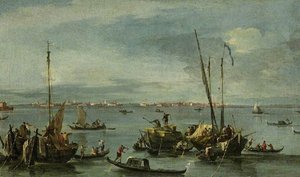
Biografía del artista
Una vida de arte y declive en Venecia
Francesco Lazzaro Guardi, pintor italiano de veduta, noble y miembro de la escuela veneciana, vivió desde el 5 de octubre de 1712 hasta el 1 de enero de 1793. Su vida marcó el fin de una era en el arte veneciano, caracterizada por su mezcla única de realismo e imaginación.Primeros años y colaboraciones
En sus primeros años, Guardi colaboró con su hermano mayor Gian Antonio en la producción de pinturas religiosas. Esta asociación duró hasta la muerte de Gian Antonio en 1760, momento en el que Francesco se centró en la veduta, un estilo de pintura de paisajes que enfatiza el paisaje urbano.- Los primeros trabajos de Francesco Guardi muestran la influencia de Canaletto, pero gradualmente desarrolló un estilo más suelto caracterizado por pinceladas enérgicas y una arquitectura libremente imaginada.
- Su familia, incluyendo a su padre Domenico (nacido en 1678) y sus hermanos Niccolò y Gian Antonio, también fueron pintores, contribuyendo al taller familiar después de la muerte de su padre en 1716.
- Maria Cecilia, hermana de Guardi, se casó con Giovanni Battista Tiepolo, un prominente pintor veneto-europeo de su época.
Obras notables y estilo
Entre sus obras posteriores más importantes se encuentran los Festivales del Doge, una serie de doce lienzos que celebran las ceremonias realizadas en 1763 para la elección del Doge Alvise IV Mocenigo. Su estilo, conocido como pittura di tocco (de toque), se caracteriza por pequeñas pinceladas y pinceladas enérgicas.- Las pinturas de Francesco Guardi evocan el inicio del declive en Venecia, con un enfoque en cielos nublados sobre una ciudad al anochecer.
- Su obra difiere del estilo más lineal y arquitectónicamente preciso de la pintura de Canaletto, a menudo representando Venecia bajo la luz diurna soleada.
- El estilo de Guardi influyó posteriormente a los impresionistas franceses, quienes valoraron sus obras por su mezcla única de realismo e imaginación.
Legado y vida posterior
Francesco Lazzaro Guardi murió en el campo de la madona en Cannaregio (Venecia) en 1793. Su legado como uno de los últimos practicantes de la escuela veneciana clásica perdura, con sus obras que siguen siendo un testimonio de la mezcla única de realismo e imaginación que definió esta era del arte.- Vea más obras de Francesco Lazzaro Guardi en https://ArtsDot.com/@/francesco-lazzaro-guardi
- Explore la escuela veneciana y su influencia en el arte en /es/art/list/
- Descubra más sobre la vida y las obras de Francesco Lazzaro Guardi en https://es.wikipedia.org/wiki/Francesco_Guardia
- 5 de octubre de 1712: Nacimiento de Francesco Lazzaro Guardi
- 1 de enero de 1793: Muerte de Francesco Lazzaro Guardi
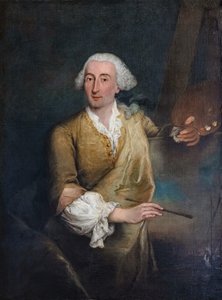
Francesco Lazzaro Guardi
1712 - 1793 , Italia
Datos clave
- Artistas Que Influyeron:
- Canaletto
- Gian Antonio Guardi
- Fecha De Fallecimiento: 1 de enero de 1793
- Fecha De Nacimiento: 5 de octubre de 1712
- Influencia En Artistas: ['Impresionismo Francés']
- Lugar De Nacimiento: Venecia, Italia
- Movimiento Artístico: Veduta, Escuela Veneciana
- Nacionalidad: Italiana
- Nombre Completo: Francesco Lazzaro Guardi
- Obras Notables:
- Festas del Doge
- Vistas de Venecia
Artículos relacionados
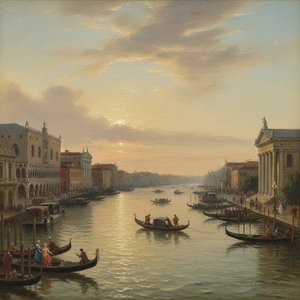
Francesco Guardi: Venetian Light, Atmospheric Perspective & the Rococo to Neoclassical Transition
Explore the captivating world of Francesco Guardi, master of Venetian light and atmosphere. Discover his transition from Rococo to Neoclassicism, influence on Impressionism & investment potential with ArtsDot.

Barroco Sublime: 10 Obras Maestras que Definieron una Época |
Descubre las 10 obras maestras del Barroco que marcaron una época. Caravaggio, Bernini y Velázquez cobran vida en . Reproducciones de arte de calidad museo para decorar tu hogar con elegancia. ¡Explora la colección online!

Del Boceto Inicial a la Obra Duradera: Una Exploración Exhaustiva del Proceso de Reproducción de Pintura al Óleo
Descubre el arte de la reproducción al óleo artesanal con ArtsDot. Reproducciones fieles hechas a mano por expertos, personalización y asesoramiento profesional para galerías y hogares. ¡Invierte en belleza duradera!

El Legado Duradero de la Pintura al Óleo Hecha a Mano: Valor Estético, Longevidad y Resonancia Emocional
Descubra el legado de la pintura al óleo hecha a mano. Reproducciones fieles por artistas expertos, asesoramiento profesional y una inversión artística duradera con ArtsDot.com.
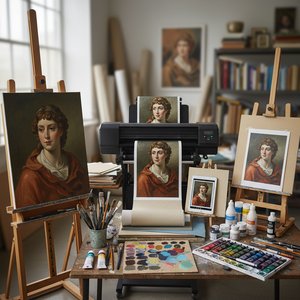
Reproducción Artística: Explorando Medios para la Preservación y Diseminación del Patrimonio Visual
Descubre reproducciones de arte excepcionales hechas por artistas expertos. Lienzos personalizados y réplicas fieles con garantía de calidad museo. ¡Preserva el patrimonio visual!