

 Ver en contexto
 Enviar
 Compartir
 Detalles

 Descargar
 Similares
 Radiografía
 Presentación de diapositivas
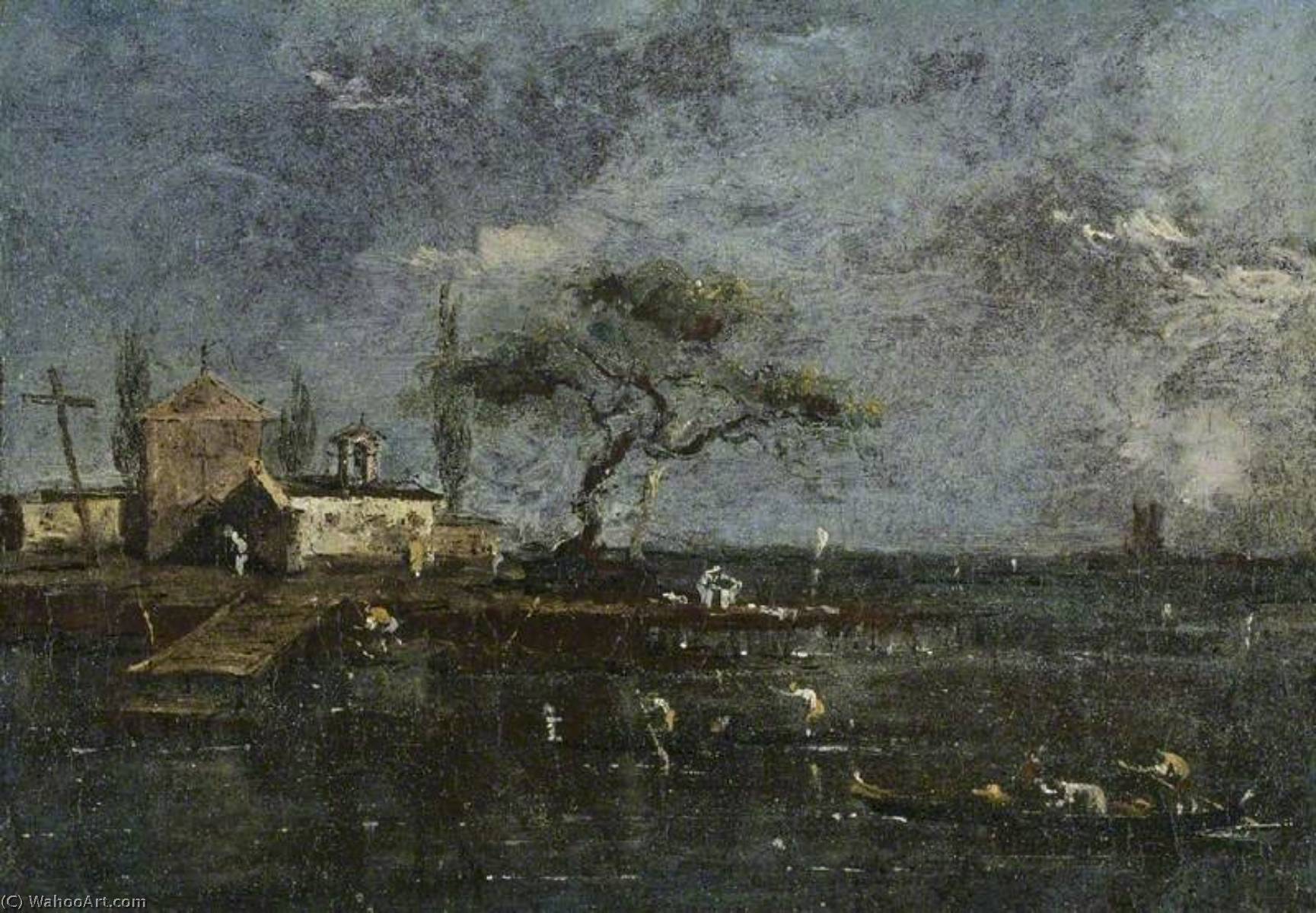
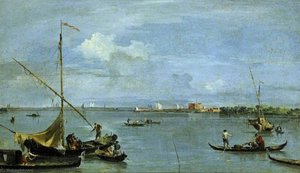
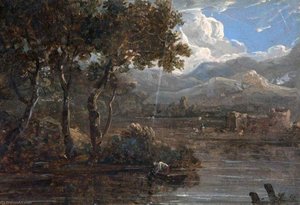
The Island of Anconetta, Venice
 Acrylic On Canvas
- WallArt
- Rococo
 16.0 x 23.0 cm
 Fitzwilliam College
 Ver más
Adquiera una imagen digital de alta resolución y optimizada, muy superior a la vista previa en línea.
Cada archivo es preparado meticulosamente por nuestros especialistas internos mediante el uso de herramientas avanzadas y un experto retoque manual. Nos aseguramos de que cada imagen posea una claridad excepcional, una precisión cromática impecable y un detalle minucioso.
El archivo final se entrega por correo electrónico en un plazo de 72 horas, optimizado para su uso inmediato en entornos profesionales, editoriales y de impresión. Esta es la misma calidad en la que confían los estudios de diseño, las editoriales y las galerías de primer nivel.
Imagen Digital
Descarga un archivo de alta resolución para exhibición personal, impresión y proyectos creativos. ( Comprar impresión Comprar pintura hecha a mano)
Incluido en cada pedido de imágenes digitales
Entrega digital experta, garantizada.
Al elegir ArtsDot.com, no solo está adquiriendo una imagen; está recibiendo una obra de arte digital mejorada profesionalmente, elaborada con precisión y respaldada por una garantía de satisfacción. Esto es todo lo que incluye su pedido, automáticamente:

Entrega rápida por email
Recibirá su archivo de imagen digital en alta resolución por correo electrónico en un plazo de 72 horas tras realizar su pedido, listo para su uso inmediato.

Archivo digital optimizado por IA
Su obra de arte se optimiza profesionalmente mediante herramientas avanzadas de IA y edición manual, garantizando el máximo detalle, claridad y precisión cromática.

Reenvío gratuito de por vida
¿Has borrado o perdido tu archivo por error? No te preocupes: te lo volveremos a enviar en cualquier momento, sin coste adicional.

Sin gastos de importación, siempre
Disfrute de su obra de arte al instante sin aduanas, aranceles ni gastos de envío; las descargas digitales siempre están libres de impuestos.

Garantía de fidelidad de color
Garantizamos que su imagen digital refleje los colores originales con la mayor fidelidad posible, mediante el uso de herramientas profesionales y gestión del color.

Garantía de satisfacción de 60 días
Si no está satisfecho con su imagen digital, la revisaremos o le reembolsaremos el 100% en un plazo de 60 días, sin preguntas.

100% Garantía de devolución de dinero
¿No está satisfecho? Obtenga un reembolso completo dentro de los 60 días posteriores a la recepción de su archivo digital, sin necesidad de explicaciones.

Descuentos por pedidos grandes
Compra 3 imágenes, ahorra 10% - Compra 5, ahorra 15% - Compra 10+, ahorra 20%. Ideal para proyectos creativos, galerías y agencias.
Descripción del coleccionable
The Ethereal Venice of Francesco Guardi
Francesco Lazzaro Guardi’s “The Island of Anconetta, Venice” isn't merely a depiction of a Venetian scene; it’s a distillation of atmosphere, memory, and the fading grandeur of a once-dominant republic. Painted in the final decades of his life – roughly between 1765 and 1780 – this canvas captures a fleeting moment on the island of Anconetta, a small outpost connected to Venice by a narrow causeway. It’s a work steeped in the melancholic beauty characteristic of Guardi's oeuvre, a style that would later profoundly influence the burgeoning Impressionist movement. The painting isn’t concerned with precise topographical accuracy or dramatic narrative; instead, it prioritizes the subtle interplay of light, color, and texture to evoke a profound sense of place – a Venice both familiar and subtly transformed by time.
Guardi's technique is remarkably distinctive. He eschewed the meticulous detail favored by Canaletto, opting for a looser, more painterly approach. His brushstrokes are visible, almost shimmering, creating an effect of diffused light and atmospheric haze. This “pittura di tocco,” as it’s often described, lends the scene a dreamlike quality, blurring the edges of objects and figures, and dissolving forms into the surrounding environment. The colors are muted – predominantly blues, greens, and ochres – contributing to the overall sense of quiet contemplation. Notice how he uses delicate washes of color to suggest the reflections on the water’s surface, creating an illusion of depth and movement that is both captivating and subtly unsettling.
A Window into a Fading World
To understand “The Island of Anconetta,” it's crucial to consider the historical context in which Guardi worked. Venice was experiencing a period of decline during his lifetime, grappling with economic hardship and political instability. The once-mighty Republic was losing its influence on the European stage, and its artistic traditions were undergoing a quiet transformation. Guardi’s paintings reflect this shift – they are imbued with a sense of nostalgia for a bygone era, a poignant awareness of Venice's fading glory. His work isn’t celebratory; it’s more akin to a wistful remembrance, capturing the beauty that remains even as the city itself is slowly changing.
The island of Anconetta itself held a specific significance within Venice. It was once a popular destination for wealthy Venetians seeking respite from the bustle of the city, and it served as a vital link to the mainland. Guardi’s depiction subtly hints at this history, with the small village nestled along the waterfront and the presence of boats engaged in various activities – fishing, transporting goods, or simply enjoying the tranquility of the setting. The church visible on the island's edge speaks to the enduring importance of faith within Venetian society.
Symbolism and Emotional Resonance
Beyond its historical context, “The Island of Anconetta” is rich in symbolic meaning. The hazy atmosphere evokes a sense of mystery and uncertainty, mirroring the anxieties of a city facing an uncertain future. The figures scattered throughout the scene – fishermen, merchants, and villagers – represent the diverse population that comprised Venetian society. Their presence adds to the painting’s feeling of everyday life, grounding the ethereal landscape in a tangible reality.
Perhaps most powerfully, the painting conveys a sense of melancholy and longing. The muted colors, diffused light, and blurred forms all contribute to this emotional effect. It's as if Guardi is capturing not just a scene, but also a feeling – the bittersweet beauty of a world in transition. The overall impression is one of quiet contemplation, inviting the viewer to lose themselves in the timeless atmosphere of Venice and reflect on the passage of time.
A Timeless Masterpiece
“The Island of Anconetta, Venice” by Francesco Guardi remains a profoundly moving work of art. Its atmospheric beauty, distinctive technique, and poignant historical context have secured its place as one of the most important paintings in the Venetian School. Reproductions capture only a fraction of the original’s evocative power, but they offer a valuable opportunity to experience the magic of this extraordinary painting for oneself. It's a piece that speaks to our enduring fascination with Venice and its unique blend of beauty, history, and melancholy – a timeless testament to the genius of Francesco Guardi.
Obras relacionadas


Biografía del artista
Una vida de arte y declive en Venecia
Francesco Lazzaro Guardi, pintor italiano de veduta, noble y miembro de la escuela veneciana, vivió desde el 5 de octubre de 1712 hasta el 1 de enero de 1793. Su vida marcó el fin de una era en el arte veneciano, caracterizada por su mezcla única de realismo e imaginación.Primeros años y colaboraciones
En sus primeros años, Guardi colaboró con su hermano mayor Gian Antonio en la producción de pinturas religiosas. Esta asociación duró hasta la muerte de Gian Antonio en 1760, momento en el que Francesco se centró en la veduta, un estilo de pintura de paisajes que enfatiza el paisaje urbano.- Los primeros trabajos de Francesco Guardi muestran la influencia de Canaletto, pero gradualmente desarrolló un estilo más suelto caracterizado por pinceladas enérgicas y una arquitectura libremente imaginada.
- Su familia, incluyendo a su padre Domenico (nacido en 1678) y sus hermanos Niccolò y Gian Antonio, también fueron pintores, contribuyendo al taller familiar después de la muerte de su padre en 1716.
- Maria Cecilia, hermana de Guardi, se casó con Giovanni Battista Tiepolo, un prominente pintor veneto-europeo de su época.
Obras notables y estilo
Entre sus obras posteriores más importantes se encuentran los Festivales del Doge, una serie de doce lienzos que celebran las ceremonias realizadas en 1763 para la elección del Doge Alvise IV Mocenigo. Su estilo, conocido como pittura di tocco (de toque), se caracteriza por pequeñas pinceladas y pinceladas enérgicas.- Las pinturas de Francesco Guardi evocan el inicio del declive en Venecia, con un enfoque en cielos nublados sobre una ciudad al anochecer.
- Su obra difiere del estilo más lineal y arquitectónicamente preciso de la pintura de Canaletto, a menudo representando Venecia bajo la luz diurna soleada.
- El estilo de Guardi influyó posteriormente a los impresionistas franceses, quienes valoraron sus obras por su mezcla única de realismo e imaginación.
Legado y vida posterior
Francesco Lazzaro Guardi murió en el campo de la madona en Cannaregio (Venecia) en 1793. Su legado como uno de los últimos practicantes de la escuela veneciana clásica perdura, con sus obras que siguen siendo un testimonio de la mezcla única de realismo e imaginación que definió esta era del arte.- Vea más obras de Francesco Lazzaro Guardi en https://ArtsDot.com/@/francesco-lazzaro-guardi
- Explore la escuela veneciana y su influencia en el arte en /es/art/list/
- Descubra más sobre la vida y las obras de Francesco Lazzaro Guardi en https://es.wikipedia.org/wiki/Francesco_Guardia
- 5 de octubre de 1712: Nacimiento de Francesco Lazzaro Guardi
- 1 de enero de 1793: Muerte de Francesco Lazzaro Guardi

Francesco Lazzaro Guardi
1712 - 1793 , Italia
Breves datos
- Artistas Que Influyeron:
- Canaletto
- Gian Antonio Guardi
- Fecha De Fallecimiento: 1 de enero de 1793
- Fecha De Nacimiento: 5 de octubre de 1712
- Influencia En Artistas: ['Impresionismo Francés']
- Lugar De Nacimiento: Venecia, Italia
- Movimiento Artístico: Veduta, Escuela Veneciana
- Nacionalidad: Italiana
- Nombre Completo: Francesco Lazzaro Guardi
- Obras Notables:
- Festas del Doge
- Vistas de Venecia

