 Ver en contexto
 Enviar
 Compartir
 Detalles

 Descargar
 Similares
 Radiografía
 Presentación de diapositivas
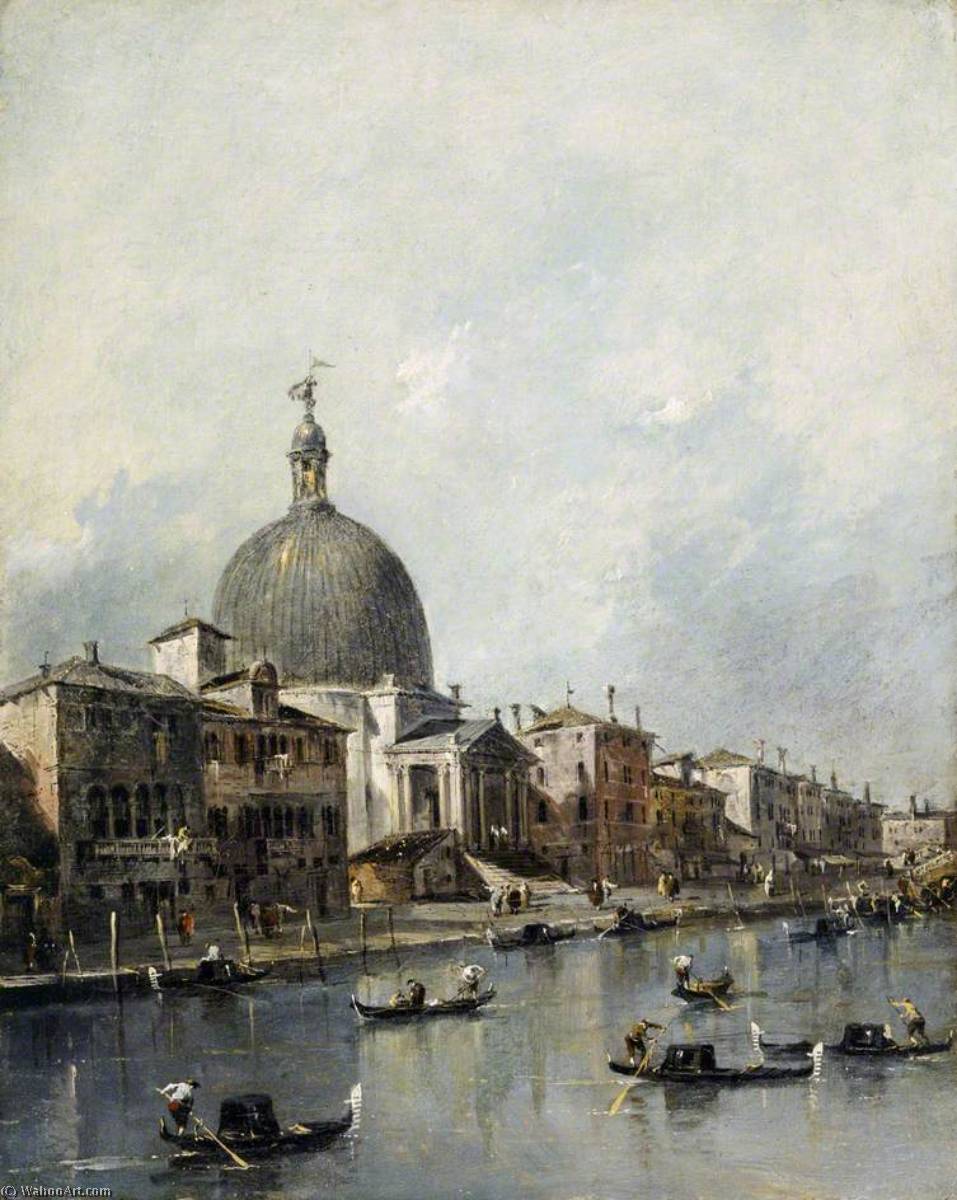
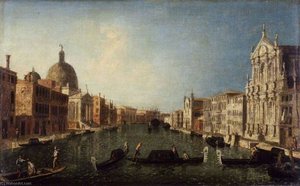
Venice, the Church of San Simeone Piccolo on the Grand Canal
 Acrylic On Canvas
- WallArt
- Venetian Twilight
 1755
1755 43.0 x 36.0 cm
 English Heritage
 Ver más
Reproducción al óleo hecha a mano
Óleo sobre lienzo pintado a mano en el tamaño y marco de su elección, realizado por encargo por nuestros artistas. ( Comprar impresión Comprar imagen)




P118B $10

P118H $10

P118W $10

P438Z $10

P508JH $12

P508YH $12

P805H $10

P805Z $10

P919BZ $10

P919G $10

P919XJ $10

P959ZH $10

P968JZ $12

W106C $8

W218G $10

W218JH $8

W218Y $10

W307PJ $10

W316G $10

W316PJ $8

W316Y $10

W398PJ $8

W4111J $10

W500HY $15

W500JH $15

W692G $12

W849H $8

W940BG $15

W953PJ $8




Elija entre nuestros tamaños predefinidos que respetan las proporciones originales de la obra.

Puede ingresar sus propias dimensiones para adaptarse a un marco o espacio específico. Si el tamaño seleccionado no coincide con las proporciones de la imagen original, recortaremos la obra o extenderemos la pintura con elementos adicionales pintados a mano. Se le enviará una maqueta digital para su aprobación antes de comenzar la producción.
Tenga en cuenta que la vista previa en pantalla no refleja el recorte o la extensión reales. Solo la maqueta mostrará con precisión la composición final.
Si bien existen tamaños personalizados, recomendamos seleccionar una dimensión de la lista predefinida para preservar las proporciones originales.
Tras realizar el pedido, el equipo de ArtsDot.com enviará un correo electrónico al cliente para solicitar instrucciones y proporcionarle una vista previa del boceto.
Envío a todo el mundo () en 3-4 semanas en lugar de las 5 semanas estándar. (5 septiembre). Sin comprometer la calidad.

Envío exprés gratuito a todo el mundo

Lienzo de lino de alta calidad

Seguro de envío total

Garantía de reembolso de impuestos aduaneros

Garantía de fidelidad cromática exacta

Política de devolución de 60 días (solo por defectos)

Garantía de devolución del 100% del dinero

Descuento por cantidad
 La opción de vidrio solo está disponible en tamaños inferiores a 110 cm.

Venice, the Church of San Simeone Piccolo on the Grand Canal
Técnica de reproducción
Dimensiones de la reproducción
-


Precio total final
$ 263
A Venetian Twilight: Francesco Guardi’s “Venice, the Church of San Simeone Piccolo on the Grand Canal”
Francesco Lazzaro Guardi's "Venice, the Church of San Simeone Piccolo on the Grand Canal," painted in 1755, isn’t merely a depiction of a Venetian scene; it’s a poignant distillation of a city at a turning point. Born into a family steeped in the artistic traditions of Venice, Guardi inherited a legacy he ultimately transformed, forging a unique style that captured the melancholic beauty and fading grandeur of his beloved hometown. This work, housed within the collection of ArtsDot.com, offers a glimpse into a twilight era – a Venice poised between its illustrious past and an uncertain future, reflected in the muted tones and atmospheric perspective that define Guardi’s signature.
The painting immediately draws the eye with its masterful use of light and shadow. The scene unfolds along the Grand Canal, dominated by the imposing silhouette of San Simeone Piccolo church, a structure that anchors the composition while simultaneously contributing to the overall sense of quiet contemplation. Guardi’s technique is deliberately loose, eschewing the sharp detail favored by earlier Venetian masters like Canaletto in favor of a more expressive, almost impressionistic approach. Notice how he employs *sfumato*, a subtle blurring of edges and contours, creating an ethereal quality that softens the forms and imbues the scene with a dreamlike atmosphere. The reflections shimmering on the water’s surface are not rendered with precise accuracy but rather as hazy suggestions of light and color, further enhancing the painting's atmospheric depth.
The Painterly Hand: Technique and Style
Guardi’s style is often described as “pittura di tocco,” a technique characterized by small, delicate brushstrokes that build up layers of color. This method, reminiscent of the work of Sebastiano Ricci and Giovanni Piazzetta, results in a textured surface where individual marks are visible yet coalesce into harmonious whole. Unlike Canaletto’s meticulously rendered cityscapes, Guardi prioritizes mood and atmosphere over photographic realism. He captures not just what he *sees*, but how he *feels* about the scene – a sense of wistful nostalgia for a Venice slowly losing its former glory.
The color palette is deliberately restrained, dominated by muted blues, grays, and ochres. These earthy tones evoke the dampness and coolness of the Venetian climate, while also contributing to the painting’s overall feeling of melancholy. The subtle shifts in hue create a sense of depth and movement, drawing the viewer into the heart of the scene. The figures present – two individuals standing near the canal's edge – are rendered with minimal detail, serving primarily as anchors for the composition rather than as subjects of intense scrutiny.
A City in Transition: Historical Context
To fully appreciate “Venice, the Church of San Simeone Piccolo,” it’s crucial to understand the historical context in which Guardi was working. The 18th century marked a period of decline for Venice – a once-dominant maritime republic grappling with economic hardship and political instability. The city's wealth had waned, its power diminished, and its population steadily declining. Guardi’s paintings reflect this sense of loss and impermanence, capturing the beauty of a fading world.
The church itself, San Simeone Piccolo, is a significant element within this narrative. Built in the 18th century, it stands as a testament to Venice's enduring architectural heritage while simultaneously embodying the city’s vulnerability to time and change. The painting subtly suggests that even grand structures are subject to decay and eventual disappearance – a poignant reflection of Venice’s broader predicament.
Symbolism and Emotional Resonance
Beyond its technical merits, “Venice, the Church of San Simeone Piccolo” is rich in symbolism. The canal itself represents the flow of time, carrying the city inexorably towards an uncertain future. The muted colors evoke a sense of sadness and resignation, while the figures standing on the bank suggest a quiet contemplation of Venice’s fate. The church, with its imposing presence, serves as a reminder of the city's enduring spirit – a beacon of faith amidst the encroaching darkness.
Ultimately, Guardi’s masterpiece is not simply a landscape painting; it’s a meditation on beauty, loss, and the passage of time. It invites us to pause and reflect on the ephemeral nature of existence, capturing the essence of Venice at a pivotal moment in its history. Reproductions of this evocative work offer a tangible connection to this poignant vision of a city in twilight, allowing viewers to experience the atmospheric depth and emotional resonance of Guardi’s genius.
Obras relacionadas
Biografía del artista
Una vida de arte y declive en Venecia
Francesco Lazzaro Guardi, pintor italiano de veduta, noble y miembro de la escuela veneciana, vivió desde el 5 de octubre de 1712 hasta el 1 de enero de 1793. Su vida marcó el fin de una era en el arte veneciano, caracterizada por su mezcla única de realismo e imaginación.Primeros años y colaboraciones
En sus primeros años, Guardi colaboró con su hermano mayor Gian Antonio en la producción de pinturas religiosas. Esta asociación duró hasta la muerte de Gian Antonio en 1760, momento en el que Francesco se centró en la veduta, un estilo de pintura de paisajes que enfatiza el paisaje urbano.- Los primeros trabajos de Francesco Guardi muestran la influencia de Canaletto, pero gradualmente desarrolló un estilo más suelto caracterizado por pinceladas enérgicas y una arquitectura libremente imaginada.
- Su familia, incluyendo a su padre Domenico (nacido en 1678) y sus hermanos Niccolò y Gian Antonio, también fueron pintores, contribuyendo al taller familiar después de la muerte de su padre en 1716.
- Maria Cecilia, hermana de Guardi, se casó con Giovanni Battista Tiepolo, un prominente pintor veneto-europeo de su época.
Obras notables y estilo
Entre sus obras posteriores más importantes se encuentran los Festivales del Doge, una serie de doce lienzos que celebran las ceremonias realizadas en 1763 para la elección del Doge Alvise IV Mocenigo. Su estilo, conocido como pittura di tocco (de toque), se caracteriza por pequeñas pinceladas y pinceladas enérgicas.- Las pinturas de Francesco Guardi evocan el inicio del declive en Venecia, con un enfoque en cielos nublados sobre una ciudad al anochecer.
- Su obra difiere del estilo más lineal y arquitectónicamente preciso de la pintura de Canaletto, a menudo representando Venecia bajo la luz diurna soleada.
- El estilo de Guardi influyó posteriormente a los impresionistas franceses, quienes valoraron sus obras por su mezcla única de realismo e imaginación.
Legado y vida posterior
Francesco Lazzaro Guardi murió en el campo de la madona en Cannaregio (Venecia) en 1793. Su legado como uno de los últimos practicantes de la escuela veneciana clásica perdura, con sus obras que siguen siendo un testimonio de la mezcla única de realismo e imaginación que definió esta era del arte.- Vea más obras de Francesco Lazzaro Guardi en https://ArtsDot.com/@/francesco-lazzaro-guardi
- Explore la escuela veneciana y su influencia en el arte en /es/art/list/
- Descubra más sobre la vida y las obras de Francesco Lazzaro Guardi en https://es.wikipedia.org/wiki/Francesco_Guardia
- 5 de octubre de 1712: Nacimiento de Francesco Lazzaro Guardi
- 1 de enero de 1793: Muerte de Francesco Lazzaro Guardi
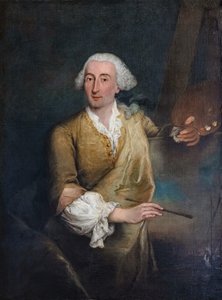
Francesco Lazzaro Guardi
1712 - 1793 , Italia
Datos clave
- Artistas Que Influyeron:
- Canaletto
- Gian Antonio Guardi
- Fecha De Fallecimiento: 1 de enero de 1793
- Fecha De Nacimiento: 5 de octubre de 1712
- Influencia En Artistas: ['Impresionismo Francés']
- Lugar De Nacimiento: Venecia, Italia
- Movimiento Artístico: Veduta, Escuela Veneciana
- Nacionalidad: Italiana
- Nombre Completo: Francesco Lazzaro Guardi
- Obras Notables:
- Festas del Doge
- Vistas de Venecia
Artículos relacionados

John Constable: Las 25 Obras Maestras del Paisaje Inglés | ArtsDot
Descubre las 25 obras maestras de John Constable, el pintor romántico inglés que capturó la belleza del paisaje. Explora su técnica, historia y significado en ArtsDot.com. Reproducciones de arte de alta calidad para tu hogar.

Paisajes Románticos: 10 Obras Maestras que Definieron un Movimiento Artístico
Descubre los 10 paisajes románticos más influyentes de artistas como Caspar David Friedrich y Turner. Explora la belleza, el simbolismo y las técnicas del movimiento romántico. Reproducciones de arte exclusivas en ArtsDot.com.

Evocations of Place: A Historical Journey Through Landscape Art
Explore the rich history of landscape art with ArtsDot. Discover renowned artists, movements like Impressionism & Romanticism, and expert guidance for collecting timeless pieces. Find your perfect serene escape today!
Evocations of Place: A Historical Journey Through Landscape Art
Explore the rich history of landscape art with ArtsDot. Discover renowned artists, movements like Impressionism & tonalism, and expert guidance for collecting timeless pieces. Find your perfect serene escape today!

Evoking Nature's Sublime: A Comprehensive Exploration of 19th-Century Landscape Painting
Explore the captivating world of 19th-century landscape painting! Discover renowned artists like Friedrich & Monet, key movements, and find the perfect artwork to bring nature's serenity into your home. Expert insights at ArtsDot.