 Ver en contexto
 Enviar
 Compartir
 Detalles

 Descargar
 Similares
 Radiografía
 Presentación de diapositivas
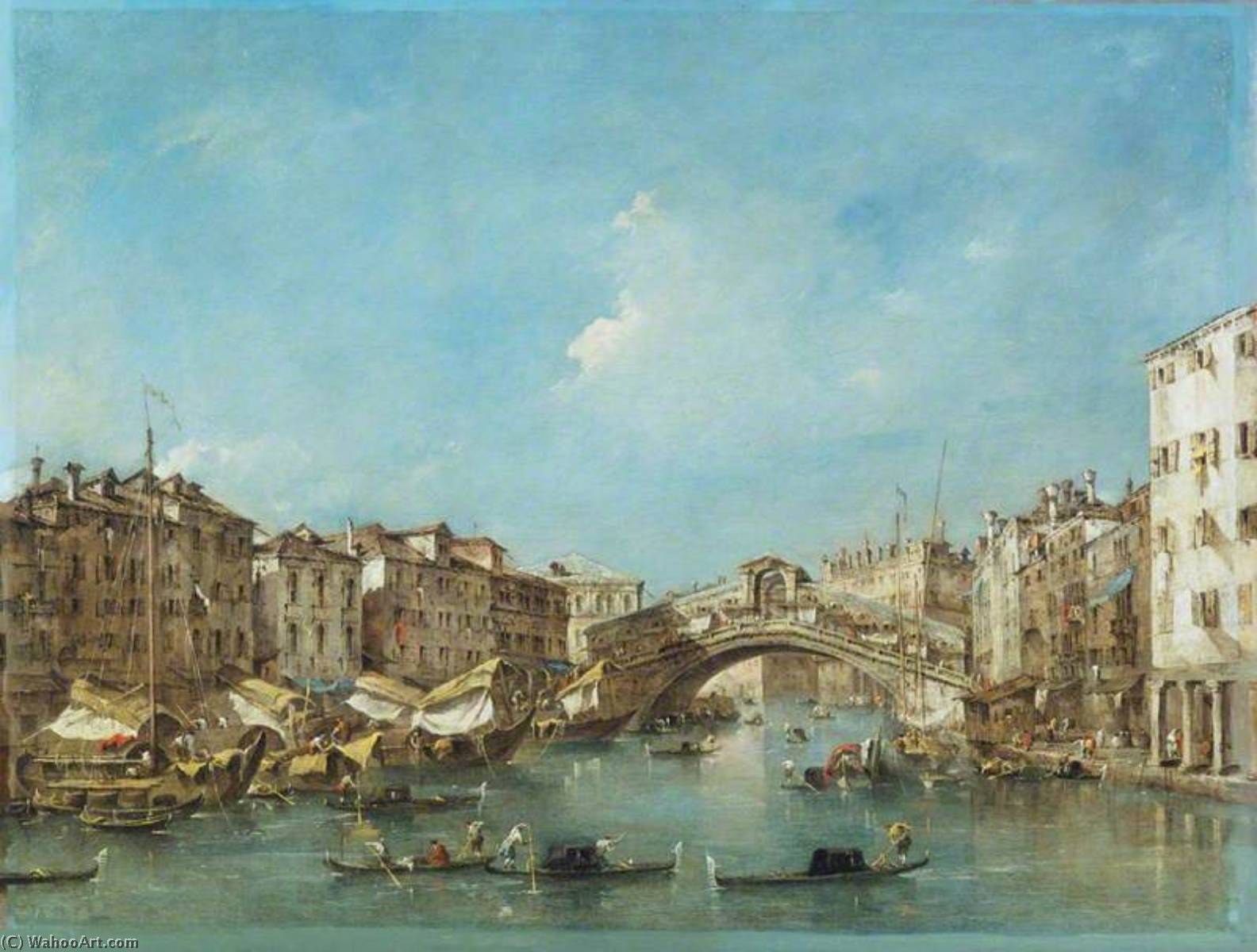
Venice the Grand Canal with the Riva del Vin and the Rialto Bridge
 Oil On Canvas
- WallArt
- Venetian Renaissance
 1770
1770 69.0 x 92.0 cm
 The Wallace Collection
 Ver más
Giclée / Impresión de arte
Impresiones giclée o en lienzo de calidad de museo con producción rápida y opciones de acabado flexibles. ( Comprar pintura hecha a mano Comprar imagen)




P118B $10

P118H $10

P118W $10

P438Z $10

P508JH $12

P508YH $12

P805H $10

P805Z $10

P919BZ $10

P919G $10

P919XJ $10

P959ZH $10

P968JZ $12

W106C $8

W218G $10

W218JH $8

W218Y $10

W307PJ $10

W316G $10

W316PJ $8

W316Y $10

W398PJ $8

W4111J $10

W500HY $15

W500JH $15

W692G $12

W849H $8

W940BG $15

W953PJ $8




Elija entre nuestros tamaños predefinidos que respetan las proporciones originales de la obra.

Puede introducir sus propias dimensiones para adaptarse a un marco o espacio específico. Si el tamaño seleccionado no coincide con las proporciones de la imagen original, recortaremos la obra de arte o extenderemos la imagen con un borde con efecto espejo o de color sólido. Se enviará una maqueta digital para su aprobación antes de que comience la producción.
Tenga en cuenta que la vista previa en pantalla no refleja el recorte o la extensión real. Solo la maqueta mostrará con precisión la composición final.
Aunque existen tamaños personalizados, recomendamos seleccionar una dimensión de la lista predefinida para preservar las proporciones originales.
Envío a todo el mundo () en 2 semanas en lugar de las 4/5 semanas estándar. (4 septiembre)

Envío exprés gratuito a todo el mundo

Lienzo de lino de alta calidad

Seguro de envío total

Garantía de reembolso de impuestos aduaneros

Garantía de fidelidad cromática exacta

Política de devolución de 60 días (solo por defectos)

Garantía de devolución del 100% del dinero

Descuento por cantidad
 La opción de vidrio solo está disponible en tamaños inferiores a 110 cm.

Venice the Grand Canal with the Riva del Vin and the Rialto Bridge
Giclée / Impresión de arte
Dimensiones de la reproducción
-


Precio total final
$ 62
Francesco Guardi’s Venetian Tapestry: Capturing Light and Memory
Francesco Lazzaro Guardi (1712 – 1793) stands as one of the last luminaries of Venice's illustrious artistic heritage, a painter who wrestled with the encroaching shadows of decline yet miraculously preserved the ethereal beauty of his beloved city. Born into a family steeped in artistic tradition—his father Domenico established a workshop producing religious paintings—Guardi’s early career mirrored the formal conventions of his time, honing skills alongside his brother Gian Antonio before tragedy struck and Gian Antonio succumbed to illness in 1760.
It was after this pivotal moment that Guardi truly blossomed as an artist, decisively abandoning the rigid structures of academic painting for a style characterized by unparalleled sensitivity to atmosphere and light—a style that would profoundly influence the burgeoning Impressionist movement. Unlike many of his contemporaries who sought to depict grand narratives or idealized figures, Guardi focused on capturing fleeting moments of Venetian life with remarkable precision and emotional resonance.
Subject Matter: The Rhythm of Canal Life
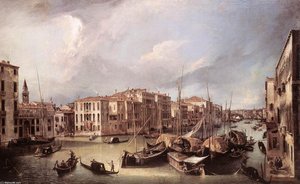
“Venice the Grand Canal with the Riva del Vin and the Rialto Bridge,” painted circa 1770, exemplifies Guardi’s masterful ability to distill complex urban scenes into evocative compositions. The artwork portrays a quintessential Venetian canal vista—the Grand Canal meandering through the city center, lined by elegant buildings and bustling activity. Gondolas glide silently along the water's surface, reflecting the diffused sunlight that illuminates the Riva del Vin (Wine Quay) and the iconic Rialto Bridge.
Style & Technique: Baroque Luminosity Revisited
Guardi’s style is undeniably rooted in Baroque tradition—specifically Venetian Baroque—yet he transcends mere imitation. He eschews dramatic chiaroscuro, favoring instead a subtle interplay of light and shadow that imbues the canvas with an otherworldly glow. Guardi achieves this luminous effect through meticulous brushwork and glazing techniques—layers upon layers of translucent paint applied to build up tonal variations and create depth. The artist’s masterful handling of color contributes significantly to the painting's emotional impact, conveying a sense of tranquility and capturing a specific moment in time.
Historical Context: A City on Its Last Breath
Painted during Venice’s waning influence as a maritime superpower and artistic center, “Venice the Grand Canal” serves as a poignant testament to the city's fading grandeur. Guardi wasn’t merely documenting architectural details; he was conveying a feeling of melancholy—a recognition that Venice was transitioning into an era defined by quiet contemplation rather than exuberant celebration. The painting reflects the broader cultural shift occurring at the time, mirroring the Impressionists’ fascination with capturing ephemeral sensations and fleeting impressions.
Symbolism & Emotional Impact: Echoes of Memory
Beyond its visual splendor, “Venice the Grand Canal” possesses a subtle symbolic depth. The canal itself represents the flow of life—past, present, and future—while the Rialto Bridge symbolizes commerce and connection. Guardi’s depiction captures not just what he saw but also what he felt—a profound appreciation for Venice's beauty and an awareness of its inevitable decline. Like a cherished photograph, the painting evokes memories of a bygone era, inviting viewers to contemplate the passage of time and the enduring power of art.
- Artist: Francesco Lazzaro Guardi
- Year Painted: Circa 1770
- Medium: Oil on Canvas
- Dimensions: 69 x 92 cm
Explore reproductions of “Venice the Grand Canal” at ArtsDot.com for exquisite quality and artistic inspiration.
Obras relacionadas
Biografía del artista
Una vida de arte y declive en Venecia
Francesco Lazzaro Guardi, pintor italiano de veduta, noble y miembro de la escuela veneciana, vivió desde el 5 de octubre de 1712 hasta el 1 de enero de 1793. Su vida marcó el fin de una era en el arte veneciano, caracterizada por su mezcla única de realismo e imaginación.Primeros años y colaboraciones
En sus primeros años, Guardi colaboró con su hermano mayor Gian Antonio en la producción de pinturas religiosas. Esta asociación duró hasta la muerte de Gian Antonio en 1760, momento en el que Francesco se centró en la veduta, un estilo de pintura de paisajes que enfatiza el paisaje urbano.- Los primeros trabajos de Francesco Guardi muestran la influencia de Canaletto, pero gradualmente desarrolló un estilo más suelto caracterizado por pinceladas enérgicas y una arquitectura libremente imaginada.
- Su familia, incluyendo a su padre Domenico (nacido en 1678) y sus hermanos Niccolò y Gian Antonio, también fueron pintores, contribuyendo al taller familiar después de la muerte de su padre en 1716.
- Maria Cecilia, hermana de Guardi, se casó con Giovanni Battista Tiepolo, un prominente pintor veneto-europeo de su época.
Obras notables y estilo
Entre sus obras posteriores más importantes se encuentran los Festivales del Doge, una serie de doce lienzos que celebran las ceremonias realizadas en 1763 para la elección del Doge Alvise IV Mocenigo. Su estilo, conocido como pittura di tocco (de toque), se caracteriza por pequeñas pinceladas y pinceladas enérgicas.- Las pinturas de Francesco Guardi evocan el inicio del declive en Venecia, con un enfoque en cielos nublados sobre una ciudad al anochecer.
- Su obra difiere del estilo más lineal y arquitectónicamente preciso de la pintura de Canaletto, a menudo representando Venecia bajo la luz diurna soleada.
- El estilo de Guardi influyó posteriormente a los impresionistas franceses, quienes valoraron sus obras por su mezcla única de realismo e imaginación.
Legado y vida posterior
Francesco Lazzaro Guardi murió en el campo de la madona en Cannaregio (Venecia) en 1793. Su legado como uno de los últimos practicantes de la escuela veneciana clásica perdura, con sus obras que siguen siendo un testimonio de la mezcla única de realismo e imaginación que definió esta era del arte.- Vea más obras de Francesco Lazzaro Guardi en https://ArtsDot.com/@/francesco-lazzaro-guardi
- Explore la escuela veneciana y su influencia en el arte en /es/art/list/
- Descubra más sobre la vida y las obras de Francesco Lazzaro Guardi en https://es.wikipedia.org/wiki/Francesco_Guardia
- 5 de octubre de 1712: Nacimiento de Francesco Lazzaro Guardi
- 1 de enero de 1793: Muerte de Francesco Lazzaro Guardi
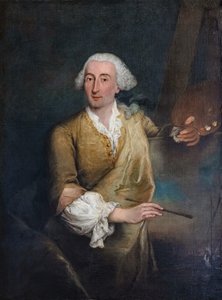
Francesco Lazzaro Guardi
1712 - 1793 , Italia
Datos clave
- Artistas Que Influyeron:
- Canaletto
- Gian Antonio Guardi
- Fecha De Fallecimiento: 1 de enero de 1793
- Fecha De Nacimiento: 5 de octubre de 1712
- Influencia En Artistas: ['Impresionismo Francés']
- Lugar De Nacimiento: Venecia, Italia
- Movimiento Artístico: Veduta, Escuela Veneciana
- Nacionalidad: Italiana
- Nombre Completo: Francesco Lazzaro Guardi
- Obras Notables:
- Festas del Doge
- Vistas de Venecia
Artículos relacionados
Francesco Guardi: Venetian Light, Atmospheric Perspective & the Rococo to Neoclassical Transition
Explore the captivating world of Francesco Guardi, master of Venetian light and atmosphere. Discover his transition from Rococo to Neoclassicism, influence on Impressionism & investment potential with ArtsDot.
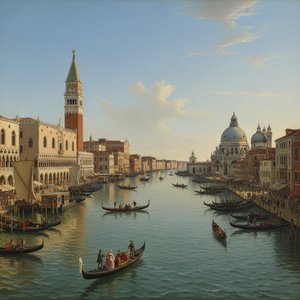
Giovanni Antonio Canal (Canaletto): A Venetian Master of Light, Space & Societal Observation
Explore the life & art of Giovanni Antonio Canal (Canaletto), a Venetian master renowned for his breathtaking cityscapes. Discover his techniques, legacy, and captivating depictions of 18th-century Venice & London.
El Siglo XVIII en el Arte: 10 Obras Maestras para Decorar con Historia y Elegancia
Descubre 10 obras maestras del siglo XVIII: Goya, Fragonard y más. Explora la historia, el arte barroco, rococó y neoclasicismo que inspiran decoración elegante. Reproducciones de alta calidad en ArtsDot.com.
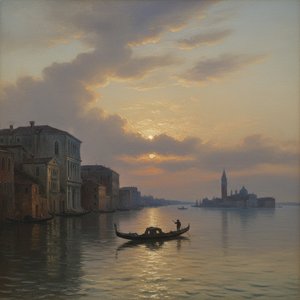
Michelangelo Morlaiter: Venetian Landscapes & the Pursuit of Atmospheric Realism
Explore the captivating landscapes of Michelangelo Morlaiter, a key figure in 18th-century Venetian painting. Discover his mastery of atmospheric perspective and lasting influence on Italian art history. Learn more at ArtsDot.
Virtud Cívica y Rivalidad Artística: Mecenazgo e Innovación en las Repúblicas Italianas del Renacimiento, 1400–1600
Descubre el Renacimiento italiano: mecenazgo, rivalidad artística y la explosión del humanismo. Análisis experto de artistas clave y su legado cultural. ¡Sumérgete en una época fascinante!