

 Ver en contexto
 Enviar
 Compartir
 Detalles

 Descargar
 Similares
 Radiografía
 Presentación de diapositivas
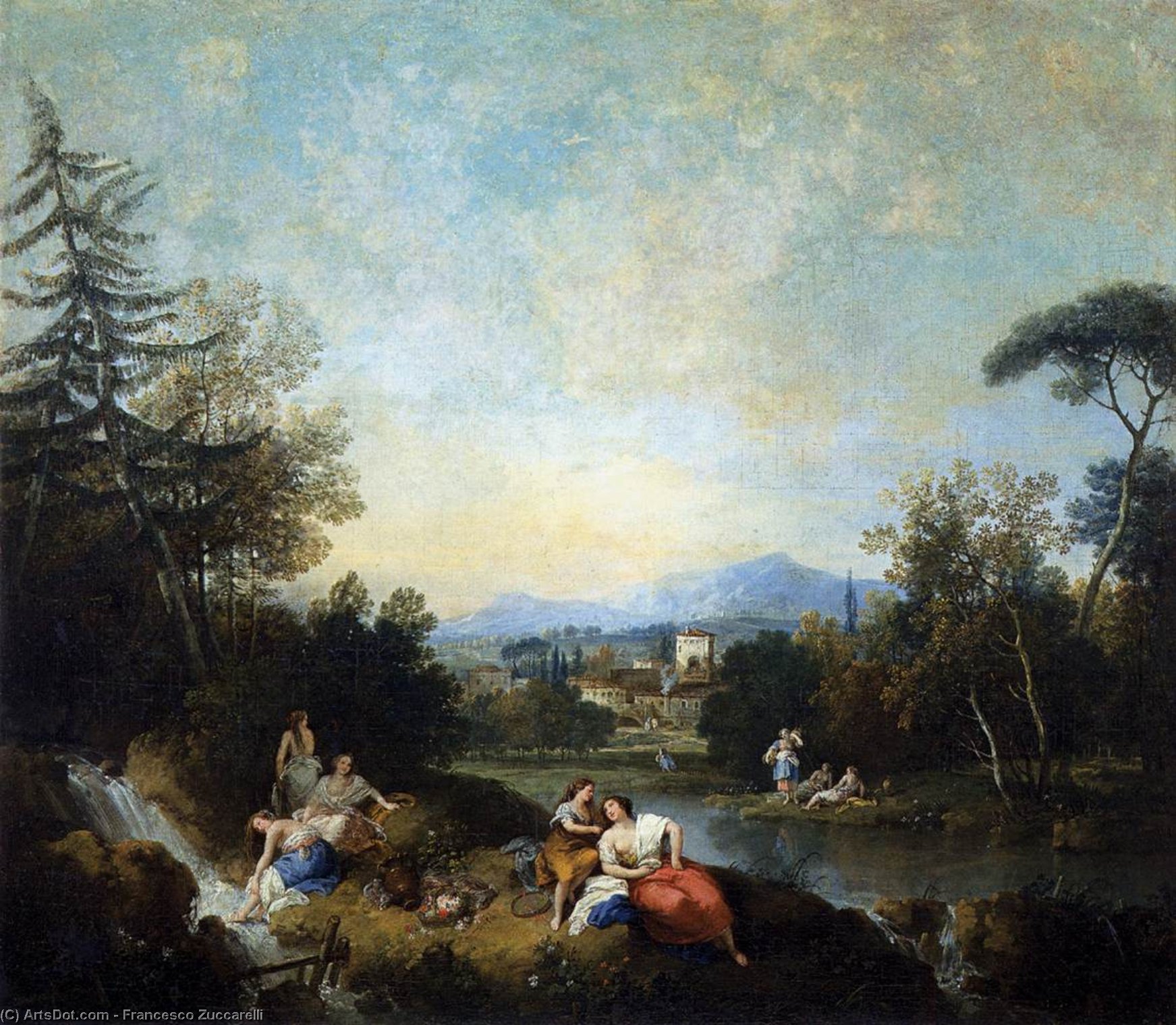
Landscape with Girls at the River
 Oil On Canvas
- WallArt
- Baroque
 1760
1760 118.0 x 137.0 cm
 Galería de la Academia
 Ver más
Adquiera una imagen digital de alta resolución y optimizada, muy superior a la vista previa en línea.
Cada archivo es preparado meticulosamente por nuestros especialistas internos mediante el uso de herramientas avanzadas y un experto retoque manual. Nos aseguramos de que cada imagen posea una claridad excepcional, una precisión cromática impecable y un detalle minucioso.
El archivo final se entrega por correo electrónico en un plazo de 72 horas, optimizado para su uso inmediato en entornos profesionales, editoriales y de impresión. Esta es la misma calidad en la que confían los estudios de diseño, las editoriales y las galerías de primer nivel.
Imagen Digital
Descarga un archivo de alta resolución para exhibición personal, impresión y proyectos creativos. ( Comprar impresión Comprar pintura hecha a mano)
Incluido en cada pedido de imágenes digitales
Entrega digital experta, garantizada.
Al elegir ArtsDot.com, no solo está adquiriendo una imagen; está recibiendo una obra de arte digital mejorada profesionalmente, elaborada con precisión y respaldada por una garantía de satisfacción. Esto es todo lo que incluye su pedido, automáticamente:

Entrega rápida por email
Recibirá su archivo de imagen digital en alta resolución por correo electrónico en un plazo de 72 horas tras realizar su pedido, listo para su uso inmediato.

Archivo digital optimizado por IA
Su obra de arte se optimiza profesionalmente mediante herramientas avanzadas de IA y edición manual, garantizando el máximo detalle, claridad y precisión cromática.

Reenvío gratuito de por vida
¿Has borrado o perdido tu archivo por error? No te preocupes: te lo volveremos a enviar en cualquier momento, sin coste adicional.

Sin gastos de importación, siempre
Disfrute de su obra de arte al instante sin aduanas, aranceles ni gastos de envío; las descargas digitales siempre están libres de impuestos.

Garantía de fidelidad de color
Garantizamos que su imagen digital refleje los colores originales con la mayor fidelidad posible, mediante el uso de herramientas profesionales y gestión del color.

Garantía de satisfacción de 60 días
Si no está satisfecho con su imagen digital, la revisaremos o le reembolsaremos el 100% en un plazo de 60 días, sin preguntas.

100% Garantía de devolución de dinero
¿No está satisfecho? Obtenga un reembolso completo dentro de los 60 días posteriores a la recepción de su archivo digital, sin necesidad de explicaciones.

Descuentos por pedidos grandes
Compra 3 imágenes, ahorra 10% - Compra 5, ahorra 15% - Compra 10+, ahorra 20%. Ideal para proyectos creativos, galerías y agencias.
Descripción del coleccionable
A Serene Vision of Pastoral Idyl – Francesco Zuccarelli’s “Landscape with Girls at the River”
Francesco Zuccarelli's "Landscape with Girls at the River," painted in 1760, is more than just a picturesque scene; it’s a carefully constructed meditation on beauty, leisure, and the harmonious relationship between humanity and nature. Emerging from the vibrant artistic milieu of Venice during the late Baroque and Rococo periods, Zuccarelli established himself as one of the foremost landscape painters of his time, renowned for his ability to evoke an almost dreamlike quality within his compositions. This particular work exemplifies his signature style – a blend of classical restraint and exuberant detail, creating a world both familiar and subtly enchanting.
The painting depicts a group of young women enjoying themselves by a gently flowing riverbank, surrounded by rolling hills and distant mountains bathed in the soft light of an afternoon. The scene is imbued with a sense of tranquility and contentment, inviting the viewer to step into this idyllic world. Zuccarelli masterfully employs atmospheric perspective – the subtle blurring of details and colors in the distance – to create a convincing illusion of depth, drawing our eyes seamlessly from the foreground’s cascading waterfall and rugged rocks towards the hazy horizon. The artist's use of muted greens, blues, and browns establishes a harmonious palette that reinforces the painting’s overall sense of serenity, while strategically placed patches of brighter color—the vibrant hues of wildflowers and the shimmering reflections on the water—add points of visual interest.
The Artist and His Venetian Roots
Francesco Zuccarelli's artistic journey began in Rome, where he apprenticed under Giovanni Maria Morandi and Pietro Nelli. This early training instilled in him a deep appreciation for classical principles and a meticulous attention to detail. However, it was his relocation to Venice in 1732 that truly defined his career. Venice, with its rich artistic heritage and unique landscape, provided Zuccarelli with the perfect environment to develop his distinctive style. He quickly gained recognition for his ability to capture the beauty of the Venetian countryside – a region characterized by gentle hills, meandering rivers, and picturesque villages – in a way that was both realistic and idealized.
Zuccarelli’s artistic development was further influenced by Paolo Anesi, a Roman painter who specialized in landscape studies. Anesi's focus on tonal values and the use of light and shadow to create depth and atmosphere profoundly impacted Zuccarelli’s approach to painting. This influence is particularly evident in “Landscape with Girls at the River,” where the artist skillfully employs subtle gradations of color to convey a sense of volume and distance, while simultaneously capturing the play of light on water and foliage.
Symbolism and the Arcadian Ideal
The "Landscape with Girls at the River" is deeply rooted in the concept of the “Arcadian” – an idealized vision of rural life that became increasingly popular during the 18th century. The Arcadian ideal represented a retreat from the complexities and anxieties of urban society, offering a sanctuary of peace, beauty, and simplicity. Zuccarelli’s painting perfectly embodies this sentiment, presenting a scene of idyllic leisure where young women are engaged in innocent pursuits by the riverbank.
The presence of the waterfall symbolizes renewal and transformation, while the flowing river represents the passage of time and the continuity of life. The distant mountains, shrouded in mist, evoke a sense of mystery and grandeur, reminding us of the vastness and power of nature. Furthermore, the figures themselves are not merely decorative elements; they represent humanity’s connection to the natural world – a harmonious coexistence that is both aesthetically pleasing and spiritually enriching.
Technique and Materials
“Landscape with Girls at the River” was executed in oil paints on canvas, utilizing a technique characterized by meticulous brushwork and a deep understanding of color theory. Zuccarelli’s attention to detail is remarkable – from the individual blades of grass to the ripples on the water's surface—every element contributes to the painting’s overall sense of realism and immediacy. The artist’s use of layering techniques creates a rich, textured surface that invites close examination.
The canvas itself measures 118 x 137 cm, providing ample space for Zuccarelli to fully realize his vision. The painting's dimensions contribute to its impact, allowing the viewer to appreciate the scale and grandeur of the landscape. The use of a warm, diffused light source further enhances the painting’s atmosphere, creating a sense of warmth and intimacy.
A Legacy of Pastoral Beauty
Francesco Zuccarelli’s “Landscape with Girls at the River” stands as a testament to his artistic skill and his profound understanding of the human condition. It is a timeless masterpiece that continues to captivate viewers with its serene beauty, evocative symbolism, and masterful technique. Reproductions of this painting offer an opportunity to bring this idyllic vision into any space, creating a focal point that celebrates the enduring power of nature and the pleasures of simple living.
Obras relacionadas
Biografía del artista
Francesco Zuccarelli: Vida y Obra de un Maestro del Paisaje
- Nombre Completo: Giacomo Francesco Zuccarelli
- Otros Nombres: Francesco Zuccarelli
- Nacimiento: Pitigliano, Italia (1702)
- Fallecimiento: 1788
Primeros Años y Formación (1702-1732)
- Zuccarelli nació en Pitigliano, una pequeña ciudad en la Toscana. Su padre era un próspero comerciante.
- A temprana edad, se trasladó a Roma donde comenzó su formación artística con Giovanni Maria Morandi y Pietro Nelli, aprendiendo los fundamentos del diseño y absorbiendo las influencias del clasicismo romano.
- Realizó sus primeras obras en Pitigliano entre 1725 y 1727, pintando dos conjuntos de frescos para capillas locales.
- Con el apoyo del coleccionista Francesco Maria Niccolò Gabburri, se dedicó principalmente al grabado en Florencia (1728-1731), creando más de 43 grabados que documentaban los deteriorados frescos de Giovanni da San Giovanni y Andrea del Sarto.
- Durante su estancia en Florencia, comenzó a experimentar con dibujos de paisajes, lo que sentó las bases para su futura especialización. Paolo Anesi fue un mentor clave en el desarrollo de su estilo paisajístico.
Consolidación en Venecia y Éxito Internacional (1732-1768)
- En 1732, se trasladó a Venecia, donde encontró una oportunidad tras la muerte de Marco Ricci.
- Inicialmente pintó obras religiosas y mitológicas, pero gradualmente se centró en el paisaje, inspirándose en Claude Lorrain y la escuela romana.
- Introdujo una paleta más suave y luminosa que los colores típicos venecianos, dando vida a sus paisajes idílicos.
- Ganó rápidamente popularidad y patrocinio de figuras como el mariscal Schulenburg, Joseph Smith (su principal mecenas), y Francesco Algarotti, quien lo recomendó al elector de Sajonia, Augusto III de Polonia.
- En 1735 se casó con Giustina Agata Simonetti.
- Colaboró con otros artistas como Antonio Visentini y Bernardo Bellotto, destacando la creación de una serie de tarjetas del Antiguo Testamento en 1748, que combinaban escenas pintadas con elementos decorativos innovadores.
- Un logro significativo de su primer período veneciano fue una serie de siete lienzos (ahora en el Castillo de Windsor) representando a Rebeca, Jacob y Esaú.
Viajes a Inglaterra y Reconocimiento Académico (1768-1788)
- En 1768, se convirtió en miembro fundador de la Royal Academy of Arts en Londres, lo que marcó un hito importante en su carrera.
- Realizó dos viajes a Inglaterra (1752-1762 y 1765-1771), donde sus paisajes delicados y con toques rococó fueron muy apreciados.
- Tras regresar a Italia, fue elegido presidente de la Academia Veneciana en 1772.
- Aunque su reputación disminuyó en el siglo XIX debido al auge del naturalismo, su obra sigue siendo valorada por su carácter decorativo y su capacidad para evocar atmósferas idealizadas.
Legado e Influencia
- A pesar de la crítica inicial, ha habido un renovado interés en Zuccarelli desde la década de 1990, con estudios que resaltan su importancia dentro del arte italiano y europeo.
- Su influencia se puede apreciar en el desarrollo del paisaje inglés del siglo XVIII, donde sus obras sirvieron de inspiración para artistas como Richard Wilson.
- Zuccarelli es recordado como un maestro del paisajismo rococó, conocido por su habilidad para crear escenas bucólicas y armoniosas que capturan la belleza idealizada de la naturaleza.
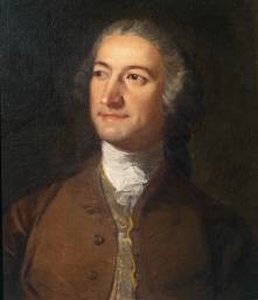
Francesco Zuccarelli
1702 - 1788 , Italia
Breves datos
- Artistas Que Influyeron:
- Paolo Anesi
- Claude Lorrain
- Fecha De Fallecimiento: 30 de diciembre de 1788
- Fecha De Nacimiento: 15 de agosto de 1702
- Lugar De Nacimiento: Pitigliano, Italia
- Movimiento Artístico: Rococó y Barroco
- Nacionalidad: Italiano
- Nombre Completo: Francesco Zuccarelli
- Obras Notables:
- Bacchanal
- Paisaje clásico
- Capriccio con San Giorgio Maggiore

