

 Ver en contexto
 Enviar
 Compartir
 Detalles

 Descargar
 Similares
 Radiografía
 Presentación de diapositivas
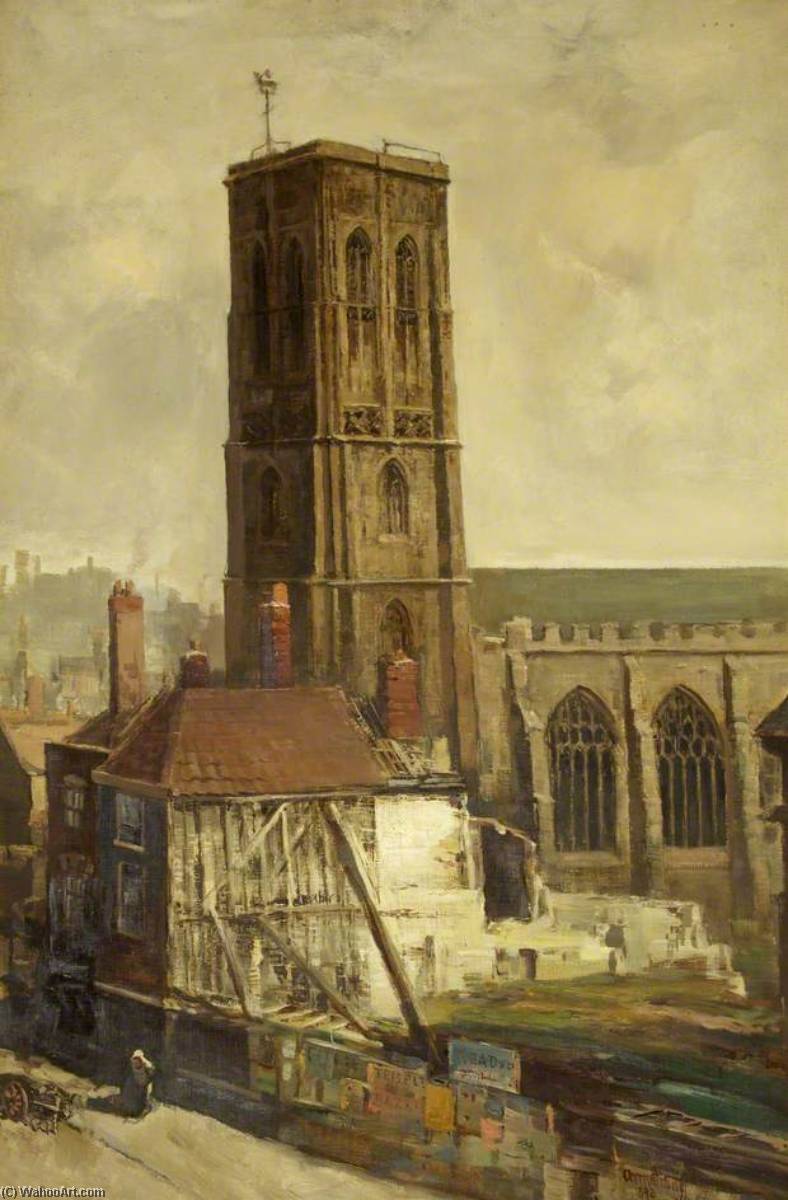
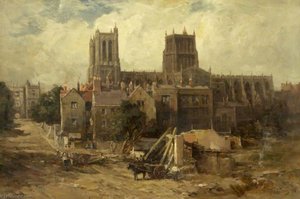
View of Temple Church
 89.0 x 60.0 cm
 Museo de Bristol - Galería de Arte
 Ver más
Adquiera una imagen digital de alta resolución y optimizada, muy superior a la vista previa en línea.
Cada archivo es preparado meticulosamente por nuestros especialistas internos mediante el uso de herramientas avanzadas y un experto retoque manual. Nos aseguramos de que cada imagen posea una claridad excepcional, una precisión cromática impecable y un detalle minucioso.
El archivo final se entrega por correo electrónico en un plazo de 72 horas, optimizado para su uso inmediato en entornos profesionales, editoriales y de impresión. Esta es la misma calidad en la que confían los estudios de diseño, las editoriales y las galerías de primer nivel.
Imagen Digital
Descarga un archivo de alta resolución para exhibición personal, impresión y proyectos creativos. ( Comprar impresión Comprar pintura hecha a mano)
Incluido en cada pedido de imágenes digitales
Entrega digital experta, garantizada.
Al elegir ArtsDot.com, no solo está adquiriendo una imagen; está recibiendo una obra de arte digital mejorada profesionalmente, elaborada con precisión y respaldada por una garantía de satisfacción. Esto es todo lo que incluye su pedido, automáticamente:

Entrega rápida por email
Recibirá su archivo de imagen digital en alta resolución por correo electrónico en un plazo de 72 horas tras realizar su pedido, listo para su uso inmediato.

Archivo digital optimizado por IA
Su obra de arte se optimiza profesionalmente mediante herramientas avanzadas de IA y edición manual, garantizando el máximo detalle, claridad y precisión cromática.

Reenvío gratuito de por vida
¿Has borrado o perdido tu archivo por error? No te preocupes: te lo volveremos a enviar en cualquier momento, sin coste adicional.

Sin gastos de importación, siempre
Disfrute de su obra de arte al instante sin aduanas, aranceles ni gastos de envío; las descargas digitales siempre están libres de impuestos.

Garantía de fidelidad de color
Garantizamos que su imagen digital refleje los colores originales con la mayor fidelidad posible, mediante el uso de herramientas profesionales y gestión del color.

Garantía de satisfacción de 100 días
Si no está satisfecho con su imagen digital, la revisaremos o le reembolsaremos el 100% en un plazo de 100 días, sin preguntas.

100% Garantía de devolución de dinero
¿No está satisfecho? Obtenga un reembolso completo dentro de los 100 días posteriores a la recepción de su archivo digital, sin preguntas.

Descuentos por pedidos grandes
Compra 3 imágenes, ahorra 10% - Compra 5, ahorra 15% - Compra 10+, ahorra 20%. Ideal para proyectos creativos, galerías y agencias.
Obras relacionadas



Biografía del artista
The Visionary Landscapes of Francis Abel William Taylor Armstrong
Francis Abel William Taylor Armstrong (1849 – 1920) emerged as a prominent figure in British landscape painting during the Victorian era, leaving behind a legacy of evocative depictions that continue to resonate with collectors and art historians alike. Born in Bristol, England, Armstrong’s artistic journey was shaped by both familial connections to the arts and a burgeoning fascination with capturing the beauty of the natural world. His father, William Taylor Armstrong Sr., a solicitor, instilled in his son a love for meticulous observation and intellectual curiosity. While his formal training may have begun through self-study and experimentation, his innate talent allowed him to navigate the complex artistic landscape of 19th-century Britain with remarkable grace.
By the late 1870s, Armstrong relocated to London, immersing himself in the vibrant artistic milieu of the city. This period marked a significant turning point in his development as he began exhibiting his work regularly at prestigious institutions such as the Royal Academy and the Slade School of Fine Art. It was during these years that his mastery of light and color truly began to flourish. His style became firmly established through a sophisticated use of atmospheric perspective and a profound sensitivity to tonal variations. Favoring oil paints on canvas, Armstrong employed intricate layering techniques to achieve a sense of remarkable realism, all while maintaining the ability to convey the deep mood and character of his subjects.
A Mastery of Light and Atmosphere
The essence of Armstrong’s work lies in its ability to transport the viewer into the heart of the English countryside. His canvases often reflect the profound influence of Romanticism, drawing inspiration from the legendary techniques of masters like Turner and Constable. He possessed a unique gift for capturing the fleeting qualities of nature—the way golden sunlight bathes a valley or how mist clings to a rugged moorland. This technical prowess is perhaps most evident in his celebrated works:
- The River Avon at Bradford Abbas (1883): A stunning portrayal of Dorset’s Avon Valley, where the artist uses light to create a sense of warmth and tranquility.
- Cornfield Near Stoke Newington (1886): A piece that captures the quiet grandeur and peacefulness of rural England.
- Dartmoor Moorland (1902): A demonstration of his ability to convey the raw, rugged beauty of the wild landscape.
Beyond the pastoral, Armstrong also displayed a keen interest in urban and architectural subjects, blending the majesty of historical structures with the vitality of daily life. His paintings of Bristol, such as The Church of St Mary Redcliffe (1899) and Bristol Cathedral (1904), showcase his skill in capturing the essence of urban landscapes. In these works, he utilizes bold brushstrokes and vivid colors to highlight intricate architectural details, often juxtaposing the permanence of stone towers with the transient movement of horse-drawn carriages and bustling city life.
Legacy and Historical Significance
The historical significance of Francis Abel William Taylor Armstrong lies in his role as a chronicler of a changing Britain. Through his eyes, we witness the serene beauty of the pre-industrial countryside and the dignified evolution of English cities. His work serves as a bridge between the classical landscape traditions of the past and the more emotive, atmospheric approaches of the late Victorian period. By focusing on the interplay of light, texture, and atmosphere, Armstrong created a body of work that transcends mere documentation, offering instead a poetic meditation on the natural and built environments.
Today, his paintings remain cherished for their ability to evoke nostalgia and wonder. Whether depicting a tranquil river scene or a majestic cathedral, Armstrong’s dedication to capturing the soul of his subjects ensures his enduring place in the annals of British art history. His legacy continues to inspire those who find beauty in the subtle shifts of light and the timeless landscapes of the English realm.
francis abel william taylor armstrong
1849 - 1920
Breves datos
- Artistic Movement Or Style: Romanticism
- Artists Or Movements Influenced By This Artist: ['Hudson Lowe']
- Artists Who Influenced This Artist:
- John Constable
- George Frederic Handel
- Date Of Birth: 1849
- Date Of Death: 1920
- Full Name: Francis Abel William Taylor Armstrong
- Nationality: British
- Notable Artworks:
- The Old Mill
- Redcliffe Gorge
- Place Of Birth: Bristol, England