 Ver en contexto
 Enviar
 Compartir
 Detalles

 Descargar
 Similares
 Radiografía
 Presentación de diapositivas
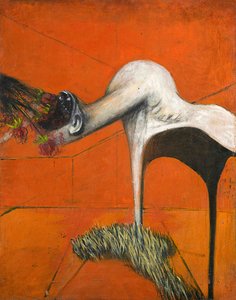
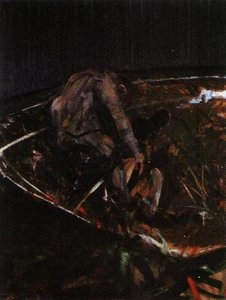
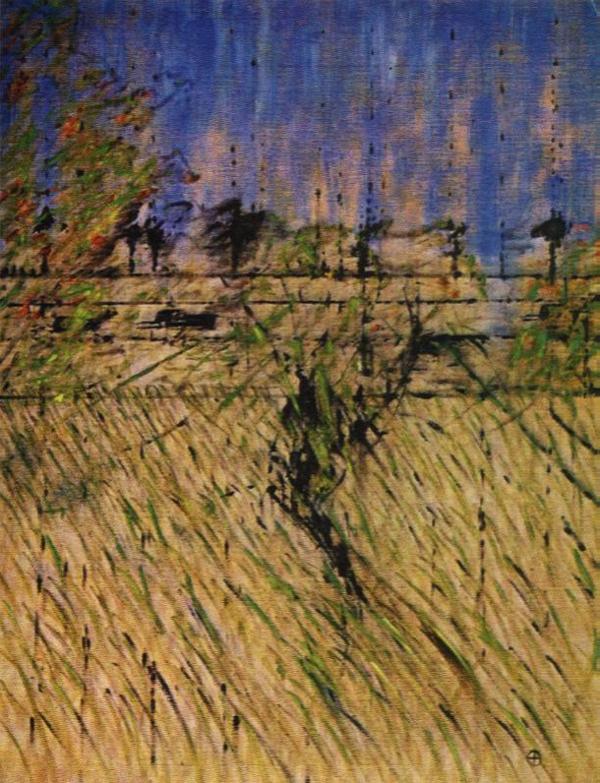
landscape after van gogh, 1952


 Ver más
Reproducción al óleo hecha a mano
Óleo sobre lienzo pintado a mano en el tamaño y marco de su elección, realizado por encargo por nuestros artistas. ( Comprar impresión Comprar imagen)




P118B $10

P118H $10

P118W $10

P438Z $10

P508JH $12

P508YH $12

P805H $10

P805Z $10

P919BZ $10

P919G $10

P919XJ $10

P959ZH $10

P968JZ $12

W106C $8

W218G $10

W218JH $8

W218Y $10

W307PJ $10

W316G $10

W316PJ $8

W316Y $10

W398PJ $8

W4111J $10

W500HY $15

W500JH $15

W692G $12

W849H $8

W940BG $15

W953PJ $8




Elija entre nuestros tamaños predefinidos que respetan las proporciones originales de la obra.

Puede ingresar sus propias dimensiones para adaptarse a un marco o espacio específico. Si el tamaño seleccionado no coincide con las proporciones de la imagen original, recortaremos la obra o extenderemos la pintura con elementos adicionales pintados a mano. Se le enviará una maqueta digital para su aprobación antes de comenzar la producción.
Tenga en cuenta que la vista previa en pantalla no refleja el recorte o la extensión reales. Solo la maqueta mostrará con precisión la composición final.
Si bien existen tamaños personalizados, recomendamos seleccionar una dimensión de la lista predefinida para preservar las proporciones originales.
Tras realizar el pedido, el equipo de ArtsDot.com enviará un correo electrónico al cliente para solicitar instrucciones y proporcionarle una vista previa del boceto.
Envío a todo el mundo () en 3-4 semanas en lugar de las 5 semanas estándar. (6 septiembre). Sin comprometer la calidad.

Envío exprés gratuito a todo el mundo

Lienzo de lino de alta calidad

Seguro de envío total

Garantía de reembolso de impuestos aduaneros

Garantía de fidelidad cromática exacta

Política de devolución de 100 días (solo por defectos)

Garantía de devolución del 100% del dinero

Descuento por cantidad
 La opción de vidrio solo está disponible en tamaños inferiores a 110 cm.

landscape after van gogh, 1952
Técnica de reproducción
Dimensiones de la reproducción
-


Precio total final
$ 263
A Meditation on Isolation and Resilience
In the hauntingly beautiful Landscape After Van Gogh, created in 1952, we encounter a profound dialogue between two titans of emotional expression. While the title pays homage to the swirling, celestial energy of Vincent van Gogh, the soul of this work belongs entirely to Francis Bacon. It is not a mere imitation but a visceral reinterpretation that transforms a familiar pastoral scene into a psychological landscape. The canvas presents a rural hillside, dotted with grasses and scattered trees, yet beneath this deceptively tranquil vista lies an underlying tension that vibrates with the unease of the post-war era. It is a scene that invites the viewer to look past the surface of nature and confront the fractured state of human consciousness.
Bacon’s signature style is masterfully on display here, characterized by a visceral abstraction that prioritizes raw emotional truth over representational accuracy. Unlike the luminous, rhythmic vitality found in Van Gogh’s original inspirations, Bacon employs a deliberately unsettling palette. Muted browns, somber greens, and heavy shadows dominate the composition, creating an atmosphere of profound psychological depth. The figures within the landscape are rendered in fragmented, almost ghostly forms, mirroring the sense of displacement and trauma that permeated much of the mid-2ontury art world. This is not a landscape meant for simple admiration; it is a space designed to evoke the palpable struggle of existence.
The Physicality of Emotion through Technique
To behold this work is to witness the physical manifestation of feeling. Bacon achieved his legendary expressive effect through a technique he famously referred to as “squeeze painting.” Rather than relying solely on delicate brushwork, he applied paint thickly onto the canvas, often using gloved hands to manipulate the medium. This method creates a textured, sculptural surface that resembles the very essence of flesh and bone. The impasto is not merely decorative; it lends a heavy, tactile quality to the landscape, making the sense of vulnerability and resilience feel almost touchable. For the collector or interior designer, this texture provides a commanding presence, offering a sophisticated focal point that demands attention through its sheer material intensity.
The historical context of 1952 adds a layer of poignant significance to the piece. Emerging from the devastation of World War II, British art was grappling with themes of disillusionment and the search for meaning amidst ruins. Bacon’s landscape captures this zeitgeist perfectly—a solitary human presence confronting an expansive yet emotionally barren terrain. Yet, within this austerity, there is a flicker of hope. The birds circling overhead serve as potent symbols of freedom and aspiration, their movement providing a rhythmic counterpoint to the stillness of the hillside. They represent the enduring spirit that persists even when faced with the vast indifference of nature.
An Evocative Addition to the Modern Collection
For those seeking to curate a space that reflects depth, intellect, and emotional complexity, this reproduction offers an unparalleled opportunity. It is a piece that transcends mere decoration, acting instead as a window into the human condition. Whether placed in a minimalist contemporary gallery or a richly textured study, the painting’s interplay of light and shadow and its heavy, expressive textures provide a sophisticated narrative element to any interior design scheme.
Owning a high-quality reproduction of such a significant work allows for a daily encounter with the sublime. It serves as a reminder of the resilience required to find beauty within the shadows, making it an inspiring choice for art lovers who appreciate the intersection of historical gravity and modern abstraction. This is more than a landscape; it is a profound meditation on the strength found in solitude.
Obras relacionadas
Biografía del artista
**vida temprana y carrera**
francis bacon, un pintor figurativo irlandés nacido en Gran Bretaña, nació el 28 de octubre de 1909 en Dublín, Irlanda. Su vida temprana estuvo marcada por una serie de traslados debido a la búsqueda de su familia de un clima adecuado para la salud de su madre. Esta infancia itinerante influiría más tarde en el enfoque artístico de Bacon.**estilo artístico y temas**
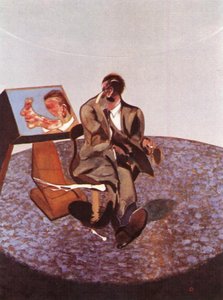
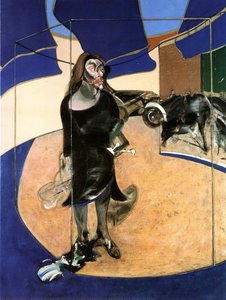
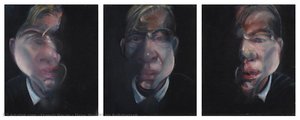
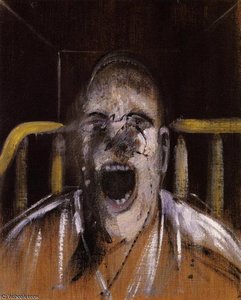
Bacon es conocido por sus imágenes audaces, emocionalmente cargadas y a menudo grotescas. Sus figuras abstractas suelen estar aisladas en espacios geométricos y similares a jaulas, contra fondos planos e indiferentes. Este estilo único ha sido tanto elogiado como criticado por los críticos de arte.- retrato de isabel rawsthorne de pie en la calle Soho, una obra seminal que muestra la capacidad de Bacon para capturar la esencia de sus sujetos en un entorno aparentemente abstracto.
- número vii de ocho estudios para un retrato, ejemplificando la exploración del artista sobre la forma humana a través de una serie de estudios.
**influencias y legado**
La obra de Bacon ha sido influenciada por diversas fuentes, incluyendo los autorretratos de margarita helena vieira da silva y el expresionismo abstracto de piet mondrian. Su legado continúa inspirando a nuevas generaciones de artistas, con su estilo audaz e innegable siendo un pilar fundamental del arte moderno.**exposiciones notables y colecciones**
- la sociedad del museo de arte fino (Reino Unido, que ha exhibido las obras de Bacon junto con otras artistas británicas destacadas. - la galería nacional (Noruega, presentando una colección exhaustiva del arte europeo, incluyendo obras de Bacon. **obras clave y colecciones:** - francis bacon: retrato de isabel rawsthorne de pie en la calle Soho - francis bacon: número vii de ocho estudios para un retrato **museos y galerías de arte:** - la sociedad del museo de arte fino (Reino Unido - la galería nacional (Noruega**conclusión**
La vida turbulenta y el enfoque innovador de Francis Bacon en la pintura figurativa han dejado una marca indeleble en el mundo del arte. Su legado, caracterizado por imágenes audaces y emocionalmente cargadas, continúa influyendo a los artistas contemporáneos e intrigando al público. **lecturas recomendadas:** - biografía de francis bacon - wikipedia: francis bacon (artista)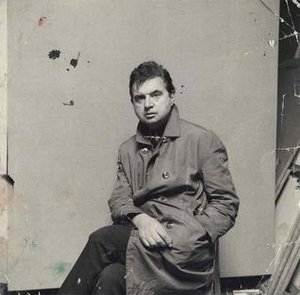
Francis Bacon
1909 - 1992 , irlanda
Datos clave
- Artistas Que Influyeron:
- Pablo Picasso
- Egon Schiele
- Diego Velázquez
- Fecha De Muerte: 28 de abril de 1992
- Fecha De Nacimiento: 28 de octubre de 1909
- Influencia En Artistas:
- Adrian Ghenie
- Robert Priseman
- Lugar De Nacimiento: Dublín, Irlanda
- Movimiento Artístico: Expresionismo, Figurativo
- Nacionalidad: Irlandés-Británico
- Nombre Completo: Francis Bacon
- Obras Notables:
- Tres estudios para una crucifixión
- Retrato de Isabel Rawsthorne
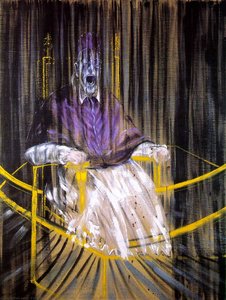
- Estudio tras Velázquez
- Autorretrato, espejo
Artículos relacionados
Francis Bacon: Las 25 Obras Maestras del Expresionismo y su Impacto en el Arte Moderno
Explora las 25 obras maestras de Francis Bacon, el expresionismo visceral y la angustia humana. Descubre retratos icónicos, trípticos impactantes y su legado en el arte moderno. Reproducciones de museo en ArtsDot.com.
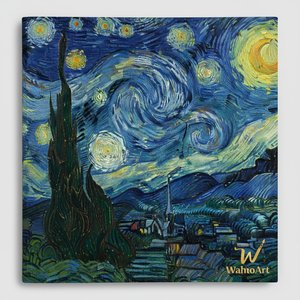
Decoding Van Gogh's Turmoil: ArtsDot’s Masterful Reproductions of Emotional Depth
Discover exquisite Van Gogh reproductions from ArtsDot – expert art specialists offering museum-quality prints & custom paintings. Trust our authentic process and elevate your collection today.

Rembrandt van Rijn: Las 25 Obras Maestras que Definen un Genio | Arte, Historia y Decoración
Descubre las 25 obras maestras de Rembrandt van Rijn, el genio del barroco holandés. Explora su historia, técnica y simbolismo en retratos icónicos como 'La Ronda Nocturna'. Encuentra reproducciones de arte exclusivas para decorar tu hogar con ArtsDot.com.
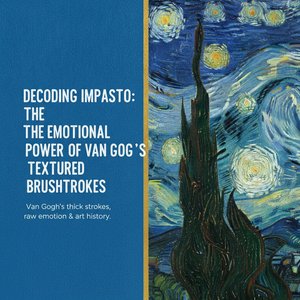
Decoding Impasto: The Emotional Power of Van Gogh's Textured Brushstrokes
Explore the visceral beauty of Van Gogh's impasto technique. Discover how his thick, textured brushstrokes transform canvas into an emotional landscape, and learn how to bring this tactile masterpiece into your home with premium, hand-painted reproductions.

Abstracción Geométrica: 10 Obras Maestras que Transformaron el Arte Moderno | ArtsDot
Descubre las 10 obras maestras de la abstracción geométrica que revolucionaron el arte moderno. Explora a Mondrian, Malevich y Kandinsky en ArtsDot.com. Reproducciones de alta calidad para tu hogar.