 Ver en contexto
 Enviar
 Compartir
 Detalles

 Descargar
 Similares
 Radiografía
 Presentación de diapositivas
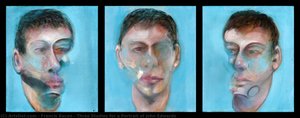
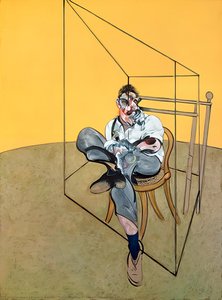
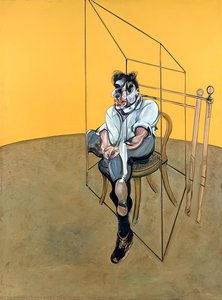
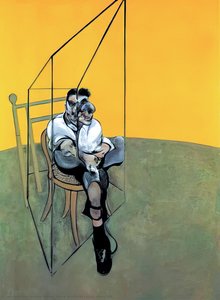
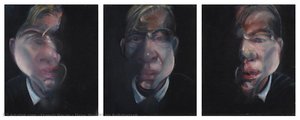
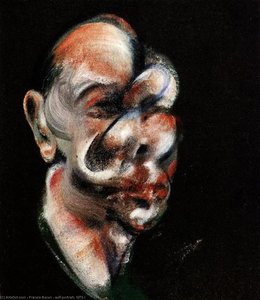
three studies of george dyres, 1966 c

 Ver más
Reproducción al óleo hecha a mano
Óleo sobre lienzo pintado a mano en el tamaño y marco de su elección, realizado por encargo por nuestros artistas. ( Comprar impresión Comprar imagen)




P118B $10

P118H $10

P118W $10

P438Z $10

P508JH $12

P508YH $12

P805H $10

P805Z $10

P919BZ $10

P919G $10

P919XJ $10

P959ZH $10

P968JZ $12

W106C $8

W218G $10

W218JH $8

W218Y $10

W307PJ $10

W316G $10

W316PJ $8

W316Y $10

W398PJ $8

W4111J $10

W500HY $15

W500JH $15

W692G $12

W849H $8

W940BG $15

W953PJ $8




Elija entre nuestros tamaños predefinidos que respetan las proporciones originales de la obra.

Puede ingresar sus propias dimensiones para adaptarse a un marco o espacio específico. Si el tamaño seleccionado no coincide con las proporciones de la imagen original, recortaremos la obra o extenderemos la pintura con elementos adicionales pintados a mano. Se le enviará una maqueta digital para su aprobación antes de comenzar la producción.
Tenga en cuenta que la vista previa en pantalla no refleja el recorte o la extensión reales. Solo la maqueta mostrará con precisión la composición final.
Si bien existen tamaños personalizados, recomendamos seleccionar una dimensión de la lista predefinida para preservar las proporciones originales.
Tras realizar el pedido, el equipo de ArtsDot.com enviará un correo electrónico al cliente para solicitar instrucciones y proporcionarle una vista previa del boceto.
Envío a todo el mundo () en 3-4 semanas en lugar de las 5 semanas estándar. (7 septiembre). Sin comprometer la calidad.

Envío exprés gratuito a todo el mundo

Lienzo de lino de alta calidad

Seguro de envío total

Garantía de reembolso de impuestos aduaneros

Garantía de fidelidad cromática exacta

Política de devolución de 100 días (solo por defectos)

Garantía de devolución del 100% del dinero

Descuento por cantidad
 La opción de vidrio solo está disponible en tamaños inferiores a 110 cm.

three studies of george dyres, 1966 c
Técnica de reproducción
Dimensiones de la reproducción
-


Precio total final
$ 263
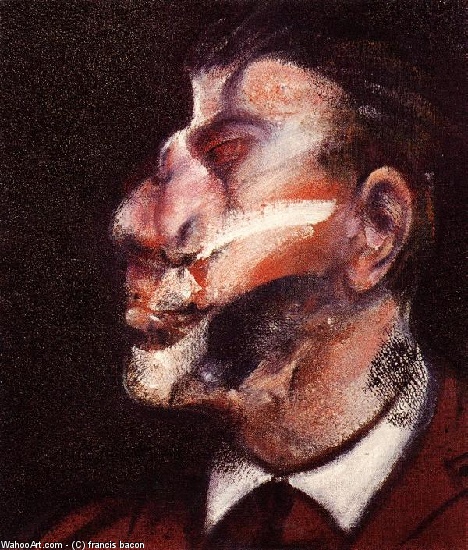
A Portrait of Trauma: Examining Francis Bacon’s “Three Studies of George Dyres”
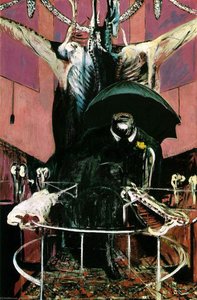
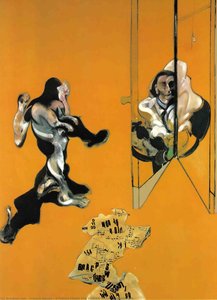
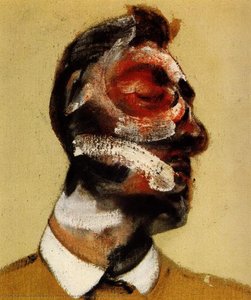
Francis Bacon’s “Three Studies of George Dyres,” completed in 1966, stands as a chilling testament to the artist's preoccupation with violence and psychological torment. More than just a depiction of a man covered in paint—though that visual element is undeniably arresting—the painting delves into the depths of human experience, confronting viewers with uncomfortable truths about vulnerability and suffering.
Painted in Bacon’s signature style – characterized by distorted figures rendered in muted hues – “Dyres” exemplifies his masterful technique. He employed encaustic paint, a method combining beeswax resin and pigment, layering thin washes of color onto prepared wood panels. This process lends an unparalleled luminosity to the canvases, capturing subtle nuances of texture and tone that would elude more conventional mediums.
Historical Context: The Shadow of Nuclear Anxiety
The painting emerged during a period profoundly shaped by anxieties surrounding the Cold War. The Cuban Missile Crisis had brought the world to the brink of nuclear annihilation, fostering a pervasive sense of dread and prompting artists like Bacon to explore themes of fear, aggression, and disintegration. Dyres himself was a British actor known for portraying characters grappling with inner demons—a subject matter that resonated powerfully with Bacon’s artistic vision.
Symbolism: Layers of Pain and Vulnerability
Beyond its immediate visual impact, “Dyres” is laden with symbolic significance. The fragmented figure embodies the shattered psyche, reflecting the artist's own struggles with mental illness. The splashes of paint—particularly the crimson – represent bloodshed and trauma, mirroring the psychological wounds inflicted upon Dyres’ character. Bacon deliberately eschewed idealized representations, opting instead for grotesque distortions that expose the raw nerve of human emotion.
Technique: Encaustic Wax Resin Paint - A Masterful Illusion
Bacon's meticulous application of encaustic wax resin paint is crucial to understanding the painting’s emotive power. The technique allows for incredible depth and luminosity, creating an illusionistic surface that seems to pulsate with life—yet beneath this veneer lies a disturbing vulnerability. The artist painstakingly built up layers of pigment onto beeswax, achieving remarkable tonal gradations and capturing subtle variations in texture.
Emotional Impact: Confronting Darkness Within
"Three Studies of George Dyres" isn’t merely aesthetically pleasing; it demands engagement on an emotional level. It compels viewers to confront their own anxieties about mortality, vulnerability, and the darker aspects of human nature. Bacon's unflinching portrayal of suffering serves as a powerful reminder that beauty can coexist with pain—and that art has the capacity to illuminate the complexities of the human condition.
This haunting masterpiece continues to captivate audiences today, offering an unparalleled glimpse into the artist’s tormented psyche and cementing his place among the most influential figures in 20th-century art. Its enduring appeal lies not only in its technical brilliance but also in its profound exploration of human emotion—a testament to Bacon's unwavering commitment to confronting darkness within.
Obras relacionadas
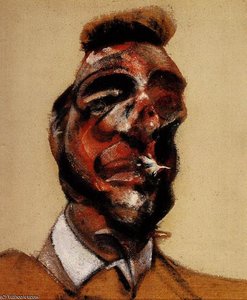
Biografía del artista
**vida temprana y carrera**
francis bacon, un pintor figurativo irlandés nacido en Gran Bretaña, nació el 28 de octubre de 1909 en Dublín, Irlanda. Su vida temprana estuvo marcada por una serie de traslados debido a la búsqueda de su familia de un clima adecuado para la salud de su madre. Esta infancia itinerante influiría más tarde en el enfoque artístico de Bacon.**estilo artístico y temas**
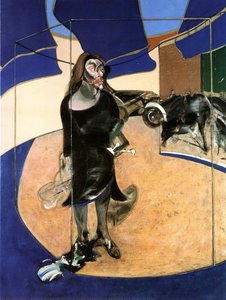
Bacon es conocido por sus imágenes audaces, emocionalmente cargadas y a menudo grotescas. Sus figuras abstractas suelen estar aisladas en espacios geométricos y similares a jaulas, contra fondos planos e indiferentes. Este estilo único ha sido tanto elogiado como criticado por los críticos de arte.- retrato de isabel rawsthorne de pie en la calle Soho, una obra seminal que muestra la capacidad de Bacon para capturar la esencia de sus sujetos en un entorno aparentemente abstracto.
- número vii de ocho estudios para un retrato, ejemplificando la exploración del artista sobre la forma humana a través de una serie de estudios.
**influencias y legado**
La obra de Bacon ha sido influenciada por diversas fuentes, incluyendo los autorretratos de margarita helena vieira da silva y el expresionismo abstracto de piet mondrian. Su legado continúa inspirando a nuevas generaciones de artistas, con su estilo audaz e innegable siendo un pilar fundamental del arte moderno.**exposiciones notables y colecciones**
- la sociedad del museo de arte fino (Reino Unido, que ha exhibido las obras de Bacon junto con otras artistas británicas destacadas. - la galería nacional (Noruega, presentando una colección exhaustiva del arte europeo, incluyendo obras de Bacon. **obras clave y colecciones:** - francis bacon: retrato de isabel rawsthorne de pie en la calle Soho - francis bacon: número vii de ocho estudios para un retrato **museos y galerías de arte:** - la sociedad del museo de arte fino (Reino Unido - la galería nacional (Noruega**conclusión**
La vida turbulenta y el enfoque innovador de Francis Bacon en la pintura figurativa han dejado una marca indeleble en el mundo del arte. Su legado, caracterizado por imágenes audaces y emocionalmente cargadas, continúa influyendo a los artistas contemporáneos e intrigando al público. **lecturas recomendadas:** - biografía de francis bacon - wikipedia: francis bacon (artista)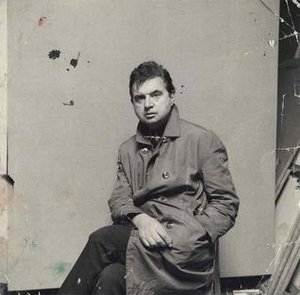
Francis Bacon
1909 - 1992 , irlanda
Datos clave
- Artistas Que Influyeron:
- Pablo Picasso
- Egon Schiele
- Diego Velázquez
- Fecha De Muerte: 28 de abril de 1992
- Fecha De Nacimiento: 28 de octubre de 1909
- Influencia En Artistas:
- Adrian Ghenie
- Robert Priseman
- Lugar De Nacimiento: Dublín, Irlanda
- Movimiento Artístico: Expresionismo, Figurativo
- Nacionalidad: Irlandés-Británico
- Nombre Completo: Francis Bacon
- Obras Notables:
- Tres estudios para una crucifixión
- Retrato de Isabel Rawsthorne
- Estudio tras Velázquez
- Autorretrato, espejo
Artículos relacionados
Francis Bacon: Las 25 Obras Maestras del Expresionismo y su Impacto en el Arte Moderno
Explora las 25 obras maestras de Francis Bacon, el expresionismo visceral y la angustia humana. Descubre retratos icónicos, trípticos impactantes y su legado en el arte moderno. Reproducciones de museo en ArtsDot.com.

Georges Braque: Las 25 Obras Maestras del Cubismo y su Legado en el Arte Moderno
Descubre las 25 obras maestras de Georges Braque, pionero del cubismo. Explora su innovadora técnica, colores y el legado del arte moderno francés. Reproducciones de alta calidad en ArtsDot.com. ¡Encuentra tu inspiración!

Georges Seurat: Las 25 Obras Maestras del Pionero Puntillista | ArtsDot
Descubre las 25 obras maestras de Georges Seurat, el innovador del puntillismo. Explora su técnica única, colores vibrantes y legado artístico en ArtsDot.com. Reproducciones de arte de museo para tu hogar.
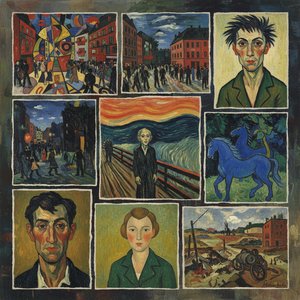
Expresionismo Pictórico: 10 Obras Maestras que Definieron un Movimiento Revolucionario | ArtsDot
Descubre las 10 obras maestras del expresionismo que revolucionaron el arte moderno. Explora la historia de Munch, Kirchner, Kandinsky y más. Reproducciones de alta calidad para decorar tu hogar con emoción y estilo en ArtsDot.com.
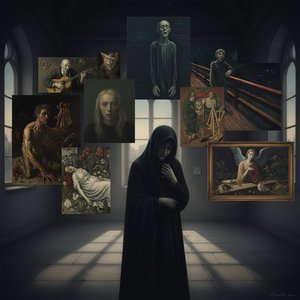
Las 10 Obras de Arte Más Conmovedoras que Evocan Melancolía |
Descubre las 10 obras de arte más conmovedoras de la historia. Explora el simbolismo, la técnica y la emoción detrás de Munch, Van Gogh, Goya y otros maestros. Encuentra reproducciones de arte online en .