Vista previa
 Compartir
 Compartir
 Ver detalles

 Descargar
 Ver artículos similares
 Radiografía
 Presentación de diapositivas
 Estadísticas
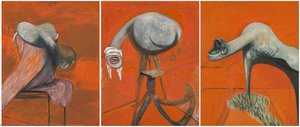
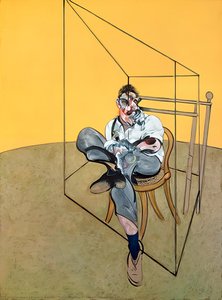
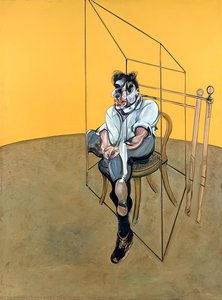
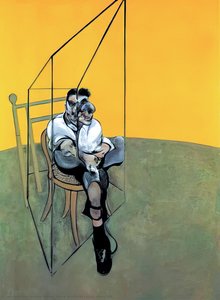
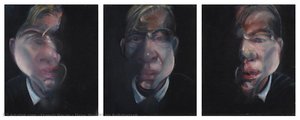
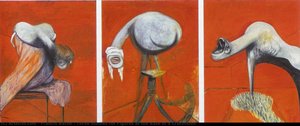
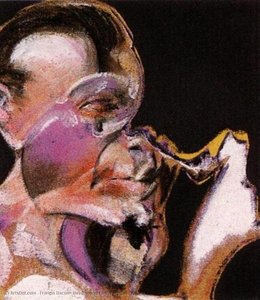
Tript. insp. by the Oresteia of Aeschylus, left


 Leer más
Giclée / Impresión de arte
Impresiones giclée o en lienzo de calidad de museo con producción rápida y opciones de acabado flexibles. ( Encargar reproducción pintada a mano Ver versión en imagen digital)




P118B $10

P118H $10

P118W $10

P438Z $10

P508JH $12

P508YH $12

P805H $10

P805Z $10

P919BZ $10

P919G $10

P919XJ $10

P959ZH $10

P968JZ $12

W106C $8

W218G $10

W218JH $8

W218Y $10

W307PJ $10

W316G $10

W316PJ $8

W316Y $10

W398PJ $8

W4111J $10

W500HY $15

W500JH $15

W692G $12

W849H $8

W940BG $15

W953PJ $8




Elija entre nuestros tamaños predefinidos que respetan las proporciones originales de la obra.

Puede introducir sus propias dimensiones para adaptarse a un marco o espacio específico. Si el tamaño seleccionado no coincide con las proporciones de la imagen original, recortaremos la obra de arte o extenderemos la imagen con un borde con efecto espejo o de color sólido. Se enviará una maqueta digital para su aprobación antes de que comience la producción.
Tenga en cuenta que la vista previa en pantalla no refleja el recorte o la extensión real. Solo la maqueta mostrará con precisión la composición final.
Aunque existen tamaños personalizados, recomendamos seleccionar una dimensión de la lista predefinida para preservar las proporciones originales.
Envío a todo el mundo () en 2 semanas en lugar de las 4/5 semanas estándar. (16 septiembre)

Envío exprés gratuito a todo el mundo

Lienzo de lino de alta calidad

Seguro de envío completo

Garantía de reembolso de impuestos aduaneros

Garantía de fidelidad cromática exacta

Política de devolución de 100 días (solo por defectos)

Garantía de devolución del 100% del dinero

Oferta por volumen
 La opción de vidrio solo está disponible en tamaños inferiores a 110 cm.

Tript. insp. by the Oresteia of Aeschylus, left
Giclée / Impresión de arte
Tamaño de la reproducción
-


Precio total
$ 62
A Descent Into Surreal Horror
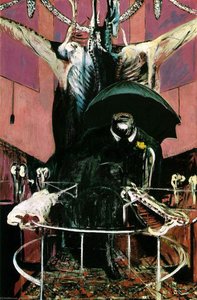
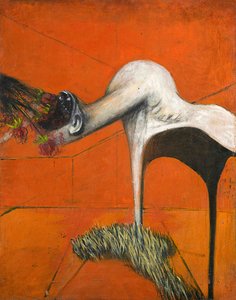
To encounter Francis Bacon’s "Tript. Insp. By The Oresteia Of Aeschylus, Left" is to step beyond the threshold of the familiar and into a realm where psychological drama meets visceral abstraction. Created in 1981, during one of the artist's most prolific and intense periods, this work serves as a haunting confrontation with primal fear. The painting does not merely present a scene; it orchestrates an immersion into unsettling beauty, where the boundaries between the human and the monstrous begin to dissolve. At its center, a creature emerges—a grotesque fusion of avian and human features, characterized by an unnerving open mouth and piercing eyes that seem to gaze through the viewer rather than at them. This central figure stands beside a fractured doorway, a threshold marked by a void, suggesting a rupture in reality itself. Scattered throughout this surreal landscape are three oranges, their bright, organic presence providing a startling, almost surreal contrast to the surrounding decay, acting as silent witnesses to the unfolding tragedy.
The technique employed by Bacon is a masterclass in the language of trauma and physical sensation. Eschewing traditional illusionistic depth, he utilized encaustic—a complex mixture of beeswax and resin—to fuse layers of pigment onto wooden panels. This method allows the surface to pulsate with an unsettling, fleshy energy, creating textures that are deliberately abrasive and tactile. The artist’s hand is visible in every smeared stroke and fragmented form, rejecting the comfort of smooth transitions for a style defined by distortion and blurring. By manipulating the medium in such a way, Bacon captures not just a visual subject, but the very tremors of existence. For the collector or designer, this piece offers a profound depth of texture and movement, making it a commanding presence that demands contemplation and provides a sophisticated, edgy focal point for any curated space.
Echoes of Ancient Tragedy
The profound emotional weight of this triptych is deeply rooted in its historical and literary lineage. By invoking Aeschylus's Oresteia trilogy, Bacon bridges the gap between ancient Greek tragedy and the existential anxieties of the modern era. The original trilogy grappled with the heavy themes of justice, revenge, and the inescapable cycle of familial obligation; Bacon translates these classical struggles into a visual idiom of blood, flesh, and shadow. He draws upon the timelessness of the myth to speak to universal human vulnerabilities—the fear of violence, the weight of morality, and the fragility of the human condition. The painting becomes a mirror for the soul, reflecting the internal conflicts that define our shared history.
Ultimately, this artwork is an invitation to witness the beautiful terror of being alive. It is a piece designed for those who appreciate art that challenges the senses and provokes deep intellectual inquiry. Whether viewed as a study in the grotesque or a profound meditation on classical literature, the work remains indelible. For interior designers seeking to infuse a room with narrative power, or collectors looking for a cornerstone of 20th-century expressionism, this reproduction offers an unparalleled opportunity to possess a fragment of Bacon's visceral legacy—a piece that does not merely decorate a wall, but transforms the very atmosphere of a home.
Obras relacionadas
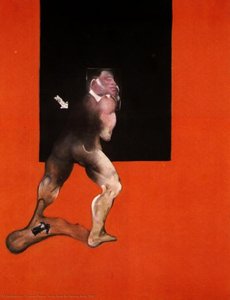
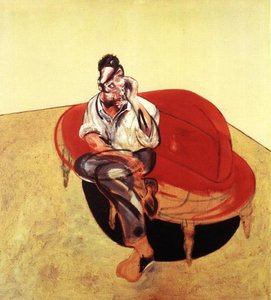
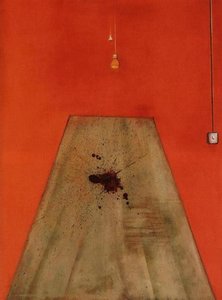
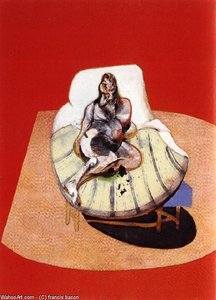
Biografía del artista
**vida temprana y carrera**
francis bacon, un pintor figurativo irlandés nacido en Gran Bretaña, nació el 28 de octubre de 1909 en Dublín, Irlanda. Su vida temprana estuvo marcada por una serie de traslados debido a la búsqueda de su familia de un clima adecuado para la salud de su madre. Esta infancia itinerante influiría más tarde en el enfoque artístico de Bacon.**estilo artístico y temas**
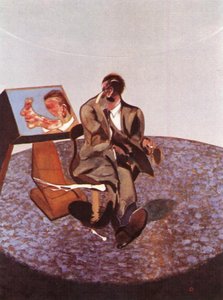
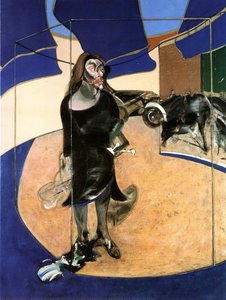
Bacon es conocido por sus imágenes audaces, emocionalmente cargadas y a menudo grotescas. Sus figuras abstractas suelen estar aisladas en espacios geométricos y similares a jaulas, contra fondos planos e indiferentes. Este estilo único ha sido tanto elogiado como criticado por los críticos de arte.- retrato de isabel rawsthorne de pie en la calle Soho, una obra seminal que muestra la capacidad de Bacon para capturar la esencia de sus sujetos en un entorno aparentemente abstracto.
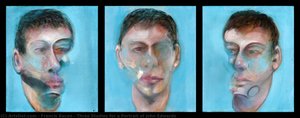
- número vii de ocho estudios para un retrato, ejemplificando la exploración del artista sobre la forma humana a través de una serie de estudios.
**influencias y legado**
La obra de Bacon ha sido influenciada por diversas fuentes, incluyendo los autorretratos de margarita helena vieira da silva y el expresionismo abstracto de piet mondrian. Su legado continúa inspirando a nuevas generaciones de artistas, con su estilo audaz e innegable siendo un pilar fundamental del arte moderno.**exposiciones notables y colecciones**
- la sociedad del museo de arte fino (Reino Unido, que ha exhibido las obras de Bacon junto con otras artistas británicas destacadas. - la galería nacional (Noruega, presentando una colección exhaustiva del arte europeo, incluyendo obras de Bacon. **obras clave y colecciones:** - francis bacon: retrato de isabel rawsthorne de pie en la calle Soho - francis bacon: número vii de ocho estudios para un retrato **museos y galerías de arte:** - la sociedad del museo de arte fino (Reino Unido - la galería nacional (Noruega**conclusión**
La vida turbulenta y el enfoque innovador de Francis Bacon en la pintura figurativa han dejado una marca indeleble en el mundo del arte. Su legado, caracterizado por imágenes audaces y emocionalmente cargadas, continúa influyendo a los artistas contemporáneos e intrigando al público. **lecturas recomendadas:** - biografía de francis bacon - wikipedia: francis bacon (artista)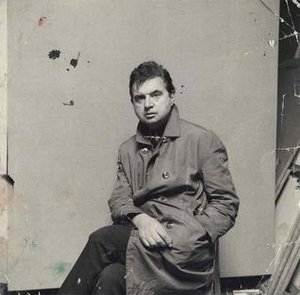
Francis Bacon
1909 - 1992 , irlanda
Datos clave
- Artistas Que Influyeron:
- Pablo Picasso
- Egon Schiele
- Diego Velázquez
- Fecha De Muerte: 28 de abril de 1992
- Fecha De Nacimiento: 28 de octubre de 1909
- Influencia En Artistas:
- Adrian Ghenie
- Robert Priseman
- Lugar De Nacimiento: Dublín, Irlanda
- Movimiento Artístico: Expresionismo, Figurativo
- Nacionalidad: Irlandés-Británico
- Nombre Completo: Francis Bacon
- Obras Notables:
- Tres estudios para una crucifixión
- Retrato de Isabel Rawsthorne
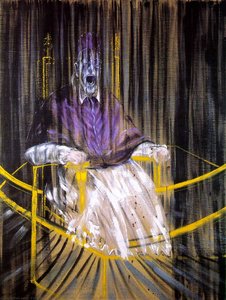
- Estudio tras Velázquez
- Autorretrato, espejo
Artículos relacionados
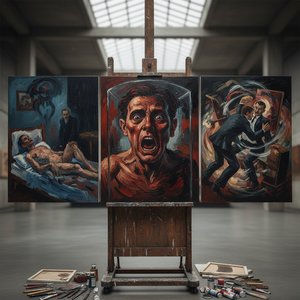
Francis Bacon: Las 25 Obras Maestras del Expresionismo y su Impacto en el Arte Moderno
Explora las 25 obras maestras de Francis Bacon, el expresionismo visceral y la angustia humana. Descubre retratos icónicos, trípticos impactantes y su legado en el arte moderno. Reproducciones de museo en ArtsDot.com.
Francis Cotes: Elegance, Portraiture & the Rise of a Georgian Aesthetic
Explore the elegant world of Francis Cotes, pioneer of English pastel painting & celebrated Georgian portraitist. Discover his captivating portraits, artistic techniques, and lasting influence on 18th-century art.
John Francis Sartorius II: Equestrian Elegance & the Rise of British Portraiture
Explore the captivating world of Francis Sartorius II (1734-1804), a leading British painter renowned for his exquisite equestrian portraits and hunting scenes. Discover his life, techniques & enduring legacy.
The Existential Anguish of Francis Bacon: Trauma, Form & the Post-War Condition
Explore the profound existential anguish of Francis Bacon's art. Discover how trauma shaped his iconic paintings & lasting influence on modern expressionism. A guide for discerning collectors.
Francis Ferdinand Maurice Cook: A Study in Victorian Aestheticism & Landscape Evolution
Explore the captivating art of Sir Francis Ferdinand Maurice Cook – a British artist bridging Victorian traditions & Aestheticism. Discover his landscapes, collection history, and unique style. Expert analysis for collectors.