

 Ver en contexto
 Enviar
 Compartir
 Detalles

 Descargar
 Similares
 Radiografía
 Presentación de diapositivas
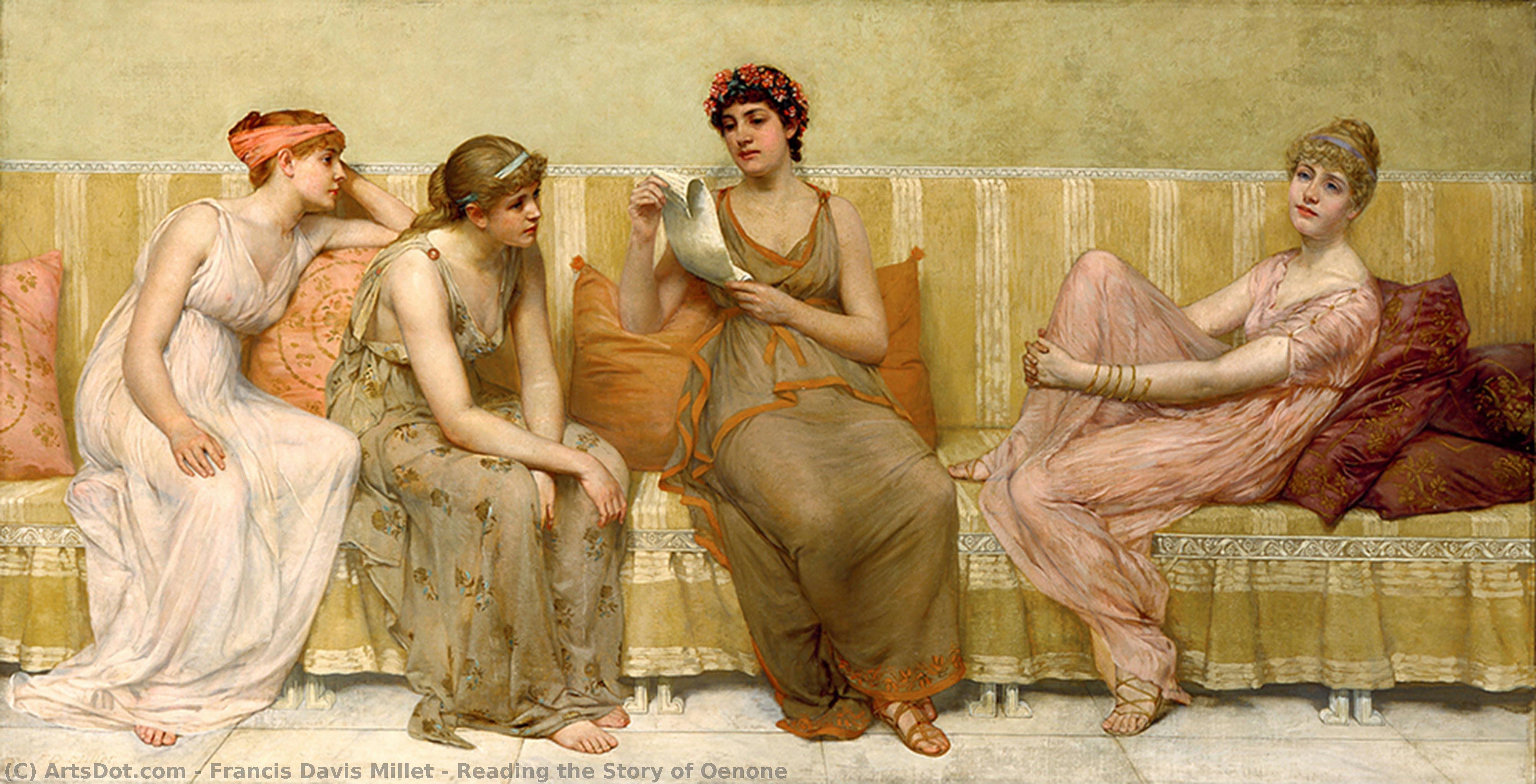
Reading the Story of Oenone


 Ver más
Reproducción al óleo hecha a mano
Óleo sobre lienzo pintado a mano en el tamaño y marco de su elección, realizado por encargo por nuestros artistas. ( Comprar impresión Comprar imagen)




P118B $10

P118H $10

P118W $10

P438Z $10

P508JH $12

P508YH $12

P805H $10

P805Z $10

P919BZ $10

P919G $10

P919XJ $10

P959ZH $10

P968JZ $12

W106C $8

W218G $10

W218JH $8

W218Y $10

W307PJ $10

W316G $10

W316PJ $8

W316Y $10

W398PJ $8

W4111J $10

W500HY $15

W500JH $15

W692G $12

W849H $8

W940BG $15

W953PJ $8




Elija entre nuestros tamaños predefinidos que respetan las proporciones originales de la obra.

Puede ingresar sus propias dimensiones para adaptarse a un marco o espacio específico. Si el tamaño seleccionado no coincide con las proporciones de la imagen original, recortaremos la obra o extenderemos la pintura con elementos adicionales pintados a mano. Se le enviará una maqueta digital para su aprobación antes de comenzar la producción.
Tenga en cuenta que la vista previa en pantalla no refleja el recorte o la extensión reales. Solo la maqueta mostrará con precisión la composición final.
Si bien existen tamaños personalizados, recomendamos seleccionar una dimensión de la lista predefinida para preservar las proporciones originales.
Tras realizar el pedido, el equipo de ArtsDot.com enviará un correo electrónico al cliente para solicitar instrucciones y proporcionarle una vista previa del boceto.
Envío a todo el mundo () en 3-4 semanas en lugar de las 5 semanas estándar. (22 agosto). Sin comprometer la calidad.

Envío exprés gratuito a todo el mundo

Lienzo de lino de alta calidad

Seguro de envío total

Garantía de reembolso de impuestos aduaneros

Garantía de fidelidad cromática exacta

Política de devolución de 60 días (solo por defectos)

Garantía de devolución del 100% del dinero

Descuento por cantidad
 La opción de vidrio solo está disponible en tamaños inferiores a 110 cm.

Reading the Story of Oenone
Técnica de reproducción
Dimensiones de la reproducción
-


Precio total final
$ 263
Descripción de la obra
Reading the Story of Oenone
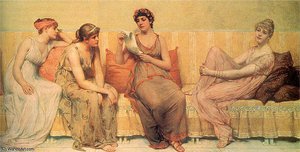
“Reading the Story of Oenone” by Francis Davis Millet stands as a cornerstone of American Impressionism and exemplifies Millet’s masterful command of classical aesthetics blended with modern artistic sensibilities. Completed in 1883, this monumental painting—measuring approximately 76.2 cm (30 inches) high and 147 cm (57.88 inches) wide without its frame—captures a scene steeped in mythic allusion and psychological nuance, offering viewers an immersive experience of both visual beauty and narrative depth.
Millet’s stylistic approach aligns closely with the “Bench Style,” a popular trend among artists during the late Victorian era. This technique favored large-scale canvases depicting intimate gatherings—often women—engaged in leisurely pursuits like reading or conversation. Millet skillfully utilizes muted tonal palettes dominated by greens, yellows, reds and whites to create an atmosphere of serene contemplation. The artist’s meticulous attention to detail is evident in the rendering of fabrics, textures, and facial expressions, demonstrating a dedication to capturing not merely what was seen but also what was felt.
The painting's subject matter draws inspiration from Homer’s epic poem “The Iliad,” specifically recounting the tale of Oenone—the first wife of Paris—and his subsequent abandonment for Helen of Sparta, triggering the calamitous Trojan War. Millet portrays four women seated on a richly ornamented couch, symbolizing unity and intellectual engagement amidst personal reflection. Each woman embodies distinct characteristics: one reclined gracefully on pillows, gazing intently at a book; another leans forward towards her companion, conveying warmth and connection; and two others are dressed in elegant gowns, reflecting the sophistication of Victorian society.
Symbolism permeates every aspect of “Reading the Story of Oenone.” The couch itself represents comfort, stability, and domestic tranquility—a deliberate contrast to the turbulent events unfolding in Greek mythology. Millet’s masterful use of color contributes significantly to the painting's emotional impact, conveying feelings of melancholy, introspection, and quiet contemplation. The golden hues adorning the couch and pillows symbolize nobility and refinement, mirroring the idealized beauty of classical art.
Beyond its aesthetic merits, “Reading the Story of Oenone” holds a profound significance within American art history. Millet’s decision to purchase the painting by Detroit Institute of Arts—following a public vote during their inaugural exhibition—underscored the burgeoning appreciation for Impressionist art in the Midwest. The artwork's inclusion in subsequent exhibitions and publications cemented its place as a celebrated masterpiece, continuing to inspire artists and collectors alike.
The Detroit Institute of Art acquired “Reading the Story of Oenone” in 1883 marking the beginning of DIA’s collection and establishing it as one of America's premier art institutions. The painting remains on display at DIA today offering visitors a chance to experience Millet’s artistic vision firsthand.
Obras relacionadas
![Leyenda De San Francisco - [21] - Aparición A Fra Agostino Y Al Obispo Guido De Arezzo — Giotto Di Bondone, Protorrenacimiento](/media/artworks/images-thumb/8a/06/8a0632ef03ba49f12919faa78718a88b.jpg)
![Leyenda De San Francisco – [24] – Canonización De San Francisco — Giotto Di Bondone, Gothic](/media/artworks/images-thumb/81/9b/819b5f0656848eb5cb3fcd40fd5756aa.jpg)
![Vida De San Francisco - [04] - Muerte Y Ascensión De San Francisco — Giotto Di Bondone, Renacimiento Italiano](/media/artworks/images-thumb/08/8b/088b102b13c1a379233690905590f156.jpg)
Biografía del artista
A Life Interrupted: The Tragic Story of Francis Davis Millet
Francis Davis Millet (1846 – 1912) was an American academic painter & sculptor whose life was tragically cut short aboard the RMS Titanic in April 1912. Known for murals that contained exactingly accurate historical details, he captivated audiences with his artistic vision and unwavering dedication to preserving excellence in American art. His journey from a young drummer boy in the Civil War to a celebrated artist and influential figure in American art institutions is a testament to his multifaceted talent and selflessness.Early Life and Artistic Foundations
Francis Davis Millet was born in Mattapoisett, Massachusetts, in either 1846 or 1848 – conflicting accounts exist, a diary suggesting the latter date –. Most sources give his birth as November 3, 1846. At age fifteen, Millet enlisted as a private in the 60th Massachusetts Infantry during Civil War, serving as a drummer and assisting his father, a surgeon, in the army of the Potomac. This formative experience profoundly shaped his artistic sensibility; he often spoke of how aiding his father during the war instilled within him an appreciation for the vivid, arresting power of red – a color that would frequently appear in his paintings, lending them an emotional intensity. After graduating from Harvard with a Master of Arts degree, Millet embarked on a diverse career path, working as a reporter and editor before fully committing to his artistic pursuits. He honed his observational skills and developed a keen understanding of visual storytelling—skills that would prove invaluable throughout his life’s work.From Battlefield to Beaux-Arts: Artistic Development and Recognition
Millet’s formal artistic training began in 1876 when he returned to Boston to contribute murals at Trinity Church alongside John La Farge, a pivotal figure in the American art scene. This experience ignited his passion for large-scale decorative work. He then journeyed to Europe, specifically Antwerp, Belgium, where he studied at the Royal Academy of Fine Arts. His talent was immediately recognized; he became the first student to win a silver medal in his initial year and followed it up with a gold medal the following year. This European sojourn proved crucial in shaping his artistic style, firmly grounding him within the academic classical tradition. He absorbed influences from Flemish masters and embraced innovative techniques—a commitment that would define his oeuvre for decades to come.Service During Wartime and Artistic Innovation
During the Russo-Turkish war of 1877–78, Millet served as a war correspondent for prominent publications like the *New York Herald* and the London *Daily News*. His bravery under fire earned him decorations from both Russia and Romania, demonstrating his courage and willingness to confront danger in pursuit of truth. He traveled extensively throughout Greece, Italy, Switzerland, and Germany, documenting historical sites and capturing atmospheric landscapes—activities that fueled his artistic inspiration and broadened his worldview. Notably, Millet pioneered the use of compressed air spray painting during the World’s Columbian Exposition in Chicago in 1893, a groundbreaking technique that revolutionized mural decoration and cemented his reputation as an innovator.Legacy and Remembrance
Francis Davis Millet died aboard the RMS Titanic at Cherbourg, France, on April 10, 1912, en route to New York City on Academy business. His final act of heroism – assisting women and children into lifeboats as the ship sank – embodies his character and selflessness. Though his body was recovered by the cable boat *Mackay-Bennett*, his death marked a profound loss for the art world. The Butt–Millet Memorial Fountain, erected in Washington D.C. in 1913, stands as a lasting tribute to Millet and his close friend Archibald Butt, both victims of the Titanic disaster. A bronze bust in Harvard University’s Widener Library also serves as a poignant memorial. His paintings, sculptures, and literary works continue to captivate audiences, reminding us of the enduring power of creativity and the fragility of human existence. Millet’s artistic legacy persists today, inspiring artists and scholars alike with his unwavering dedication to excellence and his profound understanding of the human condition.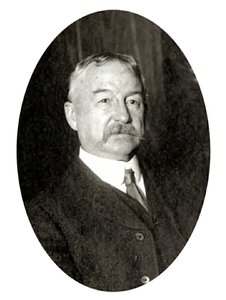
Francis Davis Millet
1846 - 1912 , Estados Unidos
Datos clave
- Artistic Movement Or Style: Academic classical painting
- Artists Or Movements Influenced By This Artist: ['Beaux-Arts']
- Artists Who Influenced This Artist: ['John LaFarge']
- Date Of Birth: Nov 3, 1846
- Date Of Death: Apr 15, 1912
- Full Name: Francis Davis Millet
- Nationality: American
- Notable Artworks:
- Lacing Up
- A Cosey Corner
- Between Two Fires
- Place Of Birth: Mattapoisett, USA
Artículos relacionados
Francis Bacon: Las 25 Obras Maestras del Expresionismo y su Impacto en el Arte Moderno
Explora las 25 obras maestras de Francis Bacon, el expresionismo visceral y la angustia humana. Descubre retratos icónicos, trípticos impactantes y su legado en el arte moderno. Reproducciones de museo en ArtsDot.com.
Arthur B. Davies: Pioneering American Modernism & the Cosmopolitan Spirit
Explore the life & work of Arthur B. Davies, a pivotal figure in American Modernism. Discover his unique style, role in the 1913 Armory Show, and lasting influence on art history. Learn about collecting Davies' works.
Stuart Davis: Modernist Abstraction & the Vibrant Spirit of the Jazz Age
Explore the vibrant world of Stuart Davis, a pioneer of American Modernism. Discover his jazz-inspired paintings, signature style & investment potential. Expert insights for art collectors.
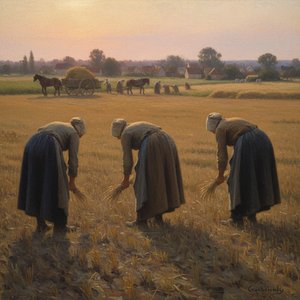
Jean-François Millet: Realism, Rural Life & the Poetic Depiction of Labor
Explore the life & work of Jean-François Millet, a founder of Realism. Discover his poignant depictions of rural France, iconic paintings like 'The Angelus,' and lasting influence on art history. Learn more at ArtsDot.

Gene Davis: Chromatic Explorations of Color Field Painting & the Washington Color School
Explore the vibrant world of Gene Davis and the Washington Color School. Discover his iconic stripe paintings, innovative techniques, and lasting impact on American abstract art. A deep dive for collectors & enthusiasts.

