

 Ver en contexto
 Enviar
 Compartir
 Detalles

 Descargar
 Similares
 Radiografía
 Presentación de diapositivas
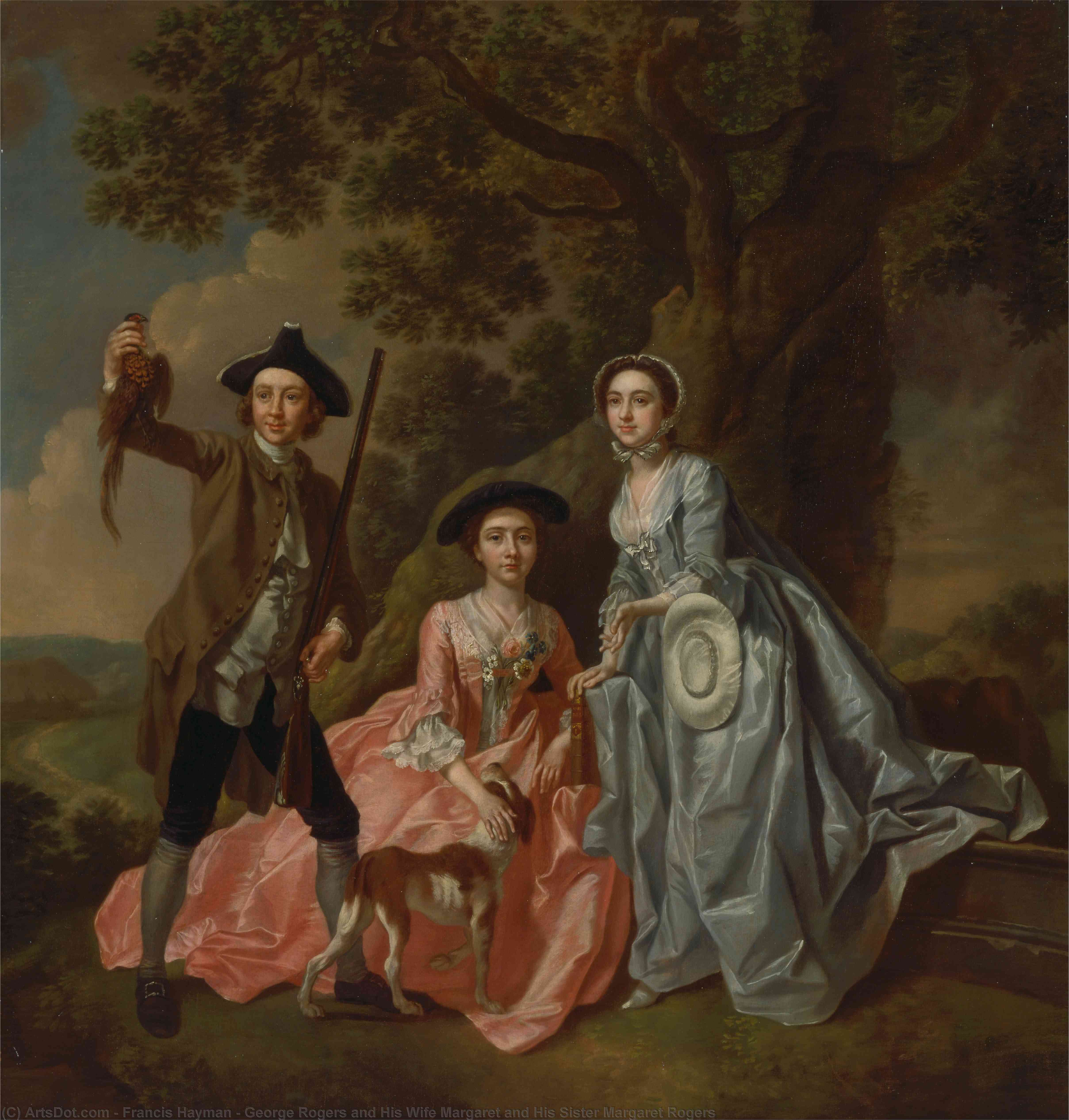
George Rogers and His Wife Margaret and His Sister Margaret Rogers


 Ver más
Reproducción al óleo hecha a mano
Óleo sobre lienzo pintado a mano en el tamaño y marco de su elección, realizado por encargo por nuestros artistas. ( Comprar impresión Comprar imagen)




P118B $10

P118H $10

P118W $10

P438Z $10

P508JH $12

P508YH $12

P805H $10

P805Z $10

P919BZ $10

P919G $10

P919XJ $10

P959ZH $10

P968JZ $12

W106C $8

W218G $10

W218JH $8

W218Y $10

W307PJ $10

W316G $10

W316PJ $8

W316Y $10

W398PJ $8

W4111J $10

W500HY $15

W500JH $15

W692G $12

W849H $8

W940BG $15

W953PJ $8




Elija entre nuestros tamaños predefinidos que respetan las proporciones originales de la obra.

Puede ingresar sus propias dimensiones para adaptarse a un marco o espacio específico. Si el tamaño seleccionado no coincide con las proporciones de la imagen original, recortaremos la obra o extenderemos la pintura con elementos adicionales pintados a mano. Se le enviará una maqueta digital para su aprobación antes de comenzar la producción.
Tenga en cuenta que la vista previa en pantalla no refleja el recorte o la extensión reales. Solo la maqueta mostrará con precisión la composición final.
Si bien existen tamaños personalizados, recomendamos seleccionar una dimensión de la lista predefinida para preservar las proporciones originales.
Tras realizar el pedido, el equipo de ArtsDot.com enviará un correo electrónico al cliente para solicitar instrucciones y proporcionarle una vista previa del boceto.
Envío a todo el mundo () en 3-4 semanas en lugar de las 5 semanas estándar. (3 septiembre). Sin comprometer la calidad.

Envío exprés gratuito a todo el mundo

Lienzo de lino de alta calidad

Seguro de envío total

Garantía de reembolso de impuestos aduaneros

Garantía de fidelidad cromática exacta

Política de devolución de 60 días (solo por defectos)

Garantía de devolución del 100% del dinero

Descuento por cantidad
 La opción de vidrio solo está disponible en tamaños inferiores a 110 cm.

George Rogers and His Wife Margaret and His Sister Margaret Rogers
Técnica de reproducción
Dimensiones de la reproducción
-


Precio total final
$ 263
A Moment of Domestic Tranquility: Francis Hayman’s Portrait of the Rogers Family
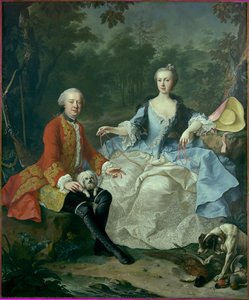
Francis Hayman's "George Rogers and His Wife Margaret and His Sister Margaret Rogers," painted circa 1748-1750, offers a captivating glimpse into the life of a prosperous English family during the mid-18th century. More than just a simple portrait, it’s a carefully constructed tableau brimming with subtle details that speak volumes about social standing, familial bonds, and the prevailing aesthetic sensibilities of the Rococo era. The painting depicts George Rogers, his wife Margaret (née Tyers), and sister Margaret, gathered beneath a sheltering tree – a scene both intimate and imbued with a quiet dignity.
Hayman’s skill lies not just in capturing likenesses but in creating an atmosphere. The dappled sunlight filtering through the branches above suggests a leisurely afternoon, while the arrangement of figures within the composition is deliberately balanced. George Rogers, holding his hunting rifle – a symbol of status and masculine authority – occupies the left foreground, his gaze directed slightly off-camera, perhaps towards a distant hunt or a future prospect. Margaret Rogers, seated beside him, embodies domestic grace with her arm gently encircling the family dog, a gesture indicative of the era’s emphasis on familial affection and loyalty. Her sister, positioned to the right, wears a fashionable hat and appears absorbed in thought, hinting at a private contemplation – a common motif in portraits designed to convey both outward appearance and inner character.
The Rococo Influence: Ornamentation and Emotional Resonance
Hayman’s work firmly places this portrait within the context of the Rococo style, which was flourishing throughout Europe during this period. Characterized by its elegance, grace, and a penchant for elaborate ornamentation, Rococo sought to evoke feelings of pleasure, delight, and refined sensibility. Notice the delicate rendering of fabrics – the woman's gown, the dog’s fur – and the subtle use of color, all contributing to an atmosphere of luxurious comfort. The composition itself is deliberately asymmetrical, mirroring the organic forms found in nature, a hallmark of Rococo art. The inclusion of the dog further reinforces this connection to nature, suggesting a harmonious blend of domesticity and the natural world.
Unlike the more formal and rigid portraiture of earlier periods, Hayman’s approach is remarkably relaxed. The figures are not posed stiffly but appear engaged in a comfortable, almost candid interaction. This reflects a shift in artistic values during the 18th century, where artists increasingly sought to capture not just outward appearances but also the inner lives and emotions of their subjects. The slightly averted gazes and subtle expressions suggest a depth of feeling beyond mere representation.
Symbolism and Social Commentary
Beyond its aesthetic qualities, “George Rogers and His Wife Margaret and His Sister Margaret Rogers” offers insights into the social dynamics of the time. The presence of the hunting rifle underscores the importance of land ownership and military prowess within the landed gentry. The inclusion of two dogs speaks to the family’s wealth and ability to maintain a comfortable household, while their fashionable attire reflects their position within society. Even the choice of setting – a natural grove – subtly reinforces the idea that prosperity and social standing were inextricably linked to connection with the land.
Furthermore, the portrait can be interpreted as a celebration of family unity and domestic harmony—values highly prized in 18th-century England. The careful arrangement of the figures, their shared gaze (or lack thereof), and the overall atmosphere of tranquility all contribute to this sense of familial contentment. It’s a scene frozen in time, offering a poignant reminder of a bygone era.
A Reproduction for Your Home: Bringing History to Life
ArtsDot offers meticulously crafted hand-painted reproductions of Francis Hayman's "George Rogers and His Wife Margaret and His Sister Margaret Rogers," allowing you to bring this exquisite work of art into your own space. Our skilled artists faithfully recreate the painting’s intricate details, capturing the subtle nuances of color, texture, and light. Whether displayed in a formal salon or a cozy study, this reproduction will serve as a beautiful conversation piece—a window into the past and a testament to the enduring power of portraiture.
Consider how the painting’s serene composition and evocative atmosphere can complement your existing décor. The rich colors and delicate brushstrokes create a sense of warmth and sophistication, while the subject matter offers a timeless appeal. A ArtsDot reproduction is more than just an image; it's a tangible connection to art history—a piece of beauty that will enrich your home for years to come.
Obras relacionadas
![Leyenda De San Francisco - [02] - San Francisco Dando Su Manto A Un Pobre — Giotto Di Bondone, Gothic](/media/artworks/images-thumb/1f/84/1f842a0319a02eaaa27d431c94a53fd1.jpg)
![Leyenda De San Francisco - [09] - Visión De Los Tronos — Giotto Di Bondone, Arte Gótico](/media/artworks/images-thumb/22/63/2263d17803affec5bf4662652047e257.jpg)
![La Leyenda De San Francisco - [11] - San Francisco Ante El Sultán (el Juicio Por Fuego) — Giotto Di Bondone, Early Renaissance](/media/artworks/images-thumb/0d/32/0d328acfb6c90f7ef32707586e86044b.jpg)
![Leyenda De San Francisco – [24] – Canonización De San Francisco — Giotto Di Bondone, Gothic](/media/artworks/images-thumb/81/9b/819b5f0656848eb5cb3fcd40fd5756aa.jpg)
![Vida De San Francisco - [04] - Muerte Y Ascensión De San Francisco — Giotto Di Bondone, Renacimiento Italiano](/media/artworks/images-thumb/08/8b/088b102b13c1a379233690905590f156.jpg)
![Vida De San Francisco - [06] - San Francisco Ante El Sultán — Giotto Di Bondone, Protorrenacimiento](/media/artworks/images-thumb/78/99/78995b9f1c570aac2ba1f4e9a3a7e8b8.jpg)
Biografía del artista
La Visión Dramática de Francis Hayman
En el vibrante y cambiante paisaje del arte británico del siglo XVIII, pocas figuras poseían la brillantez versátil de Francis Hayman. Nacido en Exeter en 1708, Hayman no se limitó a observar la evolución cultural de su época; él moldeó activamente su lenguaje visual. Su viaje comenzó lejos de las refinadas galerías de Londres, arraigado, en cambio, en el efímero y emocionante mundo de la escenografía teatral. Esta inmersión temprana en las artes dramáticas le proporcionó una ventaja única, inculcándole una profunda comprensión de la composición, la luz y la tensión narrativa que más tarde definirían su maestría en el estilo Rococó. Al transicionar de pintor de escenarios a artista independiente en St Martin's Lane, Hayman trajo consigo el alma de un narrador, capaz de transformar un lienzo estático en una ventana hacia un momento teatral.
La esencia estética de la obra de Hayman está profundamente entrelazada con el movimiento Rococó, una era caracterizada por la gracia, el ornamento y una cierta elegancia despreocupada. Inspirándose en los opulentos maestros franceses como François Boucher, Hayman adoptó una paleta de pasteles delicados y pinceladas fluidas y rítmicas. Sin embargo, su trabajo nunca fue puramente decorativo; poseía una integridad estructural informada por los ideales clásicos. A través de su conexión con los florecientes círculos intelectuales de Londres, integró un sentido de proporción y forma que permitió a sus retratos trascender el mero parecido, capturando, en su lugar, la esencia misma del carácter y el estatus social.
Un Legado de la Royal Academy y Maestría Narrativa
La importancia histórica de Hayman se ancla en su papel fundacional en el establecimiento de la Royal Academy. Como miembro fundador y primer bibliotecario de la institución, ayudó a sentar las bases de los estándares artísticos profesionales en Gran Bretaña. Esta posición de influencia le permitió tender un puente entre el entretenimiento popular, a menudo bullicioso, de las masas y las elevadas aspiraciones de la élite académica. Su capacidad para navegar entre estos mundos tan distintos se aprecia quizás mejor en su diversa producción artística, que abarca desde lo monumental hasta lo íntimo.
Su repertorio artístico era notablemente expansivo, haciendo gala de un talento capaz de pivotar entre géneros con una fluidez asombrosa:
- Escenas Teatrales y Literarias: Hayman poseía una capacidad poco común para insuflar vida a la literatura, creando representaciones evocadoras del drama shakesperiano y escenas vivaces de Don Quijote, como el animado momento en que la posadera nombra caballero al caballero.
- Retratística: Se convirtió en un cronista muy solicitado de su tiempo, capturando el carisma de actores legendarios como David Garrick y la elegancia aristocrática de figuras como el Dr. Charles Chauncey.
- Encargos Decorativos: Su trabajo para los Vauxhall Pleasure Gardens demostró su habilidad para la narrativa a gran escala, donde utilizó el arte para realzar la experiencia sensorial del público con el ocio y la alegría.
- Temas Bíblicos y Mitológicos: A través de obras como El Buen Samaritano, Hayman utilizó su sensibilidad rococó para explorar temas profundos de compasión, caridad e interacción divina.
En última instancia, la vida de Francis Hayman fue un testimonio del poder de la narrativa visual. Al combinar la teatralidad del escenario con la refinada elegancia del Rococó, creó una obra que sigue siendo una ventana vital a la era de la Ilustración. Su legado persiste no solo en los lienzos que llevan su nombre, sino en la estructura misma de la historia del arte británico, marcándolo como un verdadero pionero que ayudó a elevar el estatus del pintor, de artesano a maestro académico.
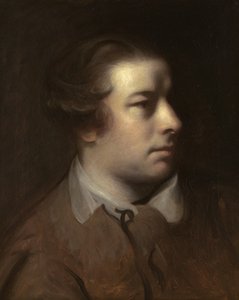
Francis Hayman
1708 - 1776 , Reino Unido
Datos clave
- Artistic Movement Or Style: Rococó
- Artists Or Movements Influenced By This Artist: ['Thomas Gainsborough']
- Artists Who Influenced This Artist: ['Joshua Reynolds']
- Date Of Birth: Exeter, 1708
- Date Of Death: 1776
- Full Name: Francis Hayman
- Nationality: Inglés
- Notable Artworks:
- Hamlet escena teatral
- Las mejillas sonrojadas
- El juego de críquet
- Place Of Birth: Londres
Artículos relacionados
Francis Bacon: Las 25 Obras Maestras del Expresionismo y su Impacto en el Arte Moderno
Explora las 25 obras maestras de Francis Bacon, el expresionismo visceral y la angustia humana. Descubre retratos icónicos, trípticos impactantes y su legado en el arte moderno. Reproducciones de museo en ArtsDot.com.
John Francis Sartorius II: Equestrian Elegance & the Rise of British Portraiture
Explore the captivating world of Francis Sartorius II (1734-1804), a leading British painter renowned for his exquisite equestrian portraits and hunting scenes. Discover his life, techniques & enduring legacy.
The Enduring Legacy of Family Portraiture: A Historical & Artistic Exploration
Explore the rich history of family portraiture with ArtsDot. Discover artistic styles, symbolism & collecting insights. Commission a custom oil painting or appraise your existing artwork today!
Thomas Hudson: A Study in 18th-Century Portraiture & British Artistic Identity
Explore the life & work of Thomas Hudson, a leading 18th-century British portraitist. Discover his mastery of the 'Grand Manner,' influential style, and lasting impact on British art. Learn about his notable portraits like Judge William Noel & Alexander Van Aken.
Francis Cotes: Elegance, Portraiture & the Rise of a Georgian Aesthetic
Explore the elegant world of Francis Cotes, pioneer of English pastel painting & celebrated Georgian portraitist. Discover his captivating portraits, artistic techniques, and lasting influence on 18th-century art.

