

 Vista previa
 Compartir
 Compartir
 Ver detalles

 Descargar
 Ver similares
 Radiografía
 Presentación de diapositivas
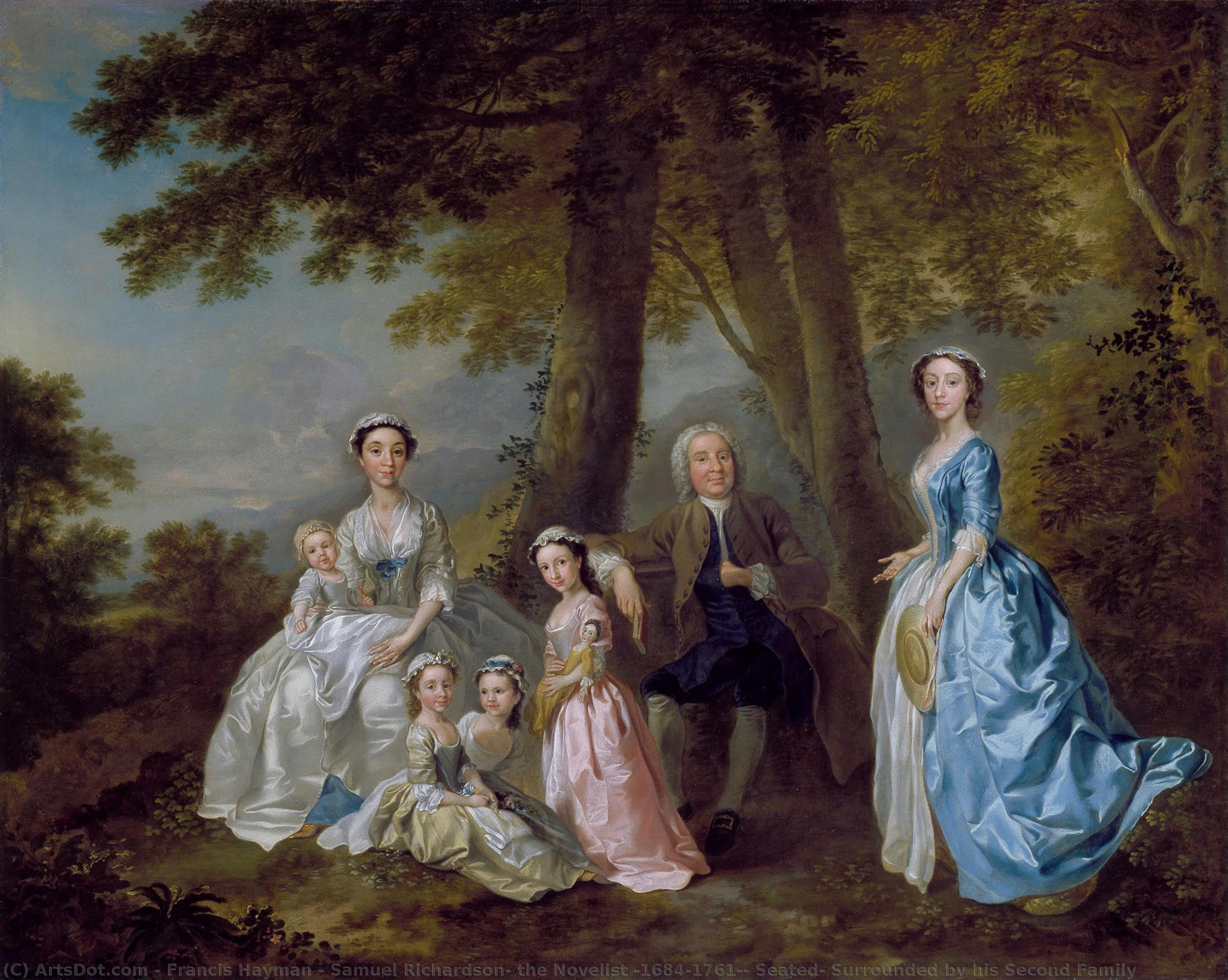
Samuel Richardson, the Novelist (1684-1761), Seated, Surrounded by his Second Family
 Oil On Canvas
- WallArt
- Rococo Portraiture
 99.0 x 125.0 cm
 Tate Britain
 Leer más
Reproducción al óleo hecha a mano
Óleo sobre lienzo pintado a mano en el tamaño y marco de su elección, realizado por encargo por nuestros artistas. ( Pedir impresión Comprar descarga)




P118B $10

P118H $10

P118W $10

P438Z $10

P508JH $12

P508YH $12

P805H $10

P805Z $10

P919BZ $10

P919G $10

P919XJ $10

P959ZH $10

P968JZ $12

W106C $8

W218G $10

W218JH $8

W218Y $10

W307PJ $10

W316G $10

W316PJ $8

W316Y $10

W398PJ $8

W4111J $10

W500HY $15

W500JH $15

W692G $12

W849H $8

W940BG $15

W953PJ $8




Elija entre nuestros tamaños predefinidos que respetan las proporciones originales de la obra.

Puede ingresar sus propias dimensiones para adaptarse a un marco o espacio específico. Si el tamaño seleccionado no coincide con las proporciones de la imagen original, recortaremos la obra o extenderemos la pintura con elementos adicionales pintados a mano. Se le enviará una maqueta digital para su aprobación antes de comenzar la producción.
Tenga en cuenta que la vista previa en pantalla no refleja el recorte o la extensión reales. Solo la maqueta mostrará con precisión la composición final.
Si bien existen tamaños personalizados, recomendamos seleccionar una dimensión de la lista predefinida para preservar las proporciones originales.
Tras realizar el pedido, el equipo de ArtsDot.com enviará un correo electrónico al cliente para solicitar instrucciones y proporcionarle una vista previa del boceto.
Envío a todo el mundo () en 3-4 semanas en lugar de las 5 semanas estándar. (21 agosto). Sin comprometer la calidad.

Envío exprés gratuito a todo el mundo

Lienzo de lino de alta calidad

Seguro de envío completo

Garantía de reembolso de aranceles aduaneros

Garantía de fidelidad cromática exacta

Política de devolución de 60 días (solo por defectos)

Garantía de devolución del 100% del dinero

Oferta por volumen
 La opción de vidrio solo está disponible en tamaños inferiores a 110 cm.

Samuel Richardson, the Novelist (1684-1761), Seated, Surrounded by his Second Family
Técnica de reproducción
Tamaño de la reproducción
-


Precio total
$ 263
Descripción de la obra
Samuel Richardson’s Second Family: A Window into Georgian Society
Francis Hayman's "Samuel Richardson, the Novelist (1684-1761), Seated, Surrounded by his Second Family" is more than just a portrait; it’s a meticulously crafted tableau vivant capturing a pivotal moment in 18th-century British life. Painted in 1740, this oil on canvas offers an intimate glimpse into the world of Samuel Richardson, the celebrated author whose epistolary novels – *Pamela*, *Clarissa*, and *Sir Charles Grandison* – captivated audiences and propelled him to overnight literary fame. Hayman’s masterful handling of light, shadow, and composition transforms a simple family gathering into a scene brimming with social commentary and emotional resonance. The painting isn't merely documenting Richardson; it’s presenting him as a man profoundly shaped by his experiences, particularly the tragic loss of his first wife and children, and subsequently finding solace and companionship in a new circle of affection.The Rococo Influence and Hayman’s Artistic Style
Hayman was a key figure in establishing the Royal Academy, and his work exemplifies the refined elegance of the Rococo style that dominated British art during this period. Notice the soft, diffused lighting – characteristic of the movement – bathing the scene in a warm, inviting glow. The figures are rendered with a delicate touch, their clothing adorned with luxurious fabrics and intricate details, reflecting the wealth and status of the era. Hayman’s brushwork is remarkably smooth and blended, creating an almost dreamlike quality to the composition. He skillfully employed techniques borrowed from Boucher and Fragonard, injecting a sense of playful charm into what could have been a staid formal portrait. The arrangement of the figures – Richardson seated centrally, surrounded by his second family and a friend – speaks to Hayman’s understanding of group dynamics and his ability to capture fleeting moments of connection and intimacy.A Portrait of Literary Success and Personal Loss
The painting's subject matter is deeply intertwined with Richardson’s personal history. Following the devastating loss of his first wife and six children, Richardson found renewed happiness in a second marriage to Elizabeth Leake. This portrait celebrates that new chapter in his life, depicting him surrounded by his young family and a close friend – likely a member of his publishing circle. The inclusion of the children subtly hints at the enduring legacy of his previous tragedy, while simultaneously emphasizing the hope and joy he found in building a new life. The relaxed posture of Richardson, coupled with the gentle smiles on the faces of those around him, suggests a sense of contentment and security – a far cry from the grief that had once consumed him. The painting is not simply a celebration of literary success; it’s a poignant reflection on resilience and the transformative power of love.Symbolism and Social Commentary
Beyond its immediate depiction of a family gathering, "Samuel Richardson, the Novelist" offers subtle layers of social commentary. The opulent clothing and furnishings speak to the wealth and privilege enjoyed by the upper classes, while the presence of children underscores the importance of family and lineage. The arrangement of figures also subtly reinforces societal hierarchies – Richardson is clearly the central figure, commanding attention and respect. The inclusion of a friend suggests the vital role of social connections in shaping an individual’s life and career. Furthermore, the very act of commissioning such a portrait highlights the growing emphasis on celebrity culture and the desire to immortalize prominent figures within society.A Timeless Masterpiece for Reproduction
Reproductions of "Samuel Richardson, the Novelist" capture the painting's remarkable detail and evocative atmosphere with stunning fidelity. Whether displayed in a grand salon or a more intimate setting, this artwork offers a captivating glimpse into Georgian England – a world of literary innovation, social ambition, and profound personal experiences. The piece’s enduring appeal lies not only in its artistic merit but also in its ability to resonate with viewers on an emotional level, reminding us of the universal themes of love, loss, and the pursuit of happiness. It remains a testament to Francis Hayman's skill as a portraitist and his keen understanding of human nature.Obras relacionadas
![Leyenda De San Francisco - [02] - San Francisco Dando Su Manto A Un Pobre — Giotto Di Bondone, Gothic](/media/artworks/images-thumb/1f/84/1f842a0319a02eaaa27d431c94a53fd1.jpg)
![Leyenda De San Francisco - [08] - Visión Del Carro Flamígero — Giotto Di Bondone, Proto-renaissance Gothic](/media/artworks/images-thumb/65/6e/656e345ff55e49ce2e4377a050b85aa1.jpg)
![Vida De San Francisco - [01] - Estigmación De San Francisco — Giotto Di Bondone, Renacimientotemprano](/media/artworks/images-thumb/fd/6a/fd6ae2a8f5e88e0ace6b86a21d020ded.jpg)

![Leyenda De San Francisco - [21] - Aparición A Fra Agostino Y Al Obispo Guido De Arezzo — Giotto Di Bondone, Protorrenacimiento](/media/artworks/images-thumb/8a/06/8a0632ef03ba49f12919faa78718a88b.jpg)
![La Leyenda De San Francisco - [11] - San Francisco Ante El Sultán (el Juicio Por Fuego) — Giotto Di Bondone, Early Renaissance](/media/artworks/images-thumb/0d/32/0d328acfb6c90f7ef32707586e86044b.jpg)
![Leyenda De San Francisco – [24] – Canonización De San Francisco — Giotto Di Bondone, Gothic](/media/artworks/images-thumb/81/9b/819b5f0656848eb5cb3fcd40fd5756aa.jpg)
![Vida De San Francisco - [04] - Muerte Y Ascensión De San Francisco — Giotto Di Bondone, Renacimiento Italiano](/media/artworks/images-thumb/08/8b/088b102b13c1a379233690905590f156.jpg)
Biografía del artista
La Visión Dramática de Francis Hayman
En el vibrante y cambiante paisaje del arte británico del siglo XVIII, pocas figuras poseían la brillantez versátil de Francis Hayman. Nacido en Exeter en 1708, Hayman no se limitó a observar la evolución cultural de su época; él moldeó activamente su lenguaje visual. Su viaje comenzó lejos de las refinadas galerías de Londres, arraigado, en cambio, en el efímero y emocionante mundo de la escenografía teatral. Esta inmersión temprana en las artes dramáticas le proporcionó una ventaja única, inculcándole una profunda comprensión de la composición, la luz y la tensión narrativa que más tarde definirían su maestría en el estilo Rococó. Al transicionar de pintor de escenarios a artista independiente en St Martin's Lane, Hayman trajo consigo el alma de un narrador, capaz de transformar un lienzo estático en una ventana hacia un momento teatral.
La esencia estética de la obra de Hayman está profundamente entrelazada con el movimiento Rococó, una era caracterizada por la gracia, el ornamento y una cierta elegancia despreocupada. Inspirándose en los opulentos maestros franceses como François Boucher, Hayman adoptó una paleta de pasteles delicados y pinceladas fluidas y rítmicas. Sin embargo, su trabajo nunca fue puramente decorativo; poseía una integridad estructural informada por los ideales clásicos. A través de su conexión con los florecientes círculos intelectuales de Londres, integró un sentido de proporción y forma que permitió a sus retratos trascender el mero parecido, capturando, en su lugar, la esencia misma del carácter y el estatus social.
Un Legado de la Royal Academy y Maestría Narrativa
La importancia histórica de Hayman se ancla en su papel fundacional en el establecimiento de la Royal Academy. Como miembro fundador y primer bibliotecario de la institución, ayudó a sentar las bases de los estándares artísticos profesionales en Gran Bretaña. Esta posición de influencia le permitió tender un puente entre el entretenimiento popular, a menudo bullicioso, de las masas y las elevadas aspiraciones de la élite académica. Su capacidad para navegar entre estos mundos tan distintos se aprecia quizás mejor en su diversa producción artística, que abarca desde lo monumental hasta lo íntimo.
Su repertorio artístico era notablemente expansivo, haciendo gala de un talento capaz de pivotar entre géneros con una fluidez asombrosa:
- Escenas Teatrales y Literarias: Hayman poseía una capacidad poco común para insuflar vida a la literatura, creando representaciones evocadoras del drama shakesperiano y escenas vivaces de Don Quijote, como el animado momento en que la posadera nombra caballero al caballero.
- Retratística: Se convirtió en un cronista muy solicitado de su tiempo, capturando el carisma de actores legendarios como David Garrick y la elegancia aristocrática de figuras como el Dr. Charles Chauncey.
- Encargos Decorativos: Su trabajo para los Vauxhall Pleasure Gardens demostró su habilidad para la narrativa a gran escala, donde utilizó el arte para realzar la experiencia sensorial del público con el ocio y la alegría.
- Temas Bíblicos y Mitológicos: A través de obras como El Buen Samaritano, Hayman utilizó su sensibilidad rococó para explorar temas profundos de compasión, caridad e interacción divina.
En última instancia, la vida de Francis Hayman fue un testimonio del poder de la narrativa visual. Al combinar la teatralidad del escenario con la refinada elegancia del Rococó, creó una obra que sigue siendo una ventana vital a la era de la Ilustración. Su legado persiste no solo en los lienzos que llevan su nombre, sino en la estructura misma de la historia del arte británico, marcándolo como un verdadero pionero que ayudó a elevar el estatus del pintor, de artesano a maestro académico.
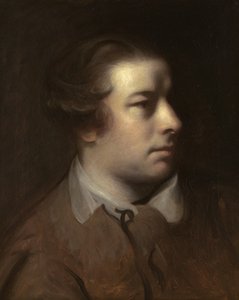
Francis Hayman
1708 - 1776 , Reino Unido
Datos clave
- Artistic Movement Or Style: Rococó
- Artists Or Movements Influenced By This Artist: ['Thomas Gainsborough']
- Artists Who Influenced This Artist: ['Joshua Reynolds']
- Date Of Birth: Exeter, 1708
- Date Of Death: 1776
- Full Name: Francis Hayman
- Nationality: Inglés
- Notable Artworks:
- Hamlet escena teatral
- Las mejillas sonrojadas
- El juego de críquet
- Place Of Birth: Londres
Artículos relacionados
Francis Bacon: Las 25 Obras Maestras del Expresionismo y su Impacto en el Arte Moderno
Explora las 25 obras maestras de Francis Bacon, el expresionismo visceral y la angustia humana. Descubre retratos icónicos, trípticos impactantes y su legado en el arte moderno. Reproducciones de museo en ArtsDot.com.

Rococó: 10 Obras Maestras que Definieron una Época | Arte y Decoración en
Descubre las 10 obras maestras del Rococó que marcaron una época. Explora la elegancia de Fragonard, Boucher y Watteau en . Reproducciones de arte de calidad museo para decorar tu hogar con estilo.

La Estética Rococó: Opulencia, Rebelión y Placer en el Arte del Siglo XVIII
Descubre la fascinante estética rococó: su historia, características clave y los artistas más influyentes del siglo XVIII. Un análisis profundo para amantes del arte y coleccionistas.
The Rococo Style: Aristocratic Leisure & the Pursuit of Delight in 18th-Century Art
Explore the opulent world of Rococo art! Discover Watteau, Boucher & Nattier's masterpieces. Expert insights for collectors seeking museum-quality reproductions and custom portraits at ArtsDot.
Illuminating the Enlightenment: A Comprehensive Exploration of 18th-Century Painting
Explore the captivating world of 18th-century painting! Discover Rococo's playful elegance & Neoclassicism’s Enlightenment ideals with expert insights into Fragonard, David, and more. A comprehensive guide for art enthusiasts.

