 Vista previa
 Compartir
 Compartir
 Ver detalles

 Descargar
 Ver similares
 Radiografía
 Presentación de diapositivas
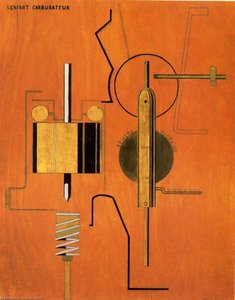
The Child Carburetor


 Leer más
Reproducción al óleo hecha a mano
Óleo sobre lienzo pintado a mano en el tamaño y marco de su elección, realizado por encargo por nuestros artistas. ( Pedir impresión Comprar descarga)




P118B $10

P118H $10

P118W $10

P438Z $10

P508JH $12

P508YH $12

P805H $10

P805Z $10

P919BZ $10

P919G $10

P919XJ $10

P959ZH $10

P968JZ $12

W106C $8

W218G $10

W218JH $8

W218Y $10

W307PJ $10

W316G $10

W316PJ $8

W316Y $10

W398PJ $8

W4111J $10

W500HY $15

W500JH $15

W692G $12

W849H $8

W940BG $15

W953PJ $8




Elija entre nuestros tamaños predefinidos que respetan las proporciones originales de la obra.

Puede ingresar sus propias dimensiones para adaptarse a un marco o espacio específico. Si el tamaño seleccionado no coincide con las proporciones de la imagen original, recortaremos la obra o extenderemos la pintura con elementos adicionales pintados a mano. Se le enviará una maqueta digital para su aprobación antes de comenzar la producción.
Tenga en cuenta que la vista previa en pantalla no refleja el recorte o la extensión reales. Solo la maqueta mostrará con precisión la composición final.
Si bien existen tamaños personalizados, recomendamos seleccionar una dimensión de la lista predefinida para preservar las proporciones originales.
Tras realizar el pedido, el equipo de ArtsDot.com enviará un correo electrónico al cliente para solicitar instrucciones y proporcionarle una vista previa del boceto.
Envío a todo el mundo () en 3-4 semanas en lugar de las 5 semanas estándar. (19 agosto). Sin comprometer la calidad.

Envío exprés gratuito a todo el mundo

Lienzo de lino de alta calidad

Seguro de envío completo

Garantía de reembolso de aranceles aduaneros

Garantía de fidelidad cromática exacta

Política de devolución de 60 días (solo por defectos)

Garantía de devolución del 100% del dinero

Oferta por volumen
 La opción de vidrio solo está disponible en tamaños inferiores a 110 cm.

The Child Carburetor
Técnica de reproducción
Tamaño de la reproducción
-


Precio total
$ 263
Descripción de la obra
A Mechanical Reverie: Francis Picabia’s “The Child Carburetor”
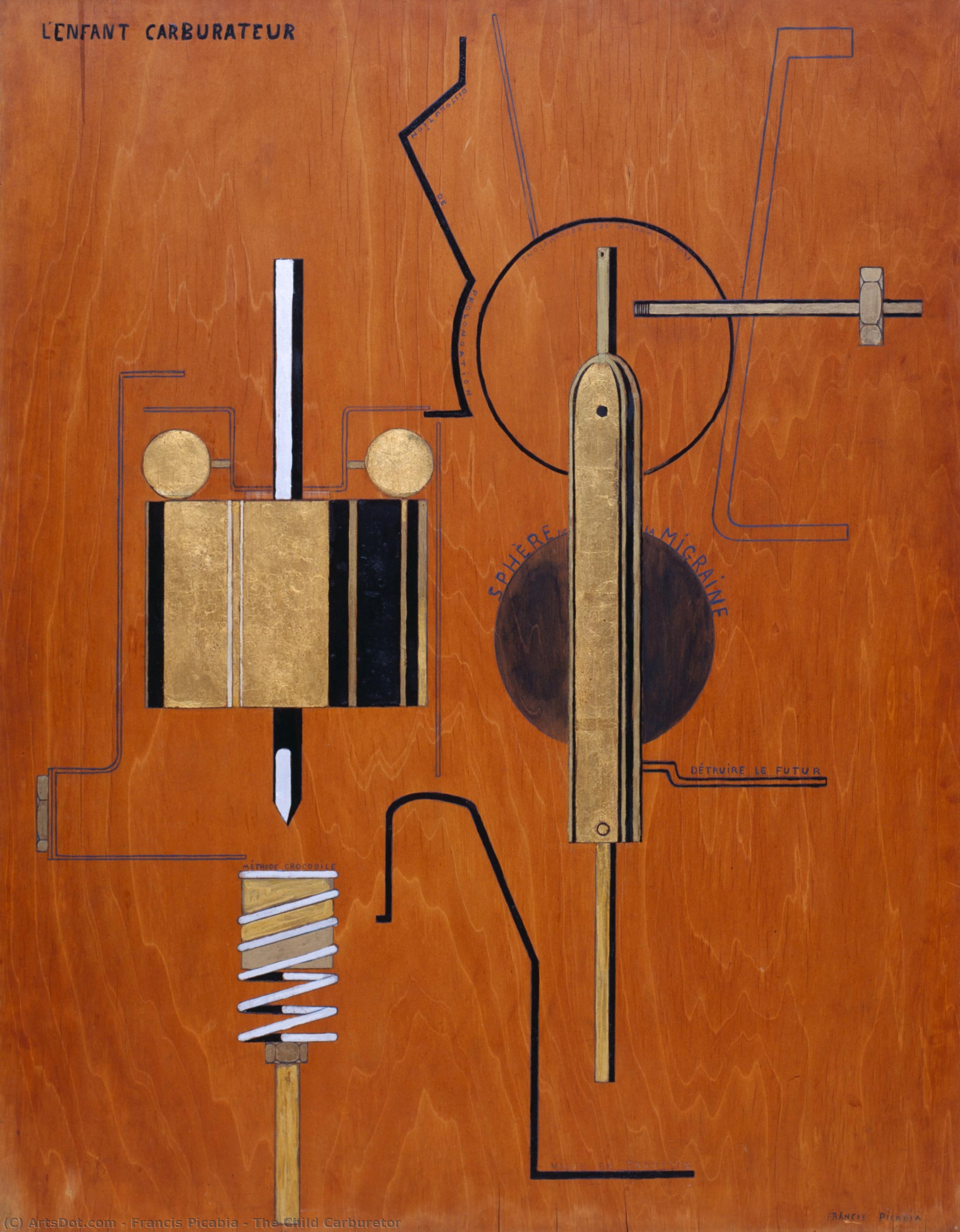
Francis Picabia's "The Child Carburetor," painted in 1919, isn’t merely a depiction of a machine part; it’s a meticulously constructed visual poem—a testament to the burgeoning anxieties and exhilarating experimentation of the Dada movement. This striking work, currently residing within the Solomon R. Guggenheim Museum’s collection, immediately commands attention with its intricate assemblage of gears, wheels, springs, and other mechanical components arranged upon a stained plywood base. Yet, beneath this seemingly industrial facade lies a profound exploration of childhood, technology, and the very nature of creation itself.
The painting's style is undeniably rooted in the principles of Cubism, but it transcends simple geometric deconstruction. Picabia employs a deliberately fragmented perspective, presenting multiple viewpoints simultaneously—as if peering into the inner workings of a complex engine or dissecting the anatomy of a child’s imagination. The use of mixed media – incorporating pencil, graphite, crayon, and metallic paints—adds layers of texture and visual interest, mirroring the multifaceted nature of the subject matter. Notice particularly the deliberate application of gold leaf, lending an almost liturgical quality to the mechanical forms, suggesting a reverence for the machine as a new form of sacred object.
Dada’s Disruption: Context and Intent
Created during the tumultuous years following World War I, “The Child Carburetor” is deeply embedded within the context of Dadaism. This anti-art movement arose from a profound disillusionment with traditional values, societal norms, and the perceived failures of Western civilization. Dadaists sought to dismantle established artistic conventions and challenge viewers’ perceptions through shock, absurdity, and intellectual provocation. Picabia, a key figure in the Parisian Dada scene, embraced this spirit wholeheartedly, using his art as a vehicle for social critique and philosophical inquiry.
The title itself is crucial—"The Child Carburetor." It immediately juxtaposes the innocence of childhood with the cold efficiency of machinery. This deliberate pairing reflects Dada’s core concern: to expose the underlying mechanisms that govern our lives, revealing the often-absurd relationship between human experience and technological advancement. The inscription “DÉTRUIRE LE FUTUR” – "Destroy the Future" – further underscores this critical stance, suggesting a rejection of progress as blindly pursued and a call for radical reevaluation.
Symbolism Within the Machine
Beyond its immediate visual impact, “The Child Carburetor” is rich in symbolic meaning. The various mechanical components can be interpreted as representing different aspects of human existence—the gears symbolizing cycles of life and death, the wheels suggesting movement and progress, and the springs embodying potential energy. The clock visible on the right side adds another layer of complexity, referencing time’s relentless march and the anxieties surrounding modernity.
Furthermore, the painting's overall composition evokes a sense of both order and chaos. The meticulously arranged mechanical parts create an illusion of structure, while the fragmented perspective and unconventional use of color introduce an element of instability and uncertainty. This tension reflects the Dadaist desire to expose the inherent contradictions within modern society—the simultaneous promise of progress and the threat of destruction.
A Timeless Reverie
“The Child Carburetor” is more than just a painting; it’s an experience. It invites viewers to contemplate the relationship between humanity, technology, and the passage of time. Its bold aesthetic, intellectual depth, and emotional resonance continue to captivate audiences today, solidifying Picabia's place as one of the most important artists of the 20th century. Whether viewed as a critique of industrialization or a celebration of mechanical ingenuity, this remarkable work remains a powerful reminder of the enduring power of art to challenge our perceptions and provoke profound reflection.
Obras relacionadas
Biografía del artista
Primeros años y comienzos artísticos
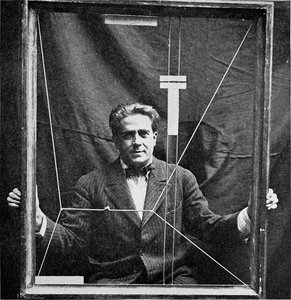
Francis Picabia, pintor, poeta y tipógrafo de vanguardia francés, nació el 22 de enero de 1879 en París. Su padre, de ascendencia cubano-española, sirvió como agregado a la legación cubana en París. Esta diversidad cultural influiría más adelante en el estilo artístico de Picabia. La primera etapa de su vida estuvo marcada por la tragedia cuando su madre falleció debido a tuberculosis. Fue criado por su padre, quien fomentó sus aspiraciones artísticas. A los 20 años, ya se sustentaba con su arte y, tras heredar una suma considerable de su madre, se convirtió en uno de los artistas más ricos de su tiempo.Evolución artística
- Trabajos tempranos (1903-1908): Influenciado por el impresionismo, los temas de Picabia incluían paisajes parisinos y orillas de ríos. Los críticos cuestionaron su originalidad, lo que lo llevó a buscar un nuevo enfoque.
- Período cubista (1909): Picabia se unió al grupo de Puteaux, entablando amistad con Marcel Duchamp y Guillaume Apollinaire. Esto marcó un cambio significativo hacia el cubismo.
- Proto-dada (1913): Picabia asistió a la Armory Show en Nueva York, exhibiendo su obra junto con otros artistas modernistas. Este período vio la aparición de sus composiciones planas y abstractas únicas.
Obras notables y asociaciones
- Pintura de 'Francis Picabia': vea las obras de Picabia en ArtsDot
- Musée des Beaux-Arts de Carcassonne: Descubra la colección del museo, que presenta obras de artistas renombrados como François Perrier y Lanfranco. Lea más en ArtsDot
- Movimiento artístico postimpresionista: Aprenda sobre el movimiento que moldeó los primeros trabajos de Picabia, caracterizado por su énfasis en la expresión subjetiva. Explore el postimpresionismo en ArtsDot
Legado
El estilo innovador de Picabia, marcado por su uso de colores vibrantes y formas abstractas, ha dejado una huella imborrable en el arte moderno. Su período proto-dada, en particular, muestra su espíritu pionero, que continúa inspirando a los artistas hoy en día. Más sobre la vida y obra de Francis PicabiaInfluencias y desarrollo
- Impresionismo: Los primeros trabajos de Picabia muestran una clara influencia del impresionismo, con paisajes y escenas urbanas capturadas en pinceladas sueltas y colores brillantes.
- Cubismo: Su asociación con el grupo de Puteaux marcó un punto de inflexión en su carrera, llevándolo a explorar la fragmentación y abstracción características del cubismo.
- Dadaísmo: Picabia se convirtió en una figura clave del movimiento dadaísta, desafiando las convenciones artísticas tradicionales con obras provocativas e irónicas. Su participación fue crucial para el desarrollo de este movimiento.
Logros y significado histórico
- Pionero de la abstracción: Picabia fue uno de los primeros artistas en explorar plenamente las posibilidades de la abstracción, sentando las bases para futuros desarrollos en el arte moderno.
- Figura clave del Dadaísmo: Su contribución al movimiento dadaísta ayudó a definir su espíritu iconoclasta y experimental.
- Exploración de nuevas formas de expresión: Picabia no se limitó a la pintura, sino que también experimentó con la poesía, la tipografía y el cine, ampliando los límites del arte contemporáneo.
Francis Picabia
1879 - 1953 , Francia
Datos clave
- Artistas Que Influyeron:
- Pissarro
- Sisley
- Toulouse-Lautrec
- Estilo Artístico: Abstracto, vanguardista
- Fecha De Fallecimiento: 30 de noviembre de 1953
- Fecha De Nacimiento: 22 de enero de 1879
- Lugar De Nacimiento: París, Francia
- Movimiento Artístico:
- Cubismo
- Dadaísmo
- Surrealismo
- Nacionalidad: Francesa
- Nombre Completo: Francis Picabia
Artículos relacionados

Francis Picabia: Dada's Provocateur – Reassessing Mechanical Forms & Mystical Undercurrents
Explore the revolutionary art of Francis Picabia – Dada's enigmatic provocateur. Discover his mechanical forms, hidden symbolism & lasting influence on modern art. Expert analysis for collectors.

Expresionismo Abstracto: 10 Obras Maestras que Transformaron el Arte |
Descubre las 10 obras maestras del Expresionismo Abstracto: Pollock, Rothko y más. Explora la historia, técnica y significado de estos lienzos icónicos. Reproducciones de arte exclusivas en .

Abstracción Geométrica: 10 Obras Maestras que Transformaron el Arte Moderno | ArtsDot
Descubre las 10 obras maestras de la abstracción geométrica que revolucionaron el arte moderno. Explora a Mondrian, Malevich y Kandinsky en ArtsDot.com. Reproducciones de alta calidad para tu hogar.
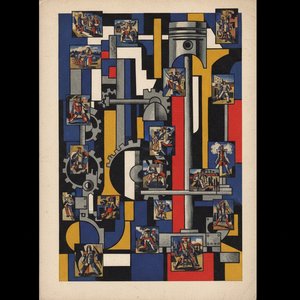
Fernand Léger: Las 25 Obras Maestras del Tubismo y la Vanguardia Francesa | ArtsDot
Descubre las 25 obras maestras de Fernand Léger, pionero del tubismo y la vanguardia francesa. Explora su estética industrial, composiciones geométricas y vibrantes colores. Reproducciones de arte exclusivas en ArtsDot.com.

Kandinsky: Las 25 Obras Maestras del Pionero de la Abstracción | ArtsDot
Descubre las 25 obras maestras de Wassily Kandinsky, pionero del arte abstracto. Explora su expresionismo, composiciones únicas y la historia detrás de cada cuadro. Reproducciones de alta calidad para decorar tu hogar con arte moderno en ArtsDot.com.