

 Ver en contexto
 Enviar
 Compartir
 Detalles

 Descargar
 Similares
 Radiografía
 Presentación de diapositivas
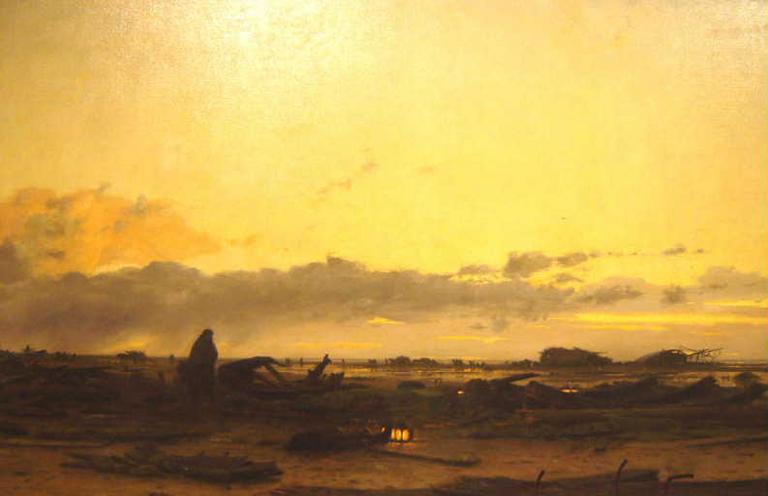
Les débris du trois mâts Majestas
 Ver más
Reproducción al óleo hecha a mano
Óleo sobre lienzo pintado a mano en el tamaño y marco de su elección, realizado por encargo por nuestros artistas. ( Comprar impresión Comprar imagen)




































Elija entre nuestros tamaños predefinidos que respetan las proporciones originales de la obra.

Puede ingresar sus propias dimensiones para adaptarse a un marco o espacio específico. Si el tamaño seleccionado no coincide con las proporciones de la imagen original, recortaremos la obra o extenderemos la pintura con elementos adicionales pintados a mano. Se le enviará una maqueta digital para su aprobación antes de comenzar la producción.
Tenga en cuenta que la vista previa en pantalla no refleja el recorte o la extensión reales. Solo la maqueta mostrará con precisión la composición final.
Si bien existen tamaños personalizados, recomendamos seleccionar una dimensión de la lista predefinida para preservar las proporciones originales.
Tras realizar el pedido, el equipo de ArtsDot.com enviará un correo electrónico al cliente para solicitar instrucciones y proporcionarle una vista previa del boceto.
Envío a todo el mundo () en 3-4 semanas en lugar de las 5 semanas estándar. (24 agosto). Sin comprometer la calidad.

Envío exprés gratuito a todo el mundo

Lienzo de lino de alta calidad

Seguro de envío total

Garantía de reembolso de impuestos aduaneros

Garantía de fidelidad cromática exacta

Política de devolución de 60 días (solo por defectos)

Garantía de devolución del 100% del dinero

Descuento por cantidad
 La opción de vidrio solo está disponible en tamaños inferiores a 110 cm.

Les débris du trois mâts Majestas
Técnica de reproducción
Dimensiones de la reproducción
-


Precio total final
$ 263
Obras relacionadas




Biografía del artista
Francis Tattegrain (1852 - 1915): The Painter of Wissant’s Coastal Soul
Francis Tattegrain (October 11, 1852, Péronne – January 1, 1915, Arras) was a French Naturalist painter who achieved renown for his depictions of the rugged beauty and daily life along the northern coast of France, particularly in Wissant and Authie Bay. His artistic legacy resides not merely in capturing picturesque landscapes but also in embodying the spirit of the École de Berck movement—a collective of artists dedicated to portraying the natural world with uncompromising realism and Impressionistic sensitivity.Early Life & Artistic Formation
Born into a family steeped in legal tradition, Tattegrain’s upbringing instilled in him an appreciation for precision and observation – qualities that would prove invaluable to his artistic pursuits. Encouraged by his elder brother Georges Tattegrain, who was himself a sculptor, he embarked on a formal artistic education at the Académie Julian in Paris in 1877, studying under Jules Lefebvre and Gustave Boulanger. These formative influences shaped his stylistic approach, grounding him in traditional academic principles while simultaneously exposing him to the burgeoning innovations of Impressionism.The École de Berck & Maritime Vision
Tattegrain’s artistic breakthrough occurred during his time at Wissant Bay, where he established a studio amidst fellow painters—Henri and Marie Duhem—forming the influential École de Berck. This group prioritized direct observation of nature, employing loose brushstrokes and vibrant color palettes to convey atmospheric conditions and capturing fleeting moments of coastal life with remarkable immediacy. His paintings exemplify this ethos, portraying fishermen hauling nets, sailboats gliding across the waves, and the dramatic interplay between light and shadow on the shoreline—scenes that resonate with a profound connection to the environment.Notable Works & Artistic Style
Among Tattegrain’s celebrated canvases are “Place du parvis Notre Dame à Senlis,” which showcases his masterful technique in capturing twilight urbanity with subtle tonal gradations, and “Groslu, Berckois,” an evocative portrait of an elderly man imbued with dignity and melancholy. His style is characterized by meticulous detail combined with Impressionistic brushwork—a harmonious blend that distinguishes him from more rigid academic painters. Tattegrain’s artistic vision prioritized conveying emotion and capturing the essence of his subjects rather than adhering to stylistic conventions.Legacy & Recognition
Francis Tattegrain received numerous commissions from public institutions, including works for the Exposition Universelle (1900), reflecting his standing within the Parisian art world. He was knighted in the Légion d’honneur in 1889—a testament to his contribution to French culture—and his paintings continue to be exhibited and studied today. The Musée d'Opale-Sud – Berck-sur-Mer organized an exhibition dedicated to Tattegrain’s oeuvre in 2007, showcasing the breadth of his artistic output and reaffirming his enduring influence on Impressionistic painting. Marguerite Tattegrain bequeathed more than a hundred paintings and several hundred drawings to the museum—a remarkable gesture honoring her grandfather's legacy.Further Exploration
For deeper insights into Tattegrain’s life and work, consult biographical accounts by Fernand Bertaux and Gaston-Louis and Patrick Wintrebert. Explore his artistic output through publications like “Francis Tattegrain peintre de la mer” and delve into scholarly analyses of his oeuvre. His paintings can be found in museums worldwide—a testament to the enduring power of his vision.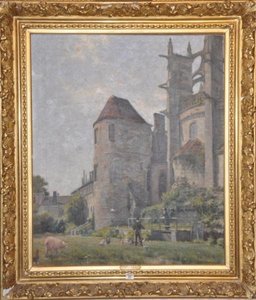
francis tattegrain
1852 - 1915
Datos clave
- Artistic Movement Or Style: Naturalism
- Artists Or Movements Influenced By This Artist: ['École de Berck']
- Artists Who Influenced This Artist:
- Ludovic-Napoléon Lepic
- Georges Tattegrain
- Date Of Birth: October 11, 1852
- Date Of Death: January 1, 1915
- Full Name: Francis Tattegrain
- Nationality: French
- Notable Artworks:
- Groslu, Berckois
- Place du parvis Notre Dame à Senlis
- Place Of Birth: Péronne, France

