 Ver en contexto
 Enviar
 Compartir
 Detalles

 Descargar
 Similares
 Radiografía
 Presentación de diapositivas
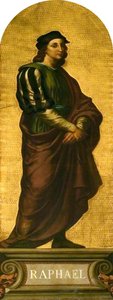
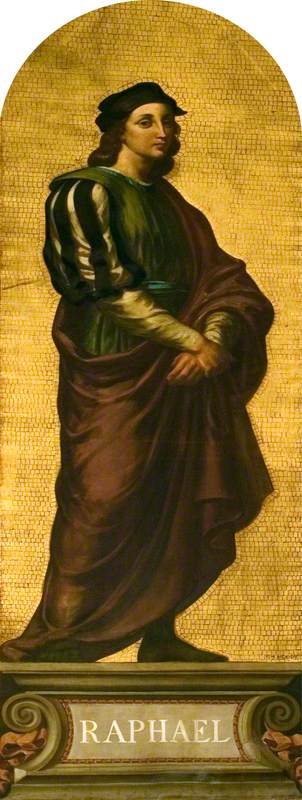
Raphael (1483–1520) (design for a mosaic in the Victoria and Albert Museum)
 1860
1860 265.0 x 89.0 cm
 Ver más
Adquiera una imagen digital de alta resolución y optimizada, muy superior a la vista previa en línea.
Cada archivo es preparado meticulosamente por nuestros especialistas internos mediante el uso de herramientas avanzadas y un experto retoque manual. Nos aseguramos de que cada imagen posea una claridad excepcional, una precisión cromática impecable y un detalle minucioso.
El archivo final se entrega por correo electrónico en un plazo de 72 horas, optimizado para su uso inmediato en entornos profesionales, editoriales y de impresión. Esta es la misma calidad en la que confían los estudios de diseño, las editoriales y las galerías de primer nivel.
Imagen Digital
Descarga un archivo de alta resolución para exhibición personal, impresión y proyectos creativos. ( Comprar impresión Comprar pintura hecha a mano)
Incluido en cada pedido de imágenes digitales
Entrega digital experta, garantizada.
Al elegir ArtsDot.com, no solo está adquiriendo una imagen; está recibiendo una obra de arte digital mejorada profesionalmente, elaborada con precisión y respaldada por una garantía de satisfacción. Esto es todo lo que incluye su pedido, automáticamente:

Entrega rápida por email
Recibirá su archivo de imagen digital en alta resolución por correo electrónico en un plazo de 72 horas tras realizar su pedido, listo para su uso inmediato.

Archivo digital optimizado por IA
Su obra de arte se optimiza profesionalmente mediante herramientas avanzadas de IA y edición manual, garantizando el máximo detalle, claridad y precisión cromática.

Reenvío gratuito de por vida
¿Has borrado o perdido tu archivo por error? No te preocupes: te lo volveremos a enviar en cualquier momento, sin coste adicional.

Sin gastos de importación, siempre
Disfrute de su obra de arte al instante sin aduanas, aranceles ni gastos de envío; las descargas digitales siempre están libres de impuestos.

Garantía de fidelidad de color
Garantizamos que su imagen digital refleje los colores originales con la mayor fidelidad posible, mediante el uso de herramientas profesionales y gestión del color.

Garantía de satisfacción de 60 días
Si no está satisfecho con su imagen digital, la revisaremos o le reembolsaremos el 100% en un plazo de 60 días, sin preguntas.

100% Garantía de devolución de dinero
¿No está satisfecho? Obtenga un reembolso completo dentro de los 60 días posteriores a la recepción de su archivo digital, sin necesidad de explicaciones.

Descuentos por pedidos grandes
Compra 3 imágenes, ahorra 10% - Compra 5, ahorra 15% - Compra 10+, ahorra 20%. Ideal para proyectos creativos, galerías y agencias.
Obras relacionadas

Biografía del artista
A Vision in Fragments: The World of Francis Wollaston Moody
Francis Wollaston Moody is an artist whose work feels simultaneously ancient and utterly contemporary, a testament to his unique vision and meticulous technique. While biographical details remain intentionally sparse – Moody prefers the dialogue between artwork and viewer – his artistic journey has been one of profound engagement with Renaissance masters and a deep connection to the landscapes that inspire him. He isn’t simply replicating historical styles; he is *reimagining* them, breathing new life into traditions of mosaic art through a distinctly personal lens. His pieces are not merely decorative panels but portals to another time, imbued with a quiet intensity and a palpable sense of place. Moody's work has garnered attention for its exquisite detail, the subtle interplay of light and shadow, and an almost hypnotic quality that draws viewers into their intricate depths.Early Influences & The Allure of Mosaic
Moody’s fascination with the Renaissance began early, sparked by a profound admiration for Jan van Eyck's groundbreaking realism and Lancelot Blondeel’s mastery of mosaic. He wasn’t drawn to the grand narratives often associated with the period but rather to the meticulous craftsmanship, the symbolic language embedded within seemingly simple objects, and the sheer dedication required to create such enduring works. The allure of mosaic, in particular, proved irresistible. Unlike painting, which allows for fluidity and immediate correction, mosaic demands a deliberate, painstaking process – each tessera carefully placed, its color and angle considered with unwavering precision. This inherent slowness, this commitment to building an image fragment by fragment, resonated deeply with Moody’s artistic temperament. He saw in it not a limitation but a unique opportunity to explore texture, light, and the very nature of perception. The challenge wasn't just about replicating images; it was about understanding how individual components could coalesce into a unified whole, creating something greater than the sum of its parts.Technique & Materials: A Modern Renaissance
Moody’s technique is a fascinating blend of traditional methods and modern innovation. He begins with detailed studies – often landscapes observed during his travels – which are then translated into intricate designs. While he honors the historical use of materials like glass, stone, and smalti (a vibrant, opaque glass), Moody also incorporates contemporary elements, experimenting with different textures and finishes to achieve unique effects. His process is remarkably hands-on; he cuts each tessera himself, meticulously arranging them on a substrate before embedding them in resin. This allows for an unparalleled level of control over color, light, and composition. The result is not simply a mosaic *in the style* of Van Eyck or Blondeel but something entirely new – a contemporary artwork that echoes the spirit of the Renaissance while possessing its own distinct voice. The luminosity of his mosaics is particularly striking; the carefully chosen tesserae seem to radiate light from within, creating an almost ethereal glow.Landscapes & Symbolism: Echoes of Munduk and Tamblingan
A recurring theme in Moody’s work is the landscape – specifically, the lush, verdant landscapes of Bali, particularly around the lakes of Munduk and Tamblingan. These aren't idealized depictions but rather intimate portraits of specific places, imbued with a sense of quiet reverence. The temples nestled amongst the rice paddies, the mist-shrouded mountains, the intricate patterns of vegetation – all are rendered with painstaking detail, capturing not just their visual appearance but also their atmosphere and spiritual energy. His mosaics often incorporate subtle symbolic elements, drawing on both Renaissance iconography and Balinese traditions. A carefully placed flower might represent a specific virtue, while a particular arrangement of stones could evoke ancient myths or legends. These symbols are never overt or didactic; they are woven into the fabric of the artwork, inviting viewers to engage in their own interpretations. The lakes themselves – Munduk and Tamblingan – become metaphors for inner landscapes, reflecting themes of tranquility, reflection, and the interconnectedness of all things.Historical Significance & Contemporary Relevance
Francis Wollaston Moody’s work occupies a unique position within contemporary art. He isn't simply reviving a lost technique; he is demonstrating its enduring power and relevance in the 21st century. By engaging with the legacy of Renaissance masters, he challenges conventional notions of originality and authorship, prompting viewers to consider the relationship between past and present.- His mosaics offer a powerful counterpoint to the fast-paced, ephemeral nature of modern life.
- They remind us of the value of craftsmanship, patience, and meticulous attention to detail.
- The incorporation of Balinese landscapes adds another layer of complexity, exploring themes of cultural exchange and environmental awareness.